Argentina Stands Out as Latin America’s Exception and a Strategic Opportunity for EU Investors
A World Bank report highlights Argentina as the only major Latin American economy expected to diverge from regional trends. For European investors, the shift signals both risk and a potential entry point into a market undergoing structural adjustment.

Argentina is emerging as a regional outlier in Latin America’s economic landscape, according to the latest World Bank assessment, which identifies the country as the only major economy in the region expected to follow a markedly different trajectory in 2026.
While much of Latin America is projected to maintain moderate growth, Argentina continues to navigate a complex stabilization process after years of macroeconomic imbalance. The divergence reflects a combination of fiscal adjustment, monetary tightening, and structural reforms aimed at restoring economic credibility.
For European investors, this exceptional status positions Argentina as both a high-risk environment and a potentially high-reward opportunity.
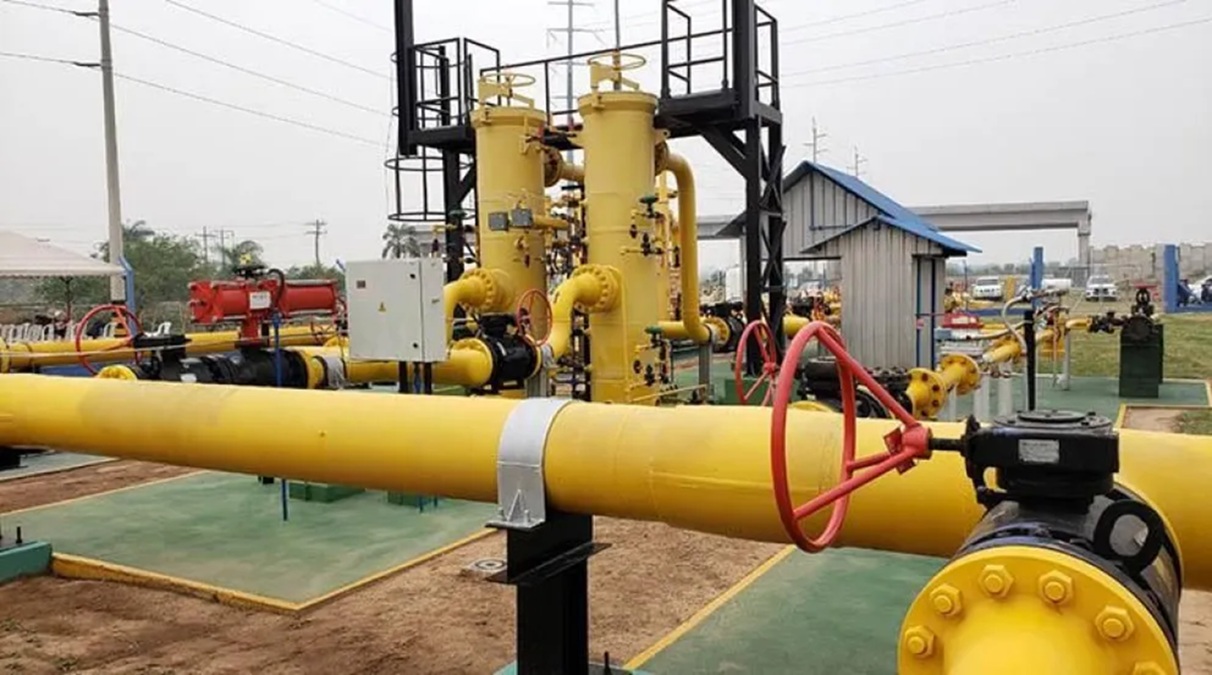
The country’s ongoing economic reordering is reshaping key sectors, particularly energy, agribusiness, and mining. As price distortions are gradually reduced and regulatory frameworks evolve, new openings are emerging for foreign capital, especially in areas linked to exports and hard-currency generation.
Argentina’s vast natural resources remain central to its investment narrative. The country holds significant potential in lithium, shale gas, and agricultural production, all of which align with Europe’s strategic priorities around energy transition, food security, and supply diversification.
At the same time, the adjustment process carries short-term costs. Economic contraction, inflationary pressures, and declining purchasing power continue to weigh on domestic demand, creating a challenging operating environment for companies focused on the local market.
This dual dynamic, contraction in the short term and potential upside in the medium term, is defining Argentina’s current investment profile.
From a regional perspective, Argentina’s divergence also highlights the relative stability of other Latin American economies, which are benefiting from improved macroeconomic frameworks and stronger external balances. This contrast further amplifies Argentina’s uniqueness within the region.
For the European Union, the timing is particularly relevant. As Brussels seeks to deepen economic ties with Latin America through initiatives such as the EU–Mercosur agreement and Global Gateway, Argentina’s transition could open new avenues for strategic engagement.
Investors willing to navigate volatility may find that Argentina’s current phase offers early positioning advantages in sectors poised for recovery and expansion.
In that sense, what the World Bank frames as an exception may, for European capital, represent a window of opportunity.