

German lawmakers back higher 2027 borrowing, fueling EU military and infrastructure push
Germany's 2027 budget boost prioritizes defense and infrastructure, signaling a strategic shift with potential EU-wide effects.
News from the European Union and its member states

Germany's 2027 budget boost prioritizes defense and infrastructure, signaling a strategic shift with potential EU-wide effects.

The euro area posted a €10.3 billion trade deficit in September 2026, driven by a widening energy gap and shrinking machinery surplus.

AI and cloud computing drove the UK's 0.7% Q3 growth, with tech and consultancy sectors outperforming despite global pressures.

The EU's renewed focus on industrial policy aims to boost innovation and resilience but raises questions about effectiveness and risks.

The EU has filed a lawsuit against IBM, Atos, and Leonardo over significant delays to its new entry/exit border system, causing flight disruptions and long waits for passengers.

Rising costs for pensions and healthcare are intensifying political debate across Europe as governments struggle to fund welfare, defense and public services.

Denmark’s Esbjerg is pioneering high-capacity district heating from cold seawater, spotlighting a model now being explored in Stockholm and Monaco.

France faces mounting debt costs, sparking concerns about fiscal policy shifts and the country's economic stability.

German industrial output rose 0.7% in September, driven by a 17.1% surge in car production, even as construction and machinery output fell.

A surge in bomb threats has targeted over 20 European flights this week, forcing diversions, military escorts, and raising pressure on airlines to tighten security.

The European Investment Bank’s €300 million support for IFRRU 2030 is set to increase affordable housing in Portugal, with over 64% of units targeted at cohesion regions.

Eurozone inflation hit 4% in October, the steepest rise in three years, prompting consumers to adjust spending as policy tightening looms.

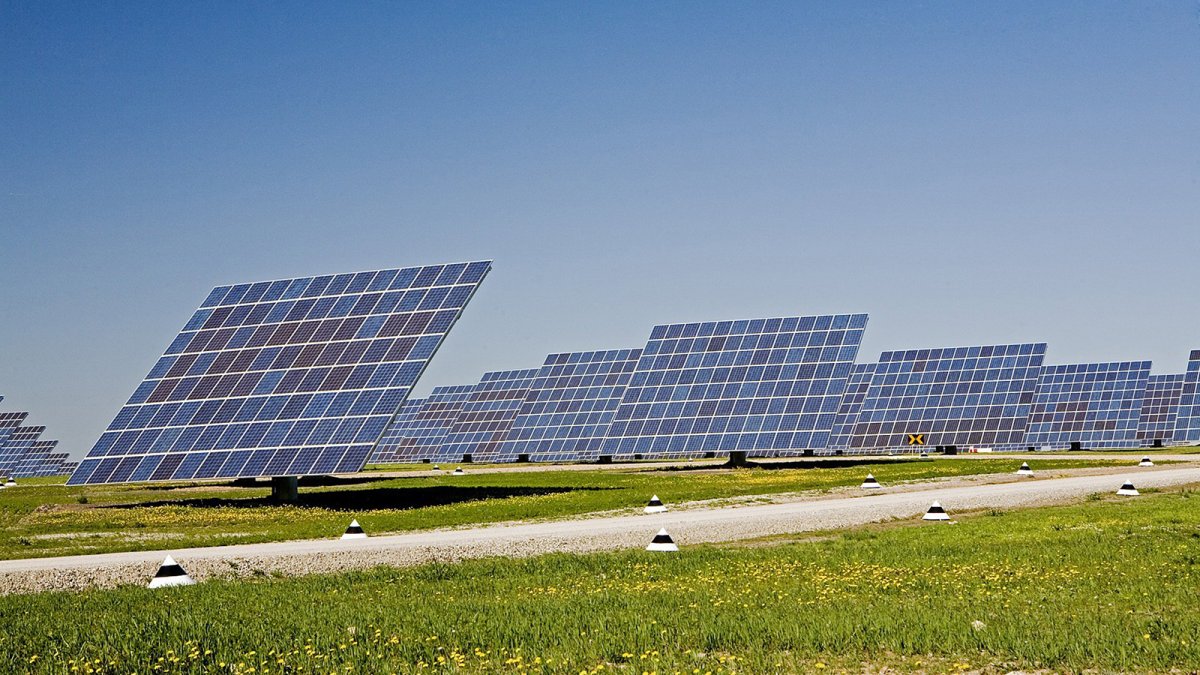
A UNEF study reveals solar PV lowered Spain's wholesale electricity prices by €17.02 billion from January 2025 to June 2026, highlighting its economic impact.

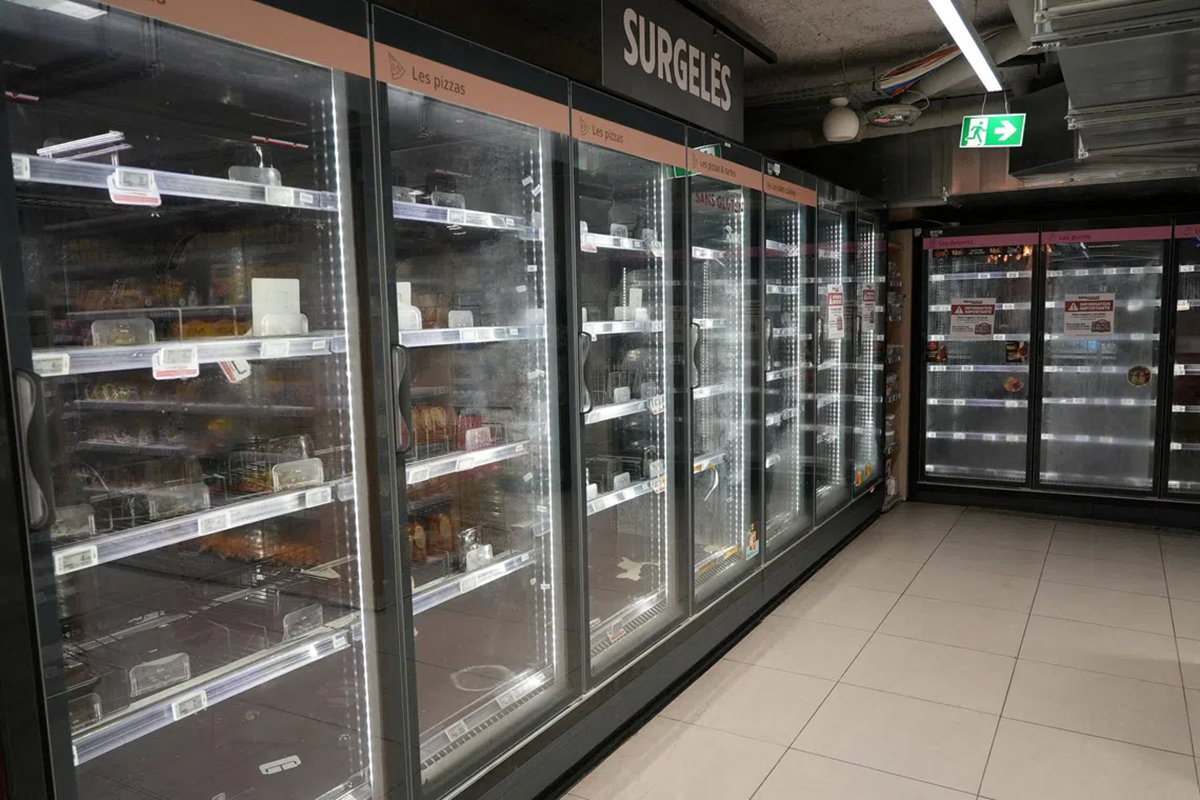
Supermarkets in Sweden, Belgium, and Luxembourg report IT incidents affecting refrigeration, exposing vulnerabilities in connected systems.

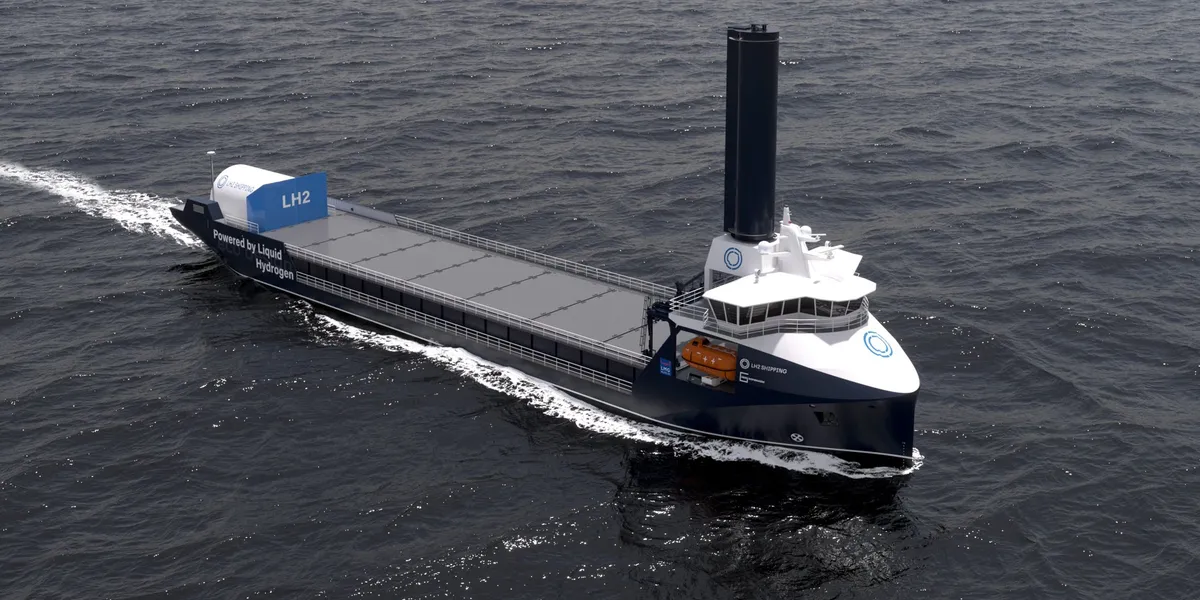
A new analysis finds battery-electric bulk carriers could save up to €14.13 million over 15 years compared to hydrogen alternatives in Norway.

Diverging inflation in Italy, Spain, France and Germany highlights energy price shocks and raises new questions for ECB policy.

Fitch Ratings has shifted France’s outlook to negative, coinciding with data showing a quarterly economic contraction and raising concerns for foreign investors.

GDP growth in the euro area and EU slowed in Q3 2026, with implications for investment and policy as expansion continues to decelerate.

Italy's annual inflation rate soared to 5.4% in October, led by rising energy costs, intensifying economic and policy challenges across the eurozone.

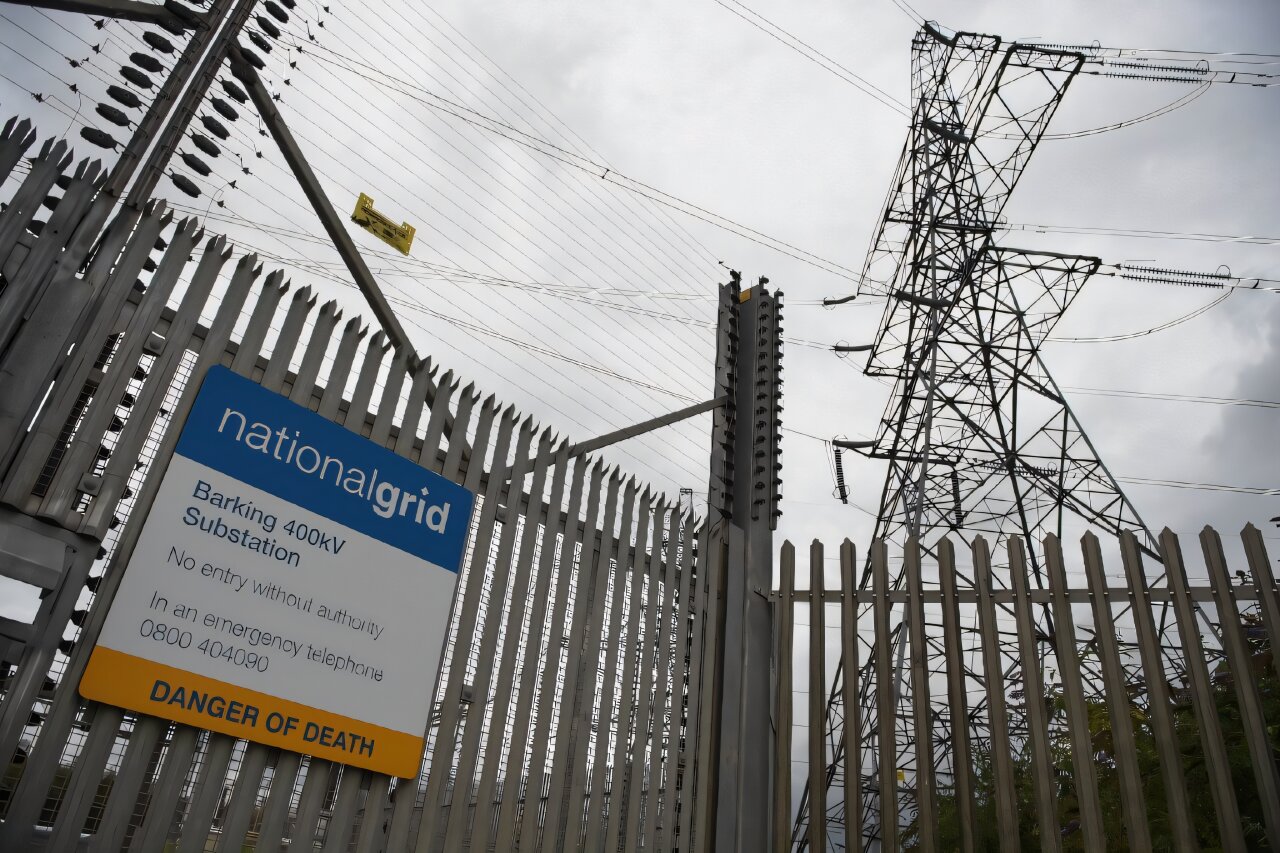
National Grid's €478 million investment will keep the UK-France IFA interconnector running until 2050, supporting energy security amid surging AI and EV demand.

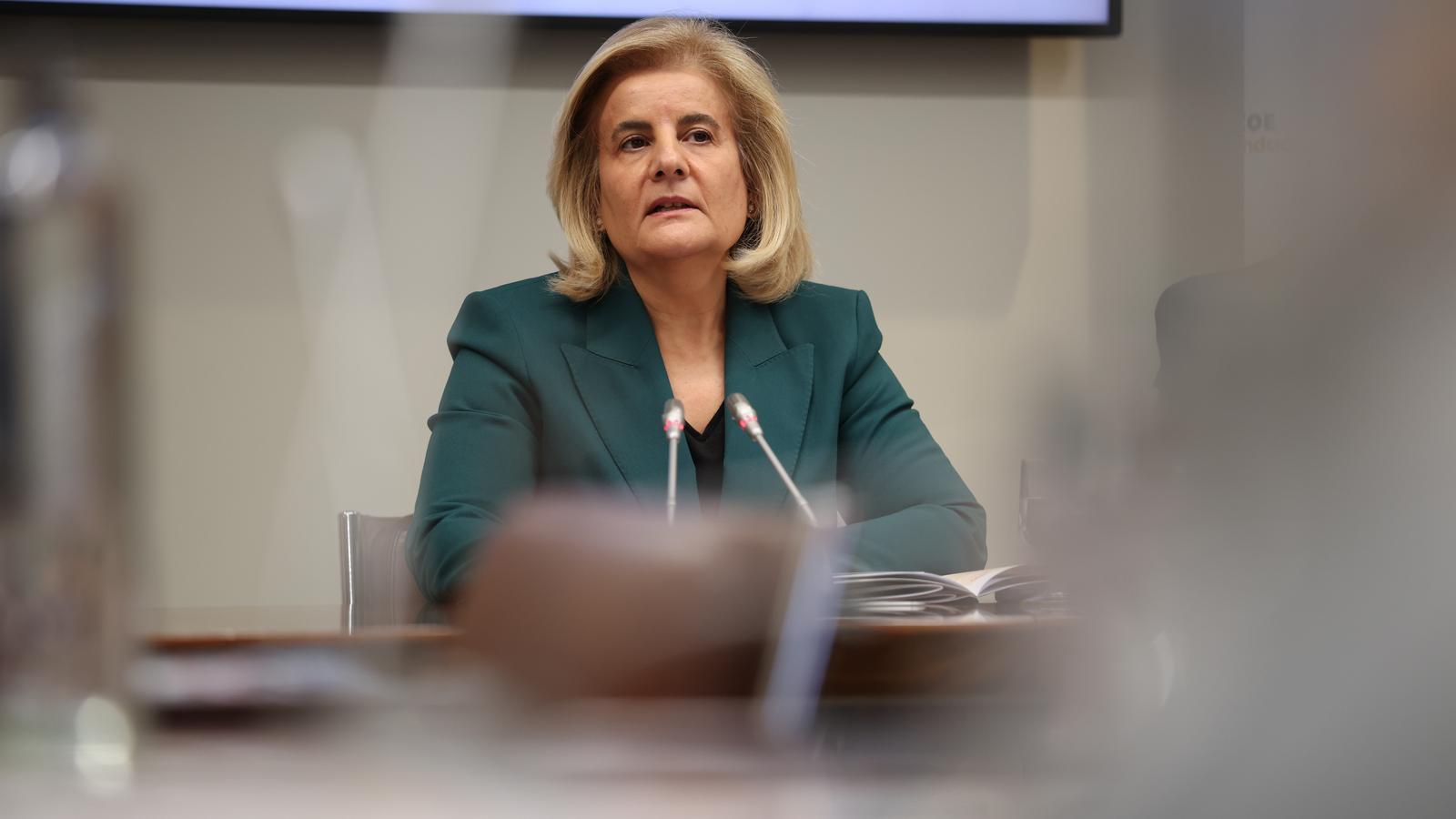
The former Spanish employment minister was among at least 64 people killed in a high-speed rail collision near Urda. Báñez, a prominent figure in Spain’s business and labour policy circles, was travelling to Seville to attend an employers’ event.

BNP Paribas reported a €3.46 billion Q3 net income, driven by equities trading, and downplayed its exposure to French government debt.

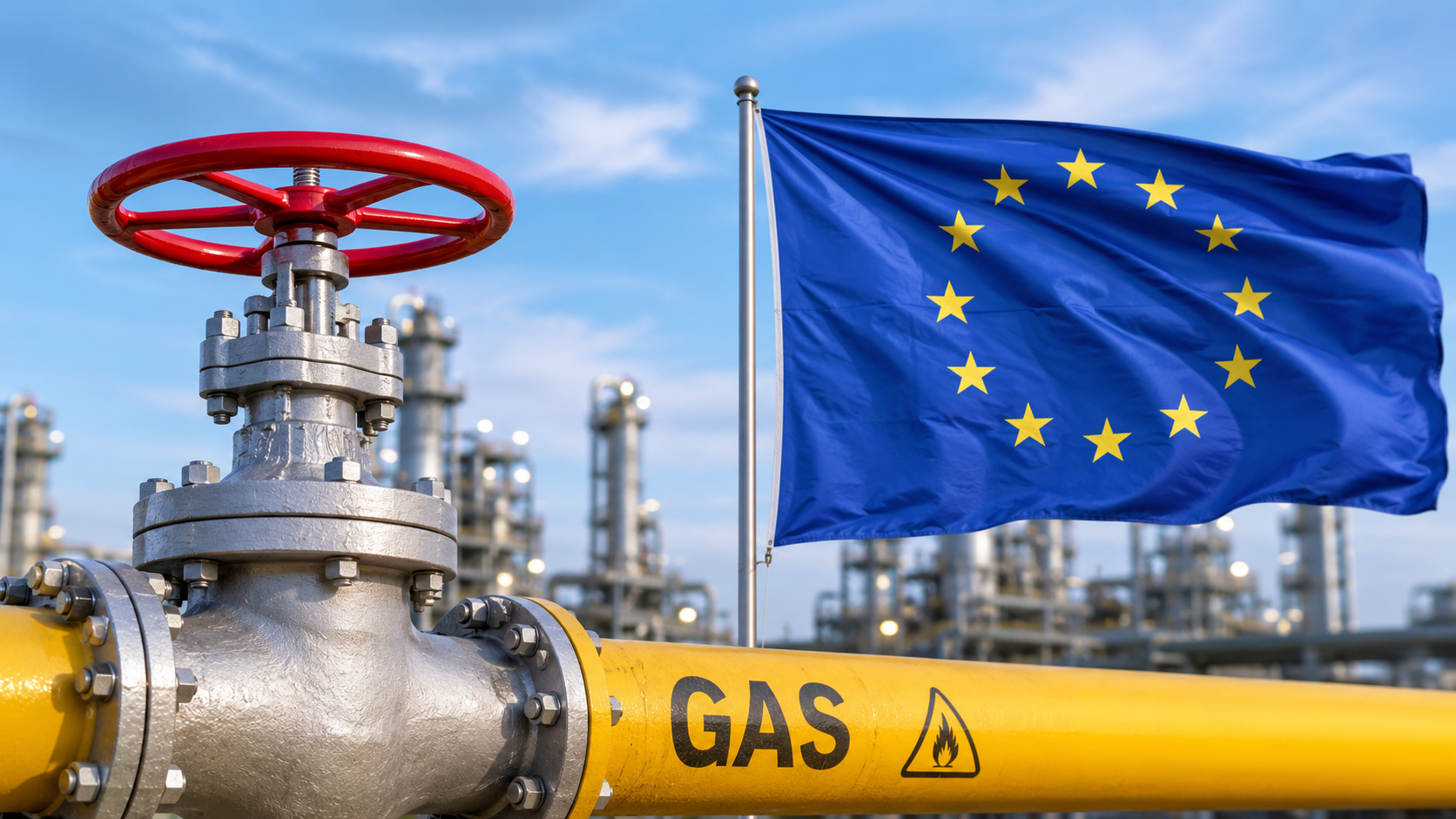
European natural gas prices have soared 234% in 2026, prompting warnings of €715 winter bills for typical households.

ECB survey finds euro area firms face higher loan costs and less credit availability, threatening investment and economic momentum.

WindEurope expects €17.3 billion invested in new wind projects through September 2026 to finance 9.8 GW of capacity. Guy Brindley, Head of Market Intelligence at WindEurope, tells EUBizNews that investor appetite and supply-chain capabilities remain strong, while grids, permitting and auction design increasingly determine whether projects move from financing to construction.

Lithuania’s Tauragė will use €20 million from the European Investment Bank to expand sustainable transport and infrastructure as it targets climate neutrality by 2030.

Germany’s Bundesbank warns that inflation risks are tilted higher, a development that could reshape EU–Latin America trade flows and business costs.

August 2026 saw the euro area’s trade in goods deficit balloon to €16.1 billion, driven by rising imports and a reversal in the machinery and vehicles balance, according to Eurostat.

The European Union's IRIS² satellite constellation, featuring major German and Belgian industrial involvement, is set to strengthen Europe's defense autonomy and reduce reliance on foreign providers like Starlink.

Industrial production in the euro area fell by 0.5% in August 2026, with machinery and chemicals among the hardest-hit sectors, as Eurostat signals a deepening slowdown.