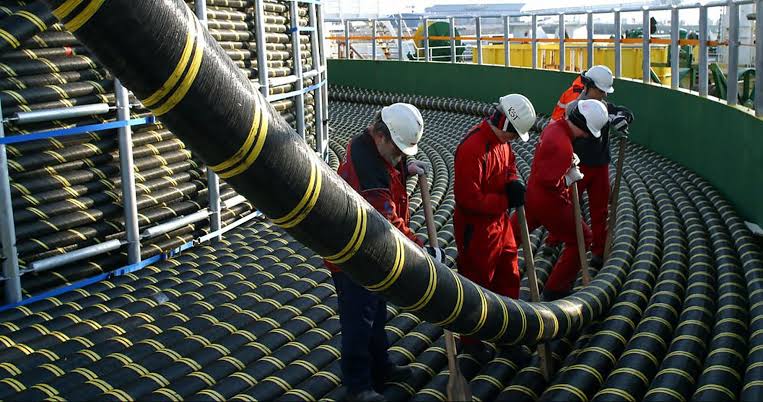

Brazil, Norway and the Netherlands Join Forces to Develop a Green Shipping Corridor
International Partnership Aims to Accelerate Maritime Decarbonization and Sustainable Trade Routes
Trade policies, regulations, and government decisions

International Partnership Aims to Accelerate Maritime Decarbonization and Sustainable Trade Routes

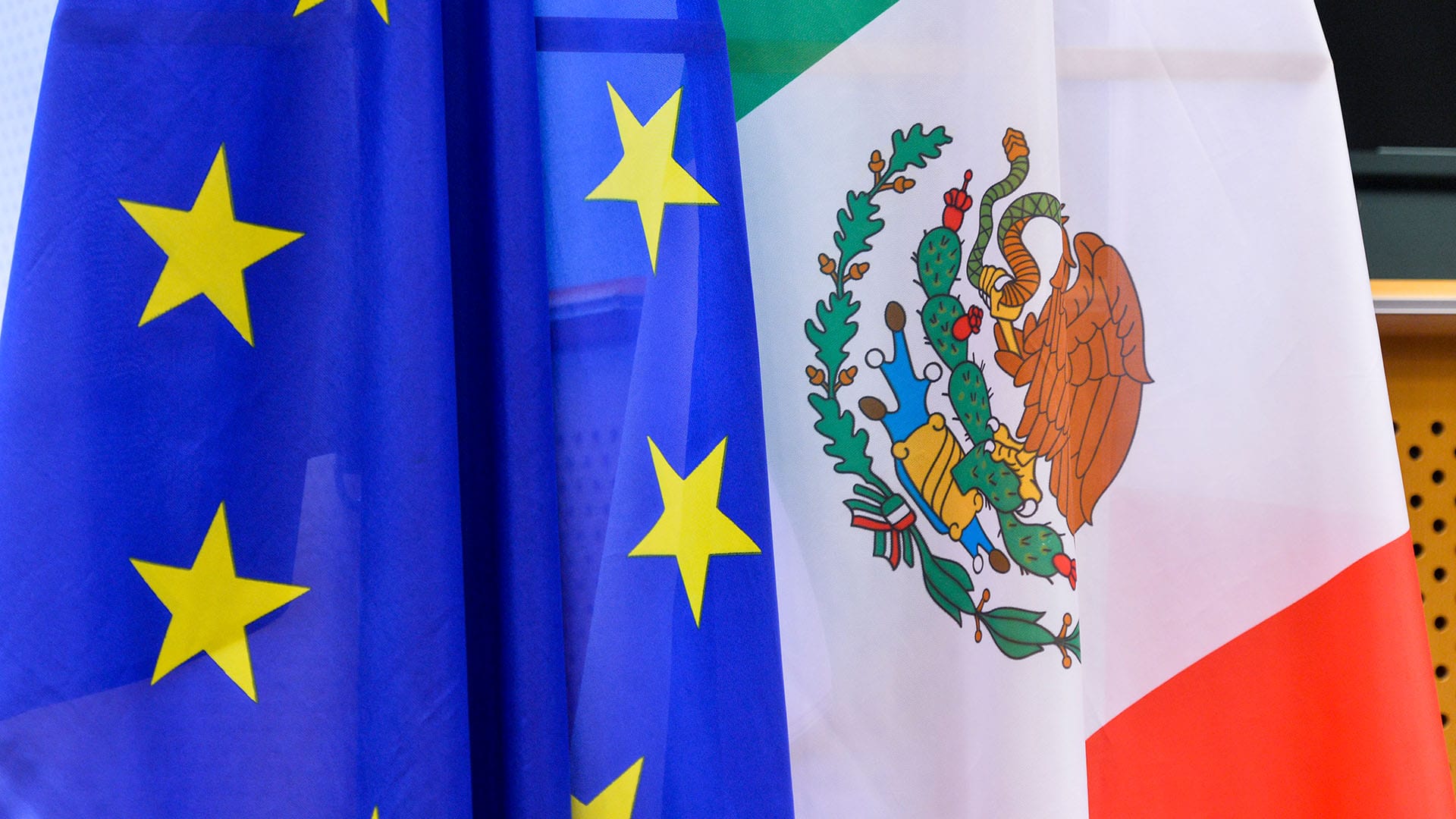
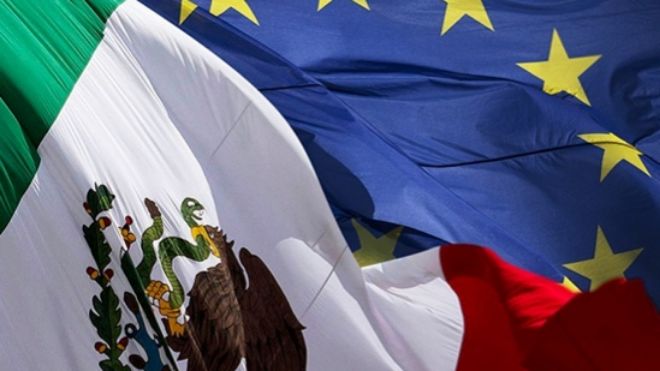
The updated agreement strengthens economic ties between Europe and Mexico as both sides seek greater trade diversification and long-term strategic cooperation.

The updated agreement introduces a new mechanism for investor–state disputes, reinforcing trade, investment and regulatory cooperation between Europe and Mexico.

Mexico is deepening its commercial relationship with the European Union as companies and policymakers seek alternatives to potential tariff risks linked to future U.S. trade policy shifts.

Madrid reinforces its commitment to deepening relations with the Dominican Republic, underscoring investment, trade and cooperation as key pillars in Spain’s engagement with Latin America and the Caribbean.

The European Parliament backed a ban on Brazilian meat imports over food safety concerns, adding new tension to EU–Mercosur trade relations just days after the agreement entered provisional application.

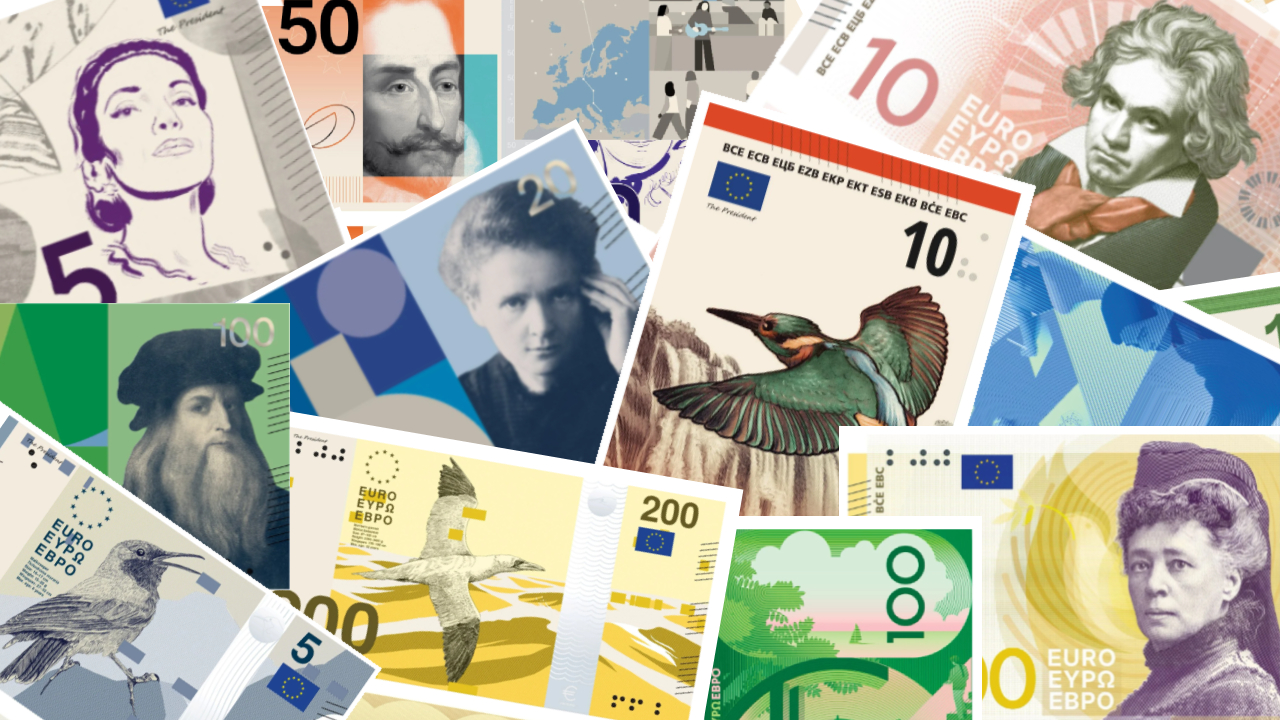
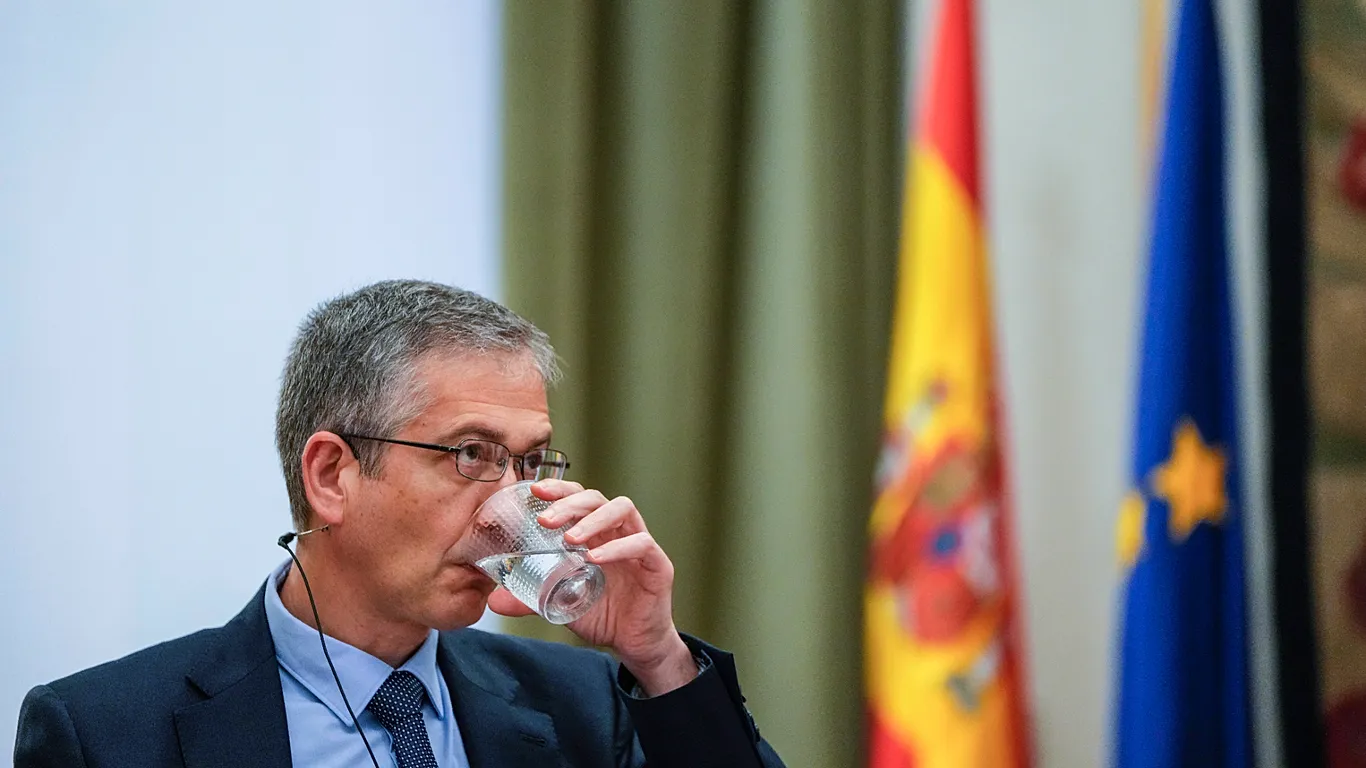
Christine Lagarde warned that euro stablecoins could weaken monetary policy and financial stability, arguing that Europe should build its own digital financial infrastructure instead of following the US model.

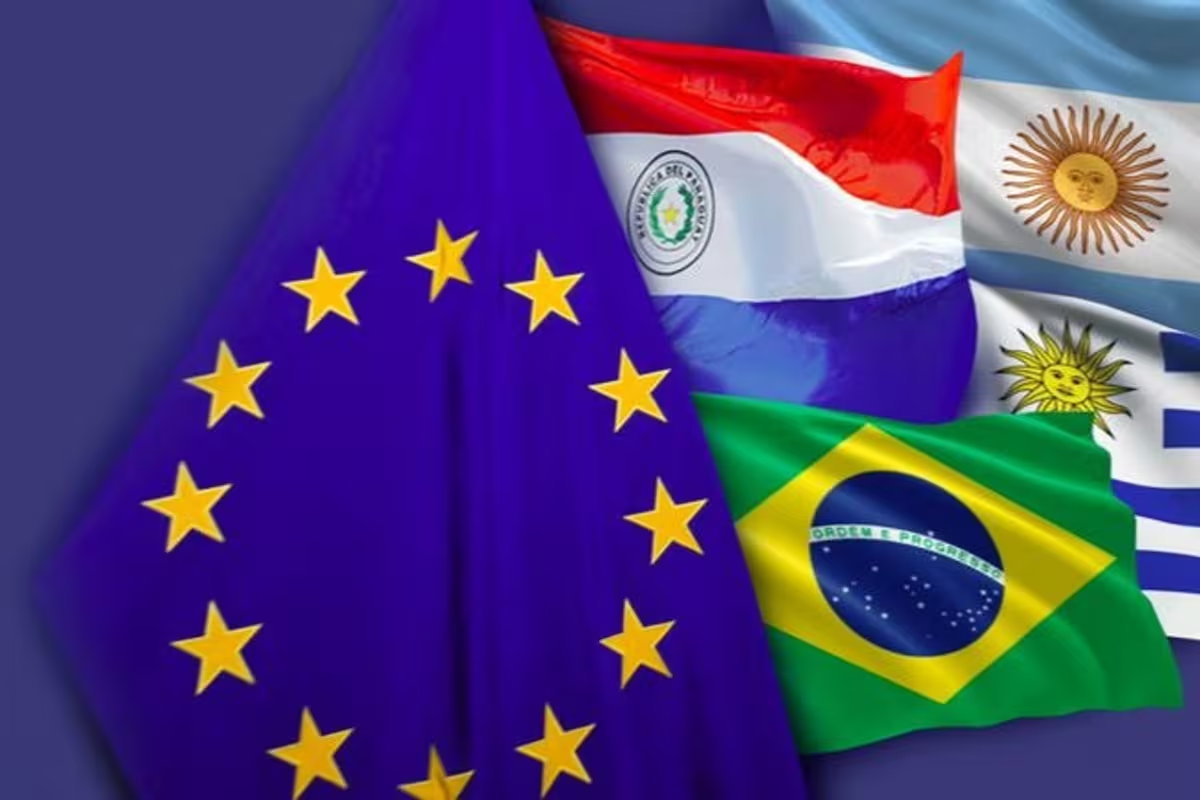
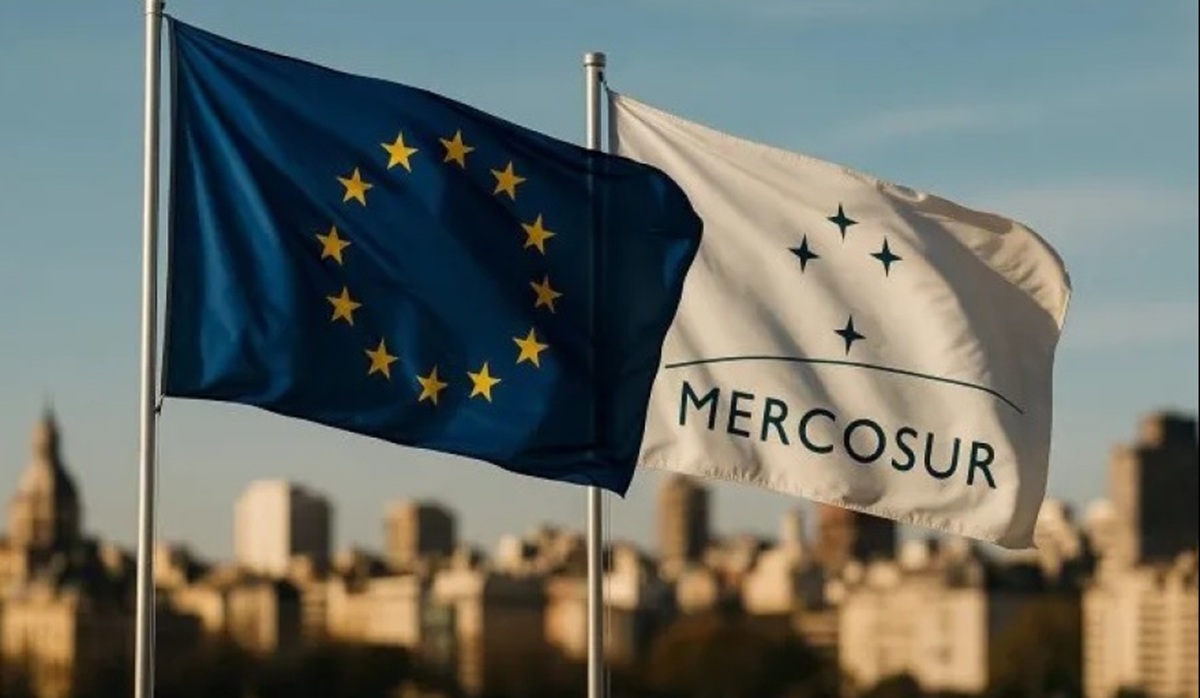
The European Union will begin applying the Mercosur trade agreement provisionally from May 1, aiming to support exporters, diversify supply chains and strengthen ties with South America amid rising US trade pressure.

The European Union and Mercosur have started provisional application of their long-awaited trade agreement, creating one of the world’s largest commercial areas and reshaping business ties between Europe and South America.

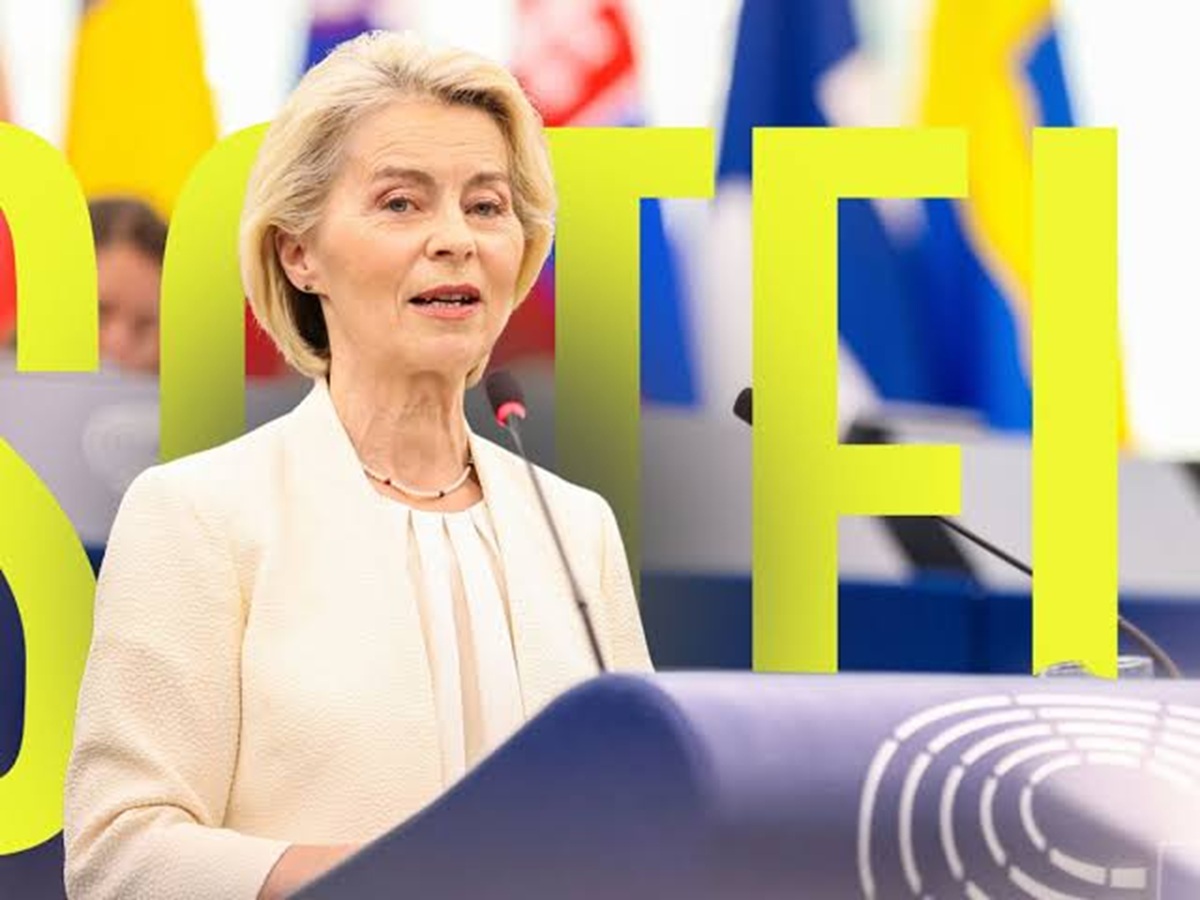
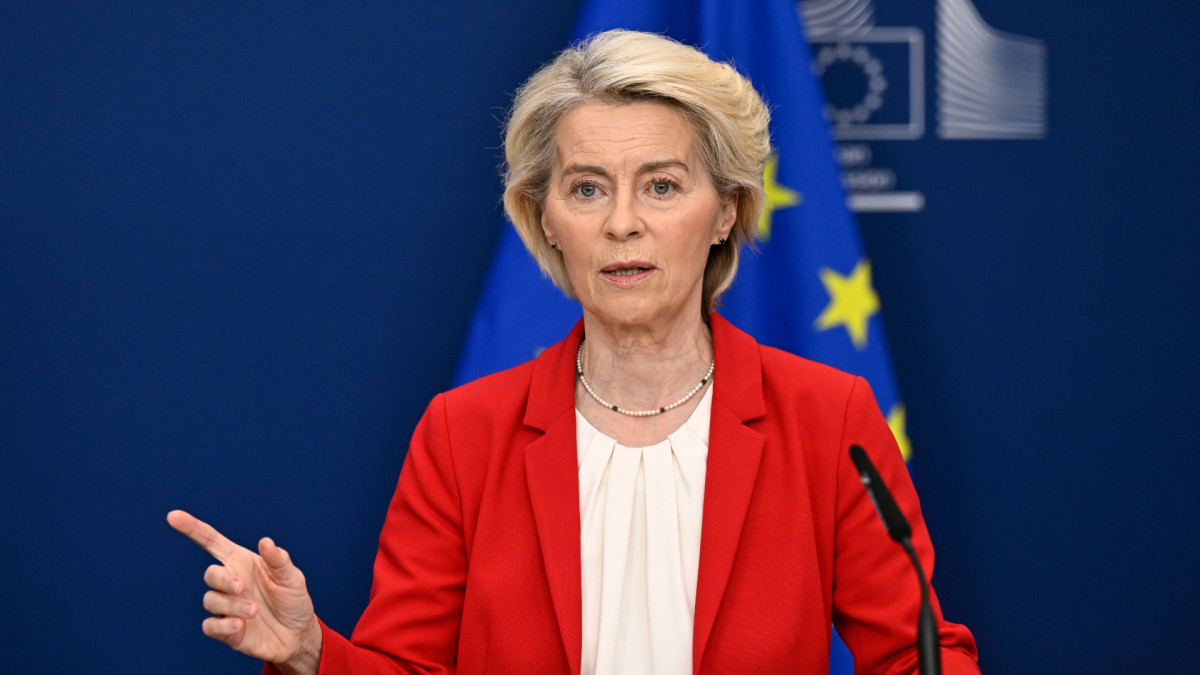
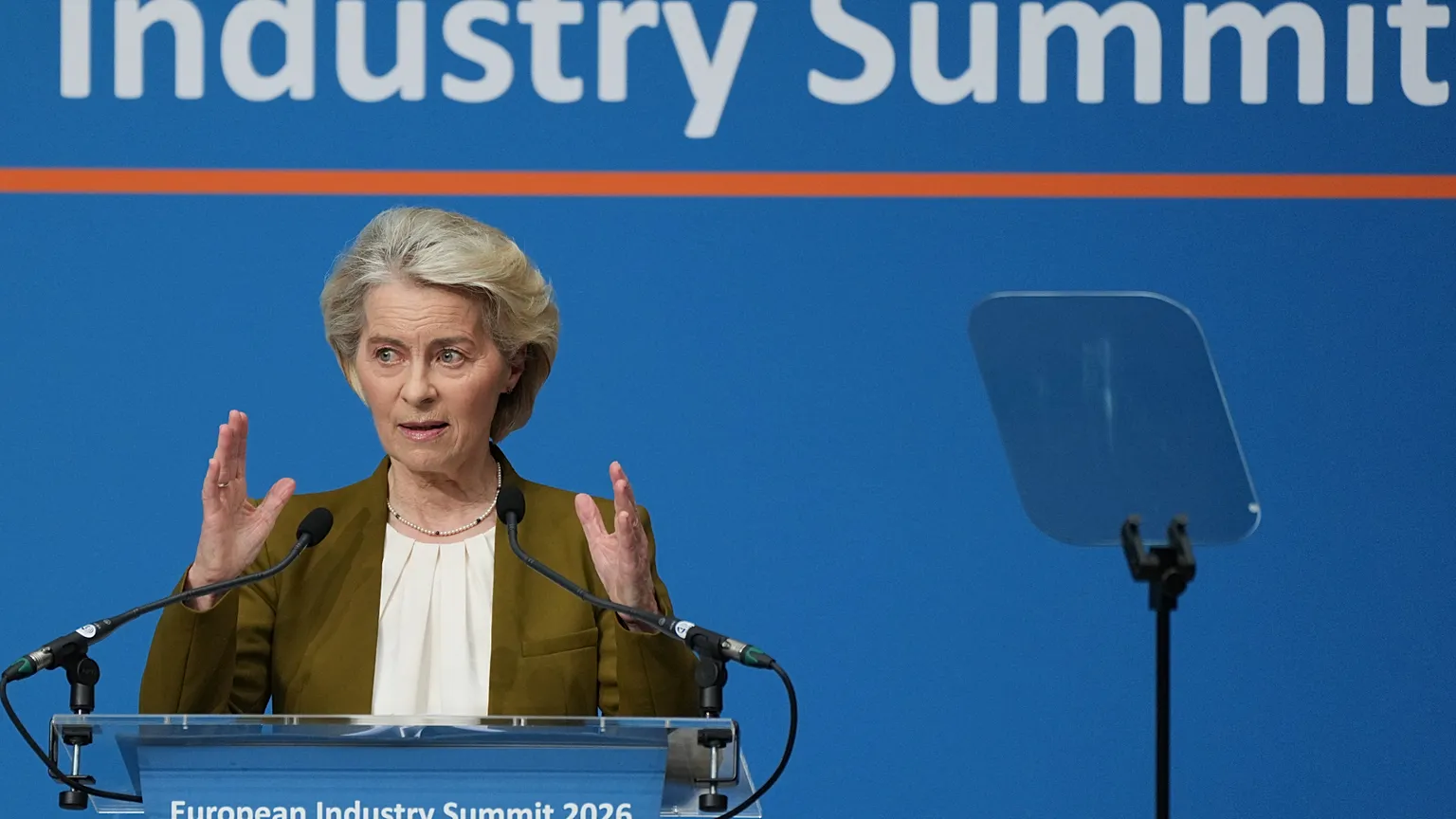
The European Commission president is placing competitiveness, energy security and regulatory simplification at the center of the EU agenda, with trade agreements such as Mercosur and Mexico framed as tools to reduce external dependencies.

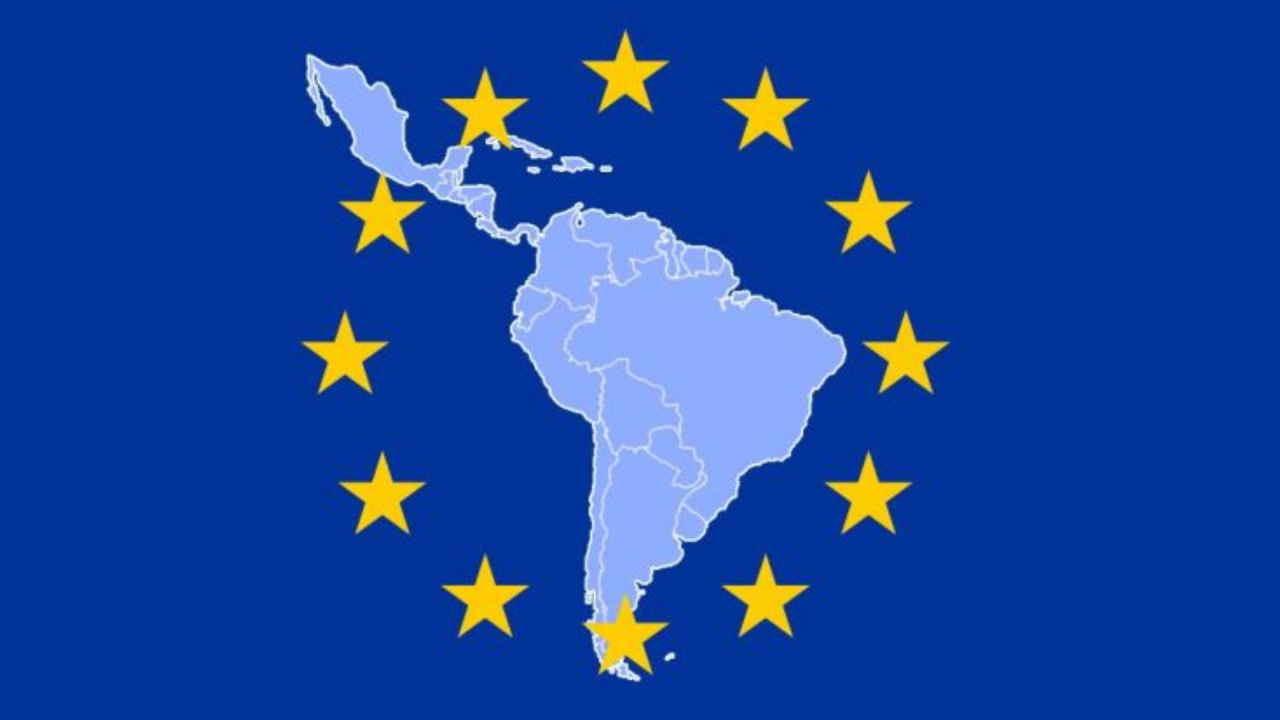
Regional leaders are calling for deeper engagement with the European Union as Latin America looks to balance global power dynamics and expand strategic partnerships.

A series of European Union food safety alerts on Argentine agricultural products is increasing pressure on exporters and highlighting the growing impact of regulation on global agri-trade.

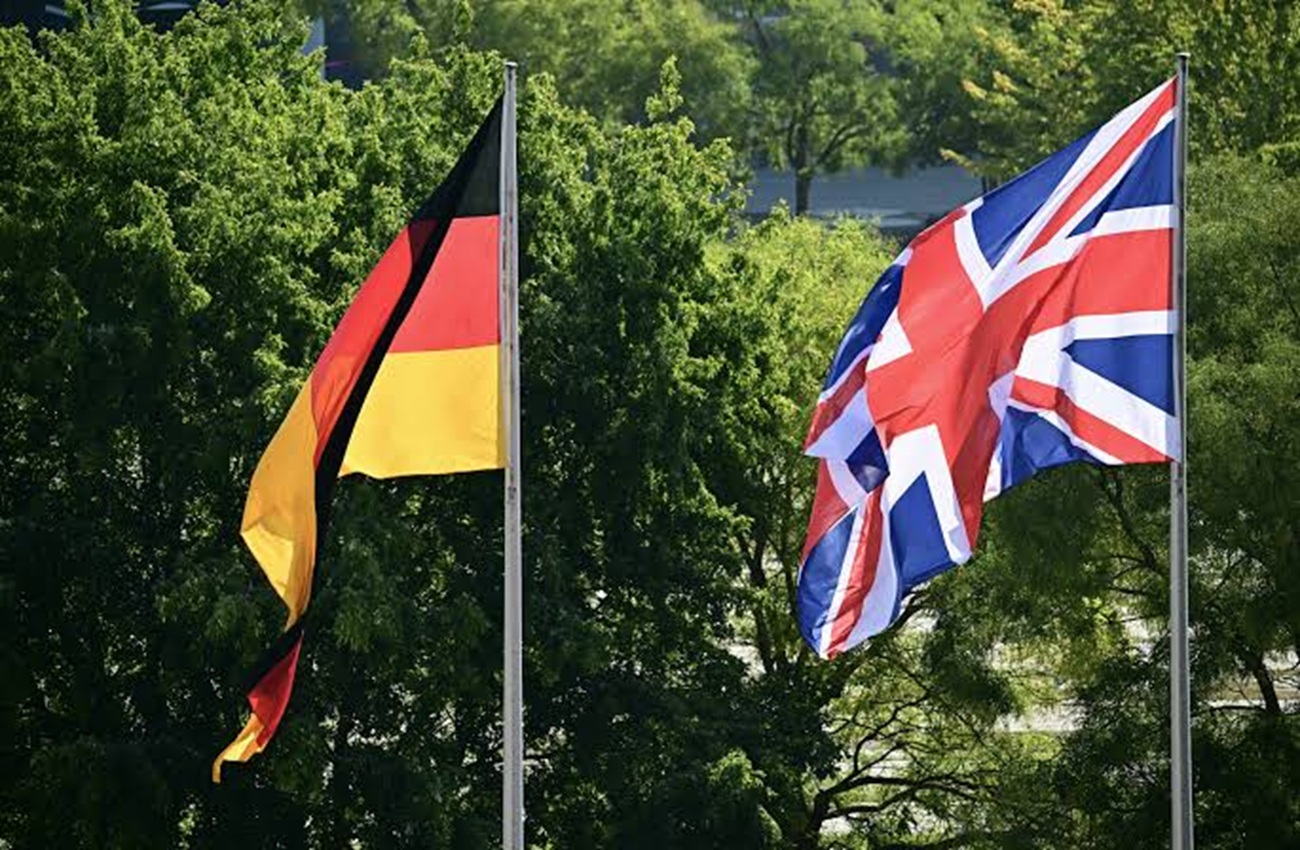
A new agreement will bring the Erasmus student exchange programme back to the UK, reconnecting British universities with the European Union and strengthening long-term talent and business links.

The anniversary of the treaty that laid the foundations of the European Union highlights how economic integration, trade, and regulation have evolved into a global business platform with growing links to Latin America.

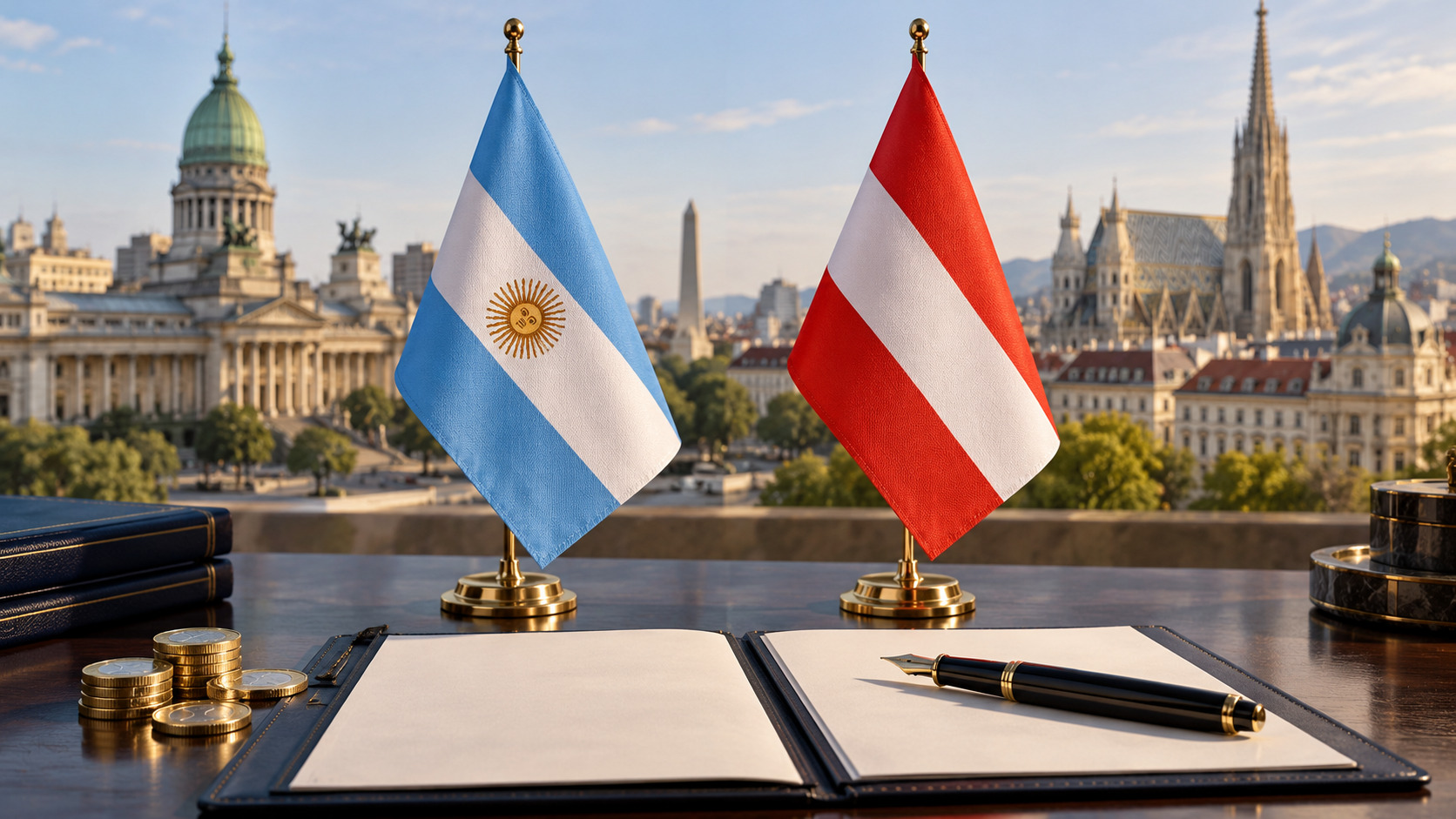
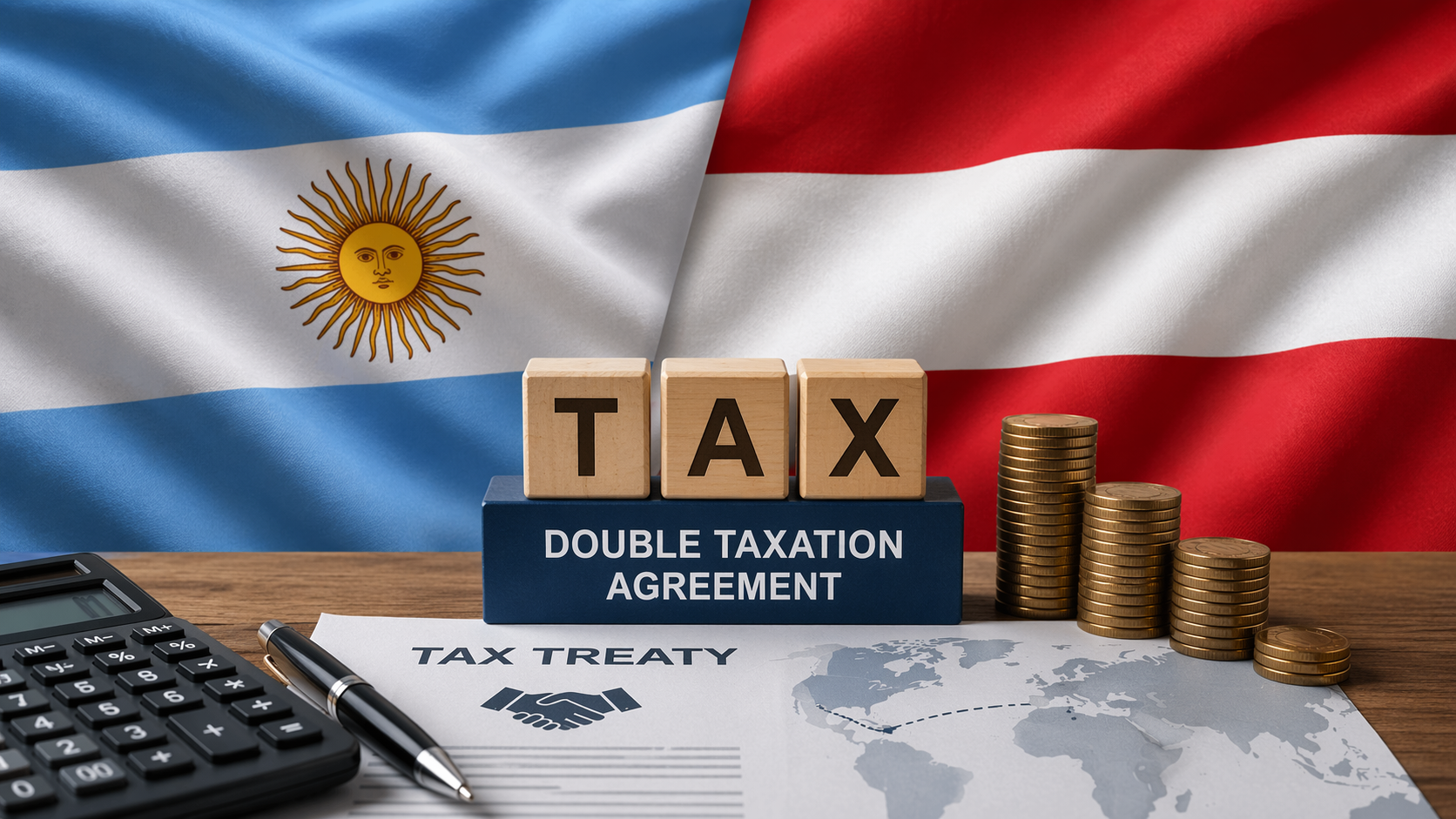
The new agreement eliminates double taxation between Argentina and Austria, aiming to facilitate investment flows, reduce fiscal barriers, and strengthen economic ties between Europe and Latin America.

The European Commission is preparing a major overhaul of merger control rules to enable the creation of larger companies capable of competing with U.S. and Chinese giants.

The EU’s new Entry/Exit System (EES) is now fully operational across the Schengen Area, introducing biometric controls and digital tracking that will reshape how Latin American executives travel to Europe.

According to international reports, the agreement between the two blocs could enter provisional force on May 1, 2026. The move would mark a major milestone in bi-regional integration, even as political resistance persists in parts of Europe.

As the EU moves toward provisional implementation of its Mercosur trade deal, agribusiness players face immediate tariff cuts, regulatory shifts, and a reshaping of transatlantic supply chains.

A new analysis argues that the EU–Mercosur agreement could help Europe diversify its access to critical minerals and reduce its dependence on China-dominated processing chains. The deal’s provisional application from May 2026 is sharpening its strategic relevance beyond trade.

The European Commission’s proposal for a unified corporate regime could reduce fragmentation across the EU and create a faster launchpad for startups and scale-ups expanding into Latin America.