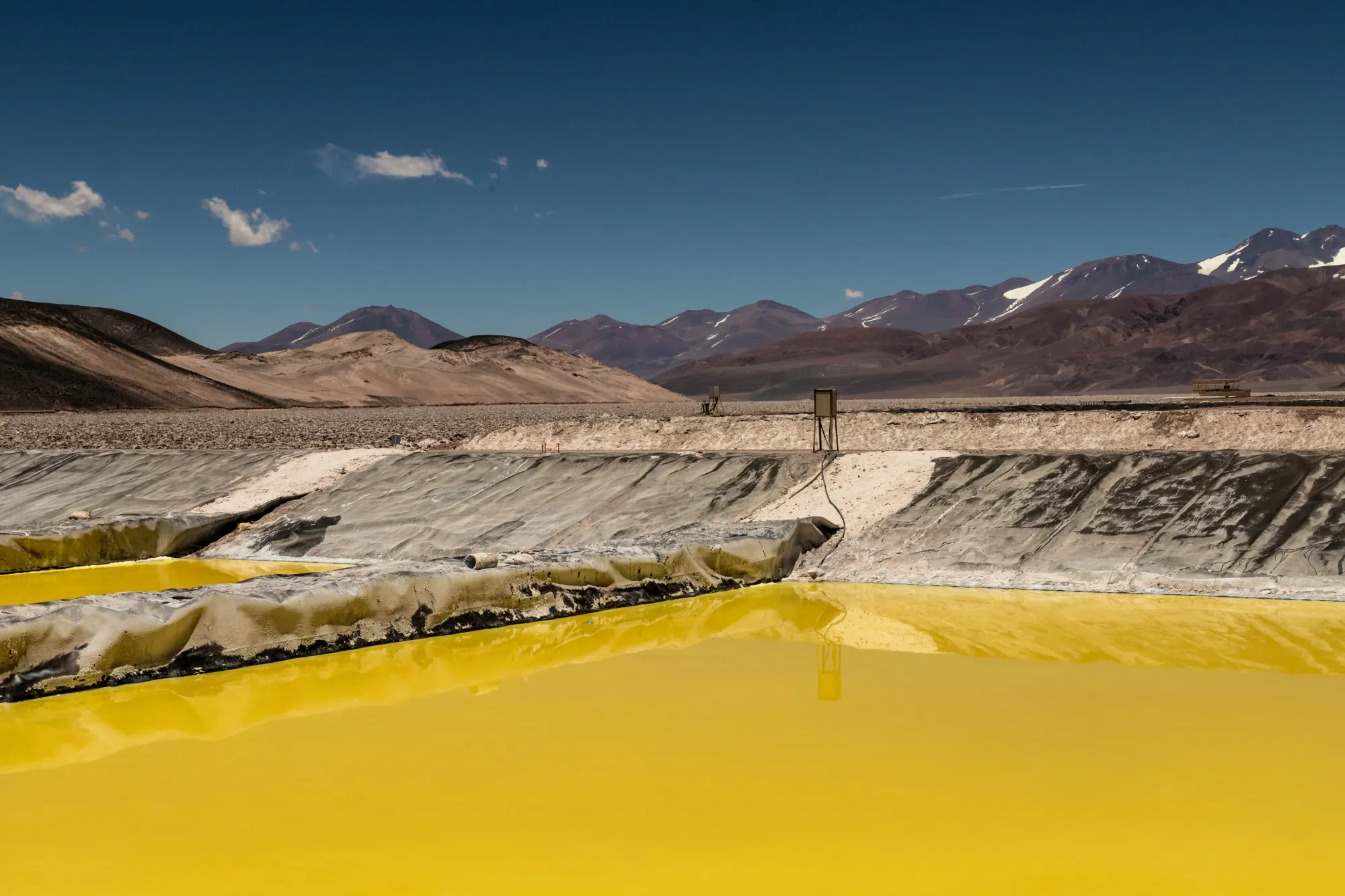
Argentina set to surpass Chile as South America's top lithium producer by 2035
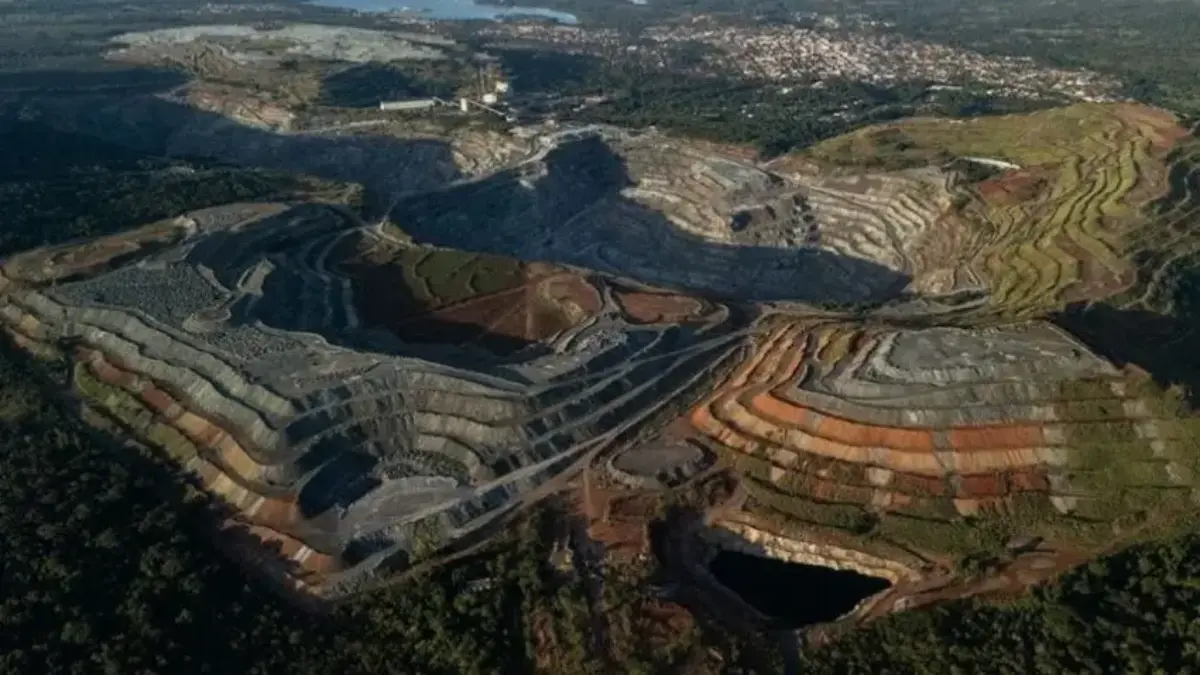
Argentina could overtake Chile in lithium output by 2035, driven by a €2.7 billion project, reshaping global supply dynamics amid rising demand.
Coverage of Latin American economies and markets

Argentina could overtake Chile in lithium output by 2035, driven by a €2.7 billion project, reshaping global supply dynamics amid rising demand.

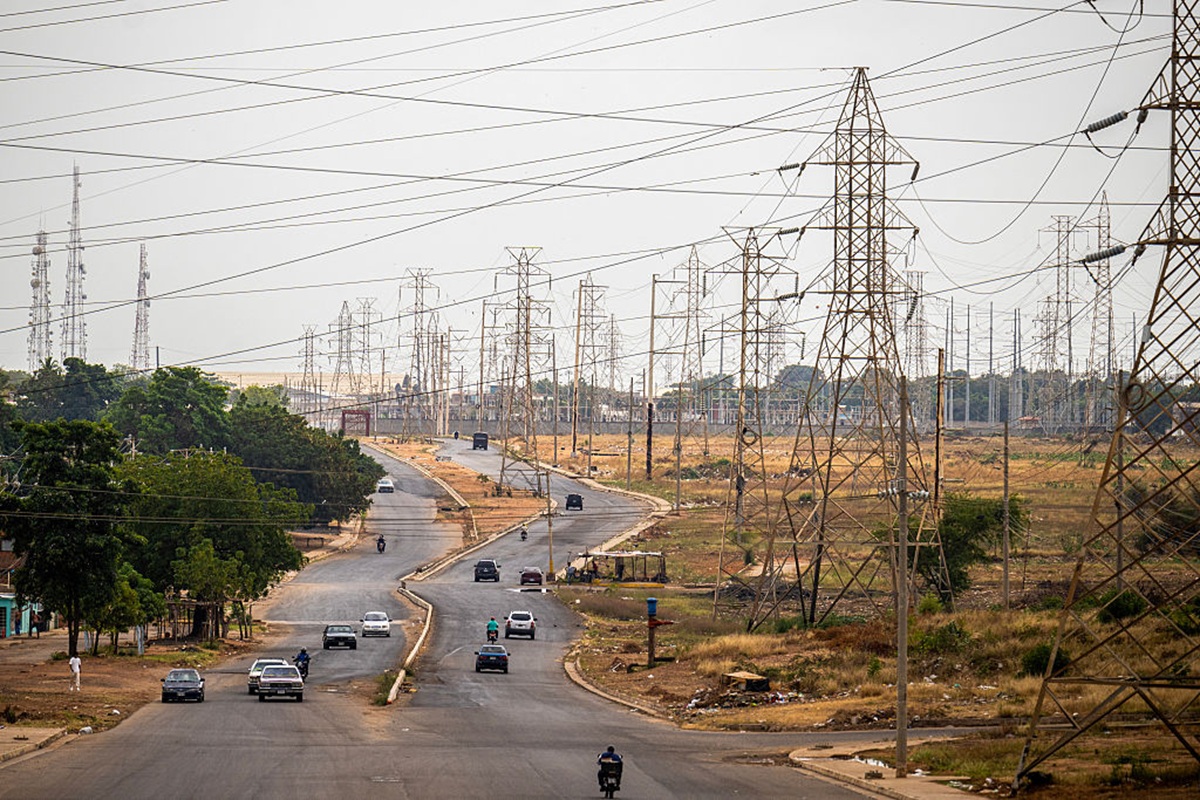
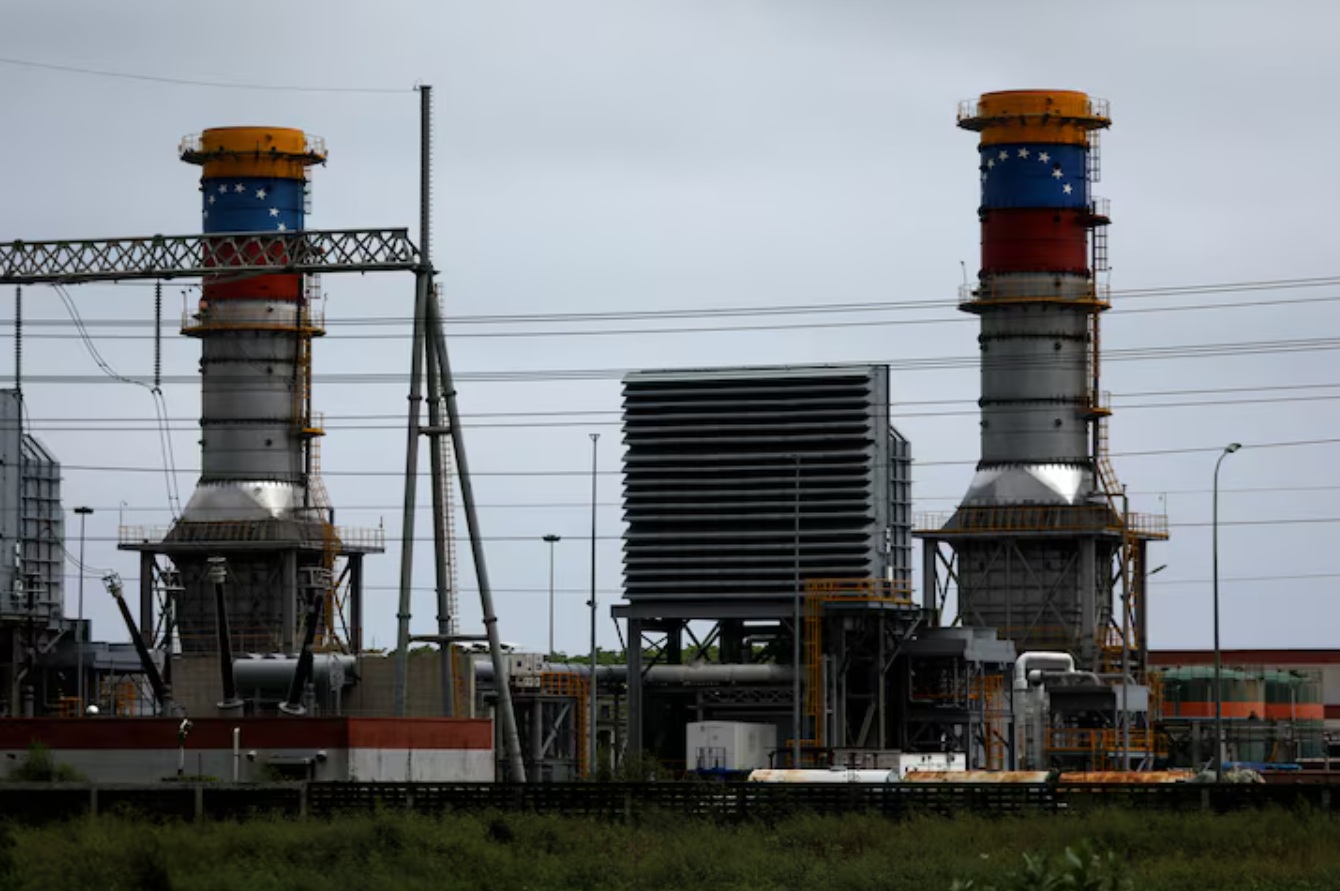
Venezuela has ended its 19-year electricity monopoly, enabling private investment in power plants for oil fields as part of a broader strategy to tackle energy shortages and revive oil output.

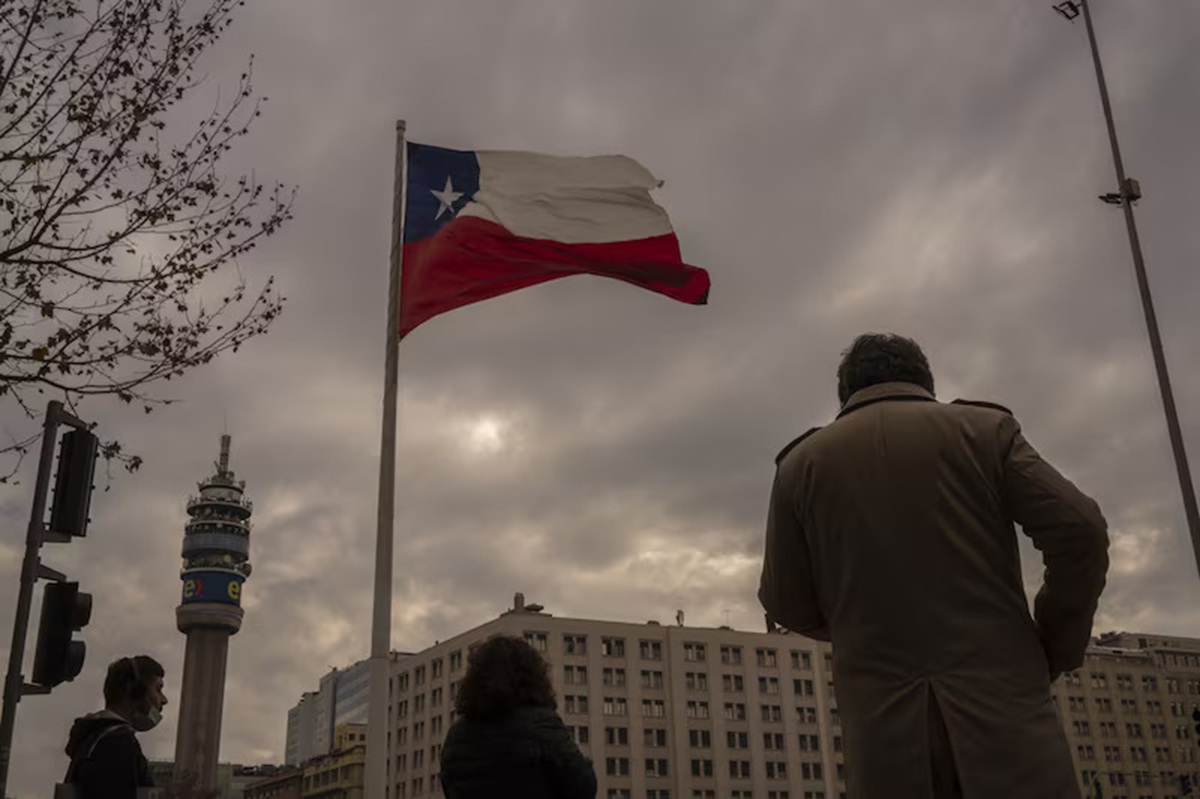
Chile's Finance Minister Jorge Quiroz says the current recession will be short-lived, emphasizing expectations of a prompt rebound in economic activity.

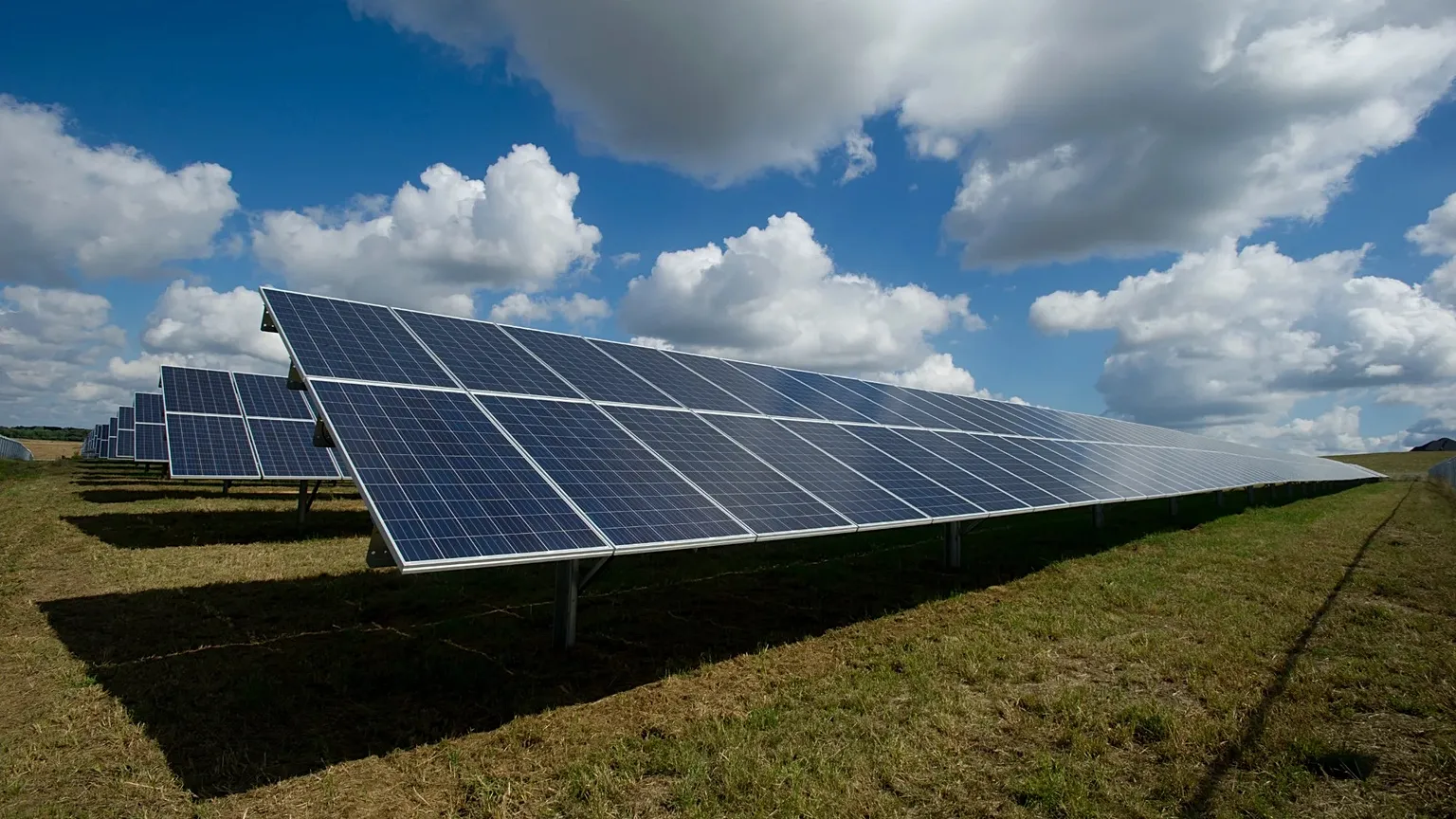
Spanish firm Solaria will build a 350 MW solar plant in Florida, Uruguay, as part of a €5.1bn investment to boost renewable energy and data center capacity.

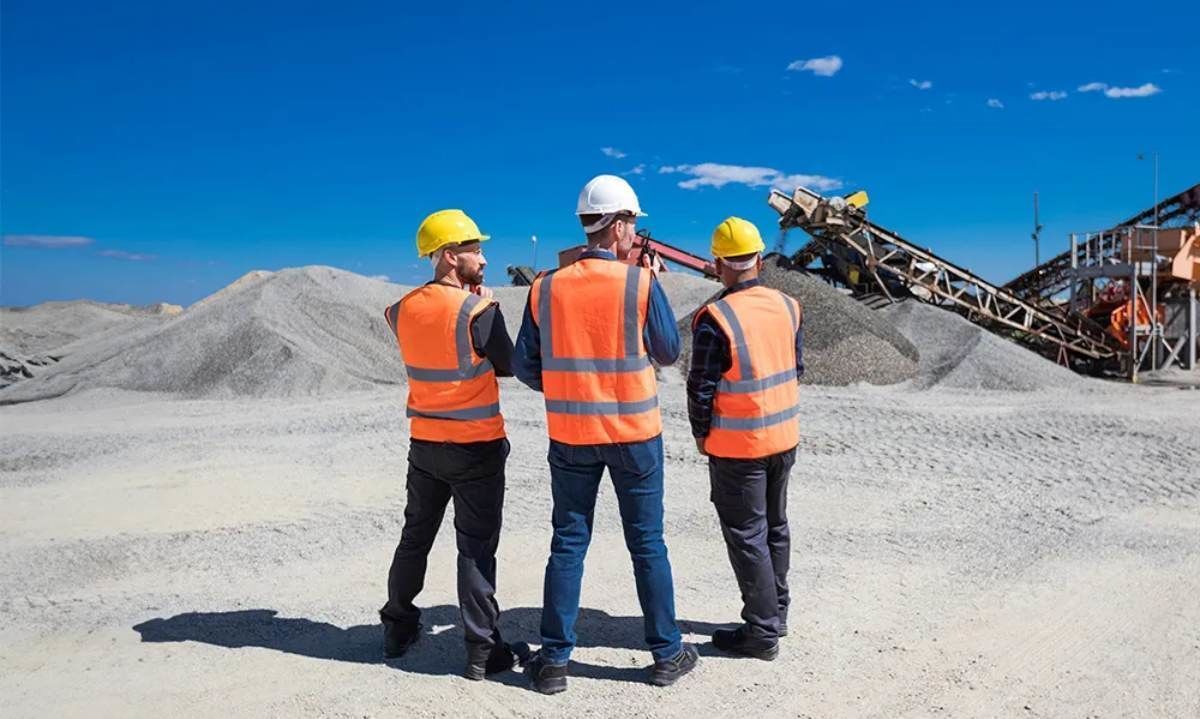
Brazil's move to designate 27 critical minerals aims to boost local processing, attract investment and strengthen its role in global supply chains.

Banana farmers across Latin America face declining yields and exports as the super El Niño intensifies climate-related challenges, sparking calls for fairer pay.

Democratic control of the US Congress introduces fresh uncertainty for Latin American sectors tied to Trump-era trade strategies, pushing investors to reconsider their positions.

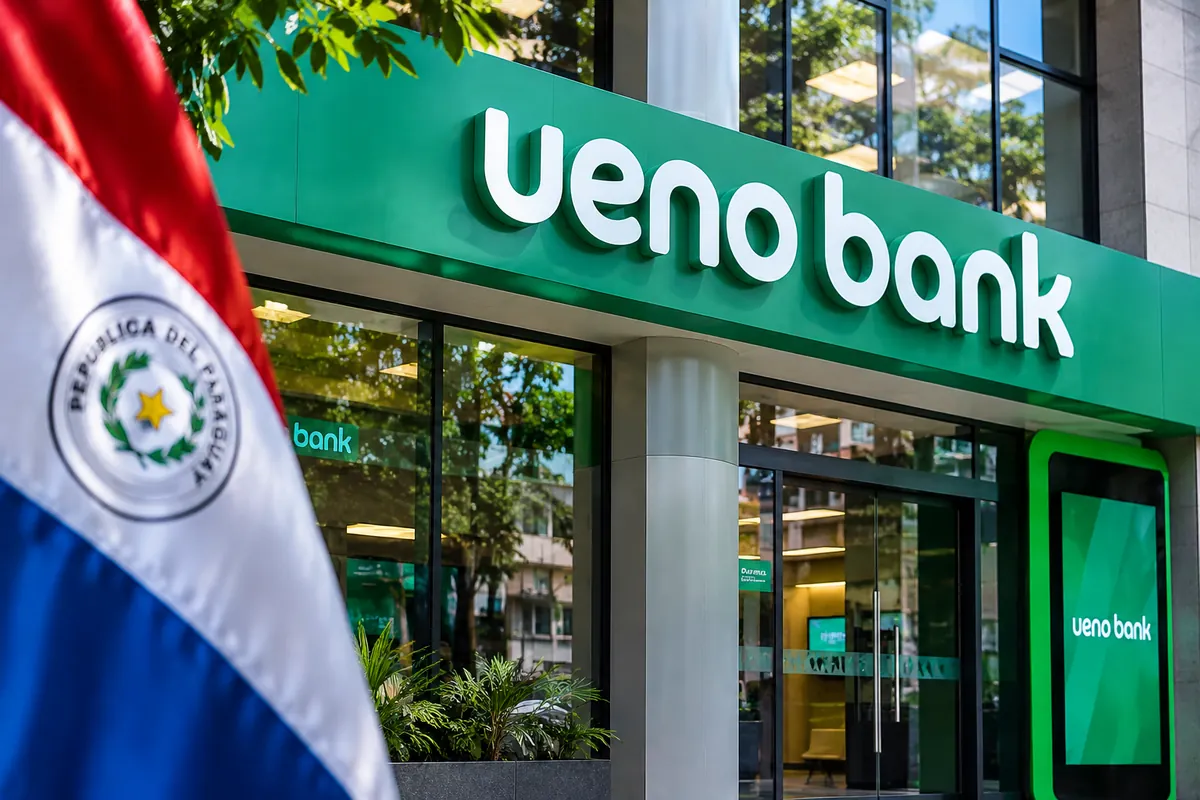
The collapse of a Latin American bank underscores vulnerabilities in the region's regulatory framework and threatens investor confidence.

Chile's annual inflation rate has reached its highest point in over a year, prompting concerns over consumer spending and possible interest rate hikes.

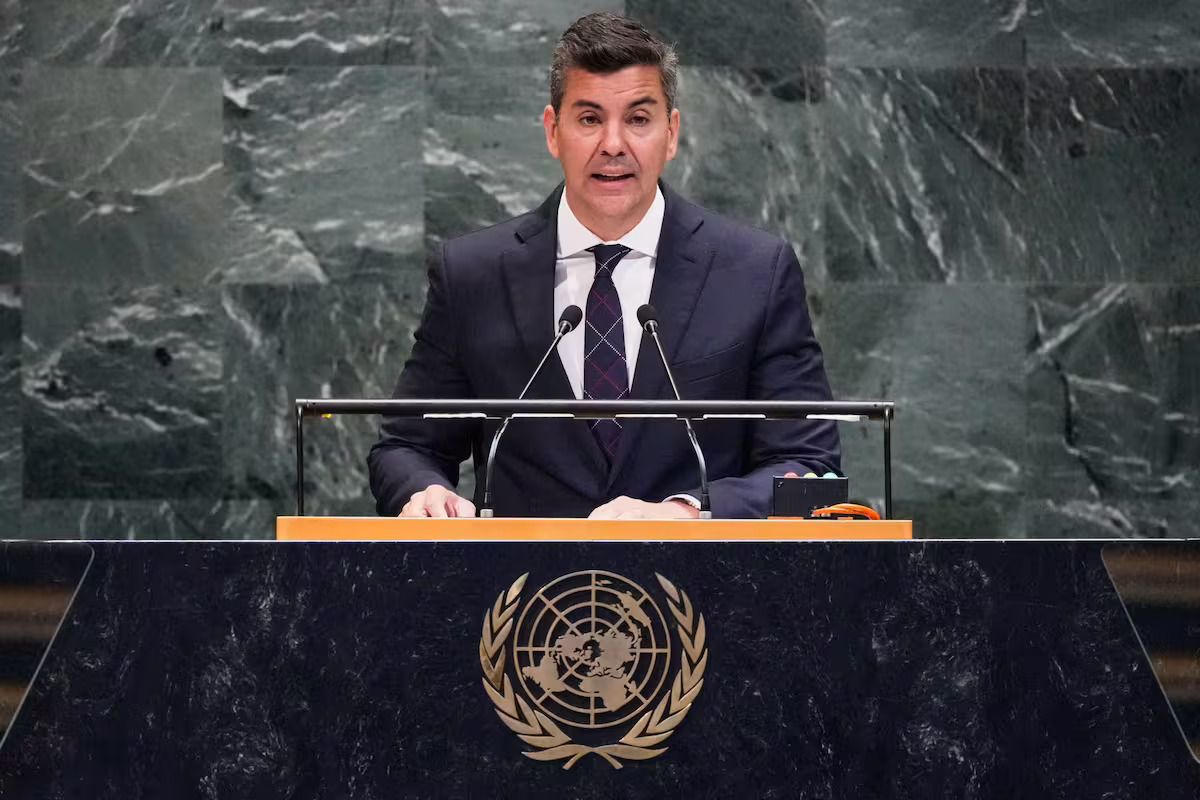
Paraguay’s president has stepped down following the collapse of a bank with close ties to his administration, intensifying scrutiny of the nation’s financial stability.

PROMPERÚ brought together 25 international buyers and 48 Peruvian coffee businesses in Cusco, generating more than 430 meetings and new commercial opportunities across Europe, the Americas and Asia.

Benetton’s €800 million sale of 900,000 hectares to Adecoagro partners marks a major shift in Argentina’s agricultural sector amid evolving land laws.

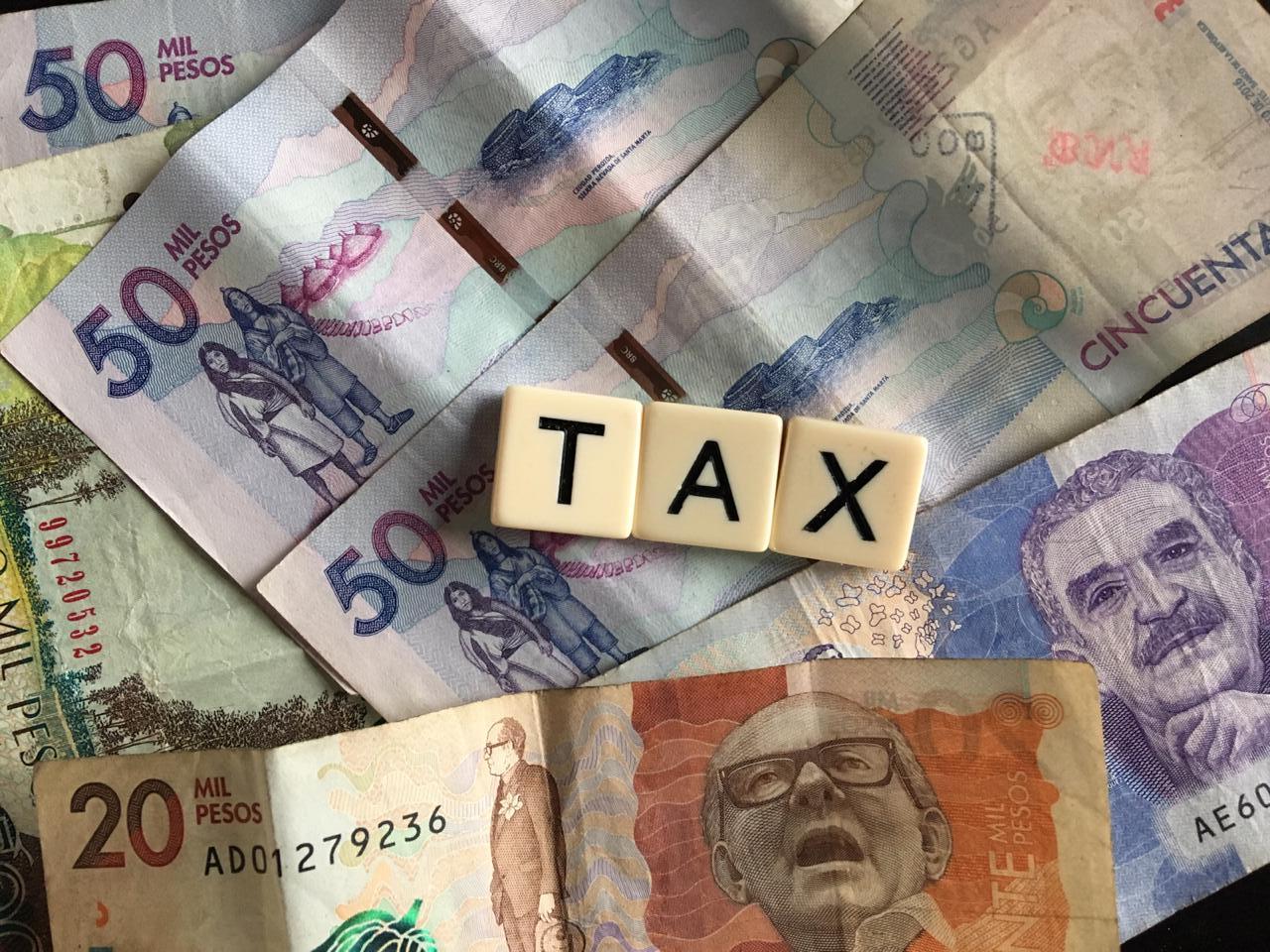
Colombia’s new fiscal bill aims to broaden the VAT base and cut spending, posing risks for consumer demand and business costs.

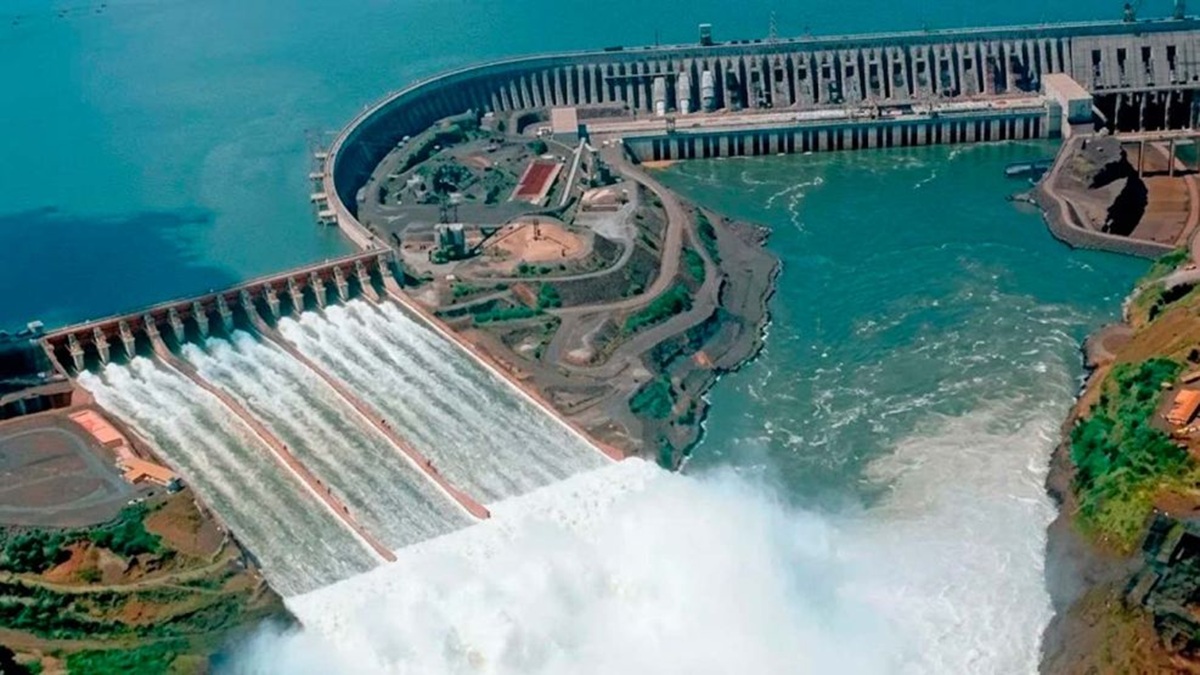
Itaipu’s study on adding up to 1 GW of solar could address Paraguay’s future energy gaps as hydropower risks falling short by 2029.

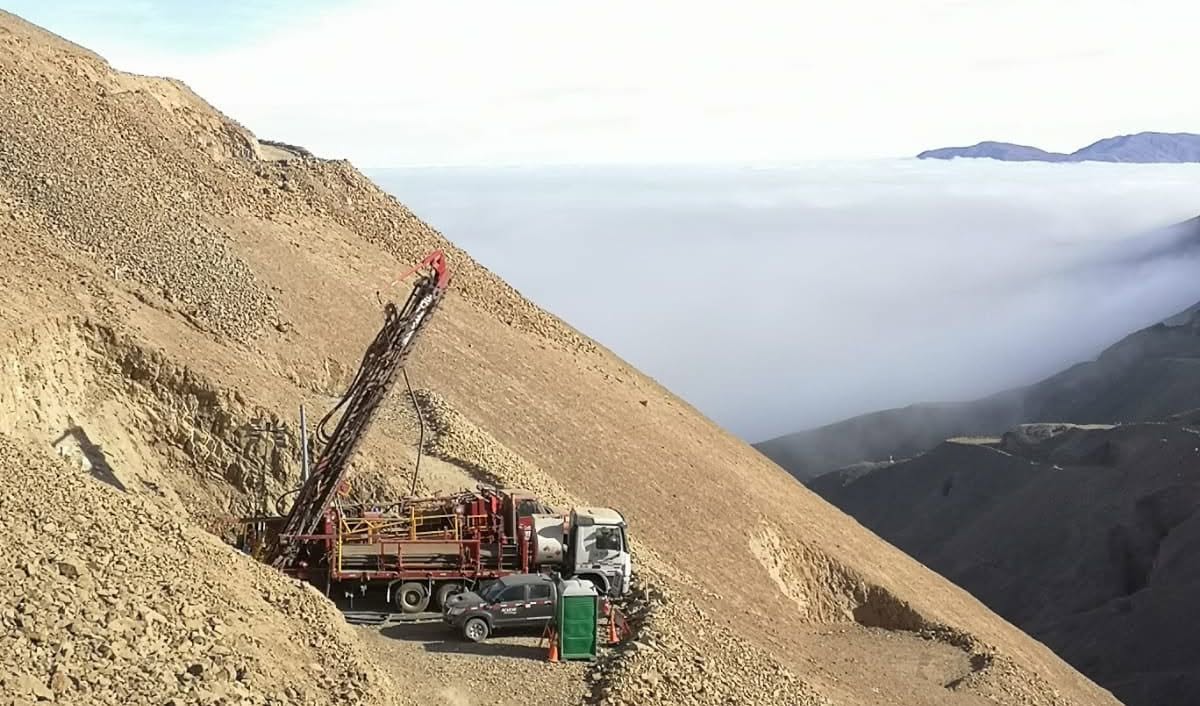
Codelco and BHP have committed €35.8 million to explore Chile's Anillo copper project, aiming to reinforce global mineral supply chains.

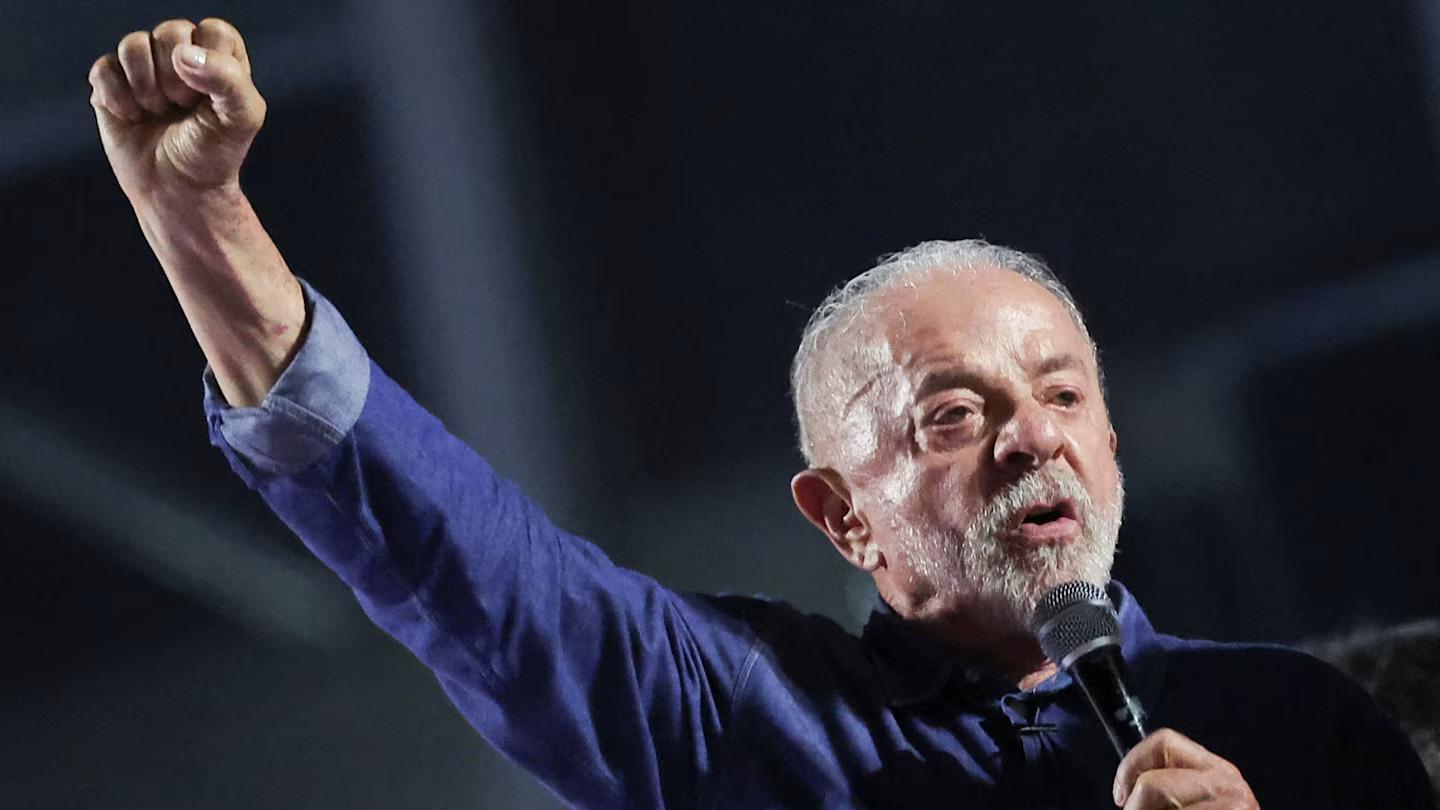
Luiz Inácio Lula da Silva's fourth-term victory and Bolsonaro's call to annul results signal major shifts for Brazil's markets and regional stability.

A Chinese engineering firm will help restart a major idle power plant in Venezuela, signaling deeper energy and investment ties between the two countries.

Halo Minerals has obtained a critical mining permit for its Playa Verde copper-gold project in Chile, enabling dredging operations and advancing the company toward a final investment decision.

More than 35 events will bring together startups, investors and technology companies in Argentina’s second-largest city, with Mexican venture capital firm Angel Ventures joining discussions on fundraising and international expansion.

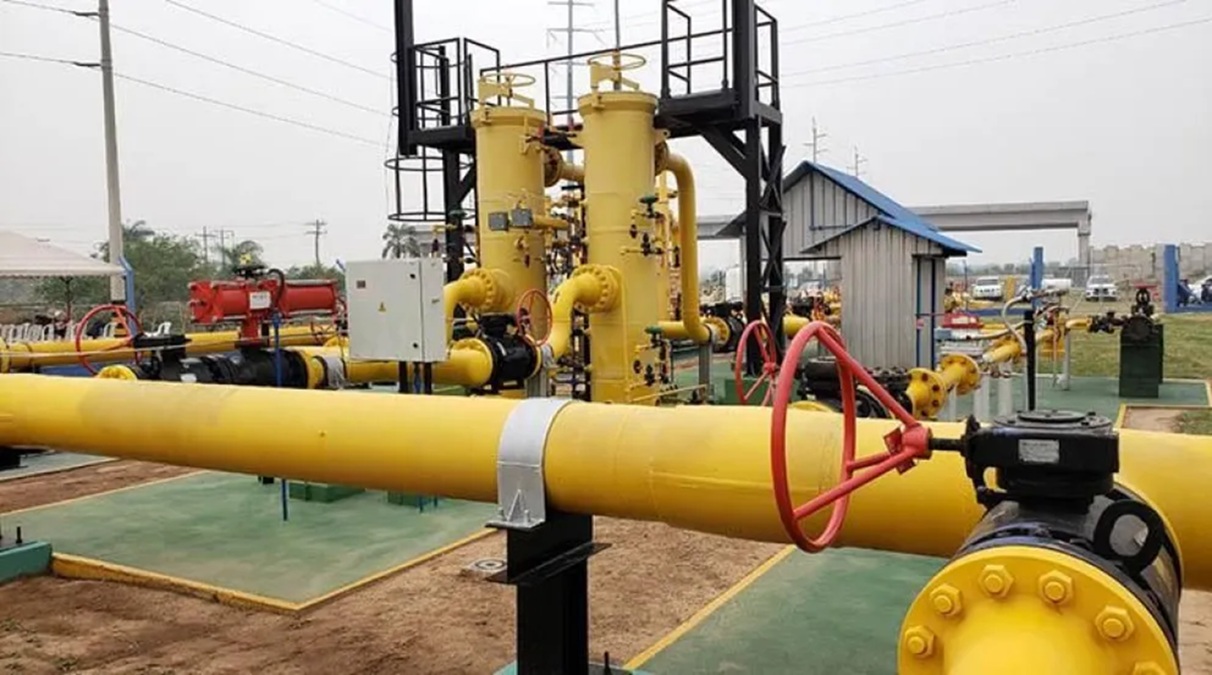
Bolivia’s dwindling natural gas reserves and IMF-imposed austerity are driving up living costs and stoking public discontent, raising risks of wider instability.

Mexican airlines can now expand flights to US cities after Washington ended restrictions on routes from Mexico City’s main airports, a move expected to spur tourism growth.

Oil at over $100 a barrel, surging borrowing costs, and El Niño threaten to reverse development gains, the UNDP warns ahead of key IMF-World Bank talks.

A study of Brazil’s expanding retail electricity market finds high payment delinquency and customer churn, raising concerns over consumer protection and the need for stricter regulatory oversight.

The World Bank has lowered its economic outlook for Chile, placing it among Latin America's weakest performers and raising concerns for investors and business confidence.

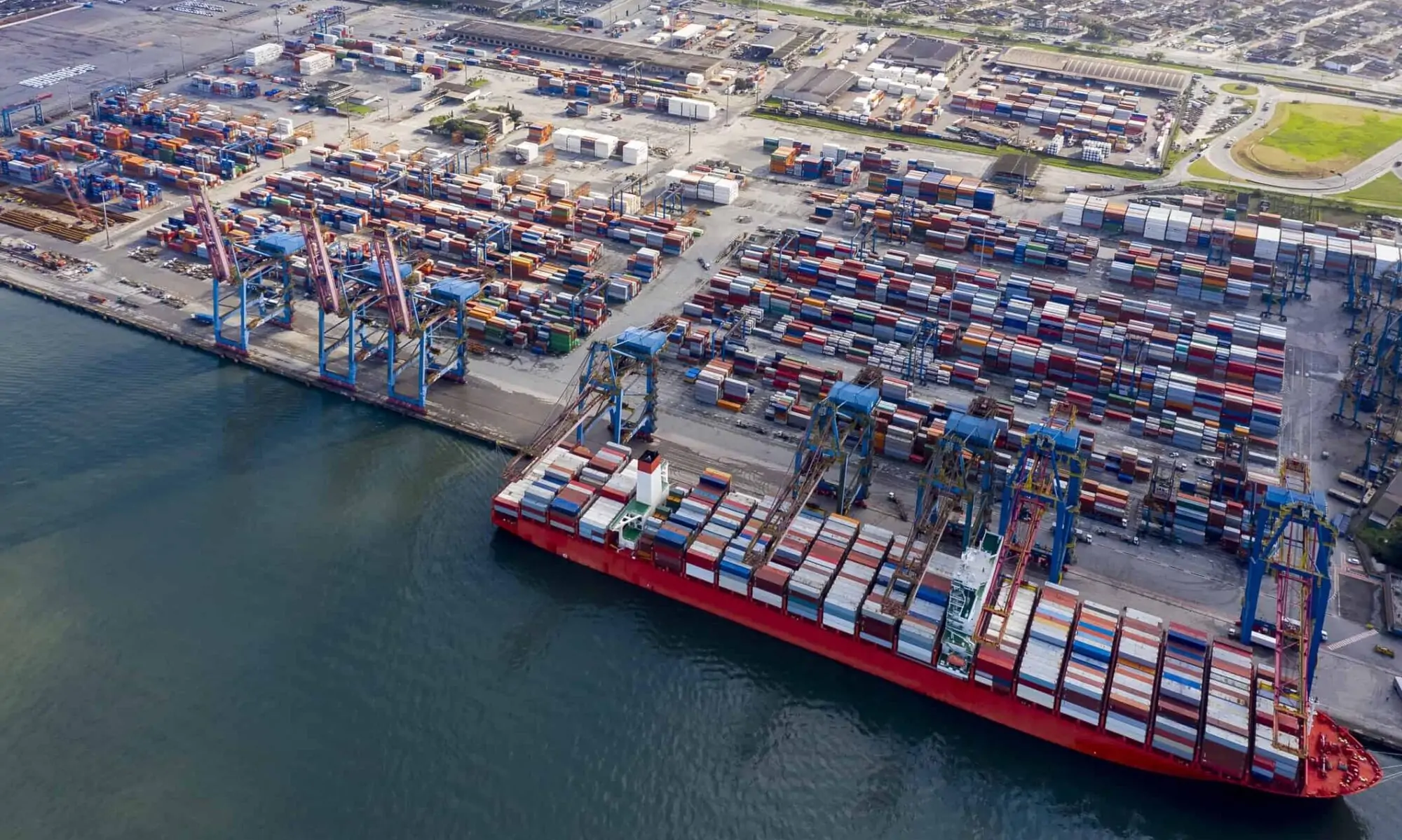
Brazil exported approximately €254.9 billion in goods between January and September, supported by rapidly expanding sales to India, Europe, Africa and other emerging destinations despite weaker trade with the United States and Argentina.

Brazil’s presidential election will be decided in a second round after high levels of voter rejection for both leading candidates, raising uncertainty for domestic policy and EU-Latin America relations.

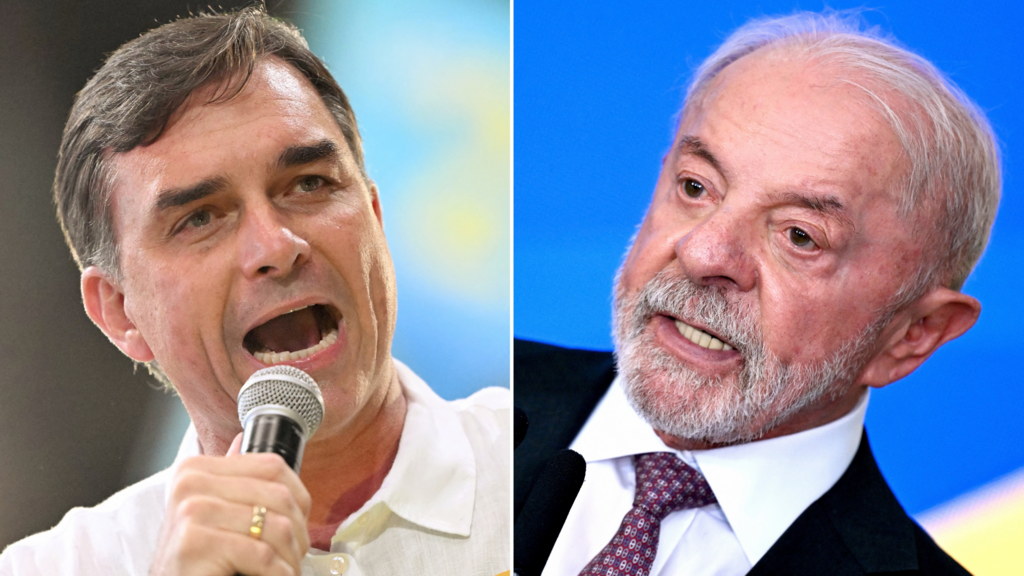
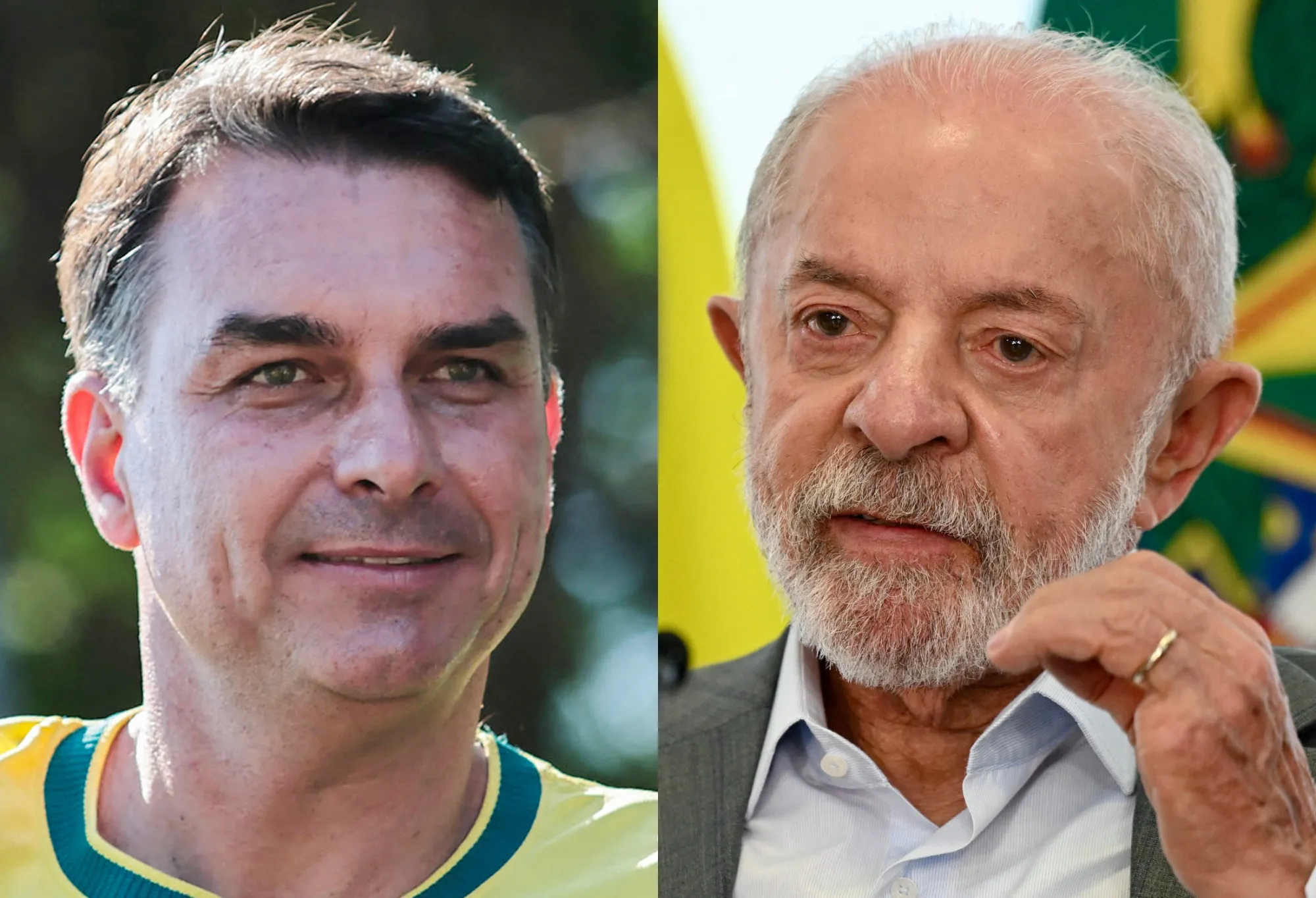
Flávio Bolsonaro secured 47.31% of valid votes against Luiz Inácio Lula da Silva’s 44.83%, leaving Brazil’s presidency to be decided on 25 October. The result opens three weeks of intense campaigning over economic management, public security, fiscal policy and the country’s international alignment.

High voter turnout could determine whether President Lula or Senator Flávio Bolsonaro secures a first-round win or if Brazil heads for a runoff, with major implications for EU trade ties.

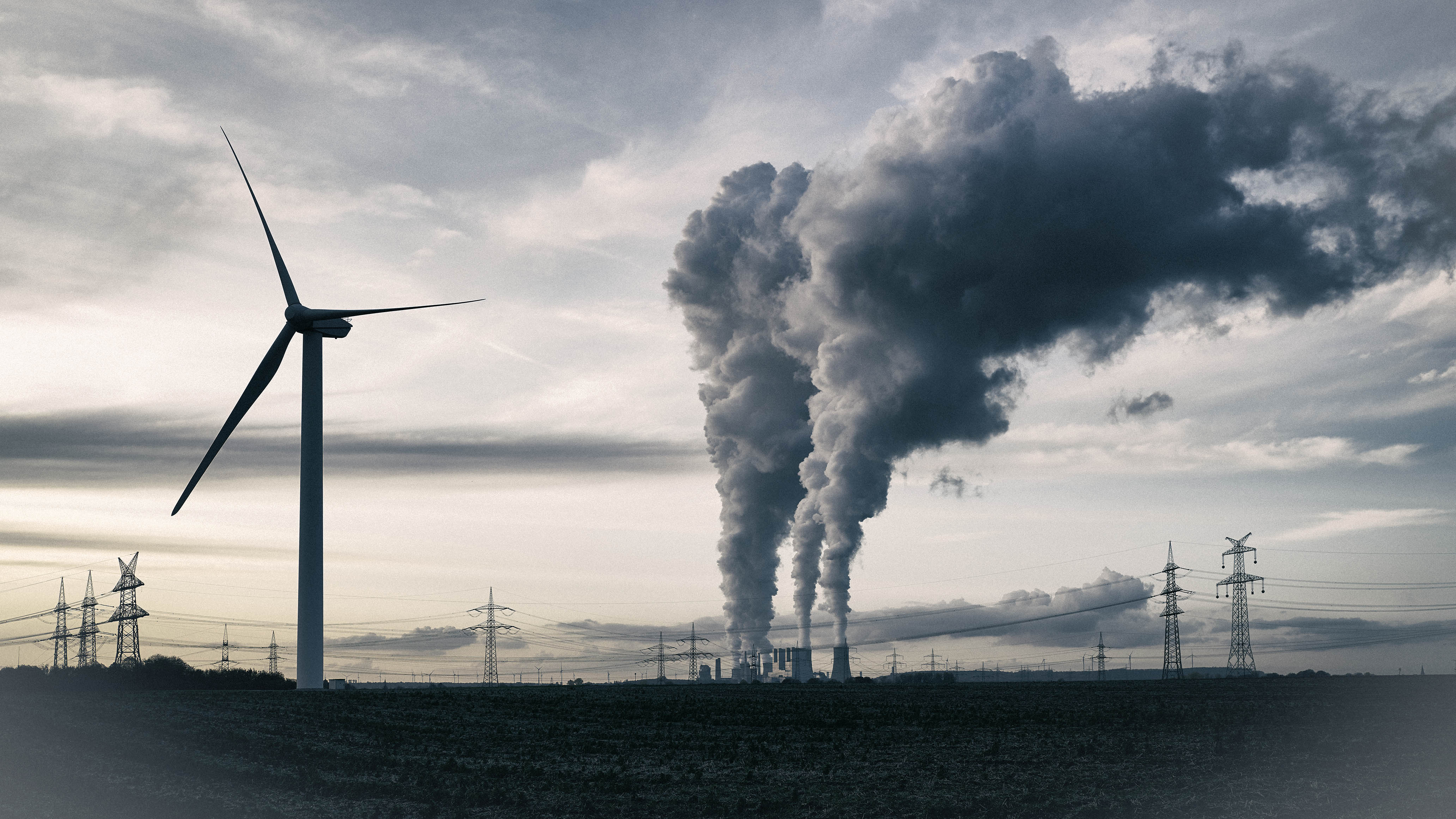
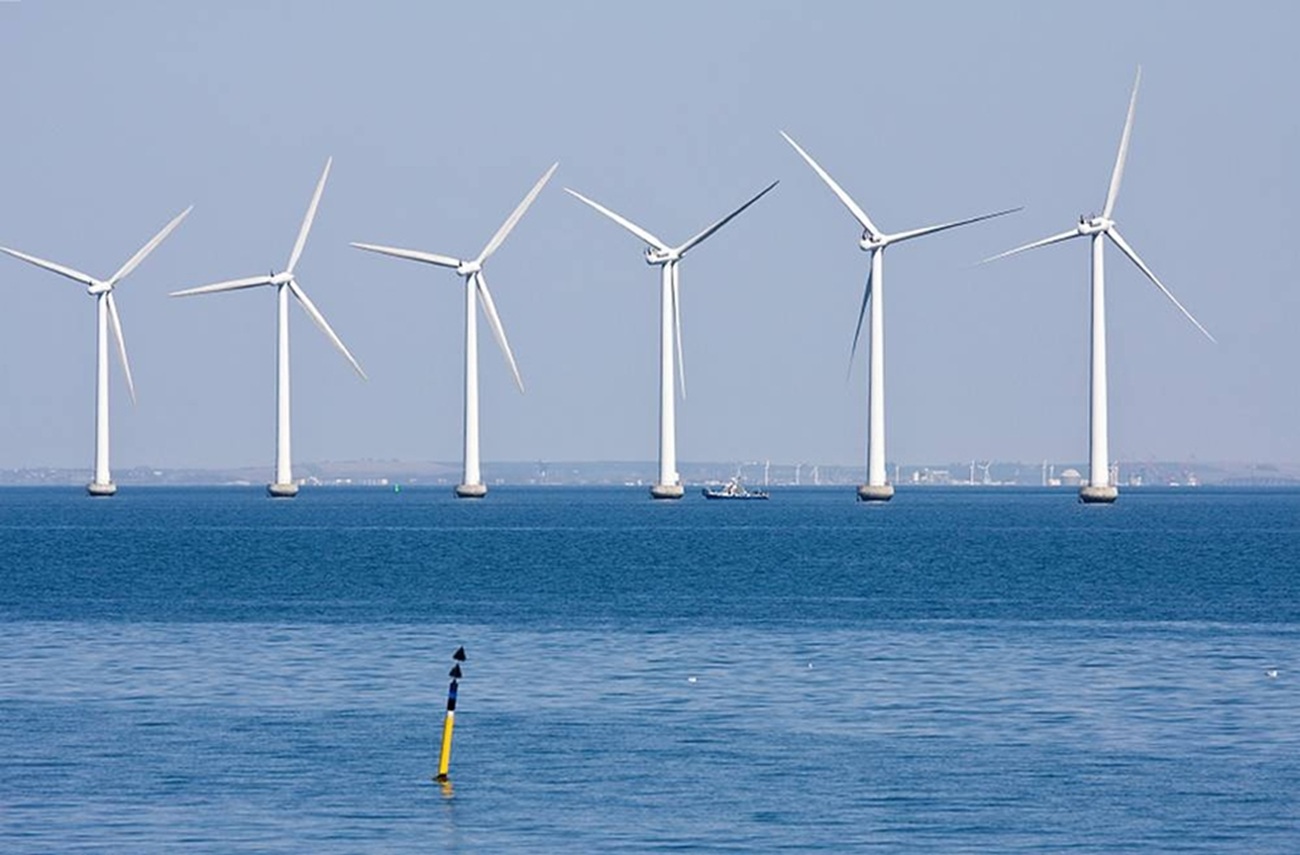
Government policies are set to play a decisive role as Latin America targets a doubling of onshore wind capacity to 120 GW by 2035, led by Brazil and Mexico.

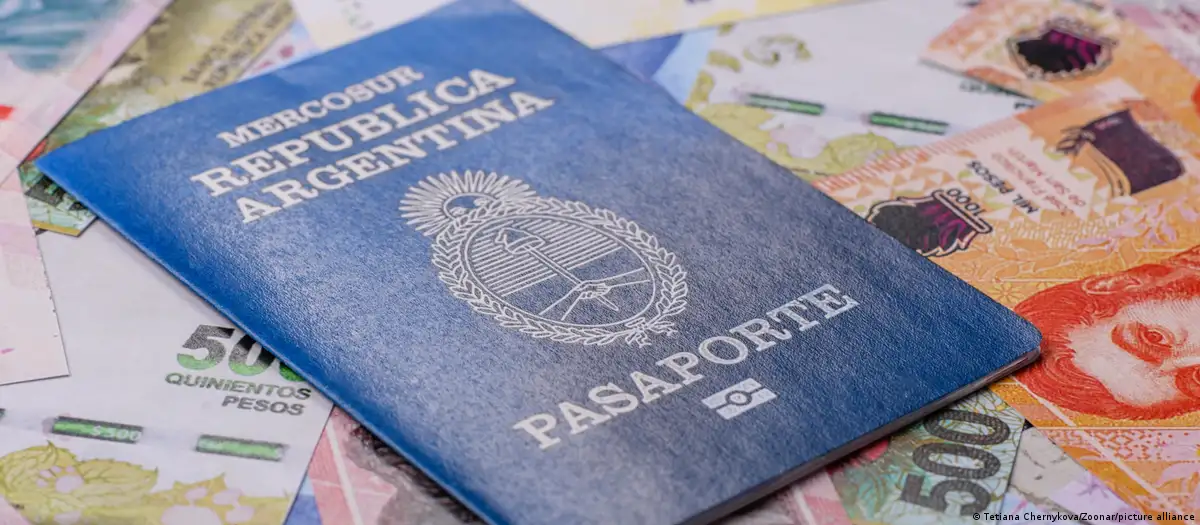
Argentina's new 'golden passport' initiative seeks to boost foreign investment and economic growth by offering citizenship to investors committing at least US$350,000.