ESA Awards €760 Million ALADDIN Cargo Capsule Contract to The Exploration Company
The Exploration Company secures a €760 million ESA contract for cargo capsule development, positioning the startup as a leading force in Europe's commercial space sector.
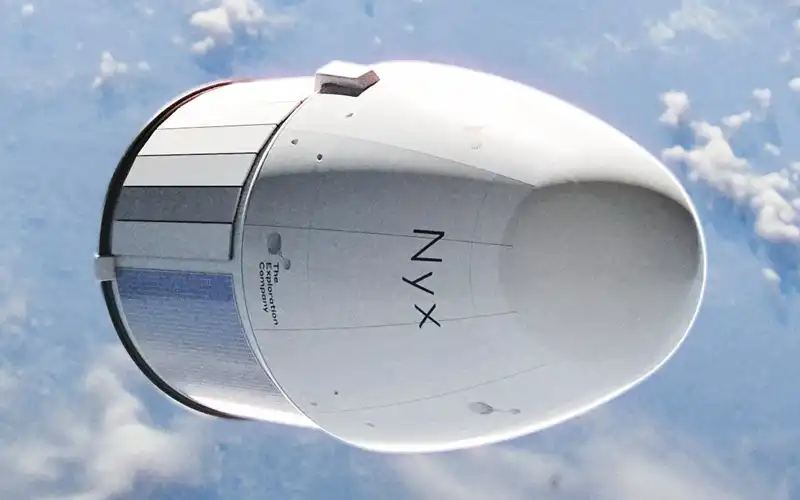
The Exploration Company (TEC) has secured a €760 million contract from the European Space Agency (ESA) to develop and deliver Europe’s first commercial cargo capsule for the International Space Station (ISS), marking a pivotal moment for the continent’s space ambitions.
The contract, awarded under ESA’s ALADDIN programme, includes €310 million for an initial demonstration mission and up to €450 million for two optional follow-up service missions. ESA selected TEC following a competitive tender launched in March 2026, after the ESA Council confirmed the programme’s Phase 2 in November 2025. The official award was made on September 11, 2026.
The announcement comes shortly after TEC closed a €387 million Series C funding round to support the development of its Nyx reusable cargo capsule and high-thrust rocket engine. The combination of public and private investment is expected to accelerate the timeline for launching Europe’s first privately developed cargo service to the ISS.
ESA Director General Josef Aschbacher described the ALADDIN contract as a strategic move to anchor commercial capabilities within Europe’s space ecosystem and ensure supply chains for critical ISS operations. For TEC, led by founder and CEO Hélène Huby, the endorsement by ESA not only validates its technology but also provides a significant platform for growth and further investment.
By acting as an anchor customer, ESA is sending a signal to investors and industry that European startups can deliver on flagship space programmes. This approach mirrors strategies used in the United States, where government contracts have catalysed the rise of commercial space operators.
The deal is anticipated to spur increased competition and innovation in European space transportation, with reusable capsule technology set to lower costs and expand service offerings. Analysts expect the move to encourage further private investment in the sector, strengthening Europe’s global competitiveness.
Risks remain, including potential project delays, certification challenges, and TEC’s current reliance on ESA funding. However, the ALADDIN contract opens opportunities for additional ESA and commercial contracts—potentially establishing TEC as a long-term player in the global space logistics market. The contract’s structure, with staged funding tied to mission milestones, aims to mitigate some of these risks while incentivising delivery and innovation.
The success of TEC’s Nyx capsule could reshape Europe’s approach to space logistics, with implications for future ISS operations and commercial activity in low Earth orbit. The broader impact is likely to be felt across the continent’s burgeoning space sector, as more startups look to ESA as a launchpad for global ambitions.