EU Fast-Tracks 235 Energy Projects to Reinforce Grids, Hydrogen and Offshore Wind Capacity
The European Union has accelerated the approval of 235 strategic energy projects, prioritizing grid expansion, green hydrogen, and offshore wind as it strengthens energy security and industrial decarbonization.


The European Union is moving to accelerate its energy transition with the fast-tracking of 235 strategic projects across the bloc, in a coordinated effort to reinforce infrastructure, secure supply, and meet climate targets.
The initiative places particular emphasis on electricity grids, green hydrogen, and offshore wind — three pillars seen as critical to supporting Europe’s shift toward a low-carbon economy while maintaining industrial competitiveness.
At the center of the strategy is the urgent need to modernize and expand Europe’s electricity networks. Grid bottlenecks have increasingly emerged as a constraint on renewable energy deployment, limiting the integration of new capacity and slowing down electrification across key sectors.
By prioritizing grid infrastructure, the EU aims to ensure that renewable energy generated across different regions can be efficiently transported and distributed, enabling a more interconnected and resilient energy system.
Green hydrogen is another focal point. As industries such as steel, chemicals, and heavy transport face mounting pressure to decarbonize, hydrogen is expected to play a key role in replacing fossil fuels in processes where electrification is not easily viable.
The fast-tracked projects include production, storage, and transport infrastructure, reflecting a broader push to build a complete hydrogen value chain across Europe and its partner regions.
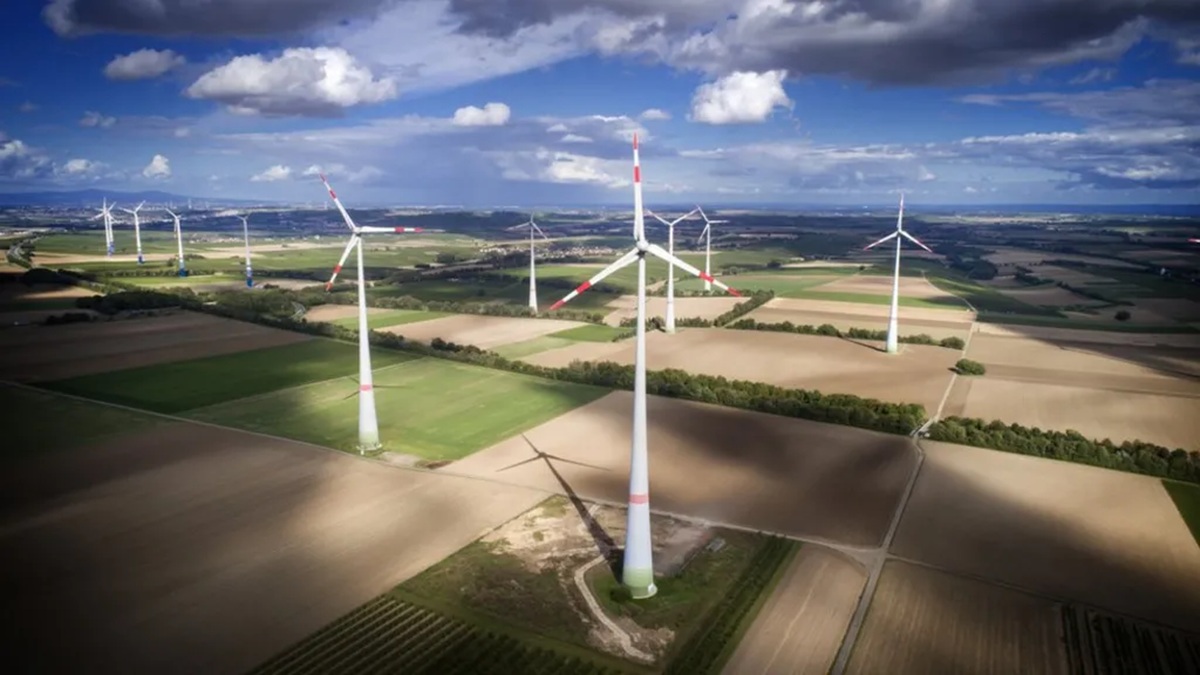
Offshore wind also features prominently, with large-scale developments planned to harness the significant potential of Europe’s maritime zones. Expanding offshore capacity is seen as essential to scaling up renewable energy generation and reducing dependence on imported fossil fuels.
Beyond individual sectors, the initiative reflects a broader geopolitical shift. The EU is seeking to reduce its vulnerability to external energy shocks while strengthening internal resilience and diversifying its supply base.
The acceleration of these projects is also expected to unlock significant investment flows, both public and private, creating opportunities for companies involved in engineering, construction, and energy technologies.
For European industry, the implications are substantial. Reliable access to clean energy is becoming a decisive factor in maintaining competitiveness, particularly as global markets move toward stricter environmental standards and carbon pricing mechanisms.
The initiative may also open avenues for international partnerships, including with Latin American countries that can supply critical inputs such as renewable energy, green hydrogen, and raw materials.
In that sense, the fast-tracking of 235 projects is not only an infrastructure plan, but a strategic move to redefine Europe’s energy system and its position in the global transition toward sustainability.