
Europe Battles for TAP: Brazil Reemerges as the Jewel of Transatlantic Connectivity
Air France-KLM and Lufthansa have submitted non-binding bids for a 44.9% stake in TAP Air Portugal. At the heart of the dispute lies the airline’s strategic network, with Lisbon serving as a key gateway to Brazil, Africa, and the United States.

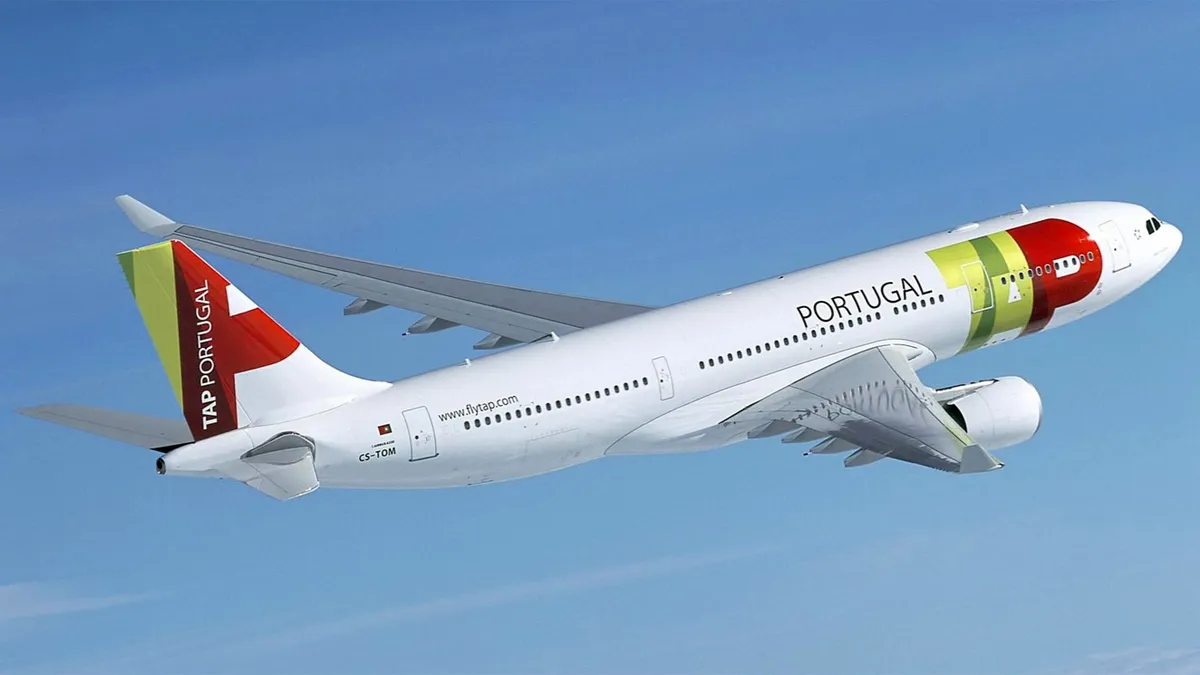
TAP Air Portugal has become the center of a growing strategic dispute among Europe’s leading airline groups, as Air France-KLM and Lufthansa move forward with competing bids for a 44.9% stake in the carrier. Both groups have already submitted non-binding offers, marking the beginning of what could become a defining battle in Europe’s aviation sector.
At stake is far more than a partial privatization. TAP’s true value lies in its unique position as a transatlantic connector, with Lisbon functioning as one of Europe’s most efficient gateways to Brazil, as well as to key destinations in Africa and North America.
For both airline groups, securing a stake in TAP would significantly strengthen their long-haul networks. Brazil, in particular, stands out as the central prize. TAP operates an extensive network of routes linking Lisbon to multiple Brazilian cities, making it a critical bridge between Europe and Latin America’s largest economy.
Air France-KLM and Lufthansa are each seeking to expand their global reach while reinforcing their competitive positions against other international carriers. In this context, control or influence over TAP’s operations would offer not only additional capacity but also strategic dominance over high-demand transatlantic corridors.
The Portuguese government, which is leading the privatization process, has signaled that it is looking for a partner capable of ensuring long-term growth, operational stability, and the preservation of Lisbon’s role as a major international hub.
Beyond aviation, the dispute reflects broader geopolitical and economic dynamics. Control over air connectivity routes increasingly plays a role in shaping trade, tourism, and investment flows between continents.
In that sense, the battle for TAP underscores Brazil’s renewed importance in global connectivity strategies. As airlines reposition themselves in a post-pandemic environment, access to strong and diversified long-haul markets has become a decisive factor.
While the current bids are non-binding and the process is still at an early stage, the outcome could reshape competitive dynamics in European aviation and redefine how transatlantic traffic between Europe and South America is structured in the years ahead.