European SME Confidence Holds Steady as Uncertainty Weighs on Investment
SMEunited’s autumn 2026 assessment shows turnover and orders falling short of expectations while prices rise more than anticipated. Manufacturing remains the hardest-hit sector, with investment prospects still weak.

Europe’s small and medium-sized enterprises continue to face weak business conditions and uncertain investment prospects, despite a stable headline confidence indicator, according to SMEunited’s Autumn 2026 SME Business Climate Index and SME Barometer.
The index has remained stable for the third consecutive half-year period, but the organisation warns that this masks growing uncertainty following successive crises, most recently the energy price increases associated with the war in the Middle East.
“The Autumn 2026 Business Climate Index paints a picture of fragile stability for SMEs,” said Simona Amati, Director of Economic and Fiscal Policy at SMEunited, during the presentation. “Business conditions remain weak and investment prospects continue to be affected by uncertainty.”
Turnover and Orders Miss Expectations
The effects of the conflict weighed on companies’ performance, with turnover and orders falling short of expectations. Prices, meanwhile, increased more than anticipated, particularly in construction and manufacturing, pointing to continued cost pressures.
These results leave businesses navigating a difficult combination of disappointing commercial performance and uncertainty over future expenses.
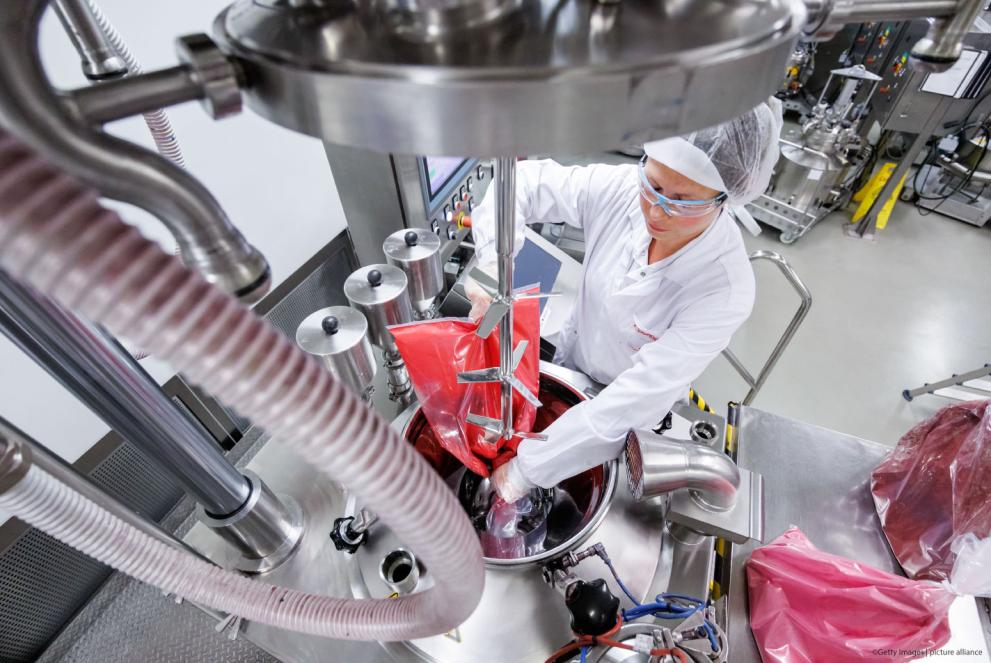
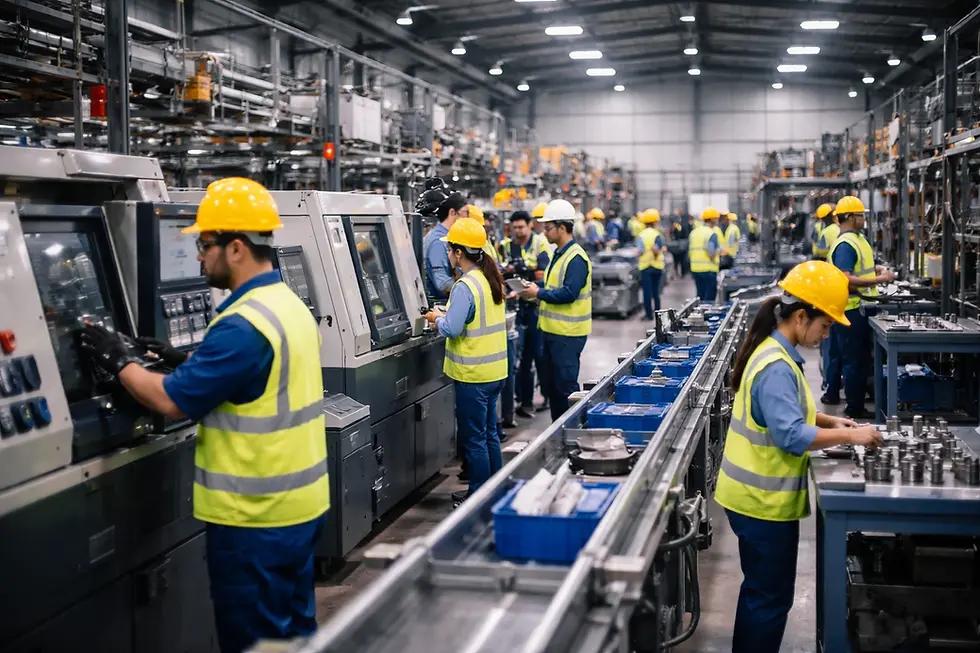
Manufacturing remains the most affected sector for the eighth consecutive half-year period. According to the assessment, it has yet to recover from the 2022 energy shock, highlighting the persistence of the pressures facing smaller industrial companies.
The weakness of manufacturing also shows how successive disruptions can affect businesses long after the initial increase in energy costs.
Summer Relief Improves Expectations
An easing of the conflict and the resulting decline in oil prices over the summer provided some relief. Expectations for the second half of 2026 improved, suggesting that the downturn could be losing momentum.
However, SMEunited’s assessment remains cautious about the strength of that improvement.
“Negative developments still dominate companies’ business environment,” Amati said.
SMEs expect weak conditions to persist, with a particularly adverse effect on investment prospects. Uncertainty continues to complicate decisions that require confidence in future demand and operating costs.
Although companies expect price increases to slow, potentially higher labour costs could create further pressure. Labour-intensive activities, particularly personal services, are especially exposed to that risk.
The outlook therefore combines some relief from energy costs with continuing concerns about demand, labour expenses and the conditions needed to support investment.
Finance and Predictable Rules Become Priorities
SMEunited is calling for measures that would give smaller companies both the confidence and the resources to invest.
Its priorities include access to affordable finance, rules that are more proportionate to businesses’ size and capacity, and greater regulatory predictability. The organisation also wants sufficient support for SMEs in the next Multiannual Financial Framework, the European Union’s long-term budget.
“SMEs must have the confidence and the means to invest,” Amati said. “We call on policymakers to improve access to affordable finance, increase the proportionality and predictability of rules, and ensure sufficient funding for SMEs in the next Multiannual Financial Framework.”