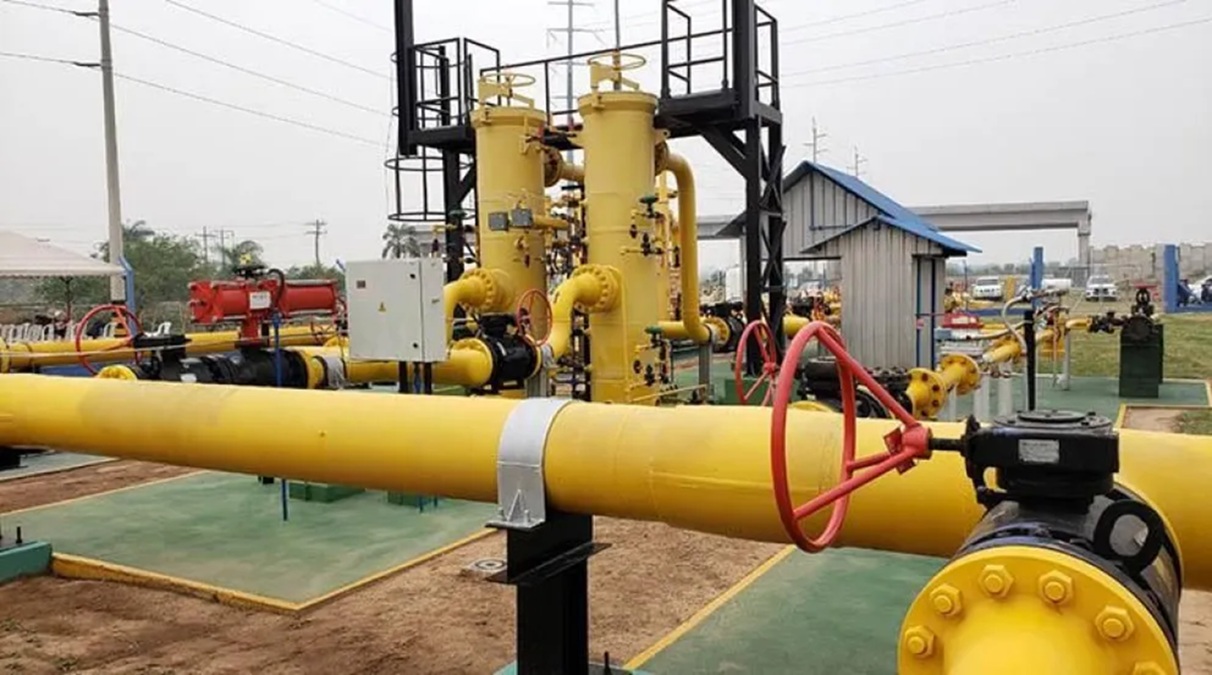
Global Gateway 2026: Chilean and Uruguayan Green Hydrogen Power Europe’s Heavy Industry
EU-backed investments in Latin America are accelerating the development of green hydrogen projects, creating a transatlantic energy corridor aimed at decarbonizing European industry.

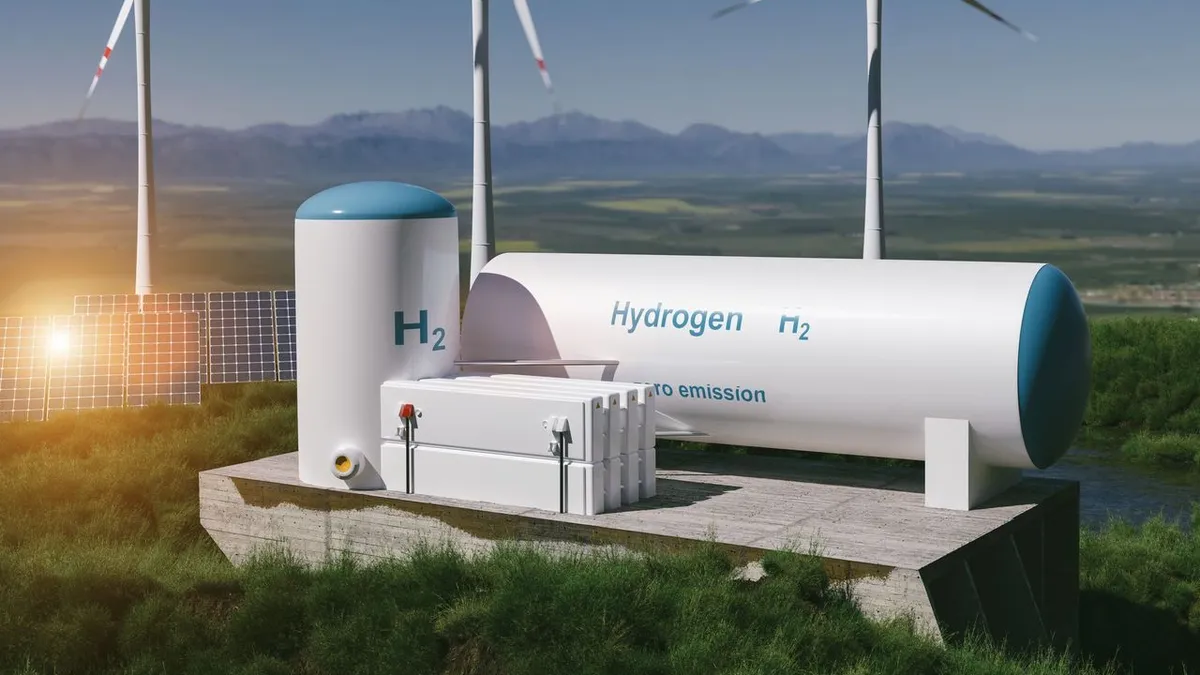
The European Union’s Global Gateway strategy is gaining momentum in 2026, with Latin America emerging as a central pillar in its effort to secure clean energy supply chains. At the heart of this push is green hydrogen, with Chile and Uruguay positioning themselves as key partners in what is increasingly seen as a transatlantic energy corridor.
Through financing and institutional support, the European Investment Bank (EIB) is playing a pivotal role in enabling large-scale projects across the Southern Cone. These initiatives aim to harness the region’s abundant renewable resources — particularly wind and solar — to produce green hydrogen for export to Europe.
For European industry, the stakes are high. Sectors such as steel, chemicals, and shipping face mounting pressure to decarbonize in line with climate targets. Green hydrogen is widely viewed as a critical solution, but Europe’s domestic production capacity remains limited and costly.
This gap is driving a new model of energy integration, where production is increasingly externalized to regions with lower costs and superior natural conditions. Chile’s Atacama Desert and Uruguay’s wind corridors offer some of the world’s most favorable environments for renewable energy generation, making them ideal locations for hydrogen production.
European engineering and energy companies are already at the forefront of this transformation. They are leading the design, construction, and operation of hydrogen plants, as well as the development of associated infrastructure, including ports, storage facilities, and transport systems.
The result is the emergence of a new kind of supply chain — one that links Latin American production hubs with European industrial demand. This “energy bridge” is not only about exports, but also about long-term partnerships, technology transfer, and shared regulatory frameworks.
From a geopolitical perspective, the strategy allows the EU to reduce dependence on fossil fuel imports while strengthening ties with politically aligned regions. For Latin American countries, it opens access to investment, technology, and a rapidly growing global market for clean energy.
However, challenges remain. The scalability of hydrogen projects, infrastructure bottlenecks, and regulatory alignment across continents will be critical factors in determining the pace of development.
Even so, Global Gateway is already redefining how Europe approaches energy security and industrial decarbonization. By linking its future to the renewable potential of Latin America, the EU is not only diversifying its energy sources, but also reshaping the geography of global energy systems.