Holcim’s Latin America Strategy Gains Momentum as Europe’s Construction Market Slows
Los últimos resultados de Holcim muestran que América Latina se está convirtiendo en un motor clave de crecimiento para el grupo suizo de materiales de construcción, ya que las adquisiciones, la demanda de infraestructura, las herramientas digitales y la construcción de bajo carbono compensan la menor dinámica en Europa.

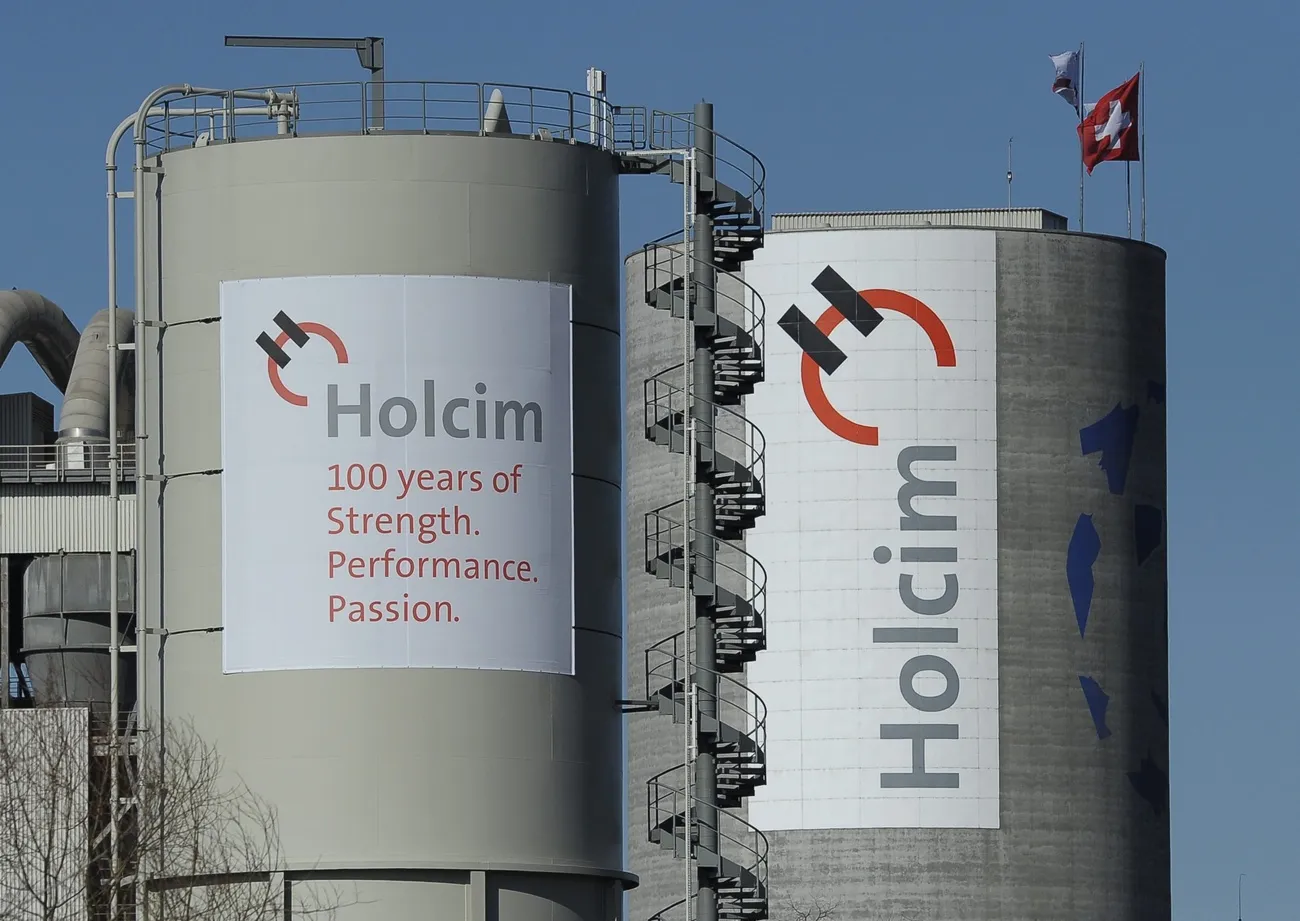
Holcim is increasingly relying on Latin America to drive growth as Europe’s construction market shows signs of slower momentum. The Swiss building materials group reported first-quarter net sales of €3.82 billion and organic growth of 3.9%, while recurring EBIT rose 8.3% to CHF 431 million. But the strongest regional signal came from Latin America, where organic sales growth reached 7.6% and recurring EBIT totaled €256 million.
The performance highlights a broader shift in Holcim’s global strategy. While Europe remains the company’s largest market by sales, growth there was slightly negative in organic terms, underscoring the pressure facing mature construction markets. Latin America, by contrast, is emerging as a higher-growth platform supported by housing demand, infrastructure needs and recent acquisitions.
Peru is central to that strategy. Holcim’s agreement to acquire a majority stake in Cementos Pacasmayo for about €1.2 billion gives the group a much deeper position in one of the region’s most important infrastructure markets. The deal follows earlier moves into Peru through Comacsa, Mixercon and Compañía Minera Luren, creating a broader platform across cement, aggregates, ready-mix and distribution.
The Pacasmayo acquisition also brings a strong retail network through DINO stores, which complements Holcim’s Disensa franchise. That distribution reach is particularly relevant in Latin America, where self-built housing and small contractors remain an essential part of construction demand.
Beyond physical assets, Holcim is betting on digital tools to improve efficiency and customer relationships across the region. The company is expected to integrate AI and data-driven platforms from Pacasmayo into its wider Latin American operations, supporting customer engagement, back-office processes and operational performance.
Sustainability is the other pillar of the strategy. Holcim is expanding low-carbon products such as ECOPlanet cement and ECOPact concrete as demand for greener construction materials grows. Under its NextGen Growth 2030 plan, the company aims for sustainable solutions to represent more than half of net sales by 2030.
For Latin America, this combination of infrastructure demand, digitalization and sustainable materials could strengthen Holcim’s position in markets where construction needs remain structurally high. For Europe, the contrast is clear: while mature markets face slower growth, Latin America offers scale, urbanization and a still-significant infrastructure gap.
The opportunity is not without risk. Construction cycles remain sensitive to interest rates, public spending and currency volatility, while acquisition integration will be critical to delivering the expected gains. Still, Holcim’s Latin American performance shows why global building materials groups are increasingly looking to the region as a source of growth and margin resilience.
For European investors and industrial players, the message is direct: Latin America is becoming more than an emerging market exposure. In construction materials, it is turning into a strategic growth platform where infrastructure, housing and sustainability converge.