
Italy and Brazil Deepen Biofuels Alliance as Europe Accelerates Energy Transition
Rome and Brasília are strengthening cooperation in biofuels, positioning the partnership as a strategic bridge between Europe’s decarbonization goals and Brazil’s leadership in renewable energy production.

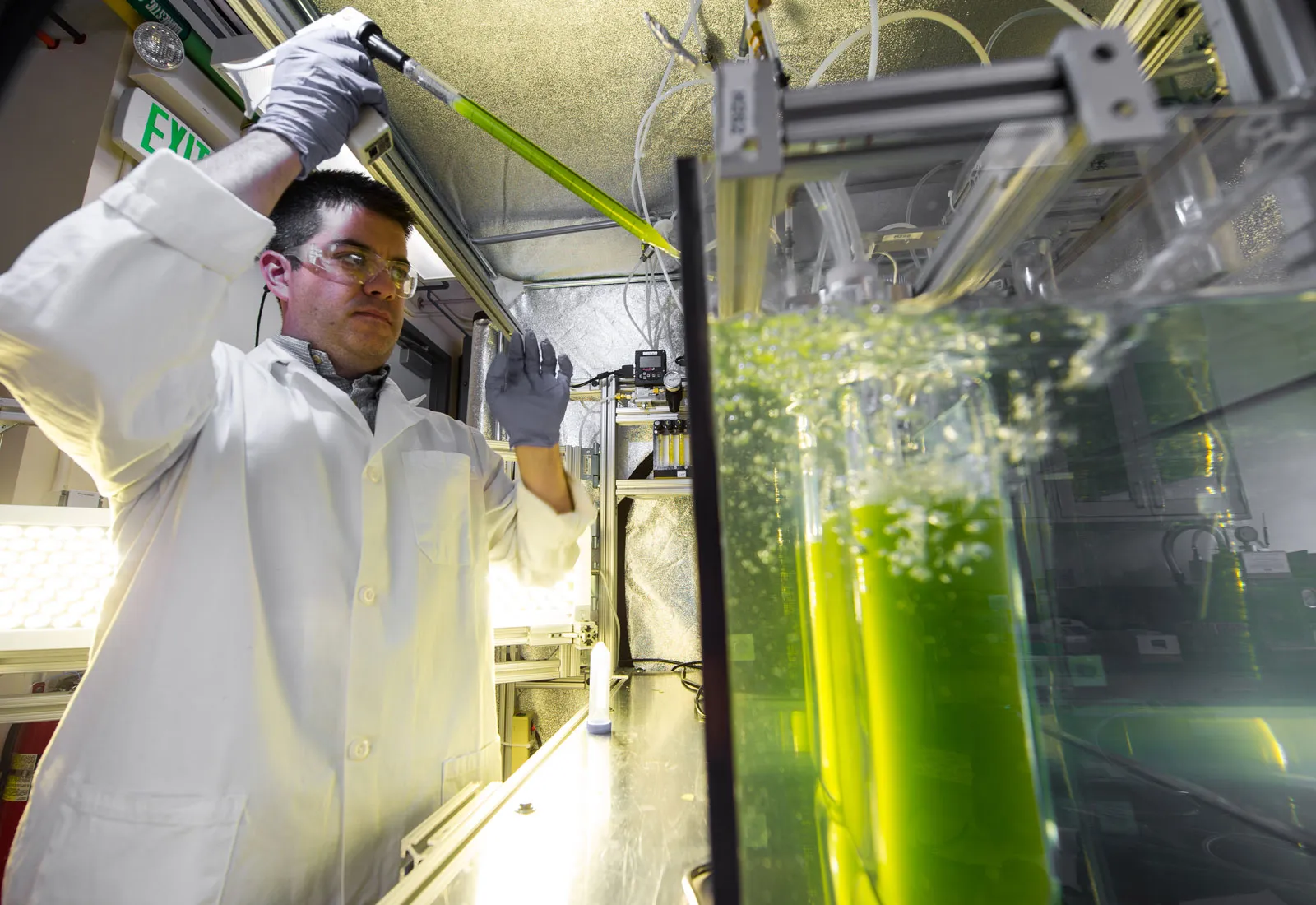
Italy and Brazil are expanding cooperation in biofuels as both countries seek to strengthen energy security, accelerate decarbonization and reduce dependence on fossil fuels in a rapidly shifting global energy market.
The partnership reflects the growing strategic importance of biofuels in Europe’s energy transition agenda. While the European Union pushes forward with climate targets and industrial decarbonization, Brazil remains one of the world’s leading producers of ethanol and renewable fuels, supported by decades of large-scale agricultural and energy development.
For Italy, the relationship offers access to a mature biofuels ecosystem at a time when Europe is searching for diversified energy sources and scalable low-carbon alternatives. Italian companies and policymakers increasingly view Brazil as a strategic partner capable of supplying technology, expertise and renewable fuel capacity.
Brazil, meanwhile, sees Europe as a key destination for expanding its renewable energy footprint. The country’s biofuel sector is already deeply integrated into transportation and industrial supply chains, particularly through sugarcane ethanol and biodiesel production.
The cooperation also aligns with broader geopolitical and economic trends. As global energy markets become more fragmented and sustainability regulations intensify, countries are seeking partnerships that combine energy security with climate objectives.
Biofuels are emerging as an important component of that strategy, especially in sectors where electrification remains difficult, such as aviation, shipping and heavy transport. Sustainable aviation fuel and advanced biofuels are becoming central to discussions between Europe and Latin America.
For Europe, Latin America’s natural resources and renewable energy capacity are increasingly viewed as strategic assets. For Brazil, closer ties with European markets could support investment, technology exchange and access to long-term demand for low-carbon fuels.
The challenge will be balancing industrial expansion with sustainability requirements. European regulations on emissions, traceability and land use remain strict, meaning producers will need to demonstrate compliance with environmental standards.
Still, the direction is clear. Italy and Brazil are positioning biofuels not only as an energy solution, but also as a platform for industrial cooperation and long-term economic integration between Europe and Latin America.
The growing Italy–Brazil biofuels partnership highlights how renewable energy is becoming a strategic link between Europe and Latin America, combining climate goals, industrial policy and energy security.