
Italy Deepens Trade and Investment Strategy in Latin America as EU–Mercosur Deal Gains Momentum
Rome is strengthening its economic presence in Latin America, positioning itself to benefit from growing trade flows and the potential implementation of the EU–Mercosur agreement.

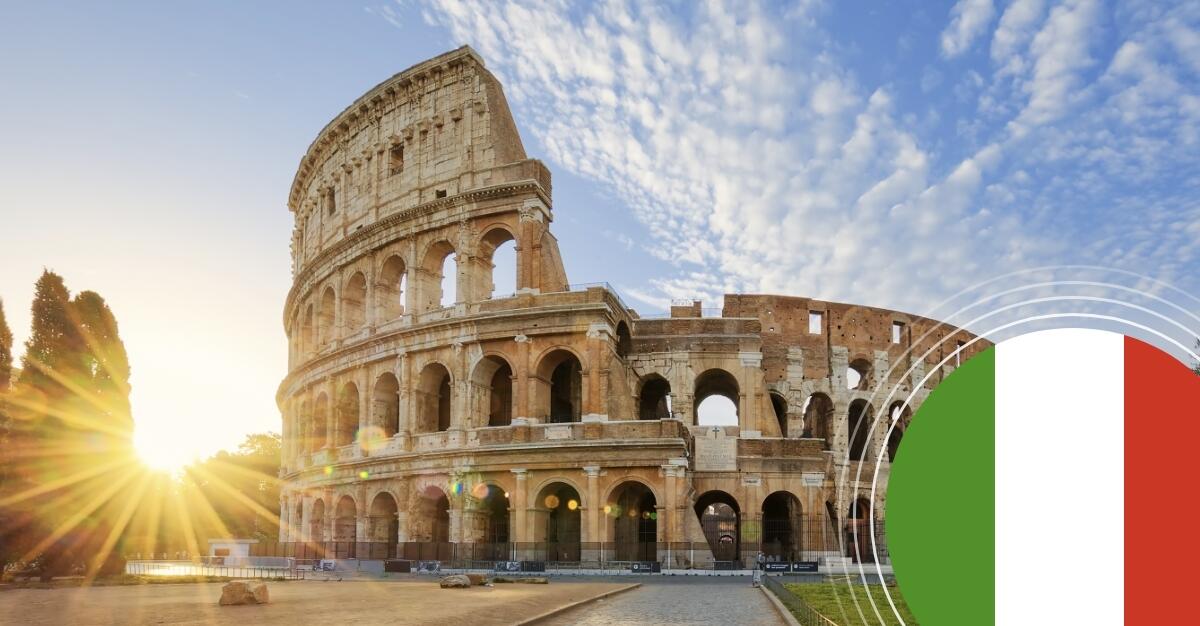
Italy is intensifying its economic engagement with Latin America as the European Union moves closer to finalizing the long-anticipated EU–Mercosur trade agreement, signaling a renewed strategic focus on the region as part of Europe’s global positioning.
The Italian government and business community are increasingly viewing Latin America not only as a traditional partner, but as a key market for expansion in a global environment marked by geopolitical fragmentation, supply chain realignment and growing competition among major economies.
Trade between Italy and Latin America has shown steady growth over recent years, driven by strong demand for industrial machinery, automotive components, energy technology and high-value manufacturing exports. At the same time, imports from the region—particularly agricultural products, raw materials and energy resources—continue to reinforce a complementary trade relationship.
Brazil, Argentina and Mexico remain central partners for Italy, accounting for a significant share of bilateral trade flows. Italian companies have built a strong presence in sectors such as infrastructure, energy, manufacturing and agribusiness, often leveraging long-standing industrial ties and technical expertise.
The potential implementation of the EU–Mercosur agreement could significantly expand this relationship. By reducing tariffs and improving regulatory alignment, the deal would create new opportunities for Italian exporters, particularly small and medium-sized enterprises that form the backbone of the country’s industrial base.
For Italy, the agreement is not only about trade liberalization but also about securing access to strategic resources and diversifying supply chains. Latin America plays an increasingly important role in global discussions around critical raw materials, energy transition and food security, all areas where European demand is expected to grow.
At the same time, Italy is positioning itself as a gateway for Latin American companies seeking entry into the European market. Its industrial clusters, logistics infrastructure and integration within the EU single market offer a platform for expansion into Europe.
The broader geopolitical context reinforces this strategy. As tensions between the United States and China reshape global trade dynamics, countries like Italy are seeking to strengthen ties with regions that offer both growth potential and strategic balance. Latin America fits this profile, combining natural resources, expanding consumer markets and a relatively neutral geopolitical position.
The relationship is also supported by cultural and historical ties, particularly with countries such as Argentina and Brazil, where Italian heritage continues to play a role in business and social connections.
Looking ahead, the combination of trade agreements, investment flows and industrial cooperation is expected to deepen Italy’s role in the Europe–Latin America corridor. Much will depend on the final ratification of the EU–Mercosur deal and the ability of both regions to align on regulatory and environmental standards.
Italy’s renewed focus on Latin America reflects a broader European strategy to diversify trade, secure supply chains and strengthen geopolitical positioning, with the EU–Mercosur agreement acting as a potential catalyst for deeper economic integration.