
Rhenus Uses Latin America Growth to Reinforce Its Global Logistics Strategy
The German logistics group is posting record results on the Asia–Latin America corridor, underscoring how European operators are using regional scale in Latin America to compete in the world’s fastest-growing trade lanes.

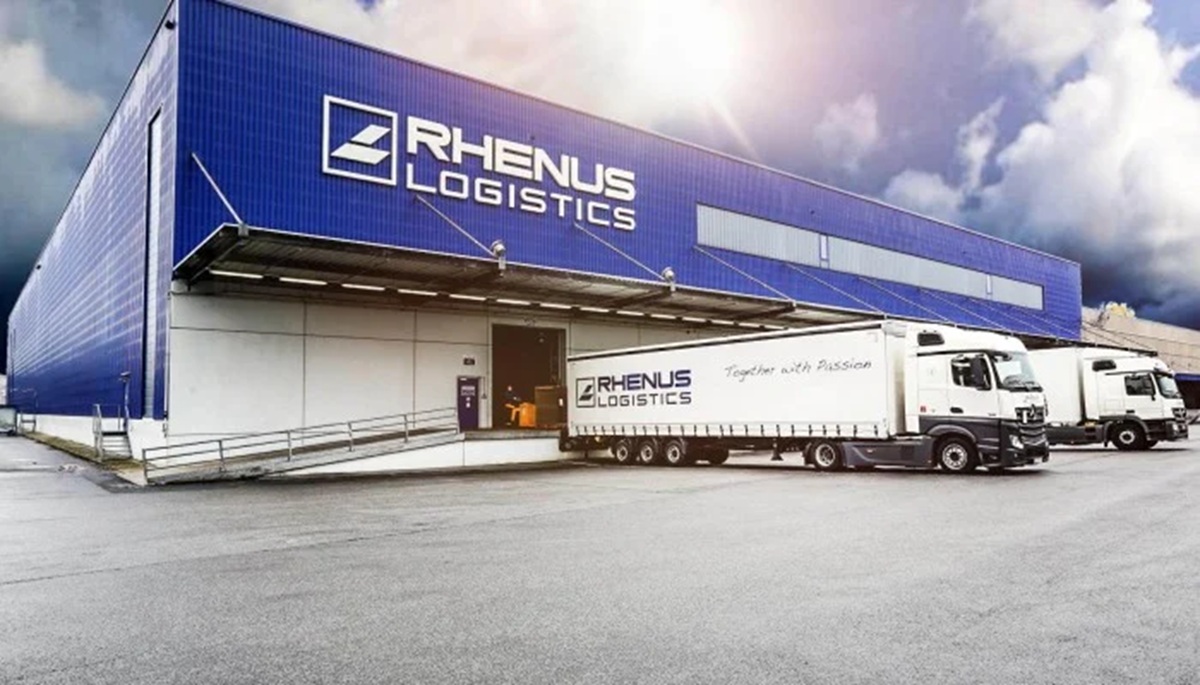
Rhenus Logistics is turning Latin America into a larger pillar of its global freight strategy, after reporting record growth on the Asia–LatAm trade lane and rising into the top tier of logistics providers on that corridor. The company said it handled more than 170,000 TEUs in full-container-load shipments between Far East Asia and Latin America during the 2024–2025 period, placing it among the top three operators in the route.
The significance is less about Asia alone and more about what this says about Europe’s role in Latin America’s supply chains. Rhenus is a German-headquartered logistics group with 2024 revenue of €8.2 billion and about 41,000 employees, and its latest results show how European logistics players are using operational depth in Latin America to capture trade flows that increasingly shape global manufacturing and sourcing networks.
The growth was not evenly spread across the region. Rhenus said it reached the number one position in Far East inbound flows to Argentina, Colombia, and Paraguay, giving it a particularly strong foothold in markets where import logistics remain central to industrial supply, retail distribution, and customs-heavy operations.
That performance builds on a broader regional push already under way. Rhenus has been expanding its Latin American footprint through acquisitions and brand integration, including the 2025 rebranding of BLU Logistics LATAM under the Rhenus name across several markets. The company said that combined operations handled more than 210,000 TEUs in 2024 and highlighted the Far East Asia–LatAm lane as one of its strongest areas.
The Asia–LatAm story also matters for Europe because it reveals how European groups are adapting to new trade geography. Instead of relying only on Europe-bound routes, logistics operators are increasingly positioning themselves around South–South and transpacific corridors, where import demand, industrial relocation, and consumption growth are creating new volumes. That interpretation is an inference based on Rhenus’ strong Asia–LatAm results and its broader Latin American expansion strategy.
Rhenus said one of the support structures behind the growth is a strategic procurement hub in Hong Kong dedicated to the Latin American market. That setup allows the company to coordinate sourcing and origin operations closer to Asian suppliers while serving customers further down the Latin American chain, a model aimed at giving the group more control over reliability and execution.
For Latin America, the implications are practical. Stronger logistics platforms on the Asia corridor can improve access to manufactured goods, industrial inputs, and consumer imports, while also giving local importers more integrated customs and multimodal options. For Europe, the message is that its logistics champions are no longer competing only inside European trade lanes; they are increasingly shaping how cargo moves into and across Latin America. This is an inference drawn from Rhenus’ ranking in key LatAm inbound markets and its German corporate base.
The longer-term backdrop is also supportive. The release cites projections from Americas Market Intelligence suggesting that trade between China and Latin America could reach $700 billion by 2035, which helps explain why operators such as Rhenus are investing in scale, local presence, and origin control along the route.
In that sense, Rhenus’ latest milestone is not just a company growth story. It is also a sign that European logistics groups are becoming more deeply embedded in the commercial architecture linking Asia and Latin America, with Europe’s role shifting from destination market to operational orchestrator in global trade flows. That final point is an inference supported by Rhenus’ headquarters, regional rankings, and Asia–LatAm volume growth.