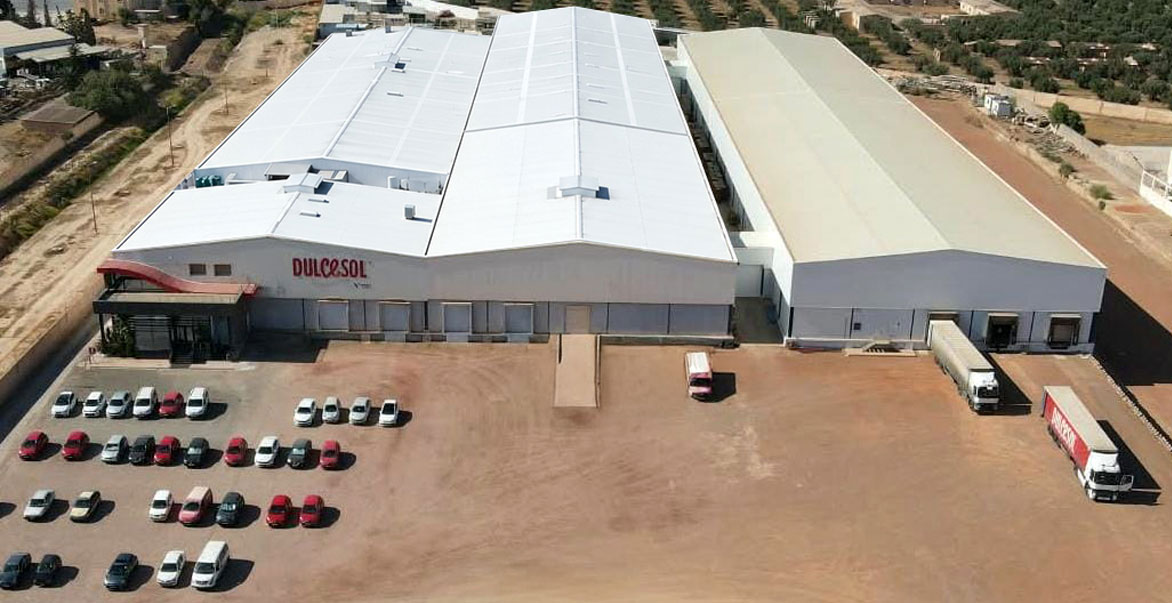
Spain’s Largest Food Company Expands in Argentina With Acquisition in Pork Industry
The deal strengthens the growing agribusiness connection between Spain and Argentina, as European food groups seek strategic positioning in Latin America’s protein sector.

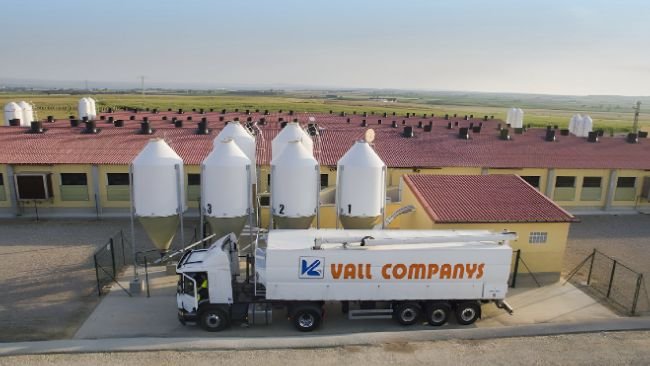
Spain’s largest food company has expanded its presence in Argentina through the acquisition of part of the pork business of a local agribusiness group, reinforcing the strategic importance of Latin America within the global food industry.
The transaction reflects growing interest from European food companies in South America’s agricultural and livestock sectors, where access to raw materials, production capacity and export potential continue to attract international investment.
Argentina’s pork industry has gained relevance in recent years as producers increase efficiency, modernize operations and expand exports. Rising global demand for animal protein, combined with shifting trade dynamics, has turned the sector into a strategic target for multinational food groups.
For the Spanish company, the acquisition provides access to production capabilities and strengthens its footprint in one of Latin America’s key agricultural economies. The move is also aligned with a broader strategy among European food corporations seeking diversification beyond mature domestic markets.
The operation highlights how agribusiness remains one of the strongest business bridges between Europe and Latin America. While Europe contributes capital, technology and global distribution networks, South America offers scale, agricultural resources and export potential.
Beyond production, the deal also reflects changing dynamics in global food supply chains. Companies are increasingly seeking geographic diversification to improve resilience, secure supply and respond to changing consumer demand.
The pork sector itself is undergoing transformation. Sustainability, traceability and efficiency are becoming increasingly important as producers adapt to stricter international standards and evolving market expectations.
For Argentina, foreign investment in agribusiness continues to represent an important source of capital, modernization and export growth. However, the sector also faces challenges linked to macroeconomic instability, logistics and international competition.
The broader significance extends beyond the transaction itself. European companies are not only investing in Latin America for short-term growth but positioning themselves within long-term global food supply strategies.
The acquisition reinforces the growing integration between European food companies and Latin American agribusiness, with Argentina emerging as a strategic hub for global protein production and exports.