
US Plans 25% Tariffs on European Cars, Escalating Transatlantic Trade Tensions
A new round of US tariffs targeting European automobiles threatens to intensify trade frictions, with potential ripple effects across global supply chains and the EU’s industrial strategy.

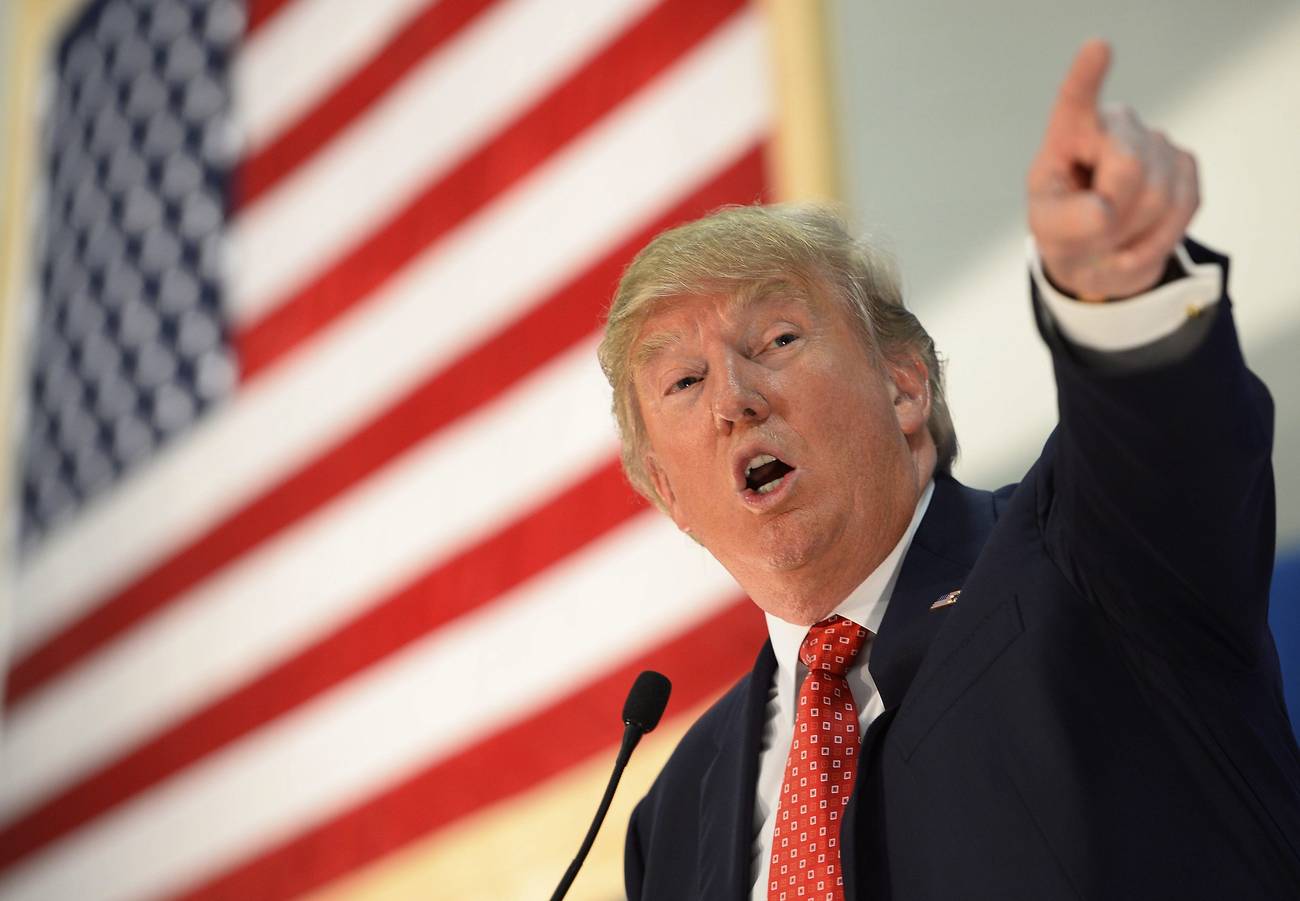
The United States is preparing to impose tariffs of up to 25% on automobiles and trucks imported from the European Union, a move that could significantly escalate trade tensions between two of the world’s largest economic blocs.
The announcement signals a renewed protectionist approach in Washington, with potential consequences for the global automotive industry, one of the most interconnected sectors in international trade. European manufacturers, which rely heavily on exports to the US market, could face increased costs and reduced competitiveness.
For the European Union, the measure represents a direct challenge to one of its most important industrial sectors. The automotive industry is a cornerstone of Europe’s economy, supporting millions of jobs and driving innovation across manufacturing, technology and supply chains.
The impact is expected to go beyond carmakers. Suppliers, logistics operators and component manufacturers across Europe could also feel the effects, given the highly integrated nature of automotive production. Any disruption in transatlantic trade flows has the potential to ripple through multiple industries.
The timing is particularly sensitive. The European Union is actively seeking to diversify its trade partnerships and strengthen economic ties with regions such as Latin America, including through the EU–Mercosur agreement. Increased tariffs from the US could accelerate this strategic shift by pushing European companies to look for alternative markets.
At the same time, the move raises broader questions about the future of global trade. As protectionist policies gain traction, traditional alliances are being tested, and companies are being forced to adapt to a more fragmented and uncertain environment.
For Latin America, the situation could create indirect opportunities. If European exports to the US become less competitive, companies may seek to expand their presence in other regions, potentially increasing investment and trade flows with Latin American markets.
The final outcome will depend on negotiations, possible retaliatory measures from the European Union and the broader evolution of trade policy in the United States. However, the announcement already signals a shift toward a more confrontational trade landscape.
The proposed US tariffs on European vehicles mark a new phase in transatlantic trade tensions, with implications for the automotive industry, global supply chains and the strategic positioning of Europe in international markets.