Belgian Multinationals Compete for Strategic Control of Argentina’s Paraná Waterway
Two Belgian infrastructure giants are competing for one of South America’s most important logistics contracts as Argentina prepares a new chapter for the Paraná-Paraguay waterway.

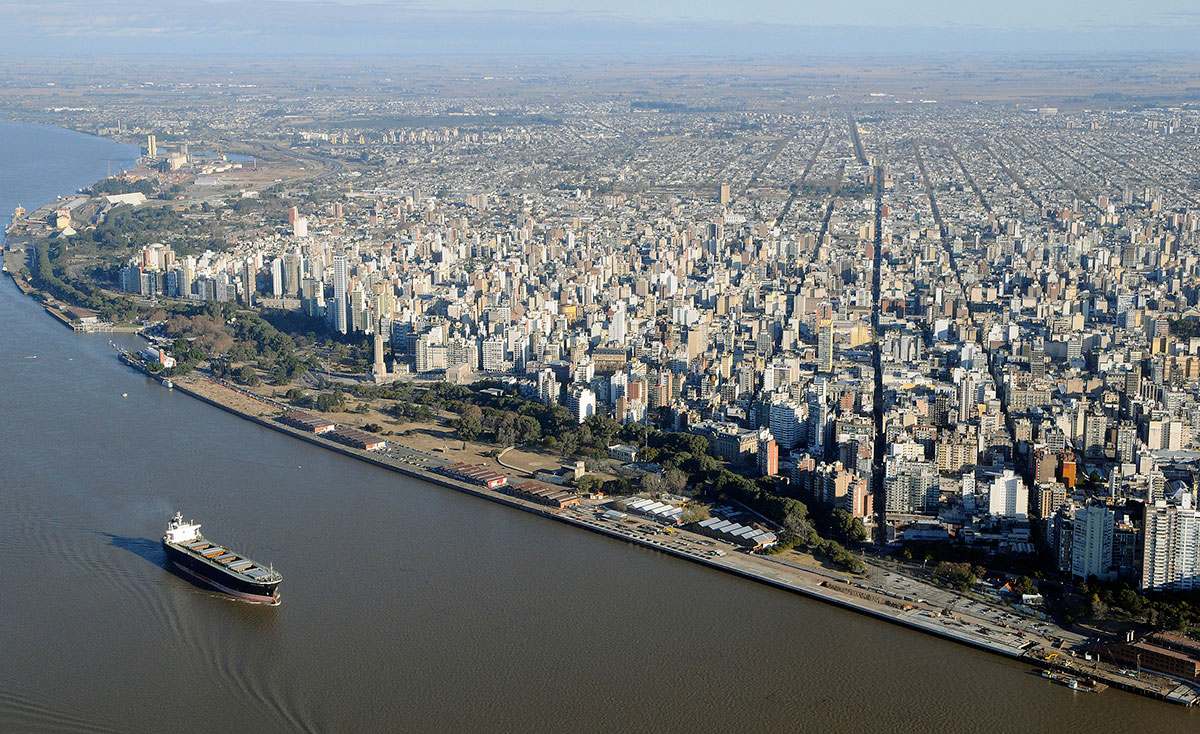
Two Belgian multinational companies, Jan De Nul and DEME Group, are competing in Argentina for the management of one of the country’s most strategic infrastructure assets: the Paraná-Paraguay waterway, a critical corridor for agricultural exports and regional trade across South America.
The bidding process centers on dredging and maintenance operations along the waterway, a system responsible for moving the majority of Argentina’s grain exports and connecting regional trade flows across Paraguay, Bolivia, Brazil and Uruguay.
The competition highlights the growing international importance of South America’s logistics infrastructure as global demand for agricultural commodities, energy exports and efficient transport networks continues to rise.
For Argentina, the future management of the waterway is considered a strategic economic issue due to its direct impact on export competitiveness, shipping costs and foreign trade revenues.
The Paraná-Paraguay corridor plays a central role in the global agribusiness supply chain, particularly for soybeans, corn, wheat and other agricultural products exported from the region to international markets.
The involvement of major European infrastructure groups also reflects broader global interest in Latin American logistics assets linked to food security, commodity exports and international trade connectivity.
The new tender process comes after years of political debate in Argentina over control, regulation and modernization of the waterway. Authorities aim to improve operational efficiency while balancing public oversight with private sector participation.
For Belgium, the participation of multinational dredging and infrastructure firms reinforces the country’s long-standing expertise in maritime engineering, port logistics and large-scale navigation projects.
The outcome of the competition could influence future investment flows into Argentina’s infrastructure sector, particularly as the country seeks to modernize transport systems and strengthen export capacity.
The strategic value of the waterway extends beyond Argentina itself. Paraguay, Bolivia and Brazil also depend heavily on the corridor for international trade, making the infrastructure critical for regional economic integration.
Environmental concerns and sustainability standards are also expected to play an increasingly important role in future waterway operations, particularly regarding river management, ecosystem impact and long-term navigation efficiency.
The competition between Belgian multinationals for Argentina’s waterway contract underscores the growing geopolitical and economic importance of South America’s logistics infrastructure within global trade and agribusiness networks.