
ABB Returns to Utility-Scale Energy Market with Gamesa Electric Integration
ABB's integration of Gamesa Electric marks a strategic return to the utility-scale power electronics sector, expanding its global manufacturing and service capabilities.


Editorial Desk
EUBizNews Editorial covers business, investment, startups, energy, mining, infrastructure and EU–Latin America economic relations.
ABB's integration of Gamesa Electric marks a strategic return to the utility-scale power electronics sector, expanding its global manufacturing and service capabilities.
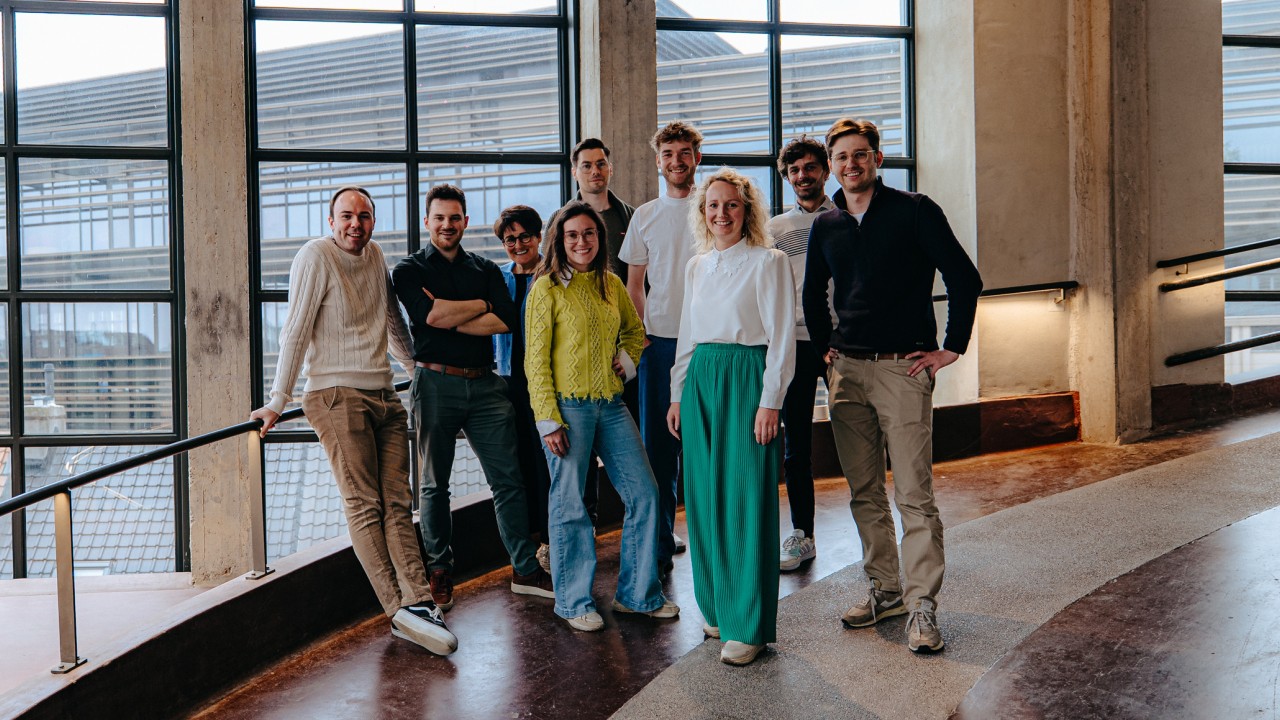
Spotable's €4 million seed round, led by The Harbour with prominent tech investors, positions the Belgian startup to challenge established construction software firms in Europe and the U.S.

President Javier Milei gives the UK a two-week ultimatum to halt the Sea Lion oil project near the Falkland Islands, escalating a long-running dispute over sovereignty and resources.
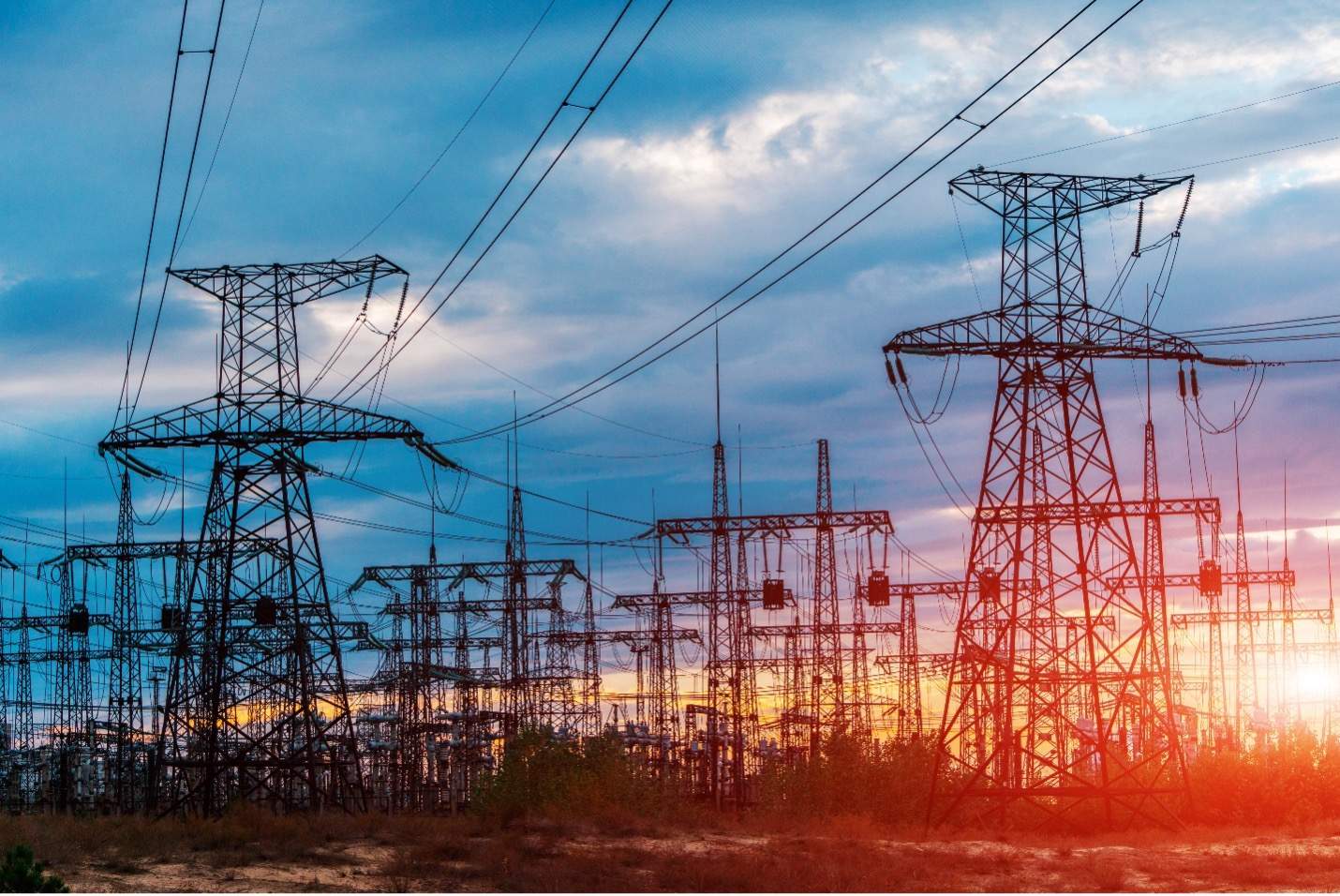
A new report from SET Ventures and Future Energy Ventures finds 40% of EU energy grids are over 40 years old, raising urgent questions for policy, investment and competitiveness.
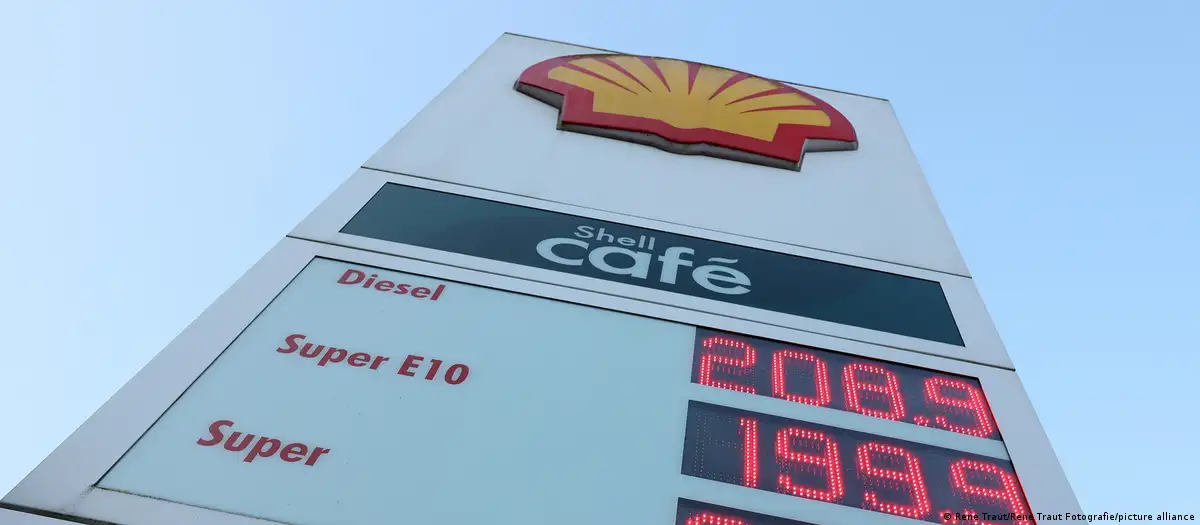
Rising diesel prices are intensifying economic pressures across Europe, with the Ukraine conflict only one component of a more complex supply challenge.
Tekmar Group has secured a €6 million contract extension for a European offshore wind project, strengthening its growth trajectory with new financing as the sector expands.

Metro AG's Russian operations have been placed under temporary administration by the Kremlin, intensifying risks for foreign businesses amid the Ukraine conflict.
SWIFT’s new gateway for Bizum, PayID and Pix allows consumers to send money internationally using mobile numbers or emails, streamlining cross-border transactions between Europe and Latin America.

Digital movements are reshaping how investors spot opportunities, with startups at the forefront of online communities that mobilize capital and signal market shifts.

Shein reported a 67% drop in quarterly profit as rising operational costs and slumping European sales threaten its fast-fashion business model.

Elevated shipping costs are steering U.S. LNG supplies away from Asia and toward Europe, easing some supply concerns as the region enters winter with low gas inventories.

Eureka! Venture has launched the €20 million Eureka! Fund II – Deep Tech Lazio, backed by Lazio Innova, to drive early-stage DeepTech investments across Italy.

Sofinnova Partners has closed its oversubscribed €82 million MD Start IV fund, signalling strong investor confidence and fresh momentum for European MedTech startups.

Brussels is urging the UK to levy tariffs on Chinese electric vehicles, warning that Britain could become a conduit for Chinese automakers seeking entry into the EU market.

Italian compliance platform Complaion has raised €13.5 million in funding led by Eurazeo and Italian Founders Fund, targeting streamlined regulatory solutions for Europe's small and medium-sized businesses.

TotalEnergies will invest up to €14.94 Billion each year through 2032, balancing oil and gas production with ambitious emissions cuts and a growing electricity portfolio.
Italy's energy regulator Arera raises the MACSE auction premium cap to €27,000/MWh, reshaping project economics and bidding strategies for storage developers.

Brussels is preparing membership action plans with target dates for Montenegro, Ukraine, Moldova, and Albania, aiming to clarify accession steps and bolster regional stability amid geopolitical uncertainty.

The European Investment Bank's €140 million guarantee will enable up to €280 million in new financing for Spanish SMEs and midcaps, with a focus on lower-income regions.

Colombia's economic evolution over two centuries marks a shift from colonial gold extraction to modern-day oil dependence, shaping the country's growth and challenges.
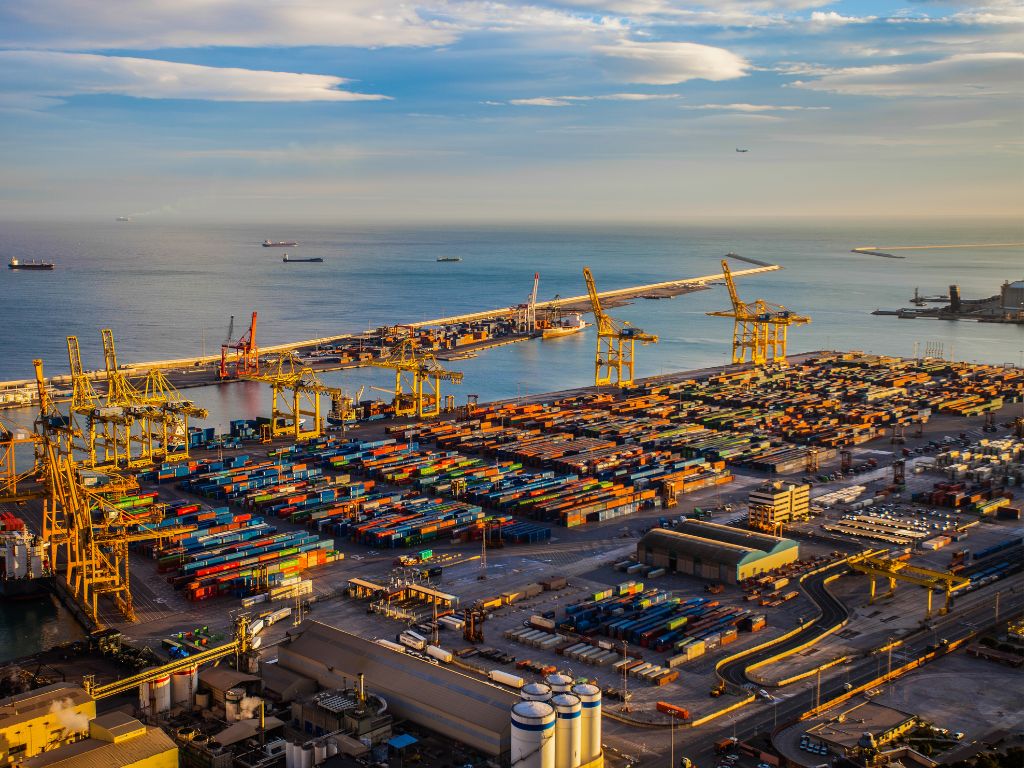
Ports face mounting pressure to invest in infrastructure as shrinking bulk cargo volumes and rising costs threaten operational viability and long-term profits.
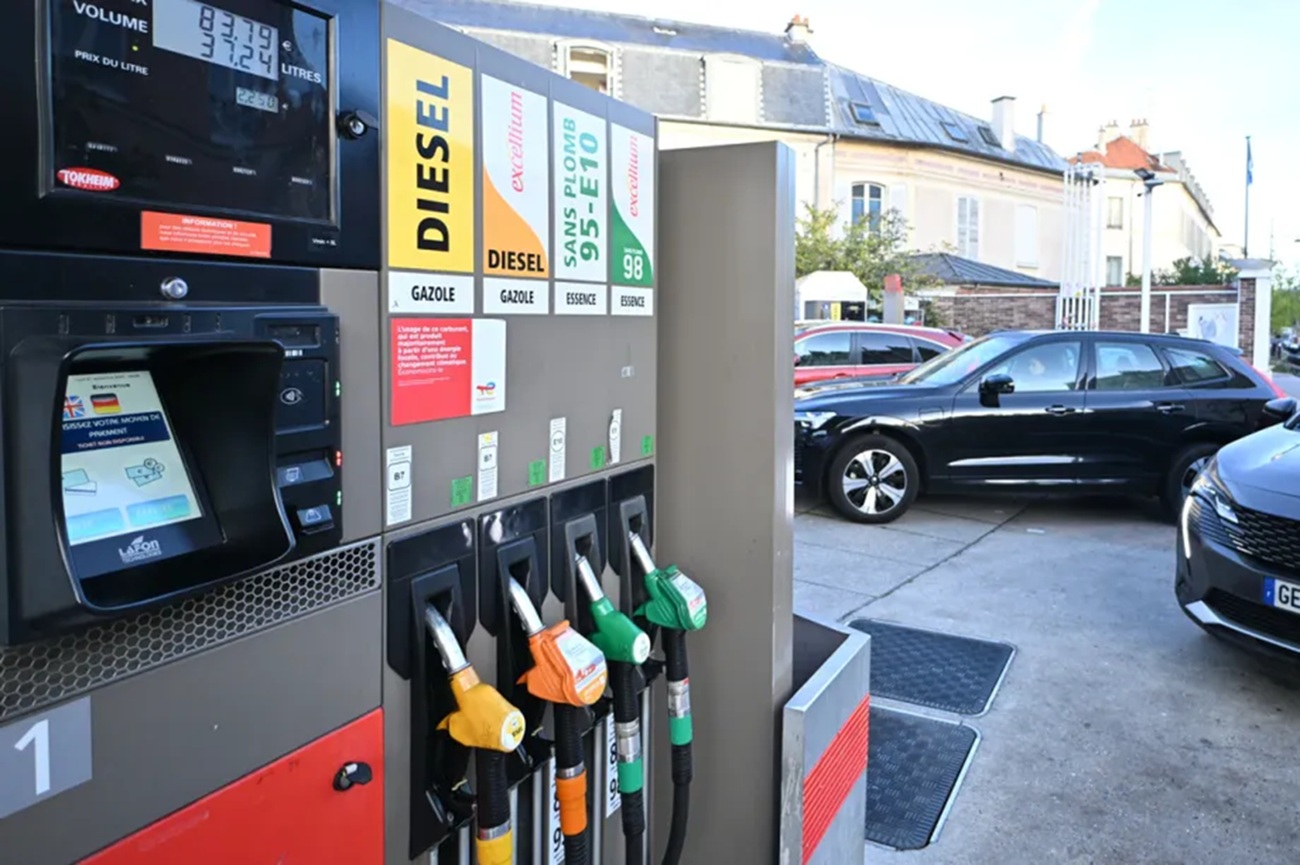
France launches a €450 million aid package to support rural businesses and families grappling with a 50% surge in fuel prices since the Iran war began.

The European Commission has called on EU countries to cut gas and electricity demand as storage levels lag and global supply constraints push energy prices higher.
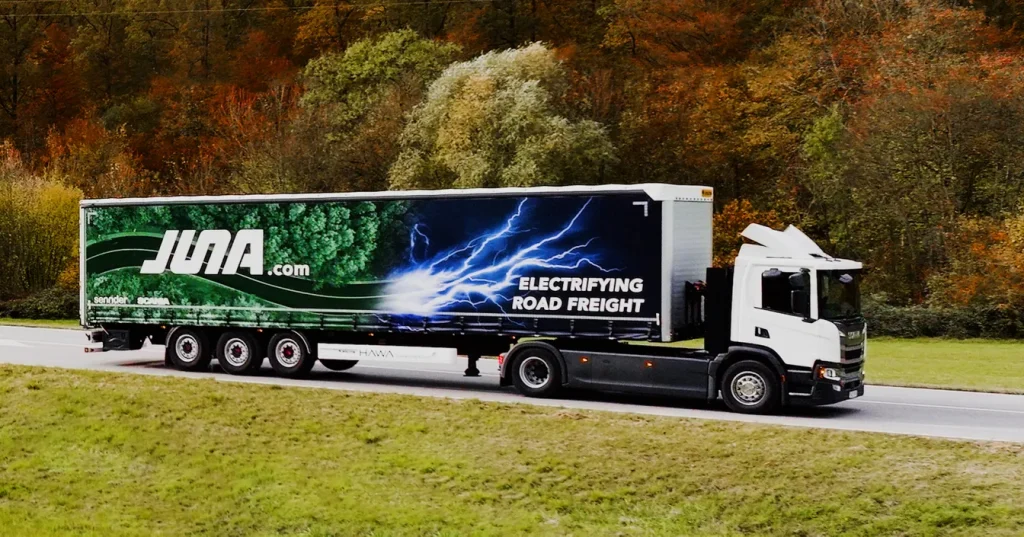
JUNA's rollout of more than 100 Scania electric semi trucks signals a major advance in logistics electrification, with operational costs and sustainability in focus.

The European Union is evaluating launch sites in Norway and Canada to boost satellite capabilities and reduce reliance on external providers, signaling a shift in its global space strategy.
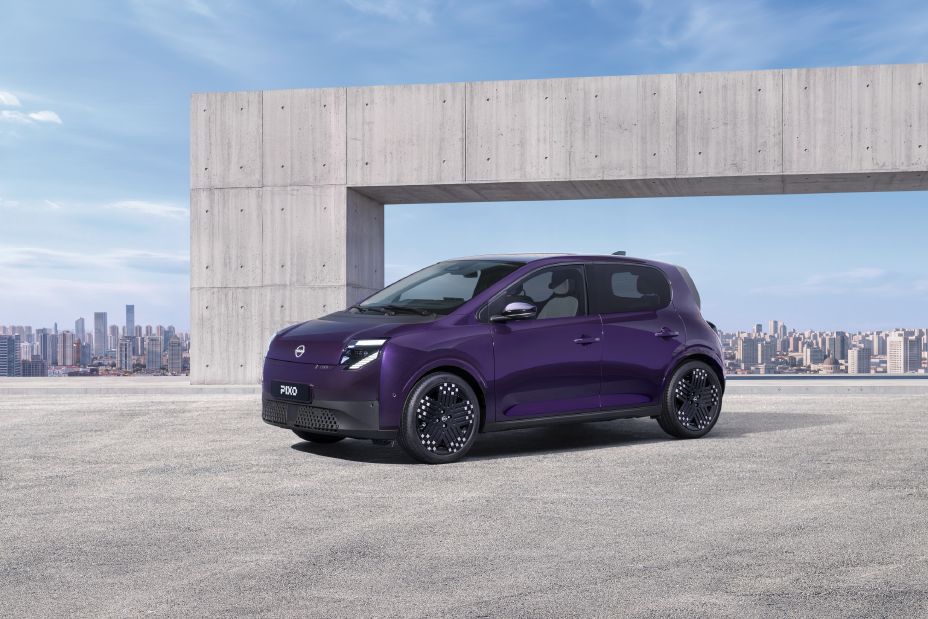
Nissan unveiled the all-electric Pixo for Europe on September 23, aiming to boost its presence in the continent's urban EV segment while excluding its home market of Japan.
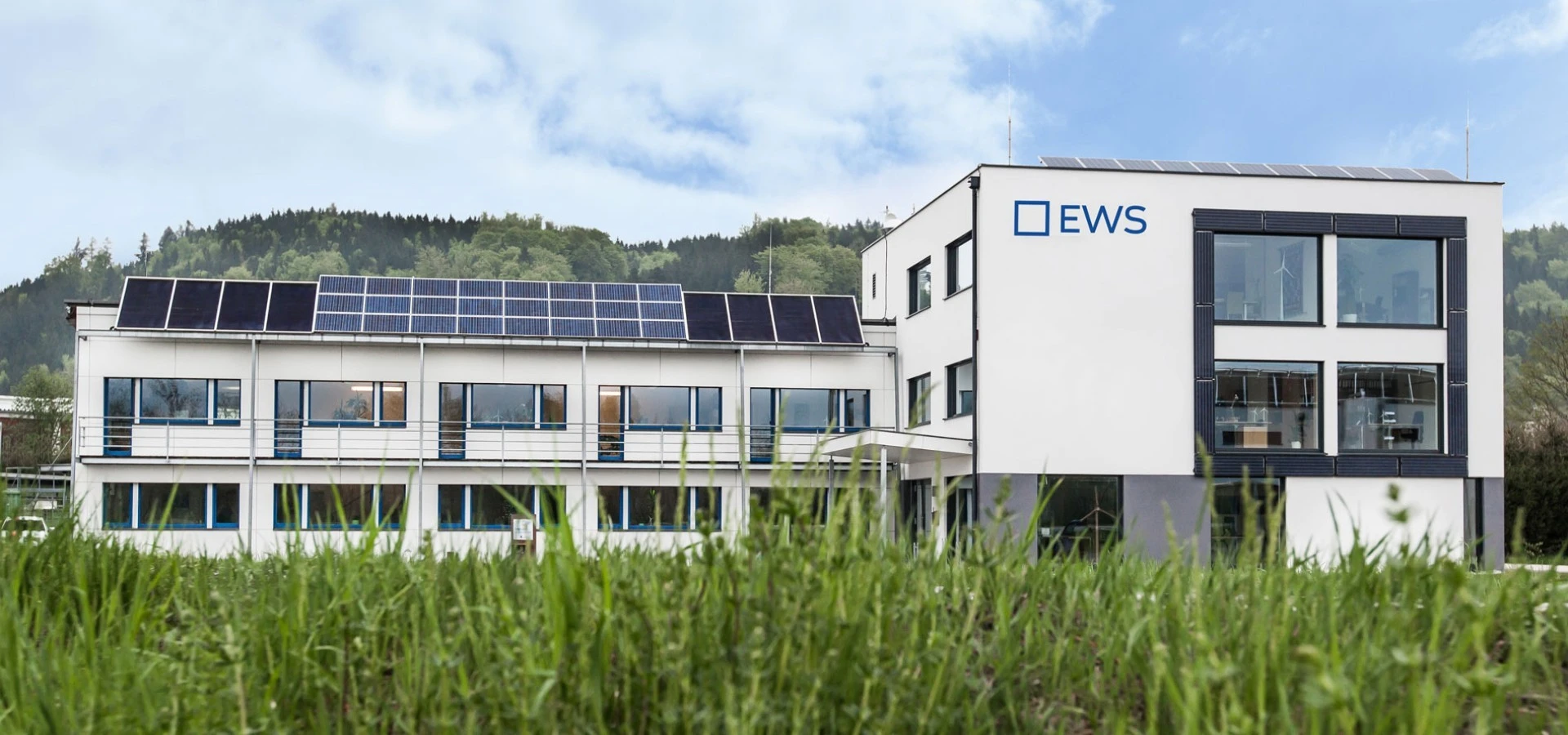
Austrian agrivoltaics provider EWS has reported a 14% increase in winter wheat yield at its Sonnenfeld research site, highlighting the potential for solar-PV systems to boost agricultural productivity in Europe, especially during dry conditions.

Germany’s new roadmap to phase out oil, coal and gas by 2045 positions the country as a climate leader ahead of global negotiations, but domestic policy gaps remain.

Bank of England Deputy Governor Clare Lombardelli warns that persistent high energy prices are increasing the likelihood of an interest rate rise, adding to market concerns over UK inflation and borrowing costs.
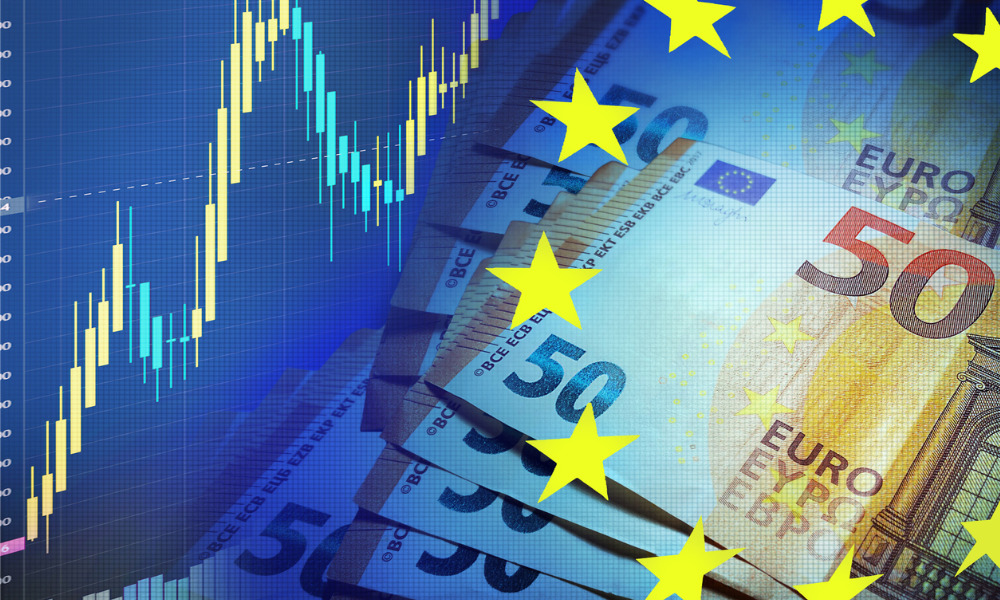
Sovereign borrowing costs eased after another sharp sell-off, although German, French and US yields remained near multi-year highs as energy inflation, public debt and further interest-rate increases continued to unsettle investors.

Battery-electric vehicles accounted for more than one in five new cars registered in the European Union through August, while BYD, Chery and Leapmotor recorded triple-digit growth and increased pressure on established manufacturers.
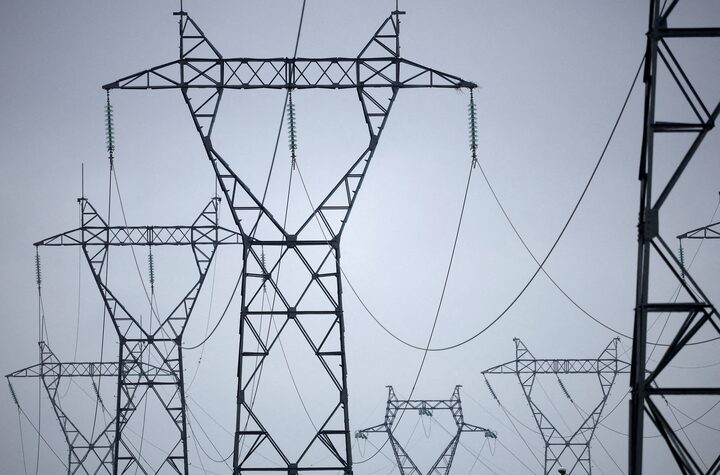
The European Investment Bank’s €19 million financing supports Reactive Technologies in advancing grid stability and clean energy integration across the EU.
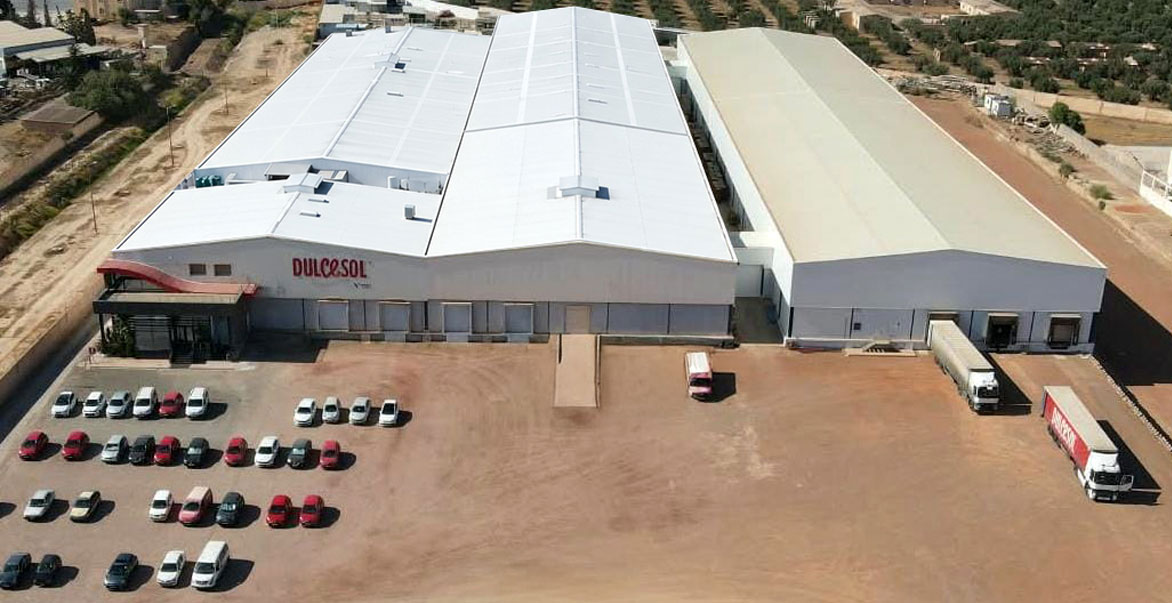
The Dulcesol owner adds cake and bread production lines at its Sig factory, with around 100 new jobs planned.
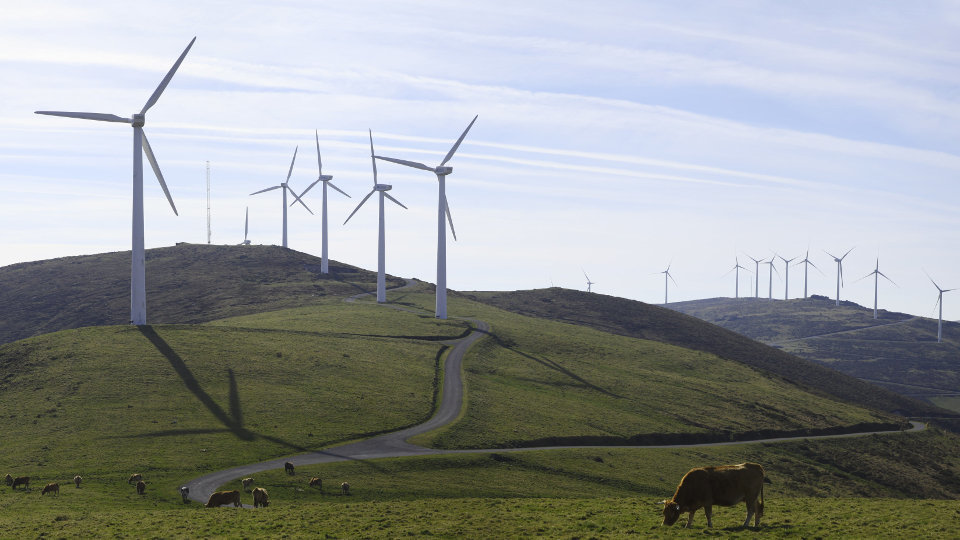
Seven companies from northern Spain are presenting capabilities in metal fabrication, machining, engineering, geospatial technology and industrial inspection at WindEnergy Hamburg as Europe prepares for a new cycle of wind capacity expansion.
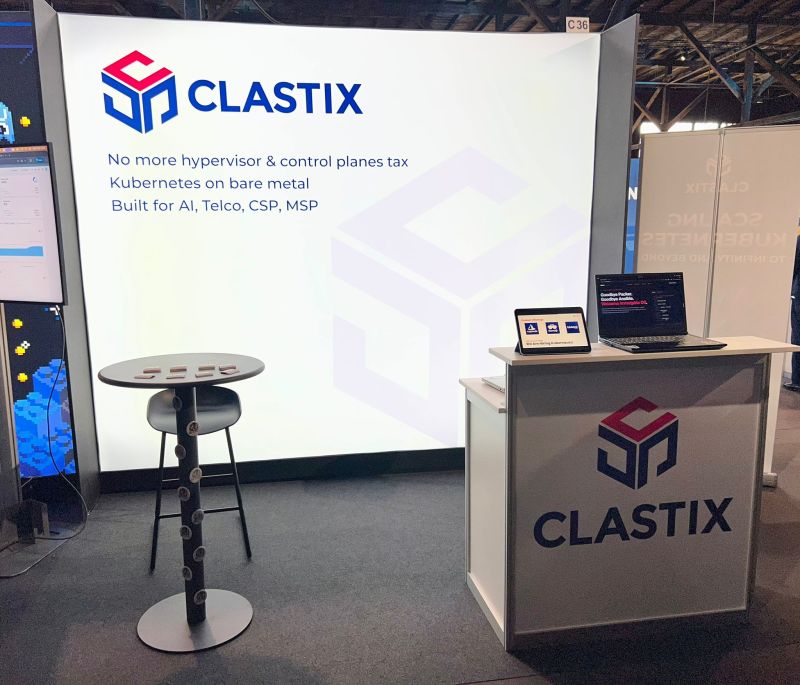
Naples-based Clastix has raised €2.9 million in seed funding, backed by Mistral and EU-supported capital, to develop sovereign Kubernetes solutions for Europe’s AI sector.

FinTech startup Duqu has secured €1.5 million in pre-Seed funding to expand its AI-powered platform, which aims to unlock cash tied up in unpaid invoices, a pressing issue for nearly half of B2B transactions in Western Europe.

The collaboration between Mondelēz International and Lotus Bakeries will reach several European and international markets through two product formats, including a premium box distributed exclusively by Costco.

Innovative solutions from European startups aim to curb soaring data-centre electricity demand driven by the rapid expansion of AI infrastructure.
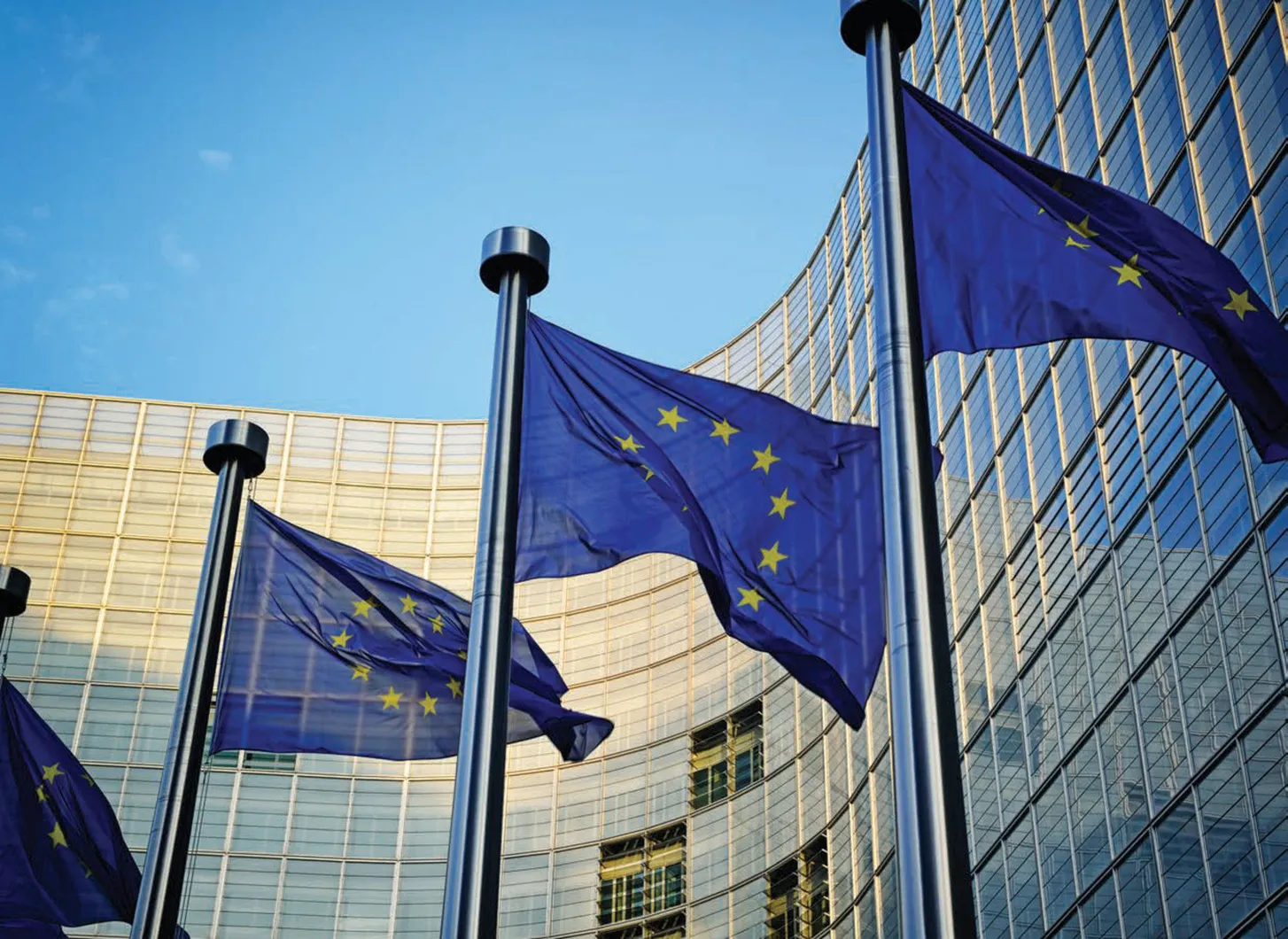
Recent surveys suggest Europe's economy remains unexpectedly robust despite war-driven energy shocks, supporting market confidence and sector stability.
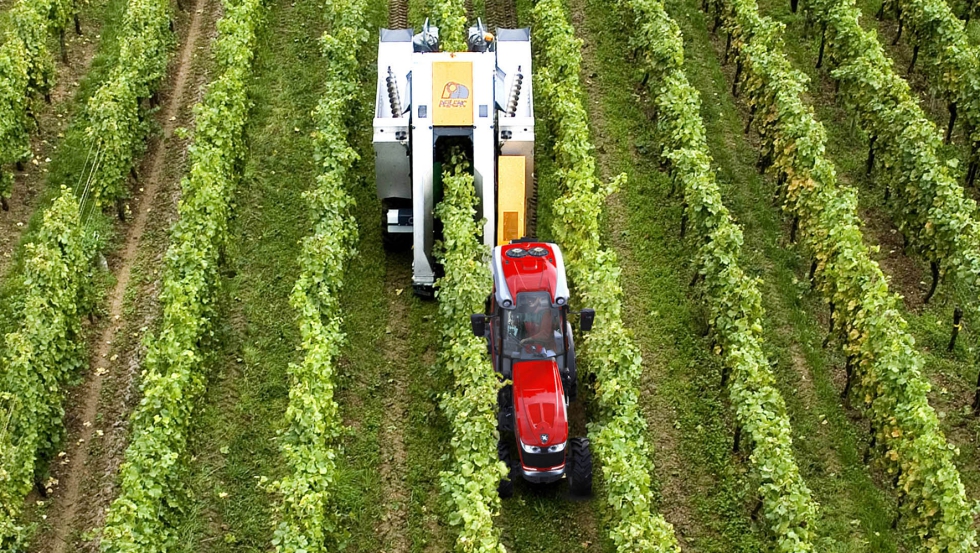
Spanish farm groups warn of widespread crop losses and higher food prices as diesel and fertilizer costs soar following the outbreak of war in Iran, pressing Madrid for immediate intervention.

The European Central Bank is pressing for stricter EU crypto regulation, including a broader ban on stablecoin interest and enhanced oversight of dollar-linked tokens.

The project will add a next-generation mill to the company’s existing pasta factory in Foggia between 2028 and 2030. The wider industrial plan also includes negotiations to transfer three other Italian facilities to specialised partners.
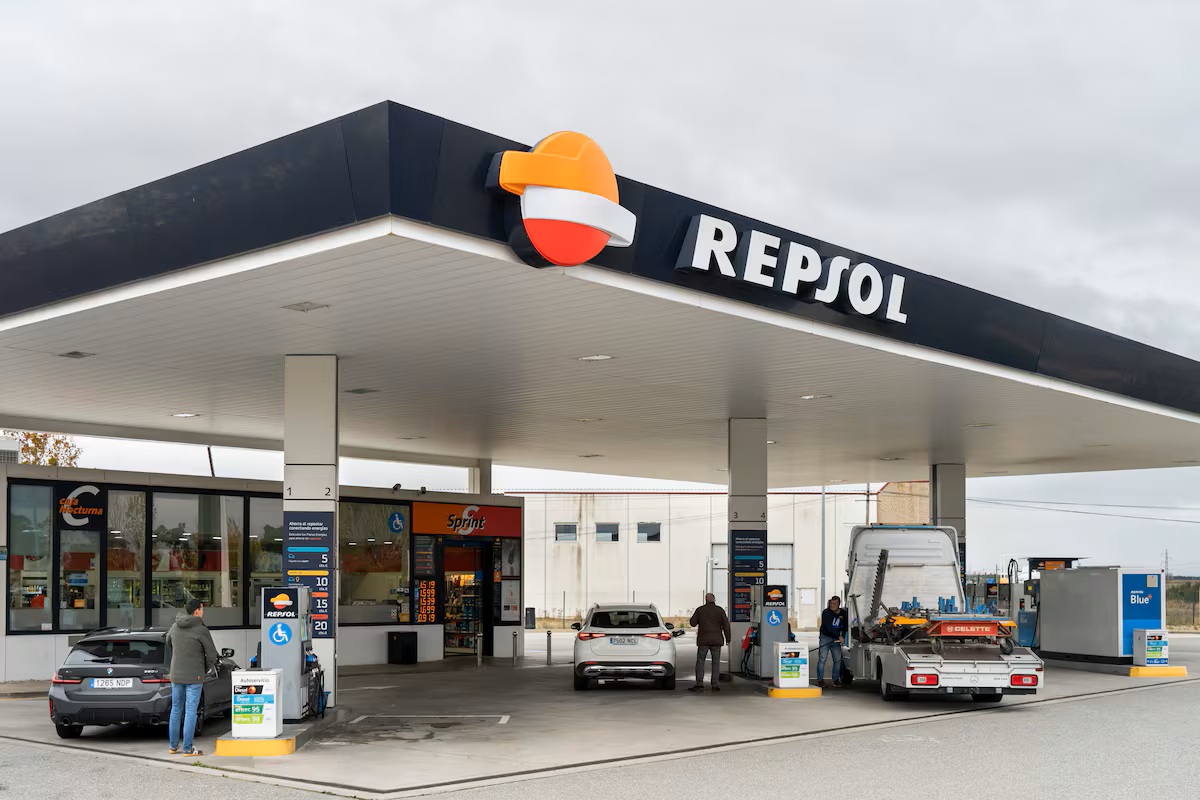
Petrol and diesel costs have climbed to their highest levels since the European Commission began compiling comparable data in 2005. ECB specialists expect diesel refining margins to peak in October, leaving businesses and consumers exposed to further transport-cost pressures.
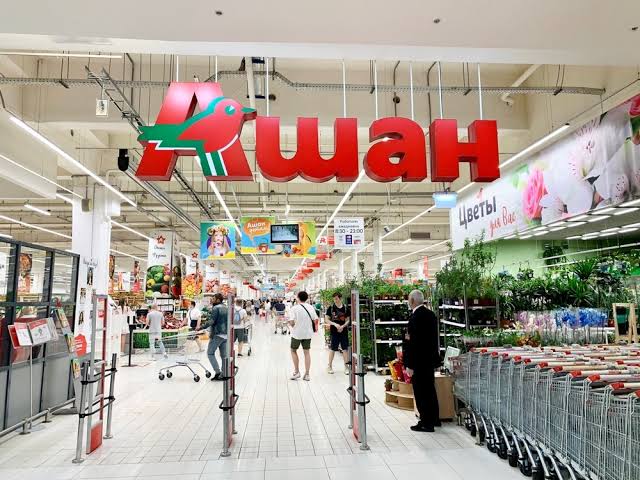
A presidential decree transferred the management of 16 businesses linked to Western groups to a little-known Russian company, escalating the risks facing foreign investors that remain in the country.
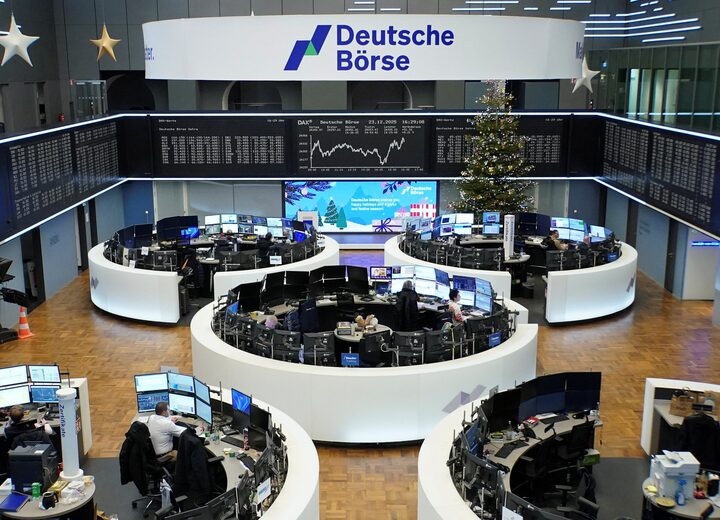
The STOXX 600 advanced 0.5% as investors absorbed the Federal Reserve’s first rate increase since 2023. Lower crude prices supported travel and automotive shares, while attention shifted to the Bank of England.

The US central bank increased its benchmark rate by 25 basis points to 3.75%-4.00% in a unanimous decision. Policymakers also signalled that another increase may be needed before the end of 2026.

The fourth edition will bring together more than 200 executives, producers, investors, policymakers and technology specialists on 21-22 October. Climate risk, European regulation, traceability and supply-chain finance will lead the agenda.

The Irish fashion retailer has formed a strategic partnership with El Puerto de Liverpool to launch in Mexico through a franchise model. Store locations, opening dates and the pace of expansion have yet to be disclosed.

The British fintech has completed the regulatory process required to operate as a bank in Colombia. It will invest an additional €53.7 million in local infrastructure and says almost 200,000 people have joined its waiting list.
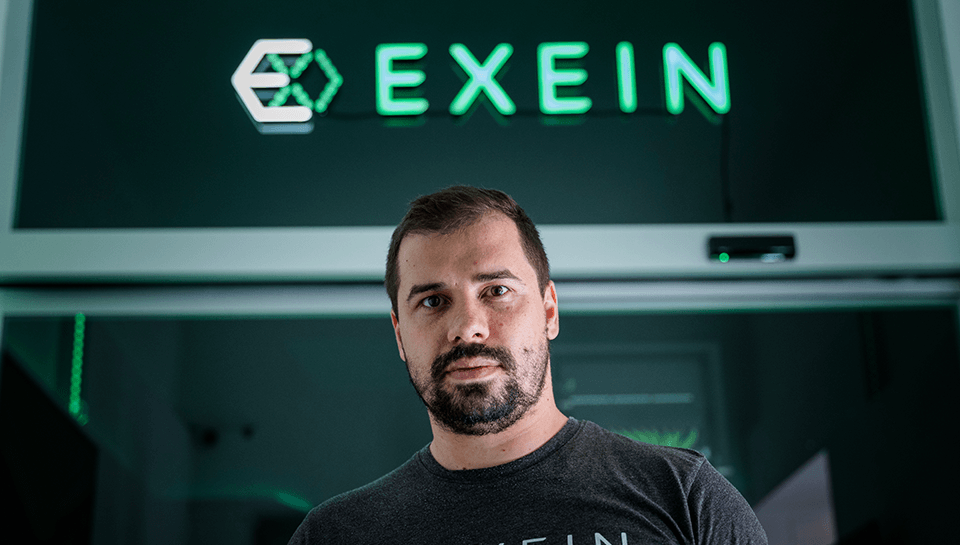
The Rome-based cybersecurity company will use the funding to develop autonomous protection for robots, vehicles, drones and industrial systems. Exein says its network is detecting around 5,000 new attacks every week, five times more than a year ago.

The Vilnius-based legal technology startup secured a seed round led by Vendep Capital, with participation from FIRSTPICK. The company will expand its platform and accelerate commercial growth in the United States, which accounts for most of its prospective business.
The proposed framework seeks to reduce administrative barriers and regulatory uncertainty for European and local investors. It is the EU’s first Sustainable Investment Facilitation Agreement with a Latin American country and places particular emphasis on renewable energy and raw materials.

The inaugural meeting will take place in Punta del Este on 2 December, seven months after the provisional application of the interim trade agreement. Sectoral panels and business meetings will focus on agribusiness, digital transformation, logistics, energy and critical raw materials as both regions seek to convert the new framework into trade and investment.

European-domiciled funds focused on Latin America have attracted approximately €3.1 billion in net inflows during 2026, reversing years of withdrawals. Rising oil and copper prices, lower valuations and the region’s relative distance from major geopolitical conflicts have strengthened demand, although commodity dependence, market concentration and political uncertainty remain significant risks.
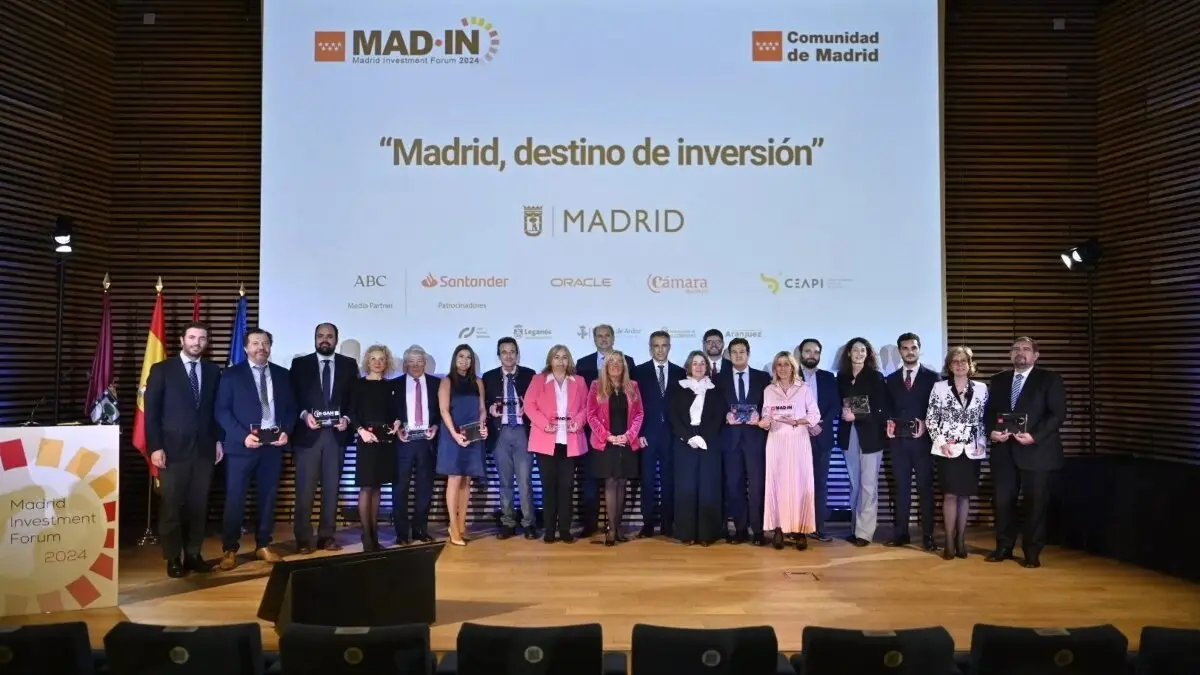
The regional government will hold the third edition of the investment event from 28 to 30 September. Its programme will extend beyond the Spanish capital to present business opportunities in data centres, artificial intelligence, healthcare and security-related industries.
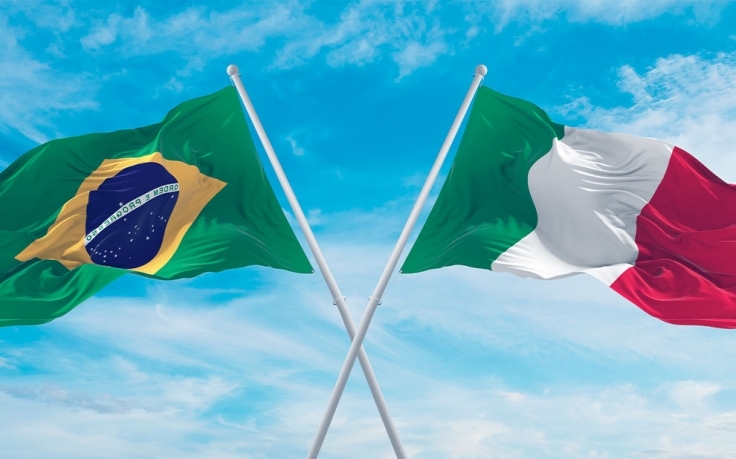
Foreign Minister Antonio Tajani is leading a business delegation that includes Confindustria, ICE, SACE, SIMEST and CDP. Bilateral trade reached €11.07 billion in 2025, while the first figures following the EU–Mercosur agreement show a 22.3% increase in Italian exports to Brazil.

The city-state government wants the majority publicly owned Start-Up Labs Hamburg to acquire and refit the former Expo pavilion, creating a 6,000-square-metre entry point for entrepreneurs, investors and support programmes. The transaction still requires parliamentary approval, and initial occupancy is not expected before April 2027.
The Spanish pharmaceutical group obtained marketing authorisations for empagliflozin medicines in Sweden and Portugal and for octreotide products in the Netherlands. It also reached an agreement to supply its Precyst women’s health supplement in seven Latin American markets and launched two injectable veterinary medicines in Spain.

The Spanish insurance claims consultancy, launched in April with the backing of Miura Partners, has appointed local directors in three markets. The move creates a regional platform for handling complex losses across energy, infrastructure, construction and industry.

The Italian initiative would shield small businesses from charges on low-value transactions, with negotiators considering either a €0.02 ceiling or a complete exemption. The proposal is not yet EU law and forms part of wider talks over how banks, merchants and the European Central Bank will share the cost of the new payment system.

The Samsung-led Series D is the largest equity fundraising announced by a European technology company. Mistral will use the capital to develop artificial intelligence models, expand its computing infrastructure and build an enterprise platform capable of competing with larger US providers.

The undisclosed investment will support tailored credit products for drivers and couriers, beginning in Mexico before expanding to Chile and Colombia in early 2027. The partnership could lower one of the main barriers to joining the platform economy, but the companies have not disclosed loan costs, eligibility criteria or how worker data will be used.
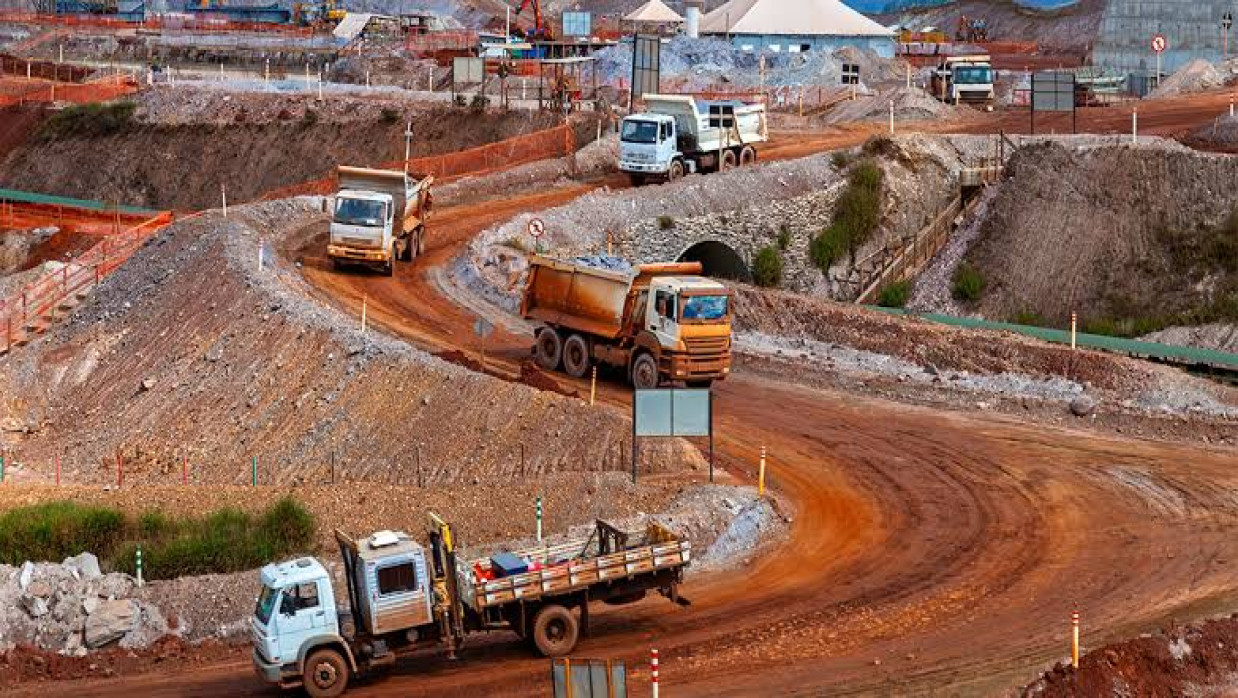
A Senate-approved framework would mobilise up to €1.17 billion through project guarantees and incentives for local processing. Brasília wants the country to capture more value from rare earths and other strategic resources, although new powers to screen foreign investment and concerns about environmental safeguards could influence its implementation.
The German reinsurer expects slightly lower prices in the January 2027 renewals but plans to maintain or expand capacity where returns meet its thresholds. Latin America’s insurance protection gap and opportunities to gain market share in Europe are central to the strategy, supported by a €1.4 billion half-year profit and a 254% solvency ratio.

The Spanish snack manufacturer and distributor will build a 33,000-square-metre production centre in Maçanet de la Selva and open a logistics facility in Madrid. The programme is expected to create around 500 jobs, double production capacity by 2030 and support the company’s target of reaching €600 million in annual revenue.

Brussels removed Brazil from its list of approved suppliers over concerns about compliance with EU rules on antimicrobial use, affecting beef, poultry and other animal products. Brazilian authorities are seeking a negotiated solution and have warned that reciprocal measures remain an option.
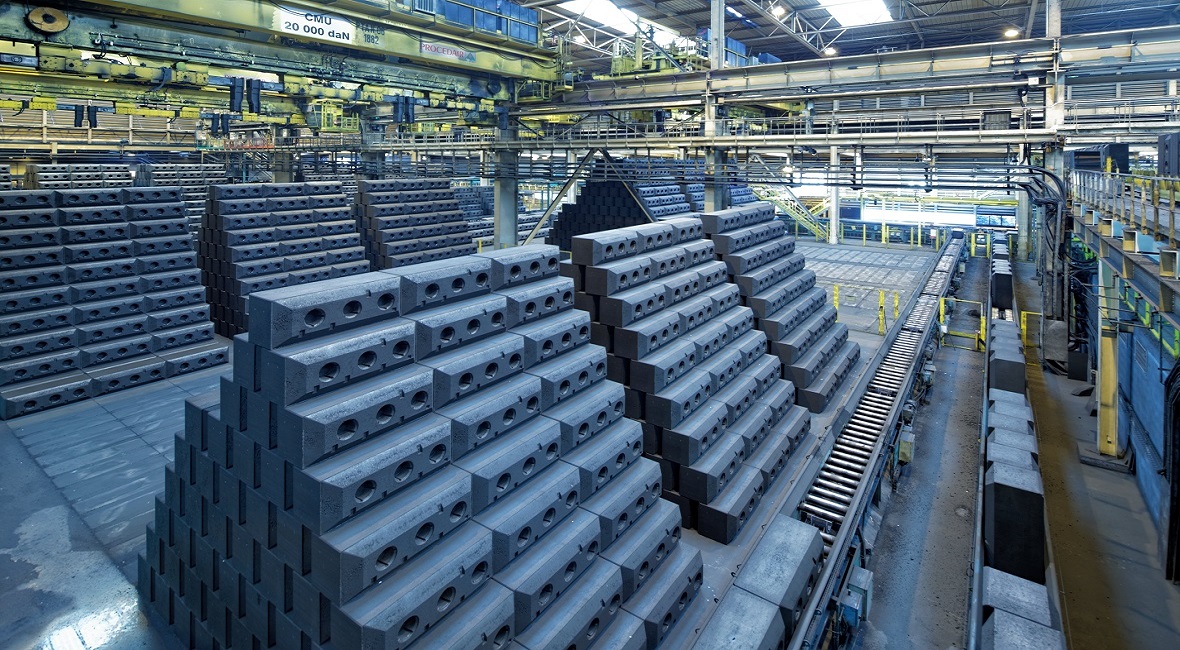
The European Commission is working on a measure that would prohibit exports of waste, including aluminium scrap, to countries outside the OECD, with limited exceptions for some EU candidates. The proposal, still subject to consultation, would replace a narrower trade mechanism that Brussels concluded could affect only around half of current scrap shipments.

The Spanish intellectual property group is broadening its services for healthcare companies operating across Europe and the Americas, combining patent expertise with regulatory advice and clinical research capabilities.

Brazil accounted for nearly four-fifths of Italian exports to the South American bloc in May, while Uruguay and Paraguay recorded the highest percentage increases. The figures coincide with the first month of provisional application of the EU–Mercosur trade agreement, although a longer data series will be needed to measure its impact.

The Galician renewable energy company plans to supply power conversion technology for large battery and solar projects, prioritising Brazil, Chile, Argentina, Mexico and Guatemala. Its strategy represents a shift from industrial microgrids towards grid-scale installations, although Norvento does not intend to assume the role of full battery-system integrator.

The oilfield services group said it is neither participating nor planning to bid for hydrocarbon projects around the Falkland Islands (Islas Malvinas). The statement follows Argentina’s adoption of Decree 868/2026, which links compliance with its sovereignty legislation to access to domestic oil permits and investment incentives.

President Javier Milei announced measures to accelerate penalties against companies operating around the Falkland Islands (Islas Malvinas) without Argentine authorisation. The initiative could extend restrictions to shareholders, directors, suppliers and financial partners involved in the Sea Lion oil project, although its implementation will remain contested by the companies, the islands’ authorities and the United Kingdom.
The Spanish technology company will develop a cloud-based platform for the port community as European regulations standardise maritime reporting and electronic customs procedures. The project’s value and commissioning date have not been disclosed.
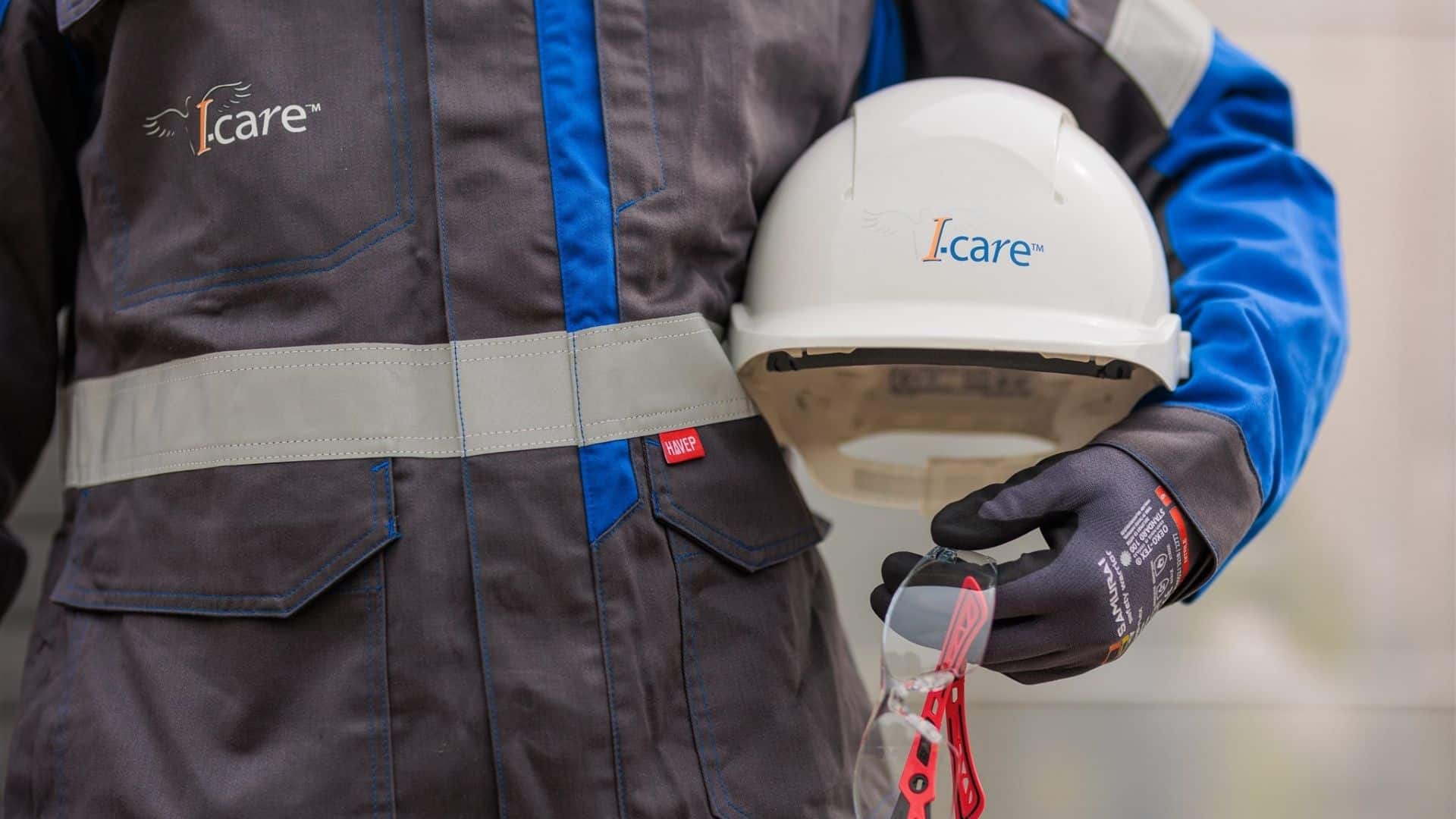
The industrial technology company combines connected sensors, artificial intelligence and engineering services to anticipate equipment failures. Its subscription model offers manufacturers an alternative to purchasing and managing separate monitoring systems.

The service begins with fewer than 20 vehicles and no additional charge for passengers. The launch brings Wayve’s technology onto Uber’s London network, while fully driverless operations remain a subsequent step requiring further approvals.

Markets expect another quarter-point increase on 10 September, which would lift the deposit rate to 2.50%. But easing underlying inflation complicates the case for a more aggressive tightening cycle as policymakers assess the impact of the energy shock.

The in-app assistant combines spending analysis, card controls, investment information and travel planning. Its arrival in Spain extends the rollout of a service introduced in the United Kingdom in April and adds a conversational interface to Revolut’s financial platform.

Expanding drone and counter-drone programmes are increasing demand for materials also used by civilian industries. Projects in Europe, Canada and Brazil aim to diversify supplies, but much of the additional capacity remains under development.

The transaction gives DHL Global Forwarding its first wholly owned operation in Uruguay after 33 years of working with the local company. The acquisition adds 44 employees and capabilities in pharmaceutical distribution, industrial projects and regional logistics. Financial terms were not disclosed.

The fashion retailer opened its first British store in Liverpool and plans two more locations before the end of 2026. The rollout is expected to create more than 400 direct jobs, combining affordable clothing with online sales and automated store operations.
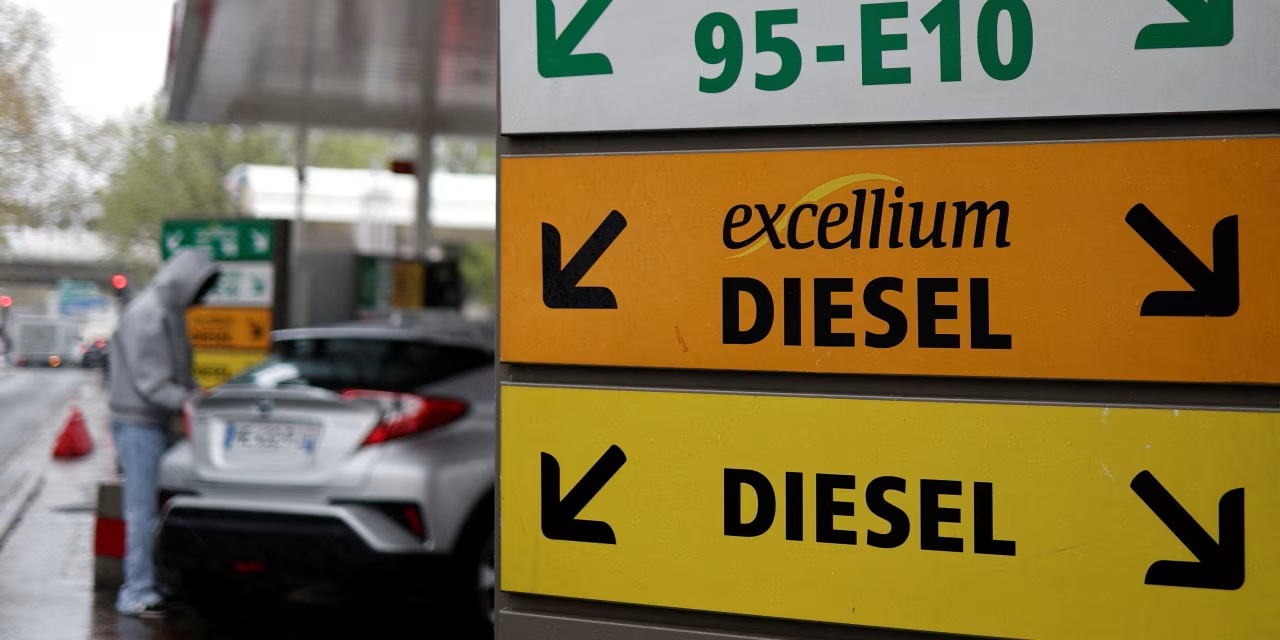
Energy prices accelerated in August, pushing inflation further above the European Central Bank’s target. However, a decline in core inflation complicates the case for sustained interest rate increases beyond the move markets expect in September.
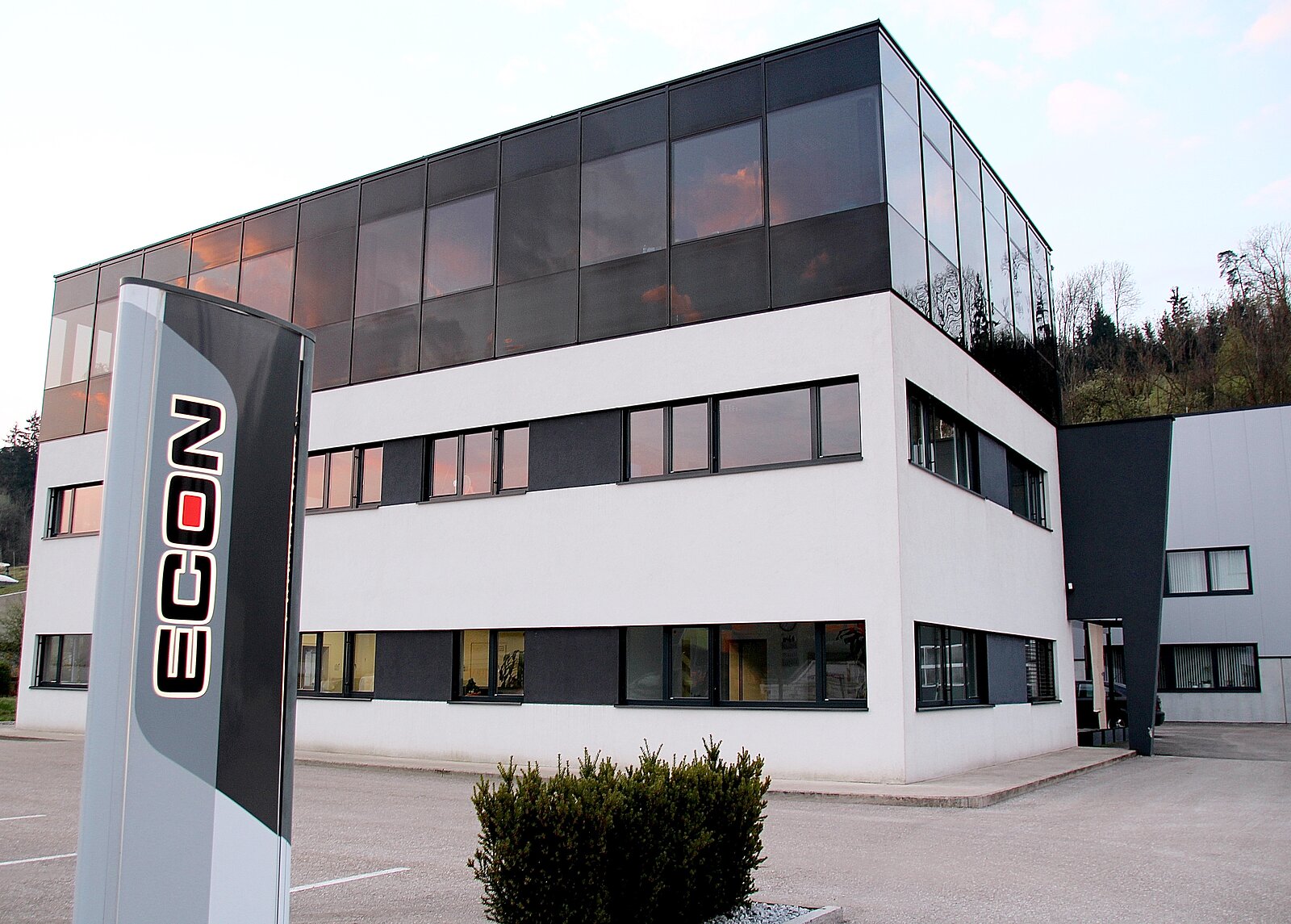
The Upper Austrian manufacturer of plastics pelletizing systems has launched ECON Brasil in Santa Catarina, combining sales, technical service, assembly and logistics. The expansion follows a year in which the export-driven company generated more than €34 million in revenue and strengthens a global network that already includes the United States, China and India.
The Canadian software group has acquired the French developer of artificial intelligence systems that detect birds and bats around wind turbines. Financial terms were not disclosed, while founder Henri-Pierre Roche will remain chief executive and continue leading the company.

The three services exceeded the threshold of 45 million monthly users in the European Union, triggering additional obligations under the Digital Services Act. ChatGPT will be regulated as a very large online search engine, while Reddit and Roblox have been classified as very large online platforms.
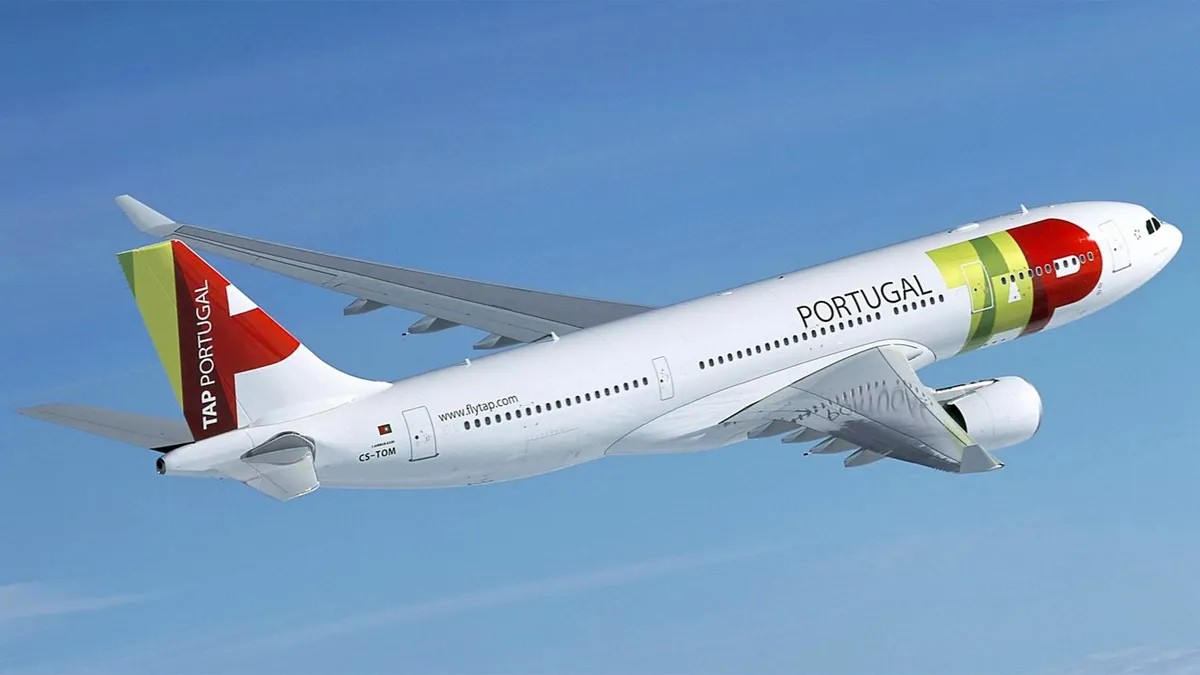
TAP Air Portugal carried a record 8.2 million passengers and increased revenue during the first half of 2026, but higher fuel, personnel and fleet-related expenses pushed the airline deeper into the red. The results come as Portugal evaluates bids from Air France-KLM and Lufthansa for a minority stake in the state-owned carrier.
Erasmus for Young Entrepreneurs finances part of the travel and living costs of aspiring founders and business owners with less than three years of experience. Applications remain open throughout the year, exchanges last between one and six months, and the programme has no upper age limit.

Eni, BP, Shell, Equinor, TotalEnergies and Repsol are combining upstream assets in separately managed companies that can raise their own debt. The model preserves access to production, reserves and dividends while limiting the amount of borrowing consolidated by the parent groups.

The 2,130-square-metre store combines Korean-inspired products and architecture with a café, digital services and automated returns. The project reflects Inditex’s strategy of concentrating investment in larger locations capable of supporting sales, fulfilment and brand development.

Every European Union member state must make at least one government-recognised digital identity wallet available by the end of 2026. Banks, financial services, utilities, telecommunications companies and other regulated providers will subsequently face acceptance obligations, but differences in national readiness, unfinished certification work and privacy concerns point towards a gradual rather than simultaneous European launch.
The Italian energy group has acquired a 50% operating interest in OFF-5 alongside YPF subsidiary MIWEN after receiving approval from the Uruguayan authorities. Eni has also agreed to enter the adjacent OFF-6 block with a 40% stake, building a larger exploration position in one of South America’s emerging offshore frontiers.

The new location at Focus Mall covers more than 500 square metres and represents Mango’s first store in Zielona Góra and the wider Lubusz region. It is the fourth Mango opening at a Polish shopping centre owned by NEPI Rockcastle in 2026, consolidating a relationship that is helping the Spanish fashion group extend its reach beyond the country’s largest metropolitan markets.
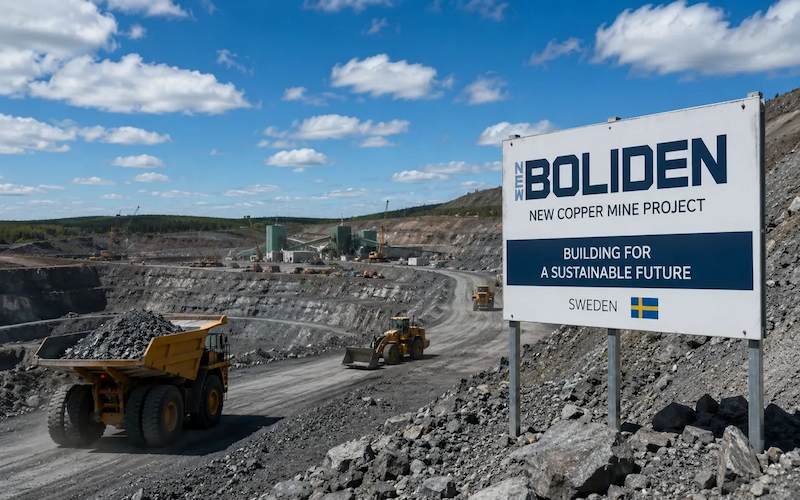
The Swedish metals group will acquire Votorantim’s 64.68% stake in Nexa Resources through a share exchange that values the entire company at approximately €1.74 billion. Boliden will subsequently offer cash for the remaining publicly traded shares, but the transaction still requires shareholder and regulatory approvals before its expected closing in early 2027.

Italy exported nearly €1.3 billion in goods to Chile in 2025 and is already the country’s sixth-largest foreign investor, yet it represents only around 2% of the Chilean import market. New EU trade rules, a pro-investment reform agenda and major projects in mining, energy, transport and industrial technology are creating a broader entry point for European SMEs.
The Portuguese infrastructure group generated €74 million in attributable profit during the first half of 2026, supported by higher activity and margins in Africa and Latin America. Revenue reached €2.90 billion and EBITDA climbed to €487 million, although weaker European operations, rising debt and lower operating cash flow remain important challenges.
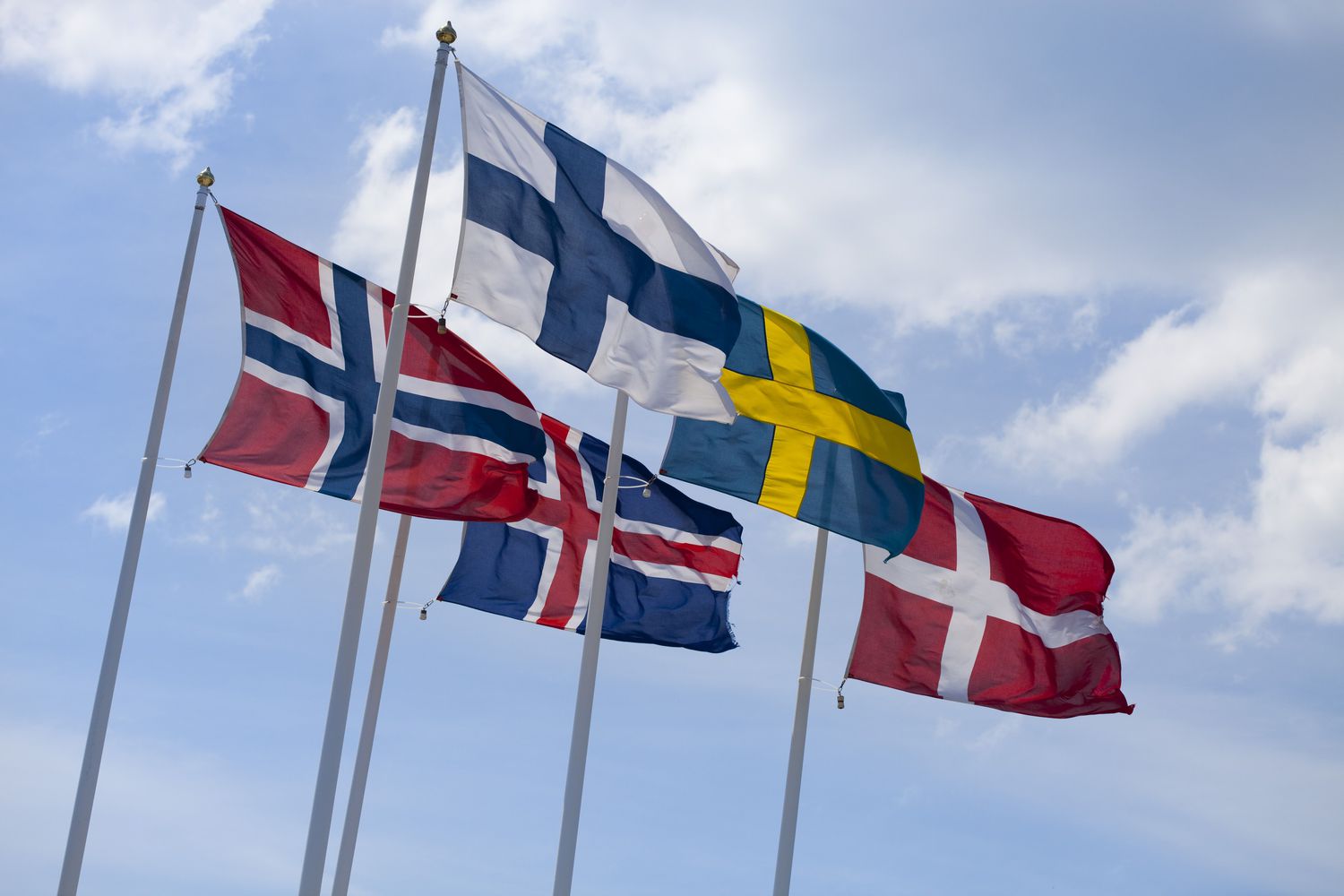
Nordic Compass is examining whether the exchanges of Sweden, Denmark, Norway and Finland could operate as a more integrated marketplace. The initiative could range from harmonised regulation and settlement systems to a full combination of the national bourses, although discussions remain preliminary and no agreement has been reached.

SKY’s shareholders will receive an ownership interest in Abra, the parent company of Avianca and GOL, while the airline will be transferred to a newly created independent company. The transaction strengthens Abra’s presence in Chile and Peru, although it will only become effective after closing and does not introduce immediate changes for passengers or employees.

The German automotive group has already agreed to eliminate around 50,000 positions by 2030 and says its remaining cost disadvantage is equivalent to another 50,000 roles worldwide. Management insists the additional figure is not a fixed target, but the prospect of deeper cuts and possible factory closures has intensified tensions with workers and political stakeholders.

The German lender will relocate its technology, operations and other infrastructure teams to YY London in early 2028. The move reinforces Deutsche Bank’s commitment to the British capital and provides a further boost to Canary Wharf’s recovery as a financial and technology district.
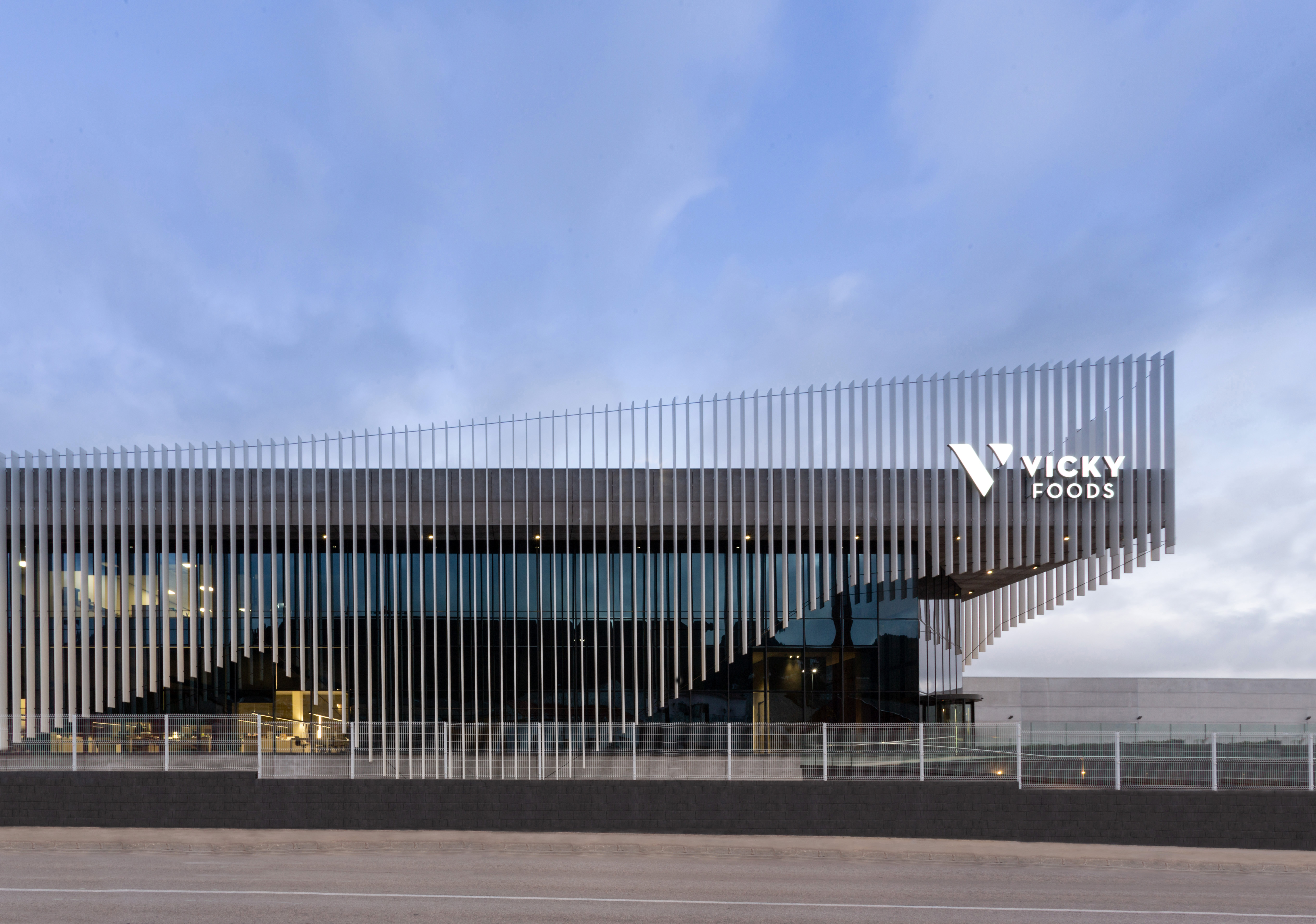
The Spanish food group increased employment by nearly 15% in 2025, supported by an international network of five factories, exports to more than 50 countries and €244 million invested in industrial capacity over five years.
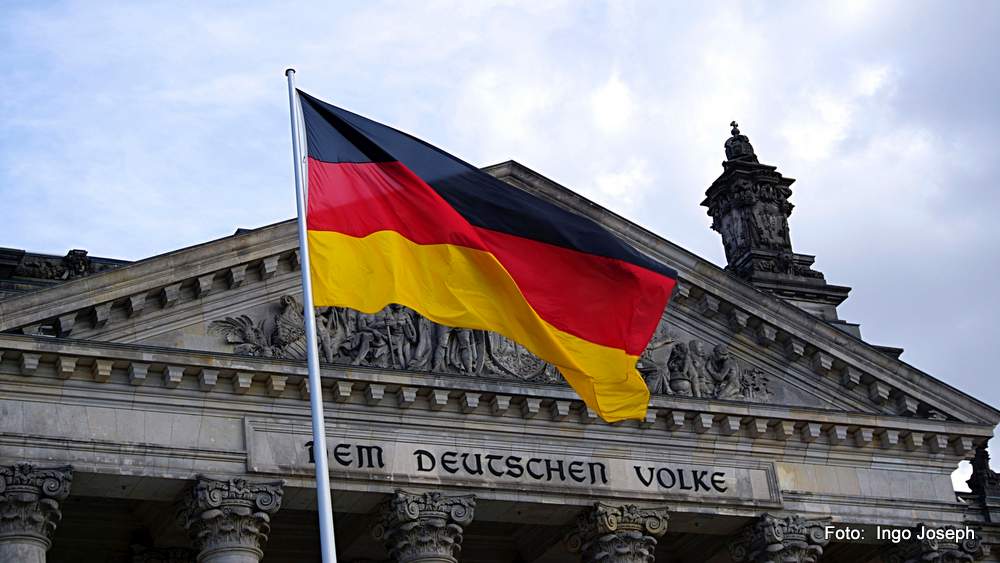
Europe’s largest economy expanded for a third consecutive quarter and business confidence improved sharply, but weak investment, subdued consumption and falling employment show that Germany’s recovery remains fragile.

The Oslo-listed company’s eighth and largest acquisition will add a profitable solar services business, extend its reach across 15 European markets and bring more than 250,000 installations within range of its Endurance AI platform.

The German robotics company is buying 100% of autonomous cleaning specialist Adlatus and plans to connect its machines to the Neuraverse, weeks after another acquisition from Bosch Rexroth. The strategy points to a broader ambition: building shared AI infrastructure for robots operating in the physical world.

Argentina is expected to expand 3.3%, outperforming Brazil and Mexico, but the broader region remains constrained by weak investment, low productivity, informal employment and tighter global financial conditions.
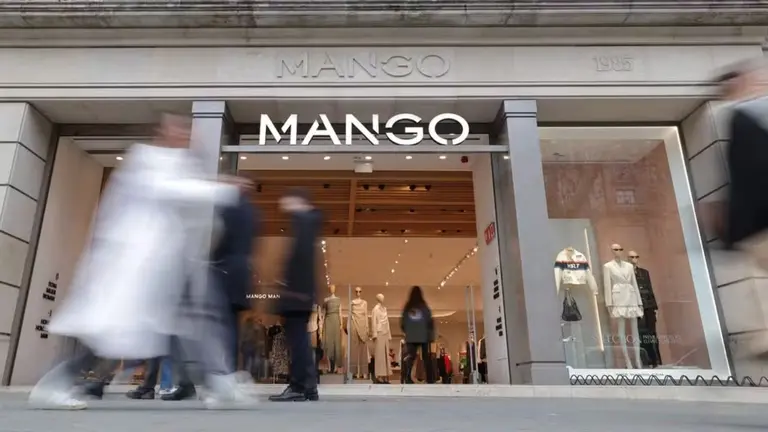
The Spanish fashion group will return to Argentina after more than two decades with a flagship opening at Alto Palermo in Buenos Aires. Local partner Grimoldi plans five stores over five years, while Rosario is emerging alongside the capital as another key destination for international retailers.

Germany, Italy, Spain, Austria, Poland and Portugal want EU finance ministers to debate a new levy on extraordinary oil profits, reviving a controversial policy first deployed during the 2022 energy crisis.

Investors poured more than $700 million into fintech companies worldwide over the past week, with France’s Ingenico securing €150 million and AI accounting platform Rillet.
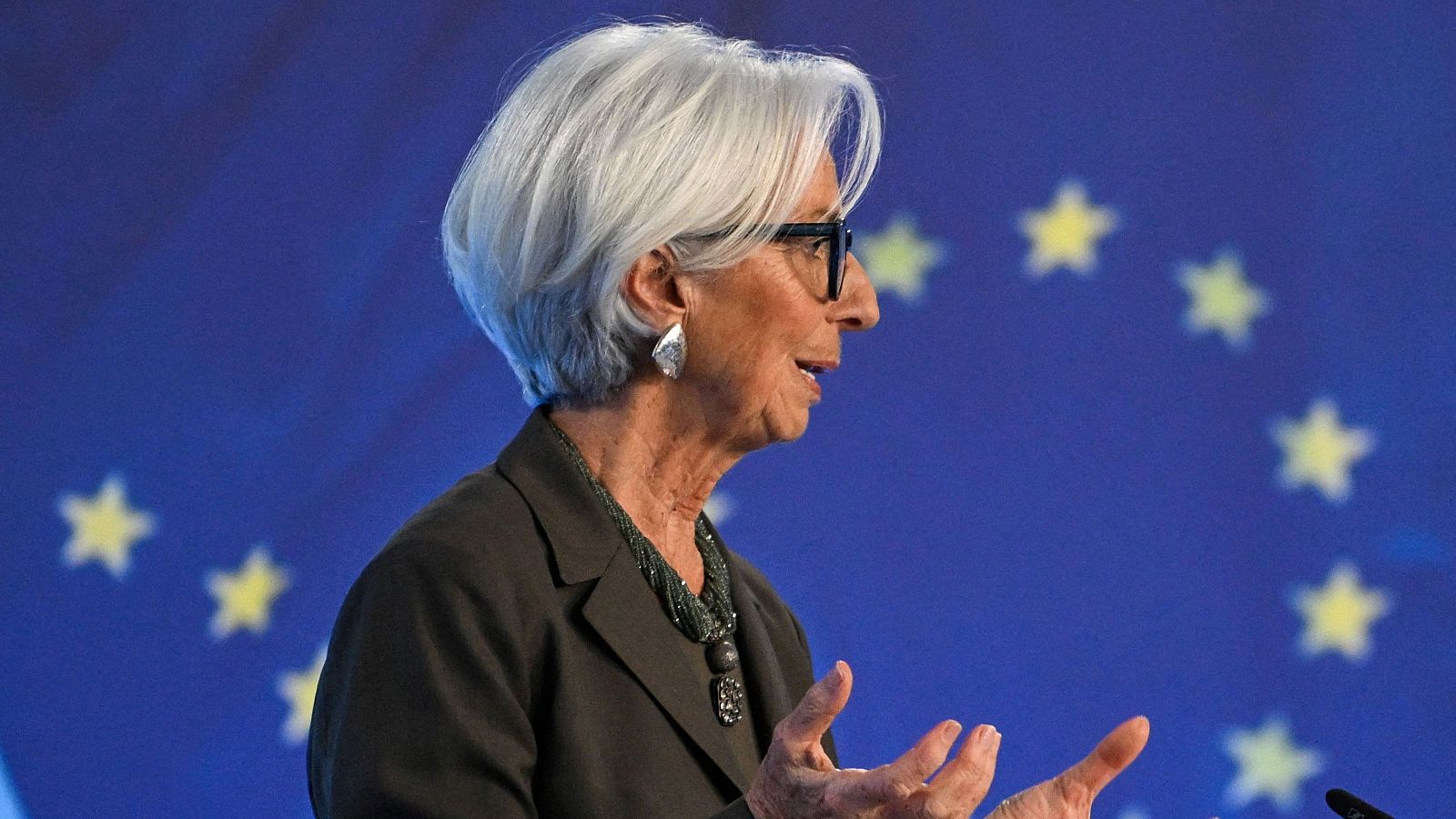
The ECB president says the three pillars that supported Europe’s post-war economic expansion are weakening simultaneously, while fragmented markets threaten the continent’s ability to compete in artificial intelligence and retain fast-growing companies.
From defence and biotechnology to banking and professional services, a new screening of European equities highlights companies combining substantial insider ownership with strong earnings growth forecasts.
The Swiss construction group will acquire the German-based walling and flooring specialist from James Hardie Industries, adding projected 2026 net sales of around €430 million and strengthening its presence across 13 European markets.
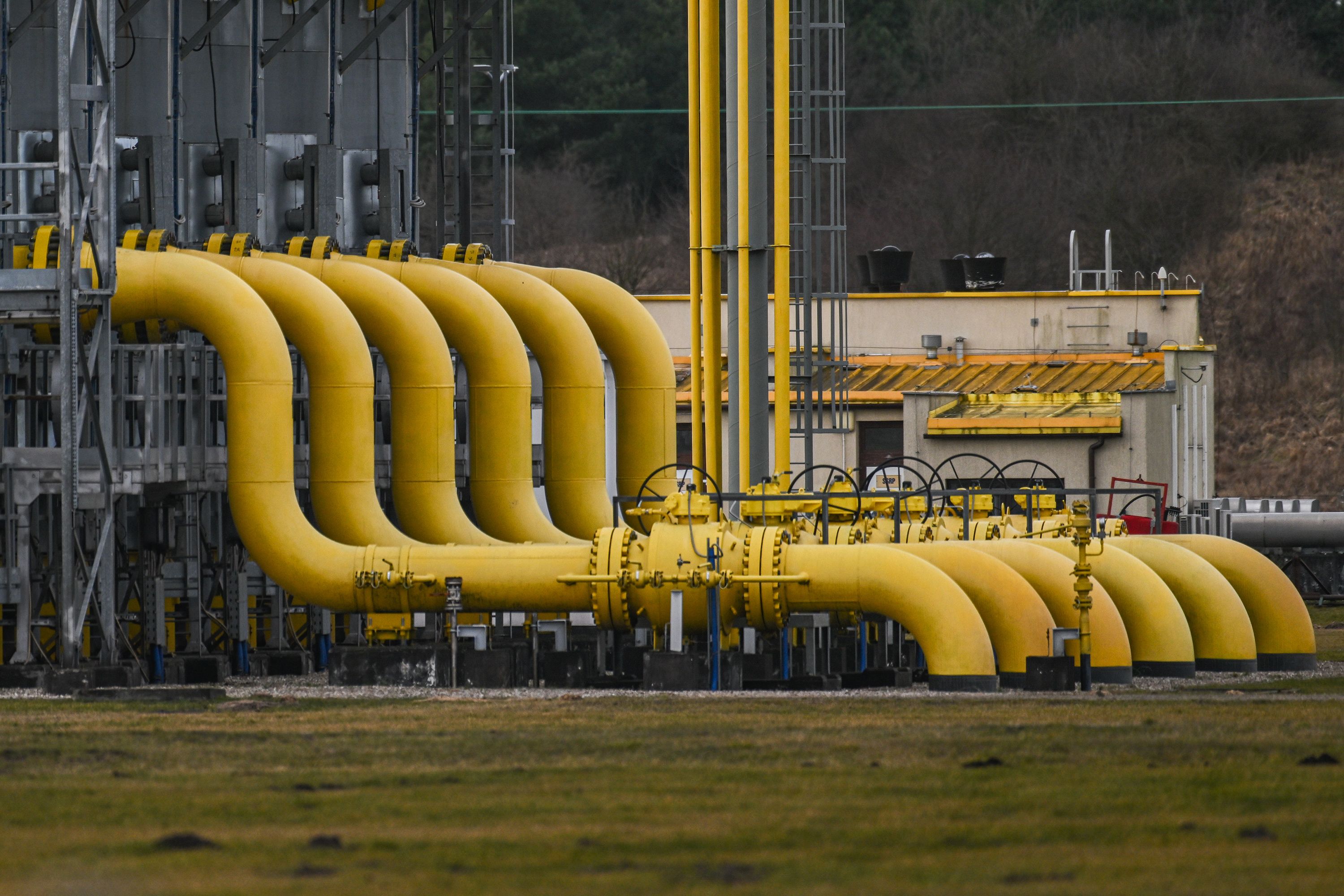
Europe is entering the final stretch before the heating season with gas inventories at historically low levels, while heatwaves, supply disruptions and stronger power demand push prices higher. The energy shock could also complicate the ECB’s fight against inflation.

The Italian cosmetics brand will open its first Uruguayan store in Montevideo in October and plans to build a network of eight locations over five years. The expansion, led locally by Grupo Antelo, could eventually extend into Argentina if the Uruguayan operation performs as expected.

The Swiss company uses artificial intelligence to interpret plant biosignals and turn them into actionable information for growers. Already operating in more than 25 countries, Vivent Biosignals is expanding into Argentina as agriculture becomes a new frontier for real-time biological data and AI.

The ECB president says Europe risks repeating the mistakes of the first digital revolution as the United States and China race ahead in artificial intelligence. Fragmented markets, limited access to capital and difficulties scaling companies are emerging as critical weaknesses for the EU economy.

Europe is accelerating a network of trade agreements across Latin America, Asia, Australia and the Gulf as geopolitical tensions reshape global commerce. Brussels sees diversification as increasingly essential to competitiveness, supply-chain resilience and reducing strategic dependencies.

The European fintech will open its first branded airport lounge in Copenhagen in 2027, marking a new step into physical customer experiences. The space is expected to become the largest common-use lounge in the Schengen area and will serve as the starting point for a broader international network.
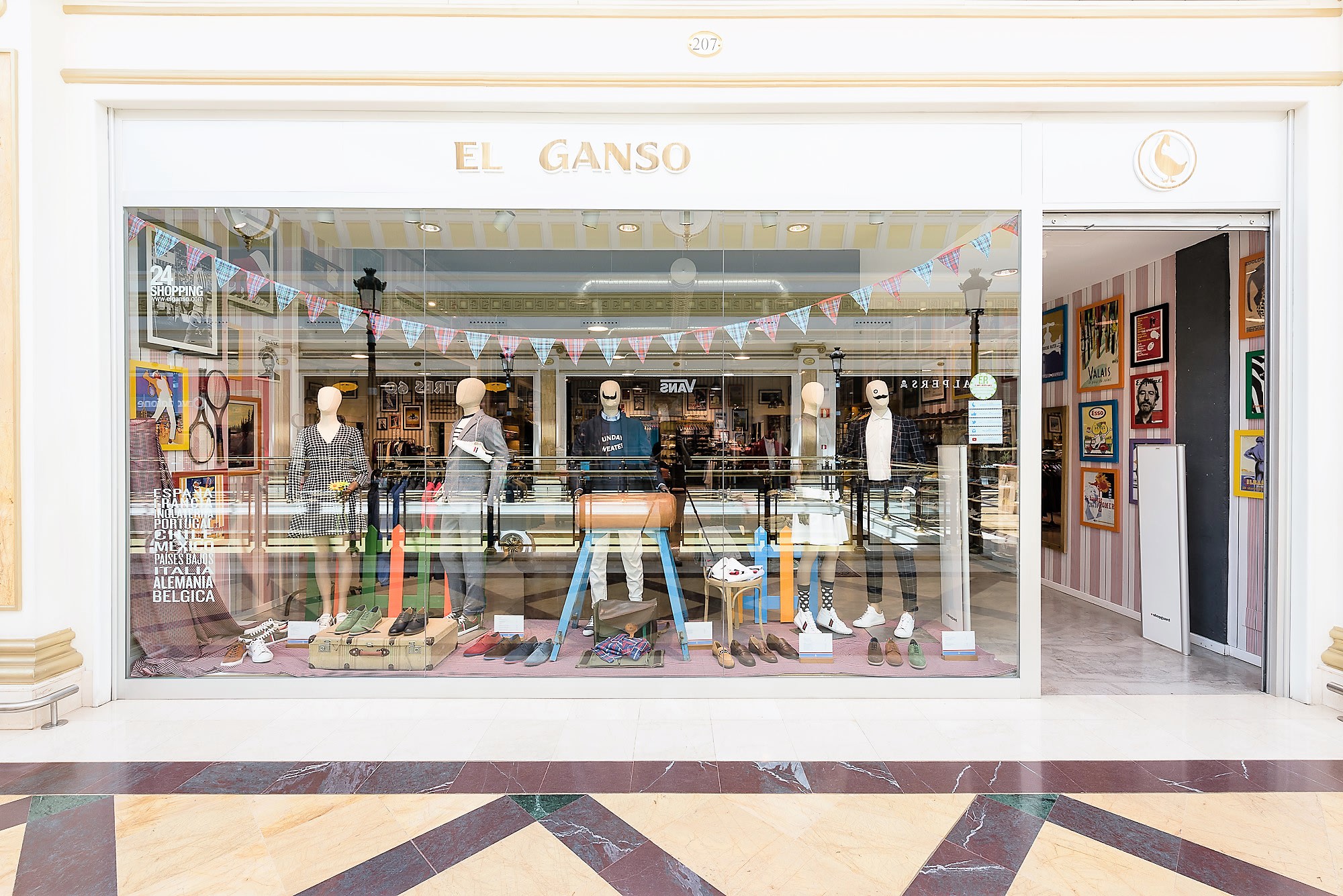
The Madrid-based fashion company has opened its first Colombian store at Bogotá’s El Retiro shopping centre through regional partner BMG. Colombia becomes El Ganso’s sixth Latin American market as the Spanish brand targets more than €100 million in annual revenue by 2028.

The Italian food group is strengthening its push into breakfast and better-for-you products with the acquisition of the US granola, oatmeal and cereal company. The deal follows Ferrero’s takeover of WK Kellogg and forms part of a much broader expansion across the North American food market.

The German group will acquire Fiberhost and broadband and TV provider Inea from Macquarie, gaining an FTTH network reaching more than 1.4 million homes and over 300,000 customers. The deal marks a strategic shift for T-Mobile Polska from a predominantly mobile operator towards a fully converged telecommunications business.

A proposal before the Lithuanian parliament would raise the tax on betting, online gambling, casinos and several other gaming activities from 22% to 30%, while lottery taxation would climb from 18% to 25%. The initiative remains under parliamentary consideration as Lithuania prepares a broader transformation of its gambling market.

Self Inspection has raised approximately €8.6 million to expand its AI-powered vehicle inspection technology across North America and Europe. The company, co-founded by Bulgarian entrepreneur Vince Gaydarzhiev, has already processed more than one million inspections and counts Stellantis Financial Services among its enterprise customers.

The Tunu project in East Greenland has identified naturally occurring primary helium concentrations of up to 0.8%, while preliminary studies point to the possibility of combining helium production with geothermal energy. The discovery comes as Europe seeks more resilient supplies for semiconductor manufacturing, medical imaging, aerospace and quantum technologies.

The Central American country is studying a monorail or light-rail connection between its main international airport and the future TIBI electric train. European cooperation funds could finance the feasibility studies for a project aimed at improving access to San José and strengthening Costa Rica’s transport infrastructure.

Washington is tightening access to the US drone market in an attempt to reduce dependence on foreign technology and rebuild domestic production. European Union manufacturers will face a substantially lower 15% tariff, potentially improving their competitive position against Chinese suppliers in a sector increasingly linked to defence, security and industrial policy.

Copper prices remain close to historic levels as inventories registered with the London Metal Exchange fall sharply and buyers pay increasingly large premiums for immediate delivery. The squeeze highlights growing concerns over global supply at a time when the US, China, electrification and AI infrastructure are competing for the same strategic metal.

South America’s agricultural exporters are accelerating traceability, satellite monitoring and digital certification ahead of the EU Deforestation Regulation.

Latin America remains a growth engine for some of the world’s largest food and beverage groups, yet stronger sales are not translating proportionally into earnings. Currency volatility, higher input costs, intense competition and pressure on household purchasing power are squeezing margins, forcing companies to balance price increases with the need to protect volumes and market share.
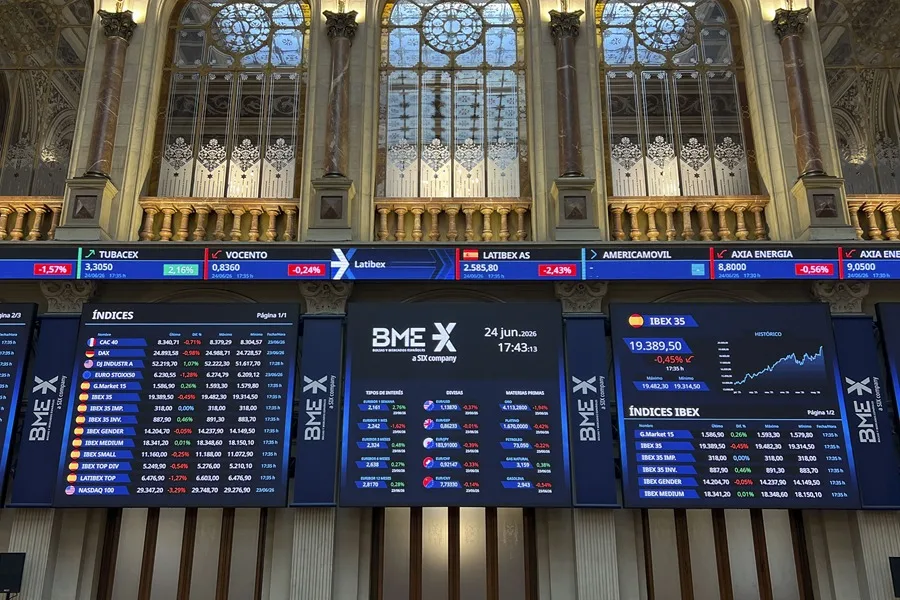
Spanish equities represent only around 5% of portfolios in Europe’s large-cap value fund category, but two Madrid-listed companies are attracting renewed interest. Merlin Properties offers exposure to the booming data-centre infrastructure market, while Telefónica’s restructuring and focus on Spain, the UK, Germany and Brazil are supporting the investment case despite persistent competitive pressures.

Eurozone growth remains modest, yet investors are finding opportunities in globally dominant European companies, from ASML and luxury groups to banks, defence manufacturers and electrical infrastructure specialists. With around two-thirds of listed European companies’ revenues generated outside the region, the investment case for Europe increasingly depends less on GDP growth and more on the global reach of its corporate champions.

Consumer prices accelerated again in July, reaching their highest annual rate in more than two years. Electricity and fuel are driving the rebound amid renewed tensions in global energy markets, while food inflation continues to ease. The divergence highlights an increasingly uncomfortable challenge for Spain: maintaining strong economic activity while external energy shocks return to household and business costs.

The Stockholm-based “vibe coding” startup has secured one of Europe’s largest technology funding rounds of 2026. The deal more than doubles its valuation in just months and brings the EU-backed Scaleup Europe Fund into the company’s investor base, strengthening Europe’s effort to finance global technology champions without forcing them to relocate to the United States.
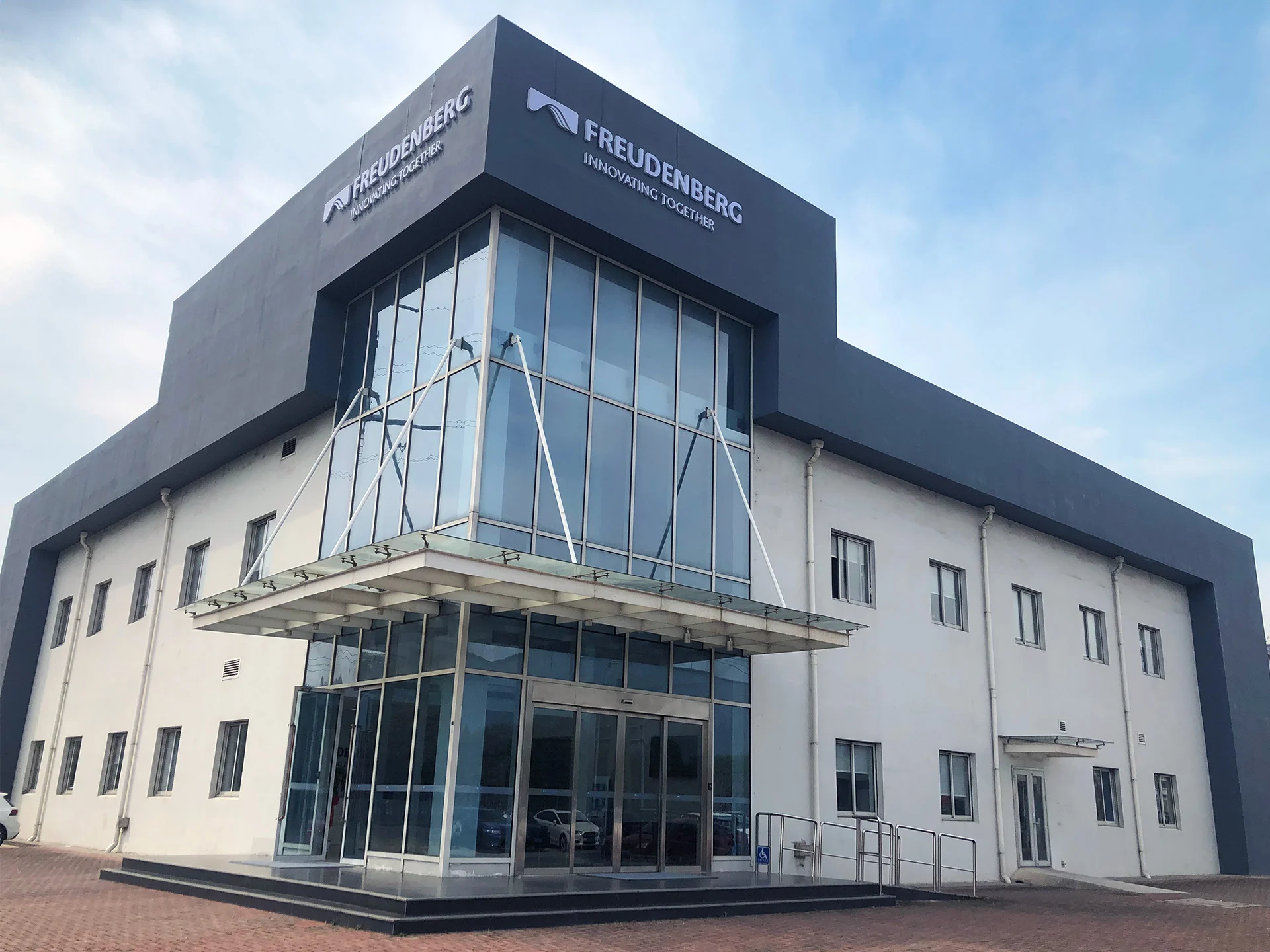
The German industrial group is strengthening its manufacturing footprint in the Americas with a 9,000-square-metre facility producing seals for automotive and industrial customers. The investment reinforces Querétaro’s position as a manufacturing hub and supports Freudenberg’s local-to-local supply strategy across North and Latin America.

Heatwaves, drought, wildfires and disruptions to energy, transport and agriculture could cost the European Union close to 1% of GDP this year, according to an analysis by Triodos Bank. France emerges as the most exposed of the bloc’s major economies, while the economic consequences of extreme temperatures are increasingly turning climate adaptation into a competitiveness issue for European businesses.

The Swiss government has launched a public consultation on a new regulatory package that would force banks to link variable remuneration more closely to sustainable long-term performance. The reform would give FINMA stronger enforcement powers and impose tougher requirements on systemically important institutions such as UBS, as Bern continues to overhaul financial supervision following the collapse of Credit Suisse.

The findings add a new dimension to Europe's AI debate: the technology may transform the labour market not only through job creation or displacement, but also through slower wage growth in occupations where software can perform a larger share of existing tasks.

Latin American startups attracted approximately €3.5 billion in venture capital in 2025, while Europe offers access to a single market of around 450 million consumers, specialised investors and an increasingly ambitious innovation agenda.

The European Commission has authorised the Spanish company’s enzymatically produced eggshell membrane hydrolysate for use in food supplements, opening a new European market for an ingredient obtained from a by-product of the egg industry. The approval allows its use at up to 500 mg per day and gives Eggnovo five years of data protection.

The European Union has consolidated its position as one of Honduras’ key development and investment partners. As EU Head of Mission Cristina Marín concludes three years in the Central American country, bilateral financial commitments stand at €173 million, while more than €250 million in non-repayable European funds are currently being implemented.

Europe remains the world's second-largest regional market, while Asia is gaining ground and Latin America presents substantial room for expansion.
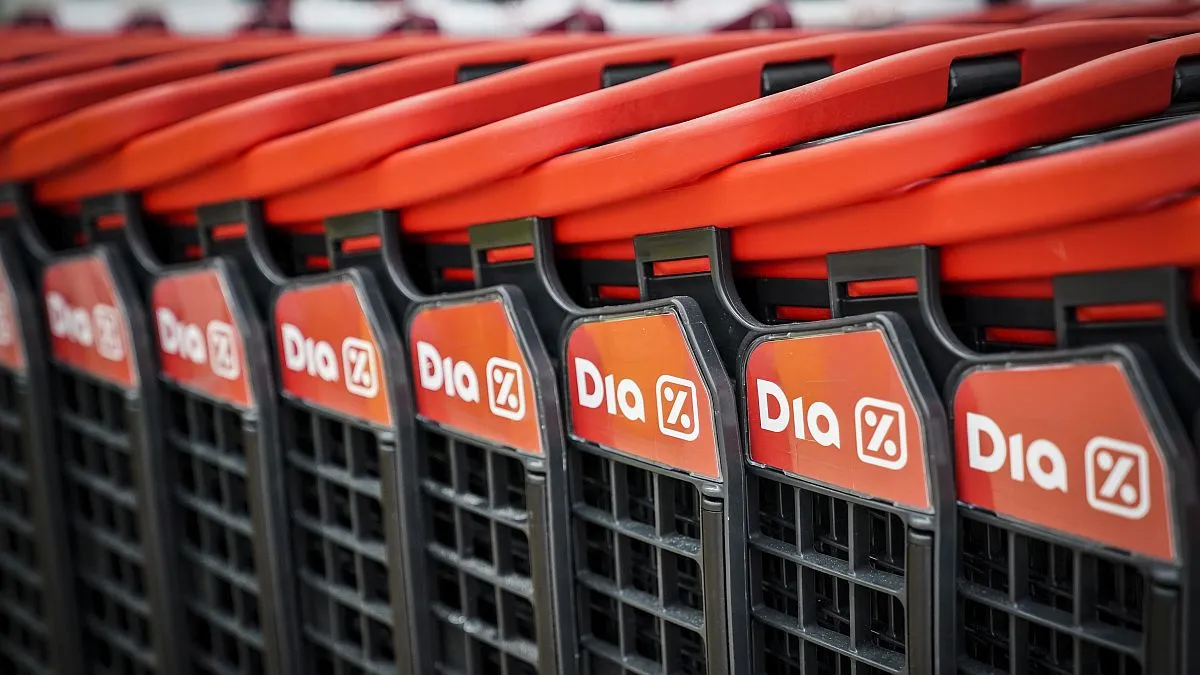
Argentina remains a valuable business because of its scale, logistics infrastructure and brand recognition, but persistent operating difficulties have weakened the subsidiary's contribution to the group. Market estimates cited around the potential transaction have put its possible value at approximately €400 million to €450 million, although DIA has not announced an official valuation.

The new French entity will initially serve customers in France before progressively extending to Germany, Ireland, Italy, Portugal and Spain. With more than 30 million customers in Western Europe, over €1 billion earmarked for regional investment and a new Paris headquarters due to open in 2027, Revolut is moving closer to competing directly with Europe's established banking groups.

The plan includes a fourth runway, a major new terminal complex and extensive upgrades to existing infrastructure, reinforcing Rome’s ambitions to become an even stronger intercontinental hub.

Spain is gaining ground on the European private equity map as international investors turn their attention to its extensive ecosystem of entrepreneur-led and family-owned mid-sized companies.
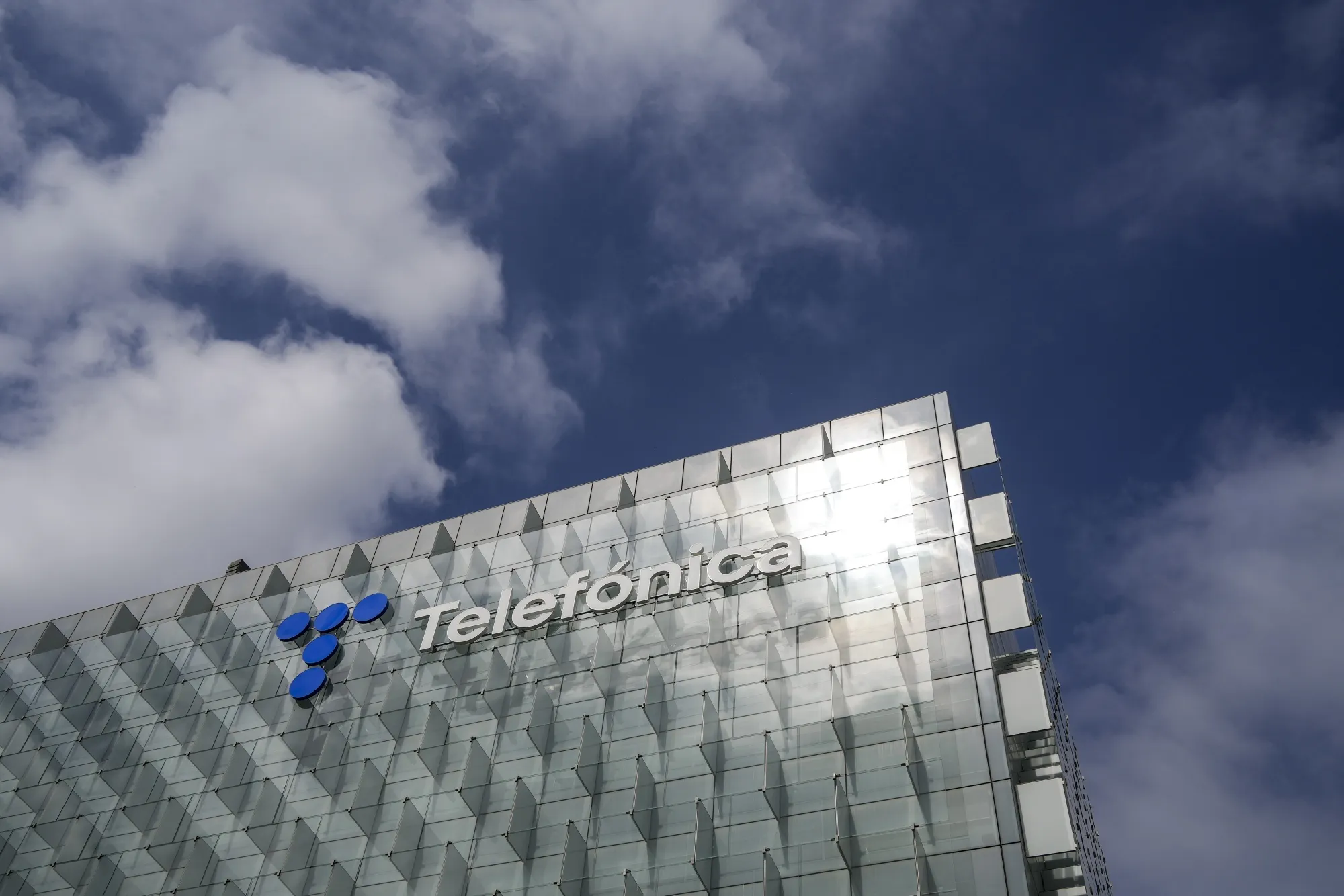
Spanish telecommunications group Telefónica is moving away from the geographic expansion model that defined its international growth for decades and concentrating resources on Spain, Brazil, Germany and the United Kingdom.

Australian email provider Fastmail has introduced an EU data region, allowing customers to keep the primary copy of their email and files on company-operated infrastructure in Amsterdam. The move responds to growing European demand for greater control over where corporate and personal information is stored. However, the architecture remains partly transatlantic, meaning the option improves data residency without eliminating transfers or storage in the United States.
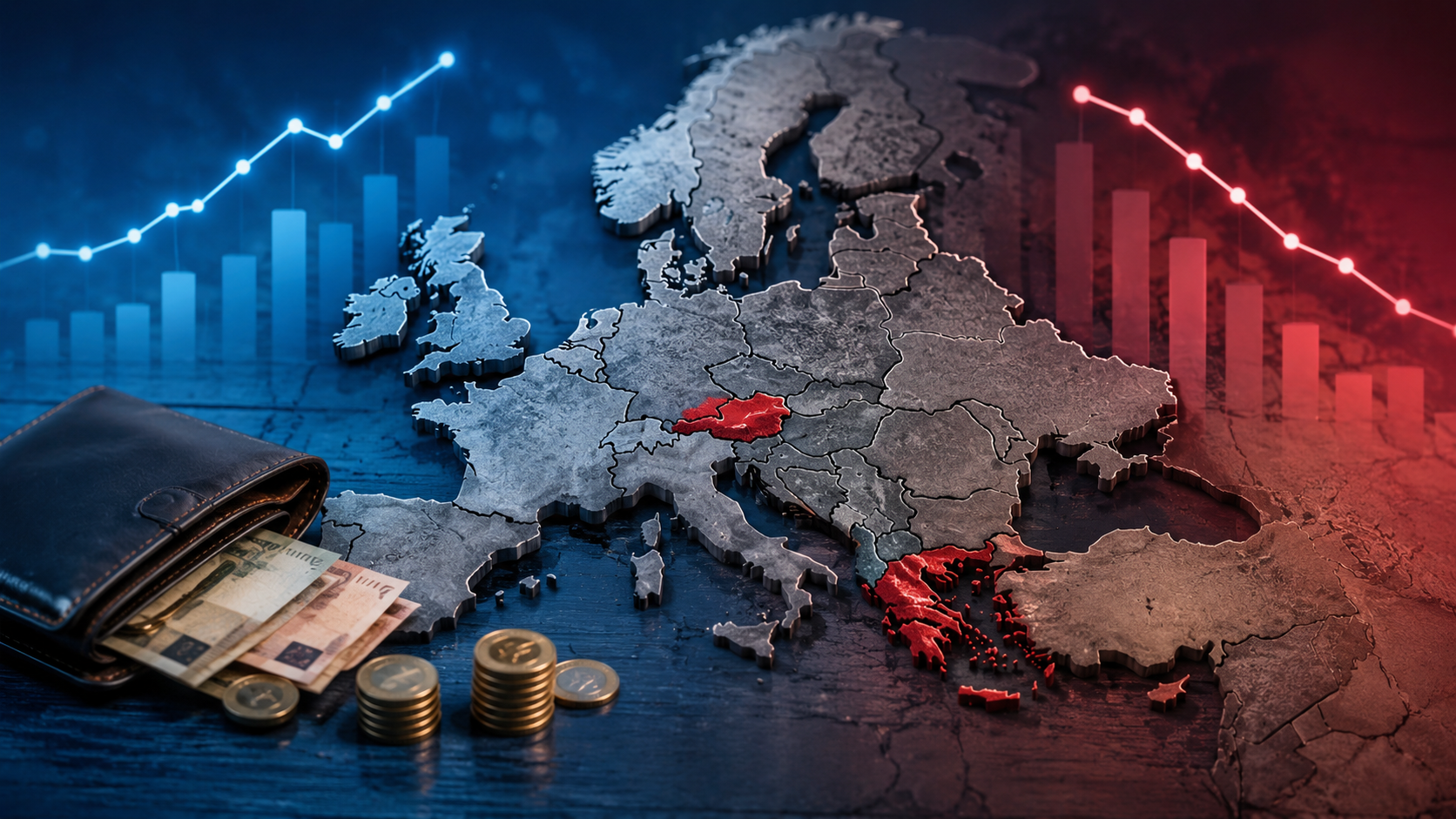
Household purchasing power is showing signs of weakness across advanced economies despite continued economic growth. Real household income per capita increased by just 0.2% across the OECD in the first quarter of 2026, while real GDP per capita grew by 0.3%. Greece and Austria recorded the steepest income declines, while Hungary and Chile stood out with strong gains, highlighting an increasingly uneven economic picture.
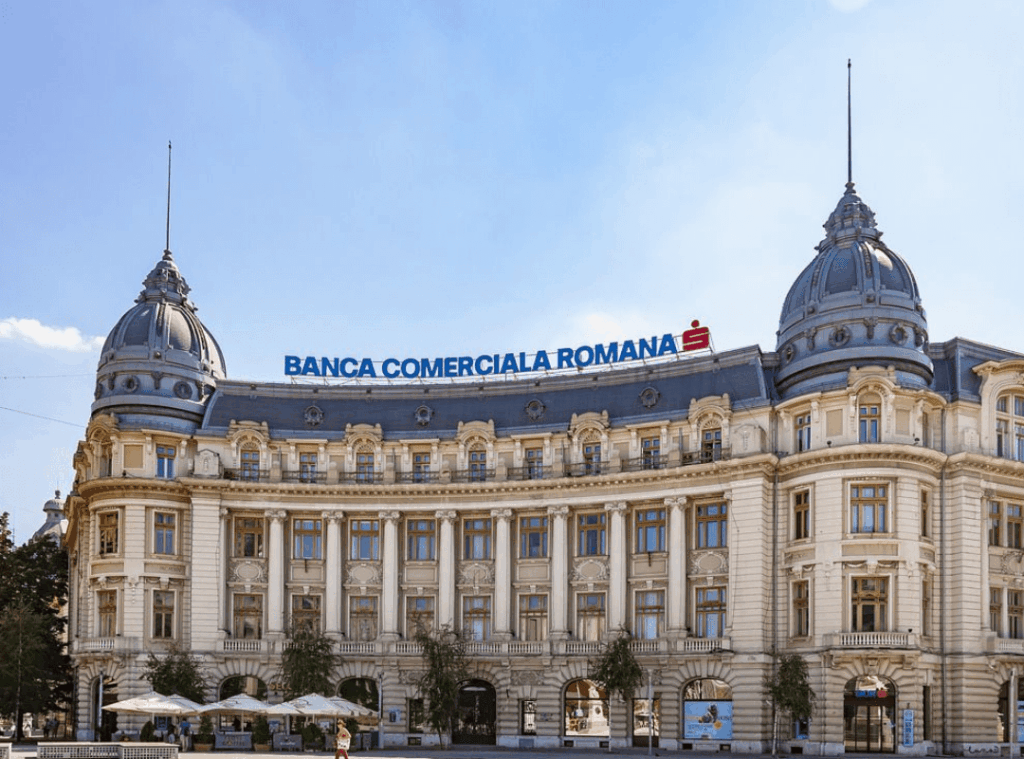
The European Investment Bank is providing €100 million to BRD Sogelease IFN to improve access to long-term financing for Romanian SMEs and mid-sized companies. Around 80% of the funding is expected to support investments in less-developed cohesion regions, while 15% will be reserved for green projects spanning energy efficiency, renewables and sustainable transport.

Volkswagen’s principal shareholders have intensified calls for decisive action to strengthen the automaker’s long-term competitiveness, backing management’s restructuring efforts as the company faces mounting pressure from rising production costs, slowing profitability and fierce competition from Chinese manufacturers. The debate comes at a critical moment as Europe's largest carmaker seeks to redefine its strategy for the coming decade.

After years marked by financial restructuring and market turbulence, Latin America's largest airlines have emerged as some of the industry's strongest performers. Supported by disciplined capacity management, streamlined operations and resilient demand, leading carriers such as LATAM Airlines and Copa Airlines are posting profitability levels that rival—or even surpass—many major airlines in Europe and North America.

Belgian food manufacturer Lotus Bakeries has announced a €500 million investment programme—the largest in the history of its iconic Biscoff brand—to expand production capacity across Belgium, the United States and Thailand. The initiative responds to rapidly growing global demand for Biscoff biscuits and spread while supporting the company's long-term international growth strategy.
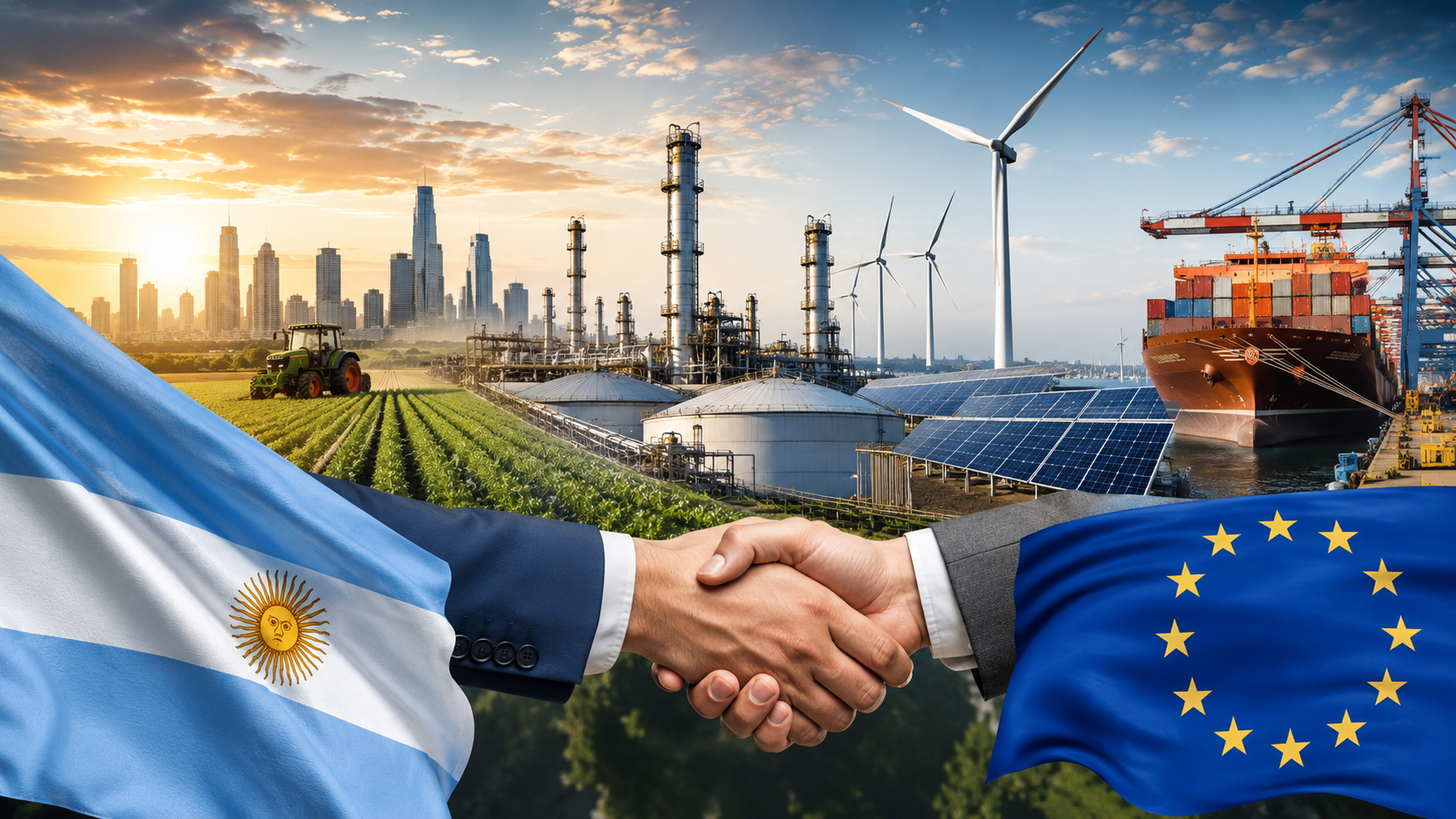
Germany, Spain and the Netherlands remain the three largest European investors in Argentina, reinforcing the strategic economic ties between the European Union and South America's second-largest economy. Together, these countries account for a significant share of foreign direct investment (FDI), supporting sectors such as energy, manufacturing, finance, infrastructure and technology.

European equity markets have climbed to historic highs in 2026, supported by resilient corporate earnings, easing monetary conditions and strong investor appetite for sectors such as artificial intelligence, defense, banking and industrial technology. Several companies have delivered triple-digit share price gains, highlighting the broad transformation underway across Europe's capital markets.

Proposed changes linked to the evolving UK–EU sanitary and phytosanitary (SPS) framework have reignited debate within Britain's agricultural sector over the potential impact of future meat imports. Farming organisations have expressed concerns that regulatory alignment and changes to import rules could increase competition from overseas producers, while government officials argue that the agreement is designed to simplify trade without compromising food safety standards.
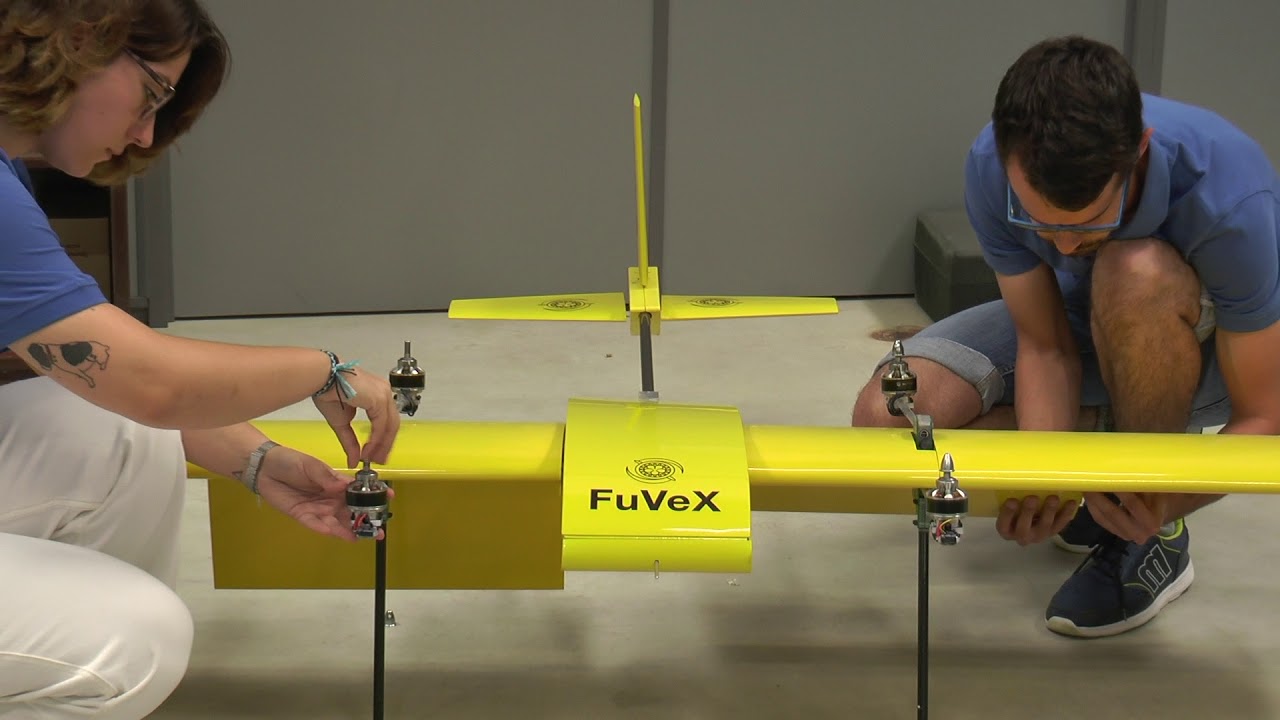
Spanish drone technology company Fuvex has raised €3 million in new funding to expand its portfolio of dual-use unmanned aerial systems for both civilian and defense applications. The investment will support product development, international expansion and the scaling of manufacturing as demand for advanced autonomous drone technologies continues to grow across Europe.
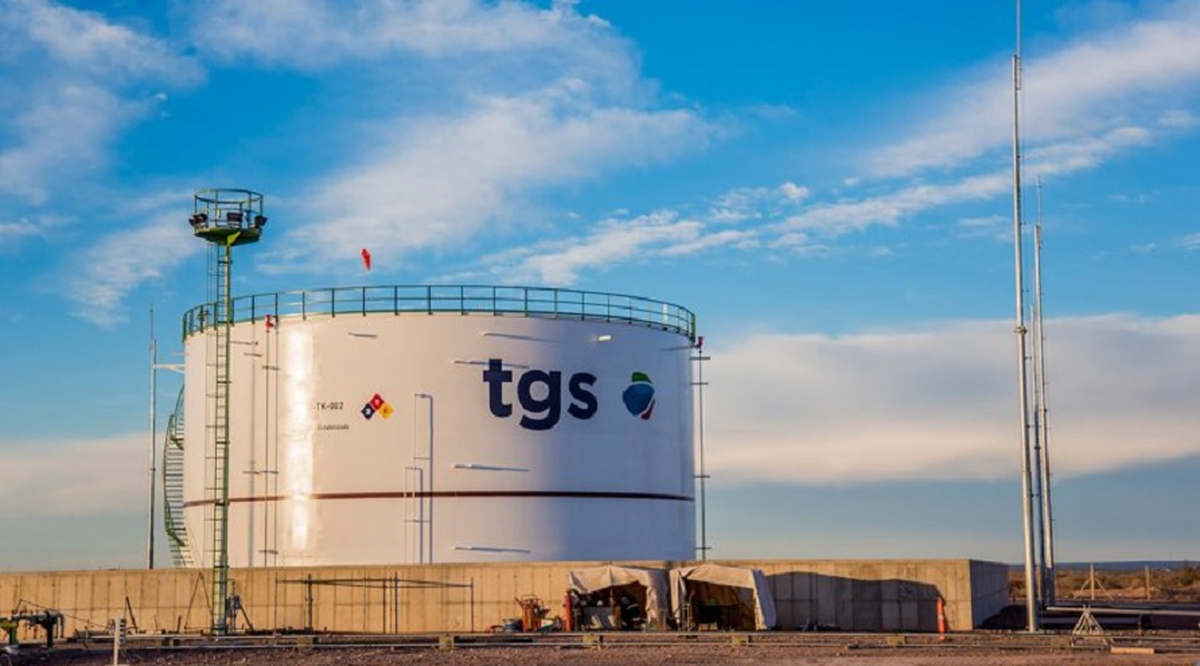
Argentine energy infrastructure company Transportadora de Gas del Sur (TGS) is moving ahead with its long-term capital expenditure programme for its flagship Natural Gas Liquids (NGL) project, one of the largest energy infrastructure developments in Argentina's history. With a total investment of approximately €2.6 billion, the initiative aims to unlock additional value from Vaca Muerta's natural gas production while significantly expanding the country's export capacity.
European banks are entering a new phase in which operational excellence, cost efficiency and digital transformation are becoming the primary drivers of profitability. As the extraordinary earnings generated by higher interest rates begin to moderate, financial institutions are increasingly focused on improving productivity, streamlining operations and investing in technology to sustain long-term growth.

More than 700 companies from Latin America and the Caribbean participated in a virtual agrifood business matchmaking event that generated prospective commercial agreements worth more than €21 million. The initiative reinforced regional trade integration by connecting producers, exporters and buyers from across the Americas through a digital platform.

Germany's largest seaport is positioning itself as a strategic gateway for exports from Argentina's Entre Ríos province to Europe. As trade relations deepen and the EU-Mercosur agreement moves closer to implementation, both regions are exploring new opportunities to expand commercial cooperation, improve logistics and strengthen supply chains.
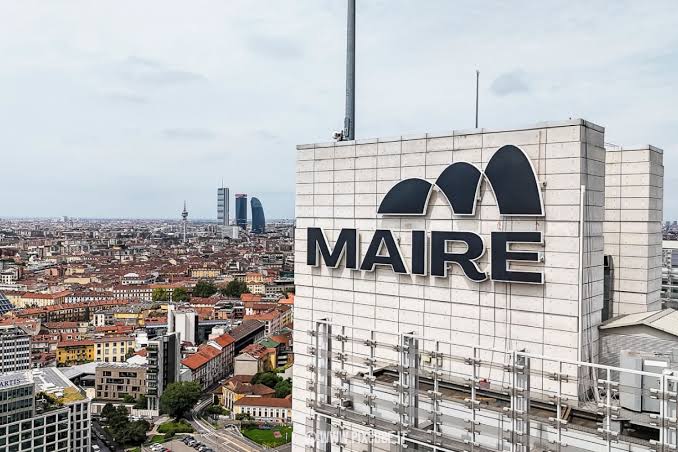
Italian engineering group MAIRE, through its subsidiary Tecnimont, has secured a €1.3 billion contract to develop what will become the largest urea production complex in Latin America. The project, commissioned by Fértil Pampa, a wholly owned subsidiary of Pampa Energía, will strengthen Argentina’s fertilizer production capacity and reduce the region’s dependence on imports.

The European Union has launched a new specialised task force to strengthen its response to cyber threats linked to artificial intelligence, including deepfakes, illicit AI-generated content and increasingly sophisticated hacking attacks. The initiative aims to improve cooperation among Member States and reinforce Europe’s digital security framework.
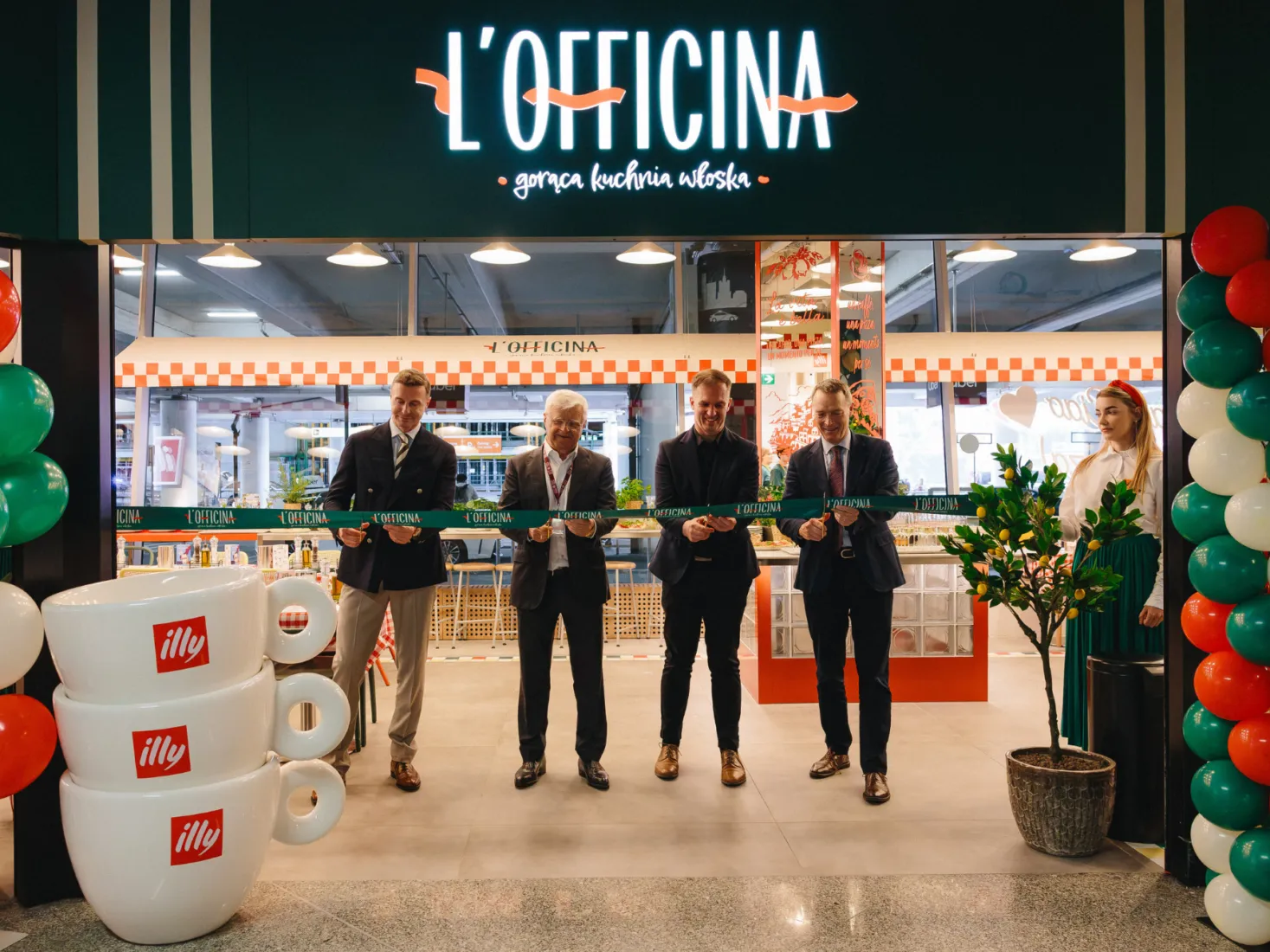
Lagardère Travel Retail Poland has strengthened its food and beverage offering at Warsaw Chopin Airport with the launch of L’Officina, a proprietary Italian dining concept developed entirely by its in-house team. The opening reflects the company’s strategy of expanding customised airport hospitality experiences as passenger traffic and foodservice demand continue to grow.
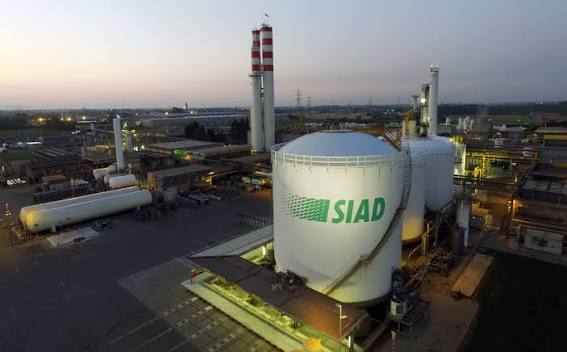
Italian engineering company SIAD Macchine Impianti (SIAD MI) has reinforced its presence in Latin America through SIAD Mexico, a subsidiary based in Mexico City that has been fully operational since 2025. The new company enhances local technical support, after-sales services and commercial operations for customers in the industrial gases and oil & gas sectors across the region.

Germany's automotive sector is undergoing one of its most significant transformations in decades as manufacturers accelerate restructuring plans to adapt to electric mobility, intensifying competition from China and rising production costs. Thousands of jobs are expected to be affected as the industry shifts towards a new technological and competitive landscape.

Energy major BP has begun the sale process for its North Sea oil and gas operations, marking another significant step in the company's portfolio reshaping strategy. The move reflects BP's efforts to streamline its upstream business, strengthen financial performance and concentrate investment on its highest-value assets.
Annual inflation in the euro area increased to 2.9% in July, up from 2.8% in June, as higher energy prices pushed consumer costs higher across the bloc. The latest figures add to expectations that the European Central Bank (ECB) may consider further monetary tightening if inflationary pressures persist.

The European Union has unveiled a €10 billion programme to establish seven artificial intelligence gigafactories, aiming to strengthen Europe's AI infrastructure and reduce its dependence on foreign technology providers. The initiative is expected to mobilise an additional €20 billion in private investment, making it one of the bloc's largest technology infrastructure projects to date.

Spanish insurer MAPFRE has acquired a 38.9% stake in Spanish insurtech Tuio, strengthening its commitment to artificial intelligence and digital insurance. The investment is intended to accelerate Tuio's growth in Spain and internationally while reinforcing MAPFRE's broader digital transformation strategy.
The European Innovation Council (EIC) has selected a new group of high-growth European technology companies to receive funding under its Strategic Technologies for Europe Platform (STEP) Scale Up initiative. The programme is designed to strengthen Europe's technological sovereignty by supporting innovative businesses developing critical technologies with the potential to compete globally.

Italian digital healthcare company Gpi has secured €18.3 million in new international contracts during the second quarter of 2026, driven by strong demand for healthcare software and a significant expansion across Latin America. The company has entered seven additional markets in the region while reinforcing its presence in Europe, Asia and the Middle East.
Lufthansa Group has confirmed it has submitted a bid to acquire a minority stake in TAP Air Portugal, positioning itself in the Portuguese government's privatisation process. The move reflects the German aviation group's strategy to strengthen its presence in Southern Europe and expand its network across the Atlantic through TAP's strong links with Brazil, Africa and North America.
German construction chemicals specialist MC-Bauchemie has strengthened its presence in Latin America by launching MC-Bauchemie Paraguay S.A., a joint venture with local construction technology company Plastizil S.A. The move marks the company's transition from a distribution-based model to a direct presence in Paraguay, supporting its broader regional growth strategy.

Supply chain finance is becoming a strategic priority for companies operating in Latin America as trade tensions, political instability and volatile markets reshape corporate risk management. Treasury departments are taking a leading role in protecting business continuity, moving beyond their traditional focus on liquidity and working capital optimisation.
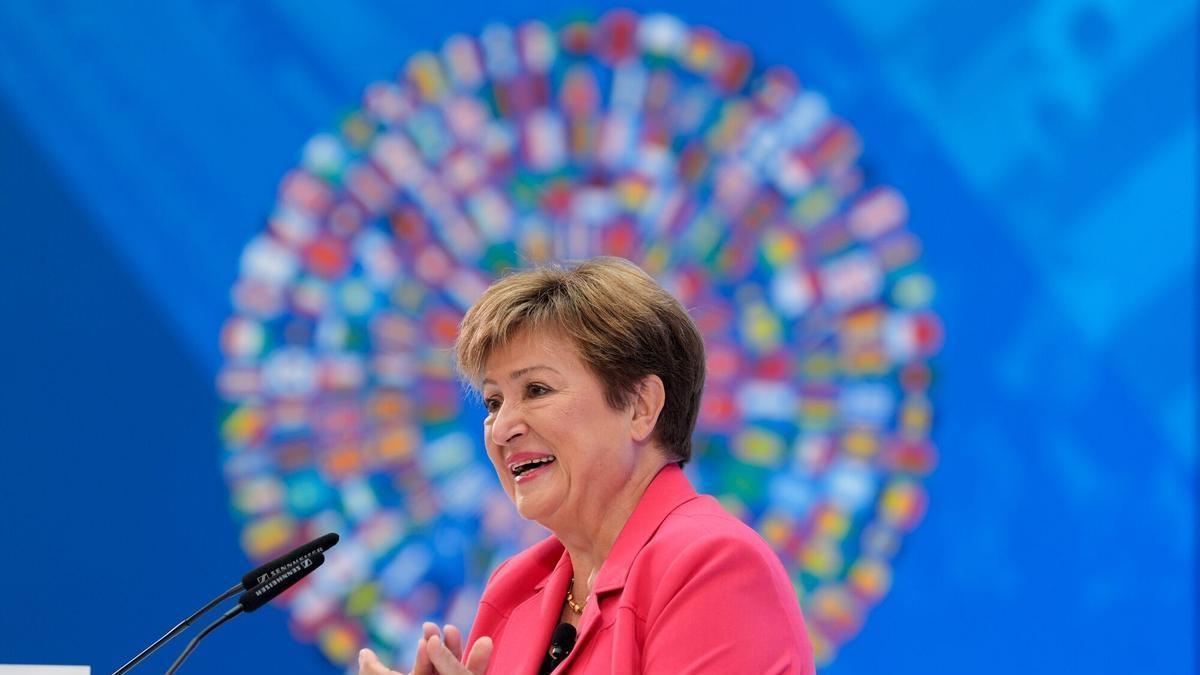
International Monetary Fund (IMF) Managing Director Kristalina Georgieva has expressed confidence in Argentina's economic reform programme during her visit to Buenos Aires, while acknowledging that the country faces significant foreign-currency debt repayments in 2027. The visit comes as investors closely monitor Argentina's fiscal consolidation and long-term financing strategy.

Development finance institutions Proparco and DEG have renewed their financial backing for telecommunications infrastructure company Torrecom, reinforcing efforts to expand digital connectivity across Latin America. The investment aims to accelerate the deployment of telecom towers and improve access to mobile broadband in underserved regions.

Global insurance intermediary Howden has selected Miami as the headquarters for its Americas operations, reinforcing its long-term expansion strategy across North and Latin America. The move reflects the city's growing role as a regional business hub and strengthens Howden's position in one of the world's fastest-growing insurance markets.
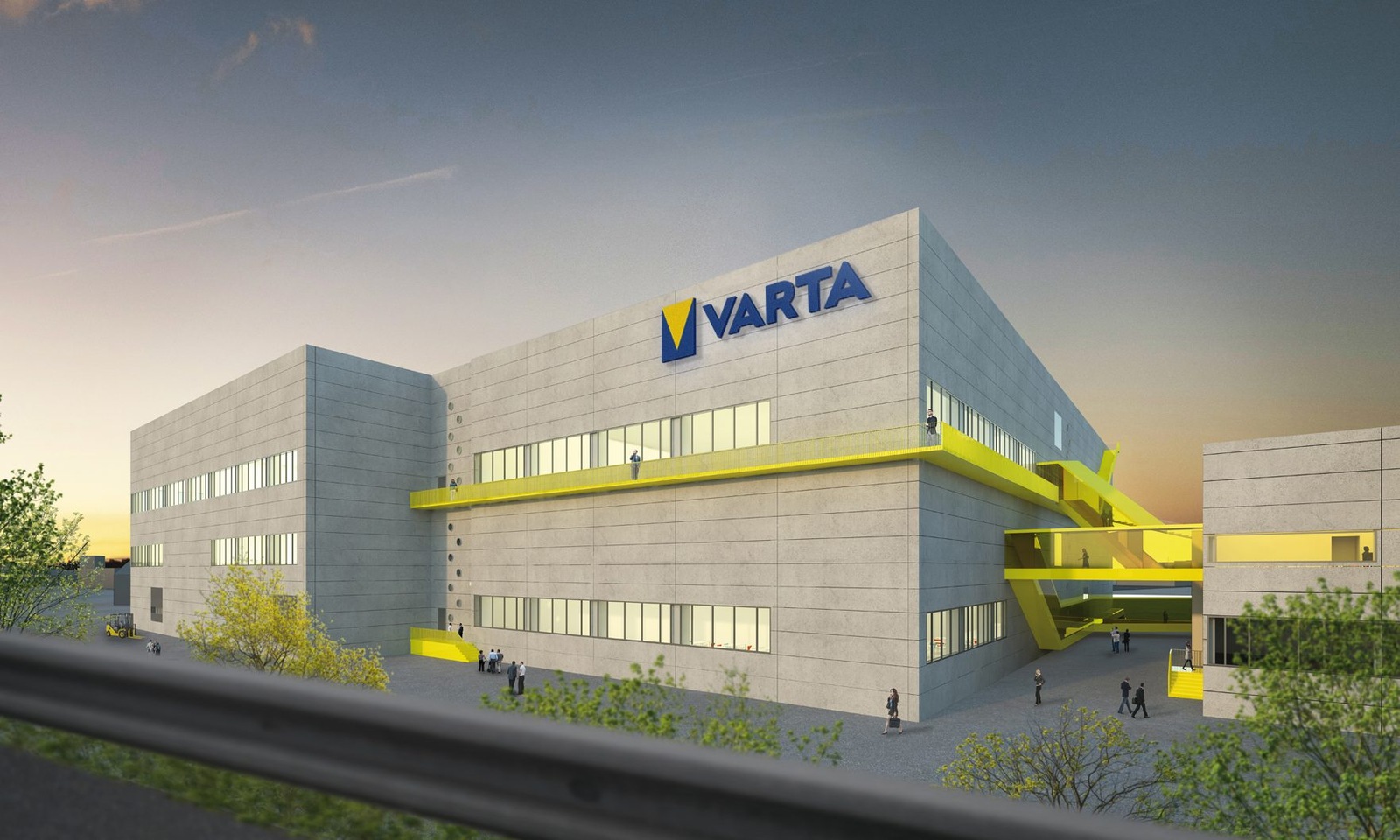
German battery manufacturer Varta AG has filed for insolvency under self-administration, marking another setback for one of Europe's best-known battery producers. The company says operations will continue while it restructures its business, highlighting the growing challenges facing Europe's battery industry amid intensifying global competition.

The global biogas industry is expected to surpass €93 billion by 2036, driven by stricter climate policies, expanding biomethane production and growing investment in renewable energy infrastructure. Europe is expected to remain one of the leading markets as governments seek to reduce methane emissions and strengthen energy security.

European aerospace start-up The Exploration Company (TEC) is seeking fresh investment that could value the company at more than €1.7 billion, as it accelerates the development of reusable space capsules designed to strengthen Europe's independent access to space. The fundraising reflects growing investor confidence in the continent's emerging commercial space sector.
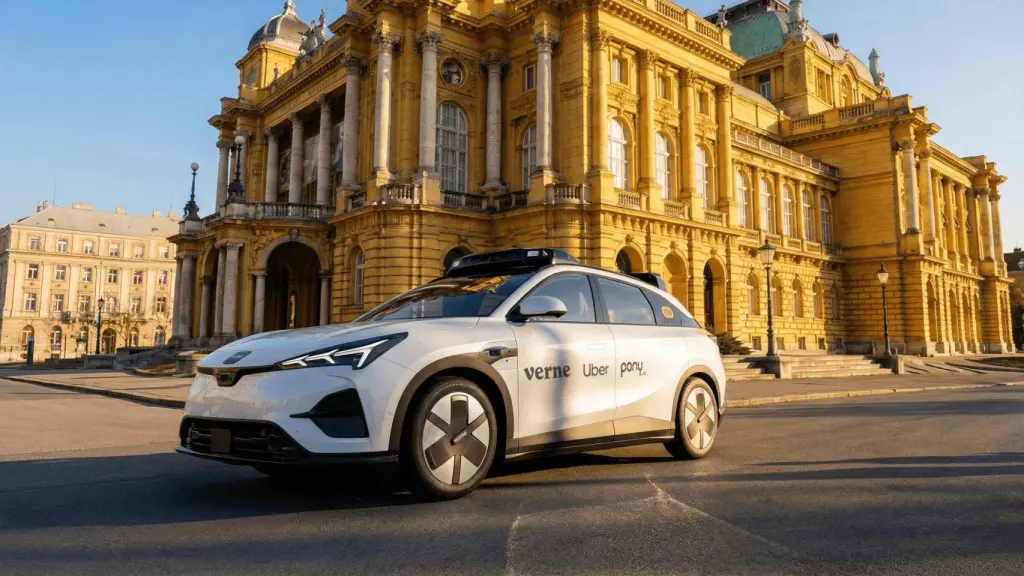
European companies developing autonomous taxi services are accelerating testing and investment, but widespread deployment of robotaxis remains constrained by fragmented regulations, infrastructure requirements and public acceptance. Industry leaders argue that Europe must address these barriers to remain competitive in the global autonomous mobility market.
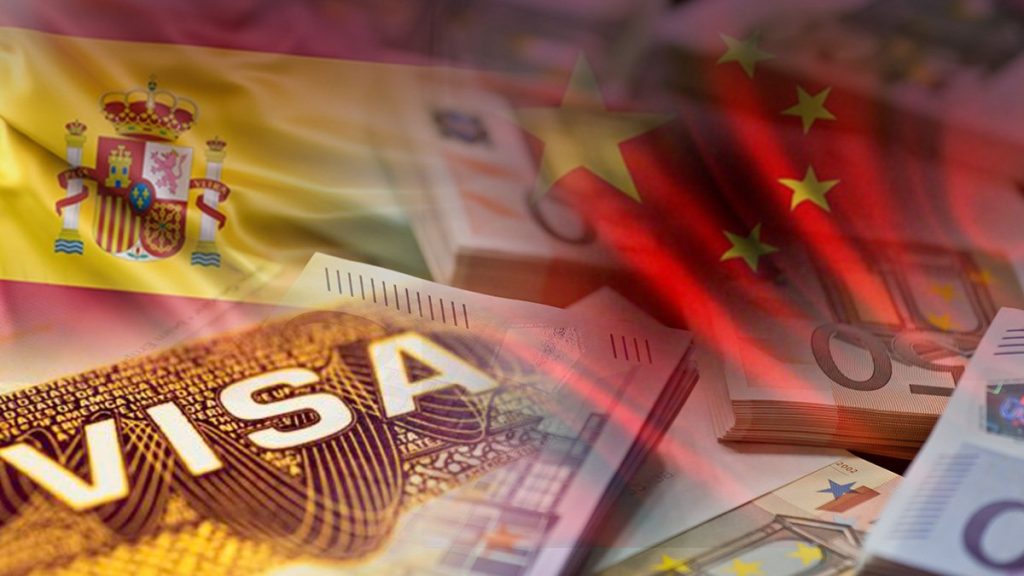
Spain has officially ended its Golden Visa programme, while Portugal has significantly reformed its own residency-by-investment scheme. The changes reflect a broader shift across Europe as governments seek to balance foreign investment with housing affordability, transparency and sustainable economic development.

Poland has strengthened its position among the world’s leading official gold holders after increasing its reserves beyond those of the European Central Bank. The move reflects a broader trend among central banks seeking to diversify reserve assets and reinforce financial resilience amid persistent geopolitical and economic uncertainty.

The agreement aims to combine technical expertise, project development and financing capabilities to support the expansion of utility-scale photovoltaic projects.

French workforce management software company Skello has raised €200 million in new investment led by Bridgepoint, providing fresh capital to expand across Europe, strengthen its artificial intelligence capabilities and pursue strategic acquisitions. The transaction highlights continued investor confidence in Europe’s growing HR technology sector.
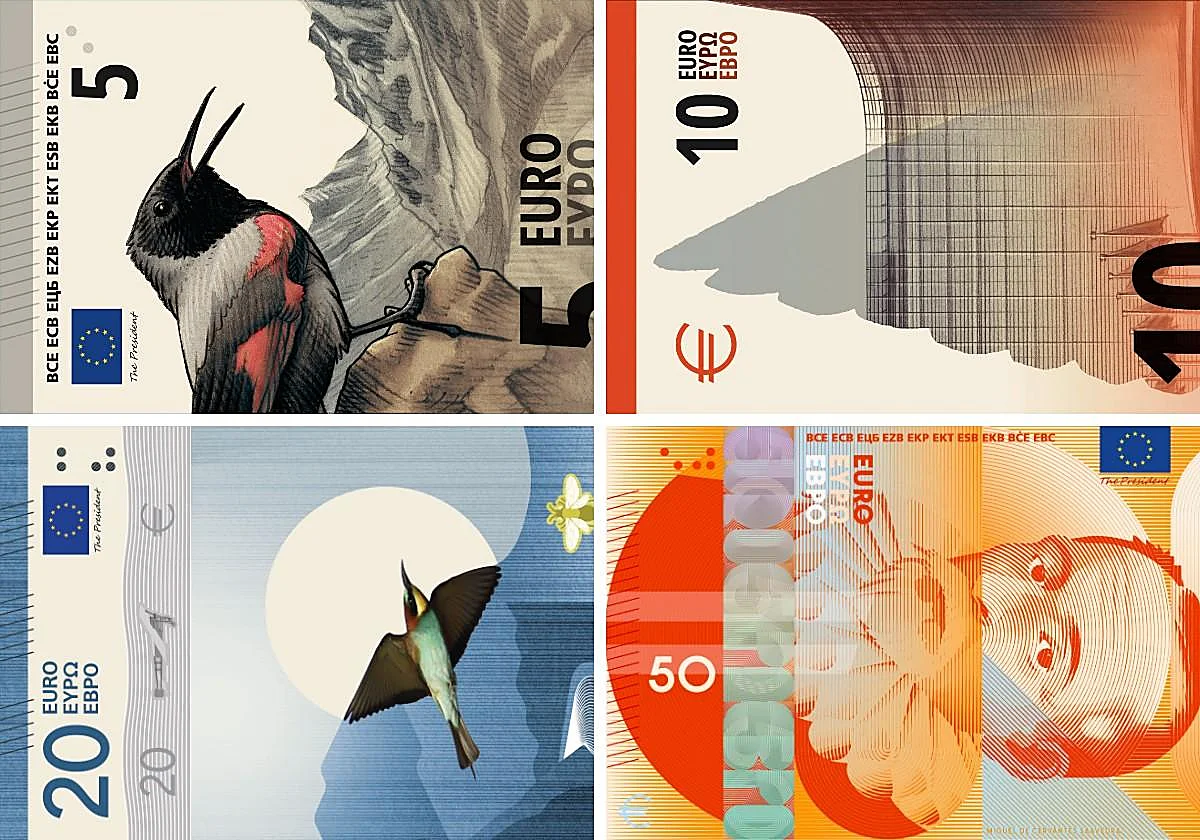
The European Central Bank has launched a public consultation allowing citizens across Europe to vote on shortlisted designs for the next series of euro banknotes. The initiative marks the first complete redesign of euro notes since their introduction in 2002 and aims to combine stronger security features with symbols that better reflect Europe's shared identity.

Argentina is on track to generate record export earnings in 2026 as its agriculture, energy and mining industries simultaneously expand production and overseas sales. The combined performance of the three sectors is strengthening the country's external accounts while increasing opportunities for international investors.
Spanish energy company Repsol reported a sharp increase in quarterly earnings after benefiting from stronger crude oil prices and resilient upstream operations. The results reinforce the group's financial position as it continues investing in low-carbon energy while rewarding shareholders.

Latin America is becoming an increasingly attractive destination for companies seeking to relocate supply chains closer to key markets. For European mid-sized businesses, nearshoring offers access to competitive manufacturing, skilled talent and expanding consumer markets while reducing geopolitical and logistical risks.
Argentina's energy industry has secured almost €4.5 billion in corporate debt financing during 2026, highlighting renewed investor confidence in the country's oil, gas and electricity businesses despite continued constraints on sovereign borrowing. Companies linked to the Vaca Muerta shale formation and power generation have led the fundraising wave.

The European Commission has granted conditional approval for the proposed transaction involving Paramount Global and Warner Bros. Discovery, concluding that the deal can proceed provided the companies comply with commitments designed to preserve competition in Europe's media and audiovisual markets.
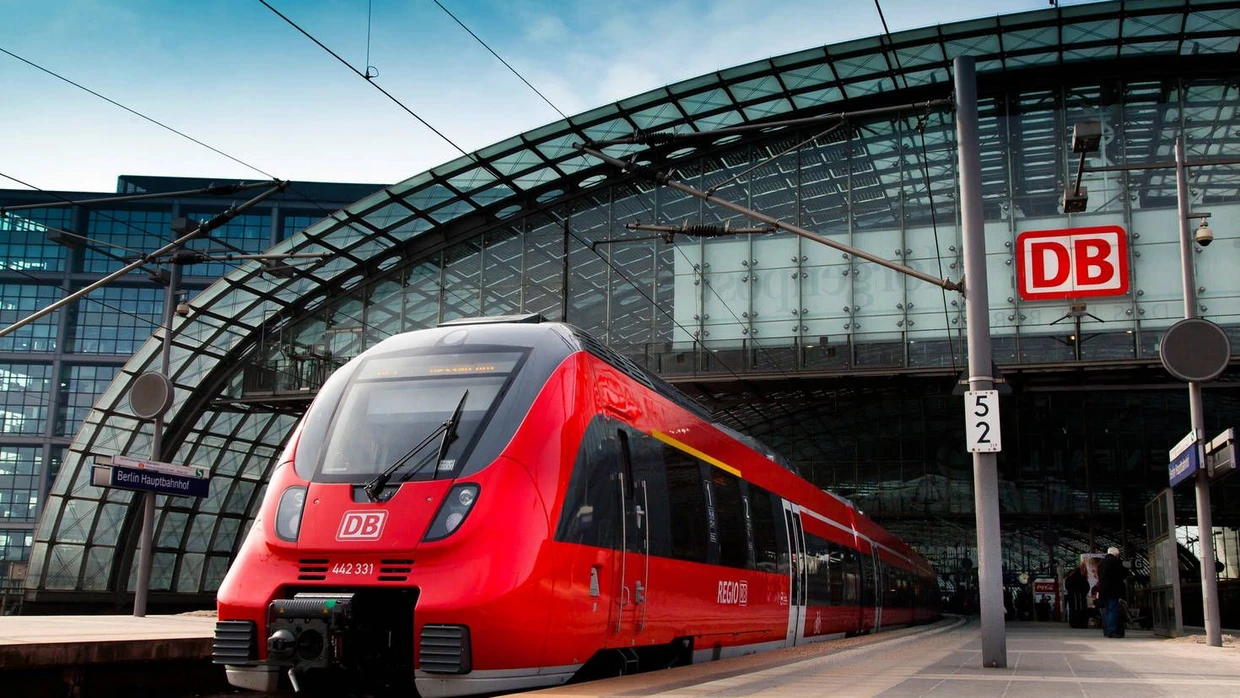
Germany has committed a record level of investment to upgrade its railway network as part of a long-term strategy to improve mobility, strengthen freight transport and support the country's climate objectives. The funding will modernise ageing infrastructure while reinforcing Europe's largest rail market.

Latin America's largest multinational companies are strengthening their international footprint, with "multilatinas" playing an increasingly influential role in global trade, investment and innovation. As they expand across Europe, North America and other emerging markets, these companies are becoming strategic partners for European businesses seeking growth opportunities in the region.

The European Union is preparing a broad package of reforms aimed at making its banking sector more competitive by reducing regulatory fragmentation, encouraging cross-border consolidation and improving the efficiency of capital allocation across the bloc. The initiative is designed to help European lenders better compete with global rivals while supporting investment and economic growth.

The Madrid Chamber of Commerce will organize a trade mission to Guatemala and El Salvador this October, offering Spanish companies tailored business meetings with local partners. The initiative aims to strengthen commercial ties between Spain and Central America while creating new export and investment opportunities across strategic sectors.
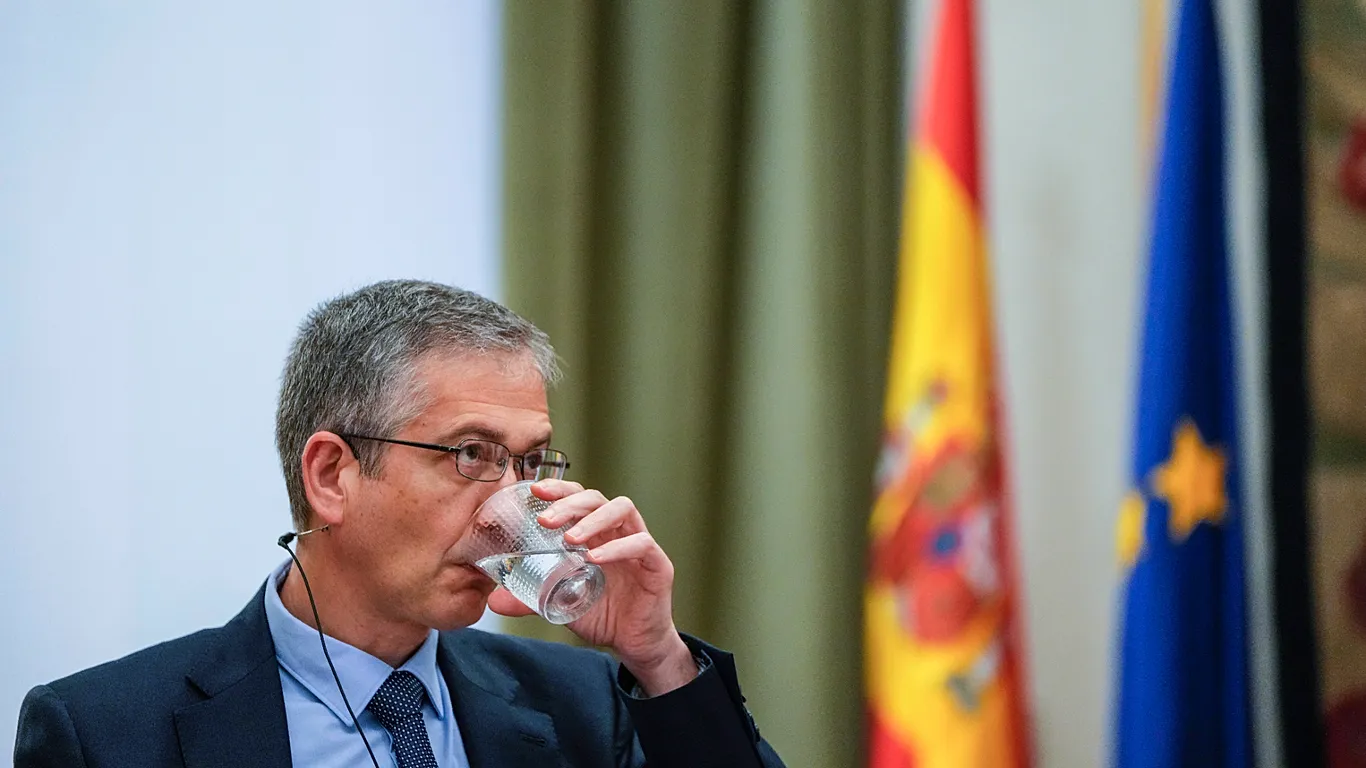
Spain has formally nominated Pablo Hernández de Cos, former governor of the Bank of Spain and current General Manager of the Bank for International Settlements (BIS), to become the next President of the European Central Bank (ECB). The move marks Madrid's first attempt to secure the institution's top position and reflects the country's ambition to strengthen its influence over eurozone monetary policy.

Global travel retail and food & beverage operator Avolta has expanded its presence in Italy with the opening of new retail and hospitality concepts at Venice Marco Polo Airport, strengthening its footprint in one of the country's busiest tourism gateways.
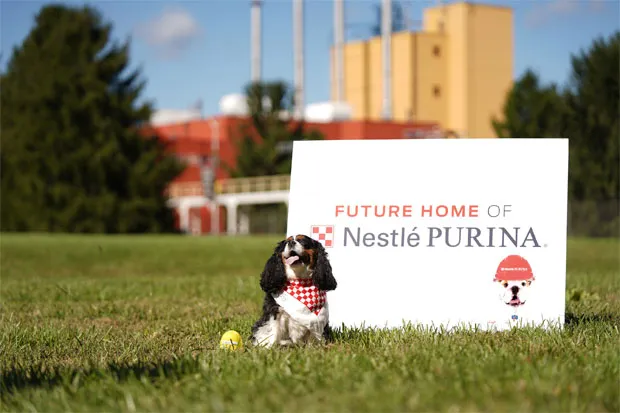
Nestlé Purina will invest approximately €560 million in northern Italy to build a new pet food manufacturing plant and logistics hub, reinforcing its European production network as demand for premium pet nutrition continues to expand.

Italian artificial intelligence company Contents has acquired Barcelona-based fintech Balio, marking its sixth acquisition as it accelerates a European expansion strategy focused on enterprise AI. The deal strengthens the group's position in Spain and broadens its reach across Spanish-speaking markets, including Latin America.

Spanish defence technology company GMS Plesium has signed a strategic cooperation agreement with Roca Defence & Systems to accelerate its expansion into Latin America. The alliance aims to strengthen commercial operations, technical collaboration and defence capabilities across a region where demand for military modernisation and advanced support systems continues to grow.
Telecom Italia (TIM) has formally endorsed Poste Italiane's €13.2 billion takeover proposal, clearing an important hurdle in what could become one of Europe's largest telecommunications transactions this year. The deal would strengthen Italy's push to build a nationally controlled digital infrastructure group spanning telecoms, cloud computing, financial services and digital identity.
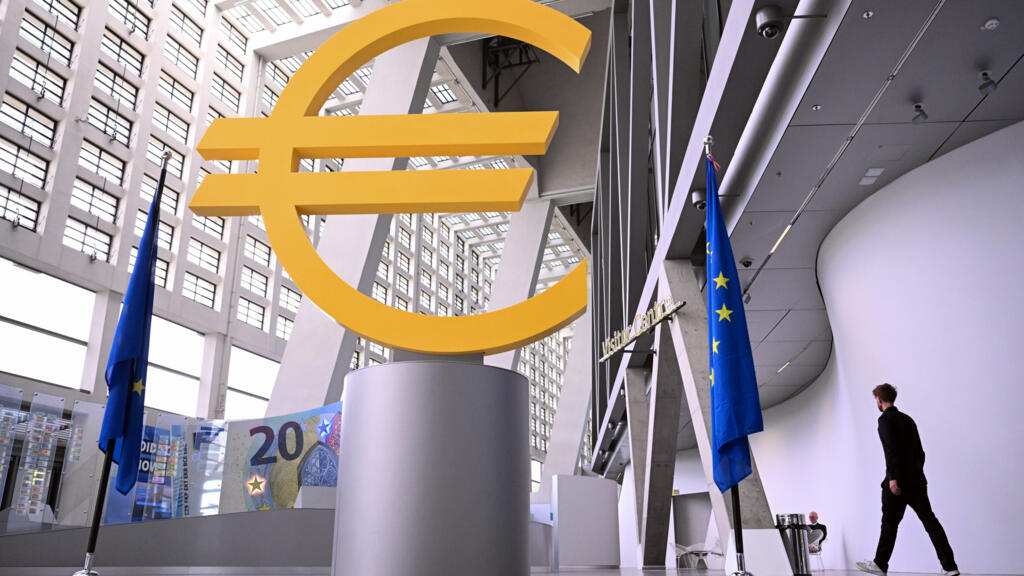
Inflation across the eurozone remained unchanged at 2.8% in June, reinforcing expectations that the European Central Bank (ECB) could slow the pace of monetary easing while continuing to monitor underlying price pressures. The latest figures highlight the delicate balance policymakers face between supporting economic growth and ensuring inflation returns sustainably to the 2% target.

The European Union has introduced a landmark ban preventing large companies from destroying unsold clothing, footwear and accessories, marking a significant step in its strategy to reduce textile waste and promote a circular economy. The new rules are expected to reshape inventory management, retail operations and sustainability practices across Europe's fashion industry.
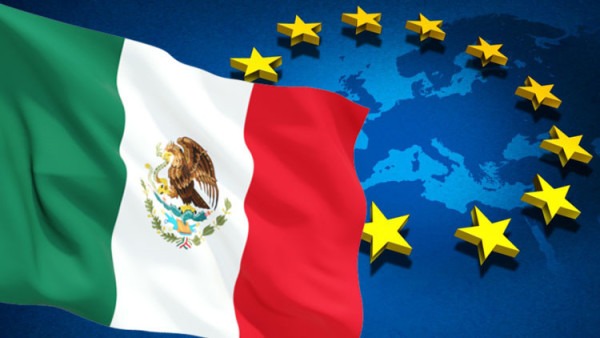
The modernized trade agreement between the European Union and Mexico is expected to significantly strengthen economic ties by reducing tariffs, expanding access to public procurement markets and enhancing the protection of geographical indications (GIs). The updated framework is designed to boost bilateral trade, encourage investment and create new opportunities for businesses on both sides of the Atlantic.

Incoming UK Prime Minister Andy Burnham is expected to unveil a new energy strategy that would reopen the door to oil and gas development in the North Sea, marking a significant departure from Labour’s previous commitment to halt new exploration licences. The proposed policy reflects growing political pressure to balance energy security, industrial competitiveness and climate goals.

The decision highlights the increasingly disciplined approach to mergers and acquisitions as buyers and sellers continue to differ on valuations in today’s uncertain market.

Investors will closely monitor next week’s preliminary business activity data from the eurozone, the United States and the United Kingdom, alongside the European Central Bank’s latest monetary policy meeting. The combination of PMI indicators, interest-rate guidance and persistent geopolitical uncertainty is expected to shape market expectations for economic growth and central bank policy during the second half of the year.
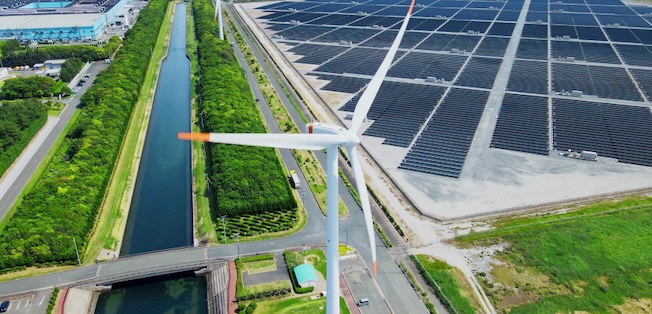
According to Eni CEO Claudio Descalzi, prolonged uncertainty around the Strait of Hormuz is accelerating a strategic reallocation of capital toward more stable regions, positioning Latin America as a key growth market for future energy projects.

German food delivery company Delivery Hero has approved Uber’s proposed acquisition of its Foodpanda Taiwan operations in a deal valued at approximately €1.3 billion, marking one of the largest transactions in Asia’s online food delivery sector. The agreement reflects the industry’s ongoing consolidation as platforms seek greater scale and profitability.

European digital identity specialists Fourthline and Veridas have announced a merger aimed at creating one of the world’s largest independent identity verification and compliance providers. The new company will combine AI-powered biometric authentication, Know Your Customer (KYC) technologies and fraud prevention solutions to serve financial institutions, governments and regulated industries worldwide.
Dutch semiconductor equipment manufacturer ASML has raised its 2026 revenue forecast after reporting stronger-than-expected quarterly results, reinforcing confidence that the global artificial intelligence boom continues to drive demand for advanced chips. The upgraded outlook strengthens ASML's position as Europe's most valuable listed company and highlights the continent's growing role in the AI supply chain.

Madrid is positioning itself as a new international hub for insurance and reinsurance linked to Latin America. Supported by major industry players including Zurich, AXA XL, HDI Global, WTW and Howden, the Spanish capital aims to compete with London and Miami by leveraging its strong financial ecosystem, regulatory framework and deep business ties with the region.
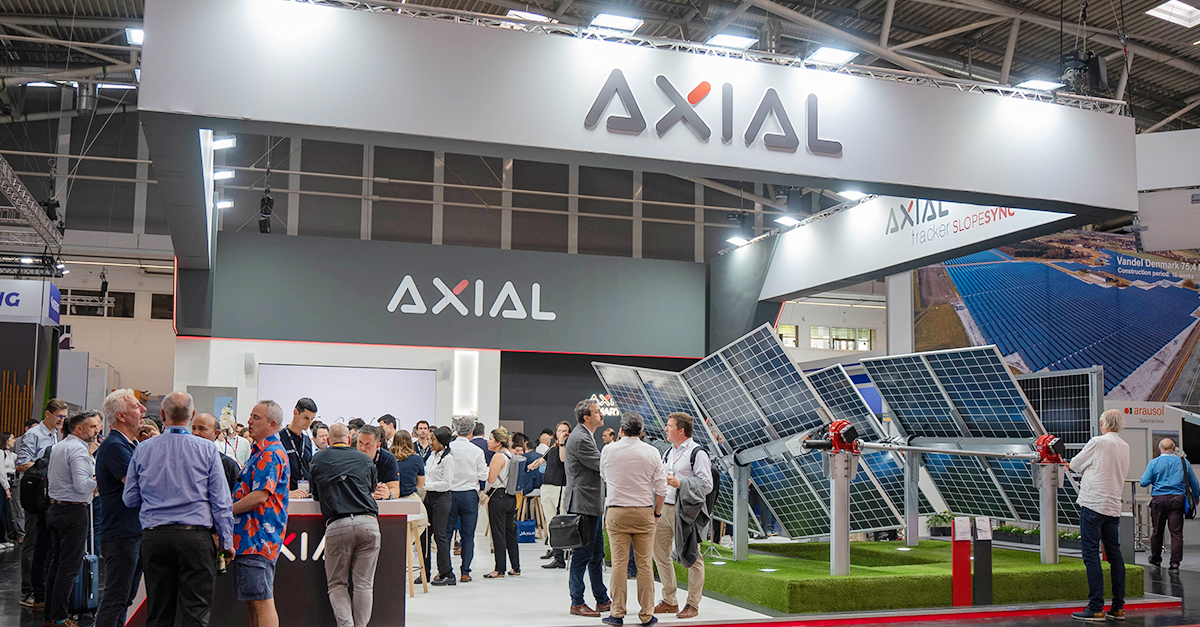
Spanish energy management company Axial is accelerating its expansion into Latin America after establishing itself as one of Europe's leading independent providers of energy market services. The company sees the region's rapidly evolving electricity markets and renewable energy boom as an opportunity to export its expertise in energy trading, portfolio optimization and risk management.

The European Central Bank (ECB) has selected 36 payment service providers to participate in the pilot phase of the digital euro, marking a major milestone in the development of the European Union's future central bank digital currency. The year-long pilot will begin in the second half of 2027 and is intended to test the technical infrastructure, payment processes and user experience ahead of a potential launch in 2029.

French retail giant Carrefour is redefining its international strategy by strengthening its presence in high-growth markets across Africa, the Middle East and Asia, while streamlining operations in parts of Europe and the Americas. The shift reflects broader changes in global retail as companies prioritize faster-growing consumer markets.
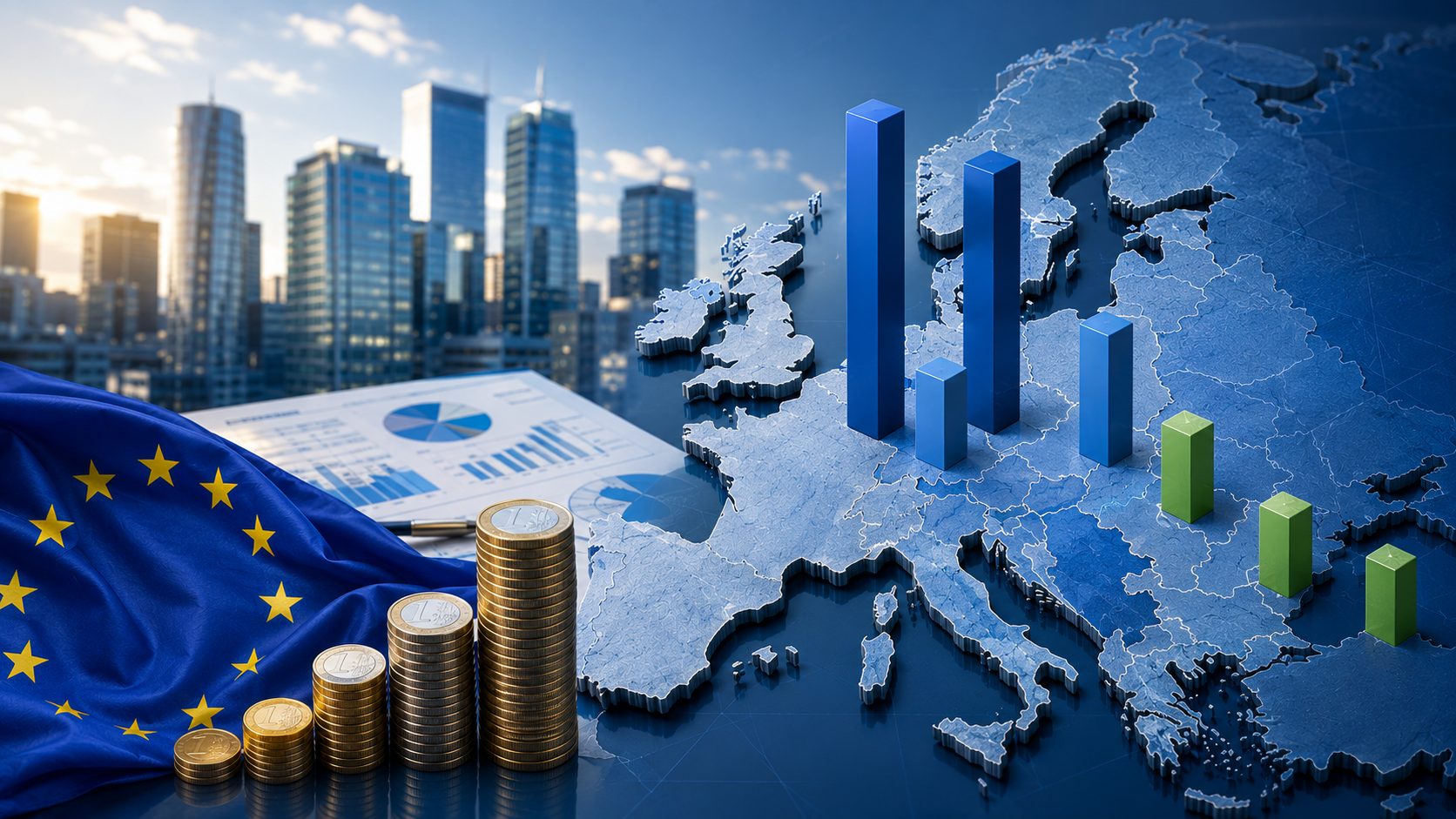
Corporate debt levels vary sharply across Europe, reflecting differences in financial structures, economic models and access to capital markets. While countries such as Luxembourg, France and Sweden rank among those with the highest levels of corporate borrowing relative to GDP, other economies—including Romania, Lithuania and Bulgaria—maintain far lower corporate debt ratios. The figures highlight how financing strategies differ across the European Union and what they mean for competitiveness and investment.
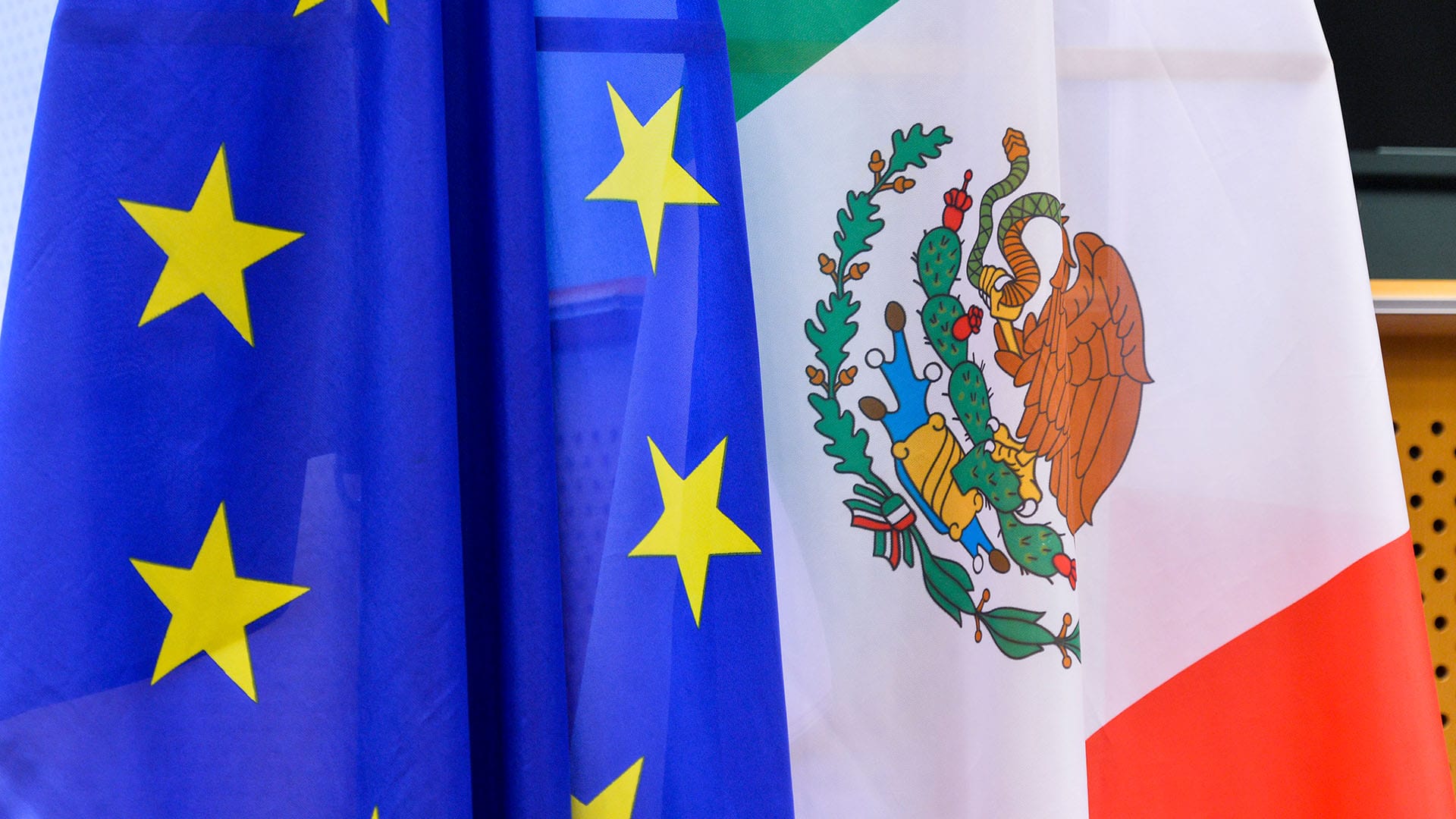
The modernized accord is expected to strengthen bilateral trade, improve market access for more than 45,000 European companies, and deepen economic integration between Europe and Latin America.

The changes are expected to reshape supply chains and affect exporters across Latin America, Southeast Asia and other commodity-producing regions.

The listing reinforces Mendoza's growing position as one of South America's emerging copper districts and highlights rising international investor interest in the country's mining sector.
The infrastructure, designed to connect the Vaca Muerta shale formation with the Atlantic coast, will become the country's largest-diameter gas trunkline and a cornerstone of Argentina's strategy to become a global LNG exporter.

The expansion is expected to create significant opportunities for European pharmaceutical companies, medical device manufacturers and healthcare investors seeking growth across the region.

Spain’s growing number of unicorns is transforming the country’s entrepreneurial ecosystem, creating a virtuous cycle in which successful founders, investors and executives are reinvesting capital, talent and experience into the next generation of startups. The trend is reinforcing Spain’s position as one of Europe’s fastest-growing innovation hubs.

Spanish business networking platform Global MICE Forums and Mexican strategic connections firm Invictux have announced a partnership aimed at creating high-value business opportunities between Europe and Latin America. The agreement was unveiled during the Spanish edition of Global MICE Forums in Tenerife.

French telecom entrepreneur Xavier Niel has increased his support for Vodafone’s efforts to improve mobile coverage across rural Britain, reinforcing investor confidence in the company’s long-term infrastructure strategy as demand for reliable digital connectivity continues to grow.
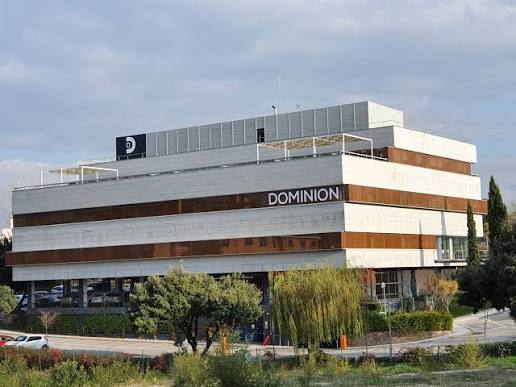
Spanish engineering and technology group Dominion has identified Chile as one of its priority markets in Latin America, targeting new opportunities in infrastructure concessions and digital infrastructure as demand for data centers accelerates across the region.
ARK Invest Europe has strengthened its alliance with Capital Strategies Partners (CSP), broadening access to its actively managed investment strategies across key European markets. The move reflects growing investor demand for innovation-focused portfolios and reinforces the firm’s expansion strategy in Europe.

Uruguayan artificial intelligence startup Zapia is accelerating its international expansion with its entry into Europe after raising €16.6 M and reaching more than 7 million users across Latin America, underscoring the growing global ambition of the region's AI ecosystem.

Spain's National Court has ordered BBVA, its former chairman Francisco González and several former executives to stand trial over the long-running Villarejo case, one of the country's most significant corporate governance investigations in recent years. The proceedings are expected to test the effectiveness of corporate compliance, internal controls and executive accountability in large financial institutions.

Ukrainian agribusiness giant MHP is evaluating investment opportunities in Argentina's poultry sector, citing the country's improving business climate and long-term export potential. The move reflects growing international interest in Argentina's agribusiness industry as economic reforms reshape the investment landscape.
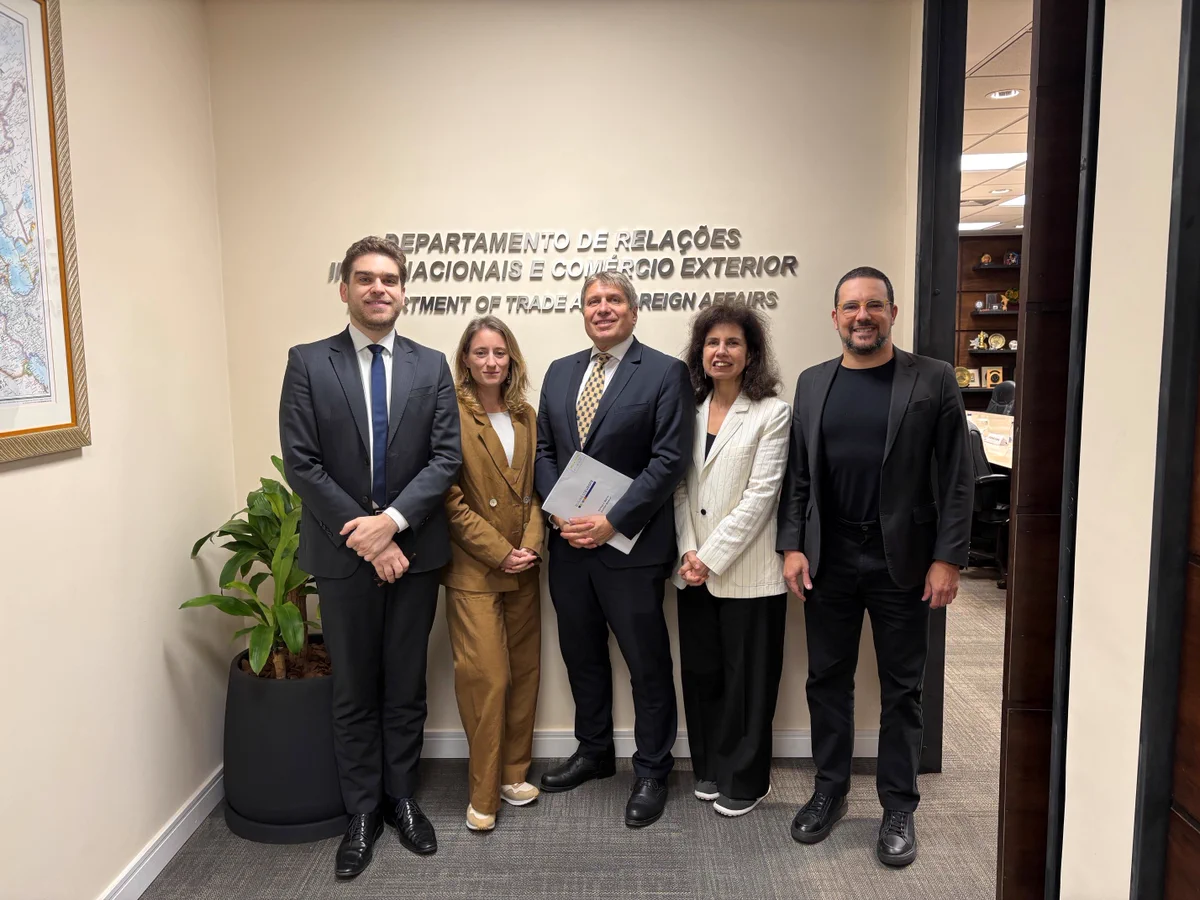
A high-level BusinessEurope delegation has concluded a strategic mission to Brazil aimed at deepening business cooperation, promoting investment and accelerating the implementation of the EU–Mercosur agreement, reinforcing the growing importance of the transatlantic economic partnership.
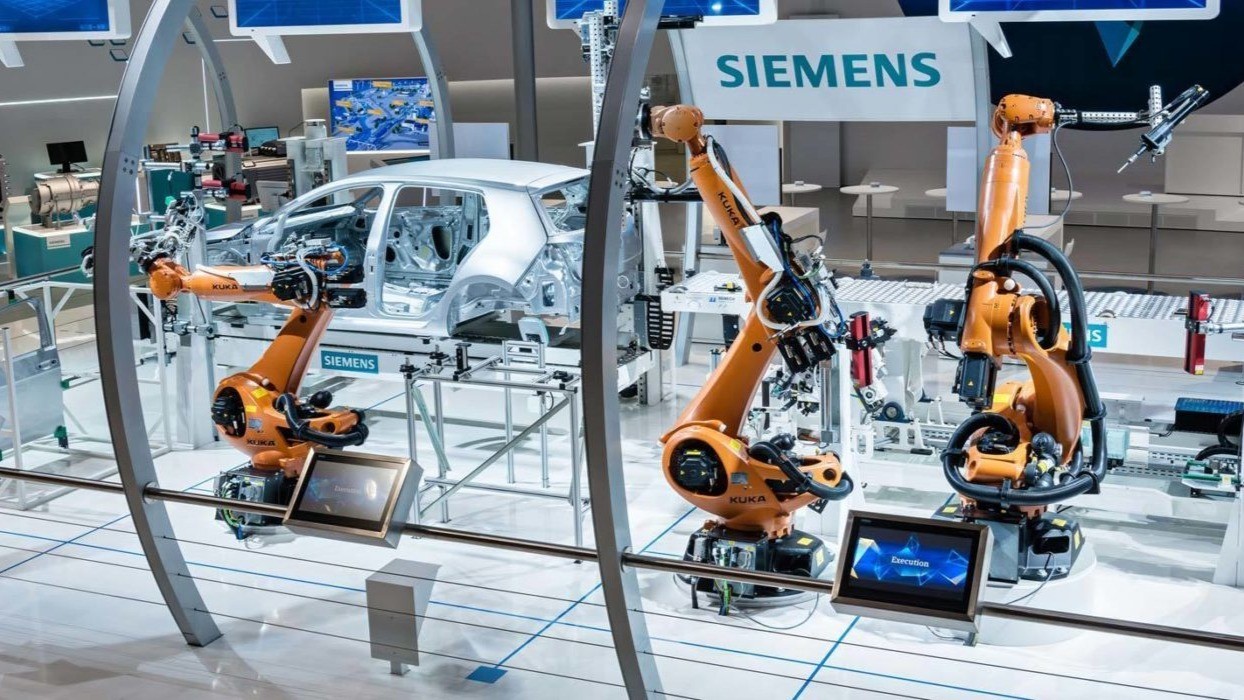
The German technology group will expand production of power distribution systems for AI data centers, e-mobility and industrial automation, creating up to 700 jobs by 2030.
The International Monetary Fund has maintained its growth forecast for Italy but lowered expectations for France and Germany, highlighting the uneven pace of Europe's economic recovery as higher energy prices and geopolitical uncertainty continue to weigh on the eurozone.

The company has shipped its first liquefied natural gas (LNG) cargo produced at Mexico’s Energía Costa Azul (ECA) export terminal to Asia, marking a significant milestone for North American energy exports and reinforcing Mexico’s growing role in global LNG supply chains.

Argentina has welcomed the European Parliament's decision to reject proposed restrictions affecting soy-based biofuels, describing the vote as a positive step for bilateral trade and a signal that Europe is willing to balance sustainability goals with economic cooperation.
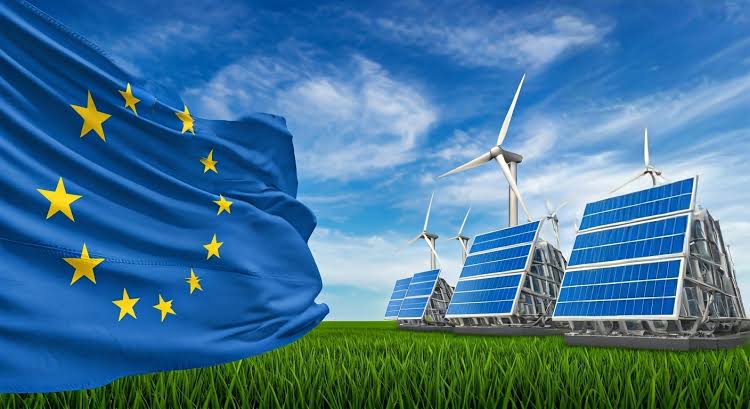
As geopolitical tensions once again disrupt global energy markets, the European Union is accelerating efforts to diversify its energy partnerships. With one of the world's cleanest electricity matrices and vast renewable resources, Latin America is emerging as a strategic partner in Europe's quest for greater energy security and long-term resilience.
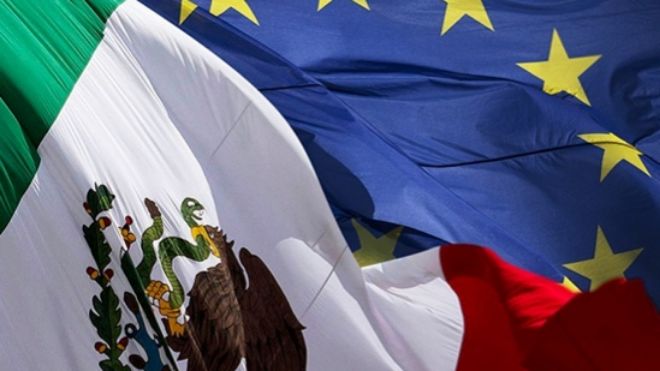
The modernized trade agreement between the European Union and Mexico is expected to strengthen investment, expand market access and create new business opportunities for around 45,000 European companies already exporting to the Mexican market, while reinforcing economic ties between Europe and Latin America.

Montevideo says the trade deal is no longer just about tariffs, but about Europe’s strategic influence in South America.
German logistics provider Rhenus is accelerating its global growth strategy with the ambition of becoming one of the world's ten largest logistics companies, supported by international expansion, strategic acquisitions and growing demand for integrated supply chain solutions.

The proposed European Union–Mercosur trade agreement could become a catalyst for the use of stablecoins in international trade, as businesses seek faster, lower-cost payment solutions to support growing commercial flows between the two regions.

The latest Latin American Economic Outlook (LEO) 2025 argues that the region must accelerate productive transformation through stronger investment, innovative financing and closer public-private cooperation to achieve sustainable long-term growth.
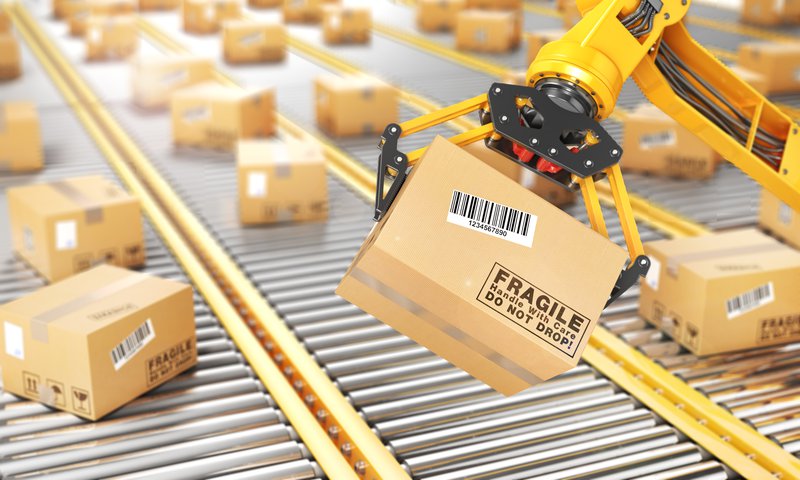
Barcelona Packaging Hub highlights the growing role of international trade fairs as essential platforms for innovation, technology adoption and business development in the global packaging industry.
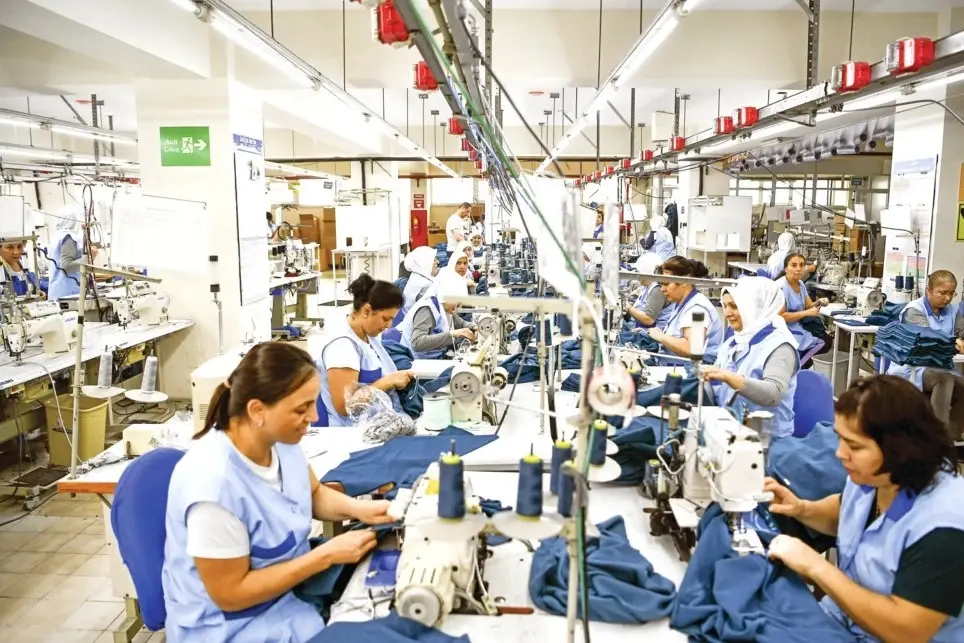
The textile and apparel industry across Latin America is undergoing a profound transformation as manufacturers adapt to new sustainability standards, digitalization and shifting global supply chains.
The European Union is preparing new measures to improve access to financing for startups and scaleups, aiming to prevent promising companies from relocating abroad in search of investment and accelerate Europe's innovation ecosystem.

As geopolitical rivalry between major global powers deepens, Latin America is once again emerging as a strategic region where trade, investment, critical resources and diplomacy are becoming central to international competition.
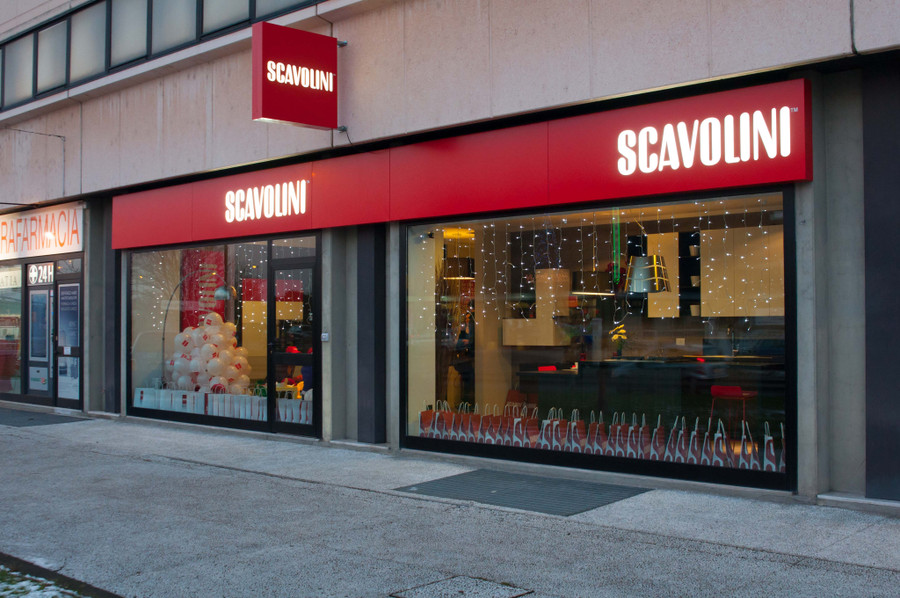
Italian kitchen and interior design manufacturer Scavolini is strengthening its international presence through the opening of new flagship showrooms, reinforcing its global growth strategy and expanding the reach of Italian design worldwide.

Nike has selected French company Albion to manage the European distribution of its ACG collection, reinforcing its premium outdoor strategy and expanding access to one of its fastest-growing product segments across the continent.
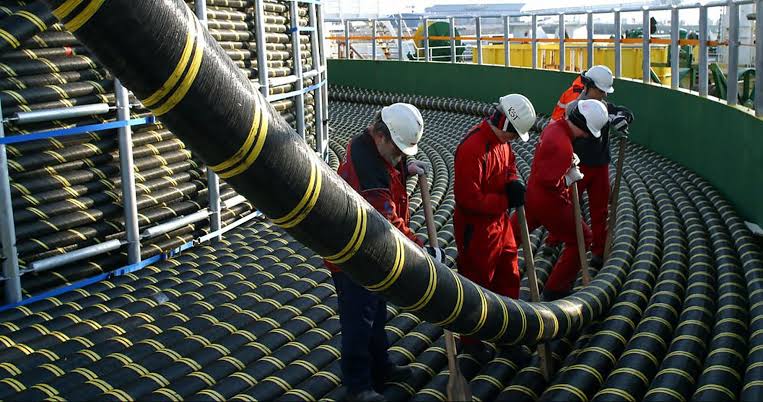
The European Union has approved a €260 million investment to expand the EllaLink submarine cable system, strengthening digital connectivity between Europe and Brazil while supporting data sovereignty, research collaboration and transatlantic digital infrastructure.

Energy, mining, industrial cooperation and skilled talent are becoming the pillars of an increasingly strategic economic relationship between Argentina and Germany as both countries seek to strengthen long-term investment and sustainable development.
Spain's airport operator will limit capacity at Madrid-Barajas and Barcelona-El Prat from 2027 to prevent operational congestion, highlighting the urgent need for infrastructure expansion as air travel continues to grow.

British footwear brand Dr. Martens is accelerating its Latin American growth strategy with its first retail stores in Mexico while preparing to enter Brazil, two of the region's largest consumer markets.

The growing interest emerged during a business mission in Bogotá, where Canary Islands officials showcased the archipelago's strategic location, tax advantages and international business ecosystem as a launchpad for Latin American firms seeking expansion into Europe.

Germany has become the first European Union member state to ratify the EU-Mercosur trade agreement, reinforcing political support for one of the world's largest free trade partnerships and sending a strong signal in favor of deeper economic integration with Latin America.
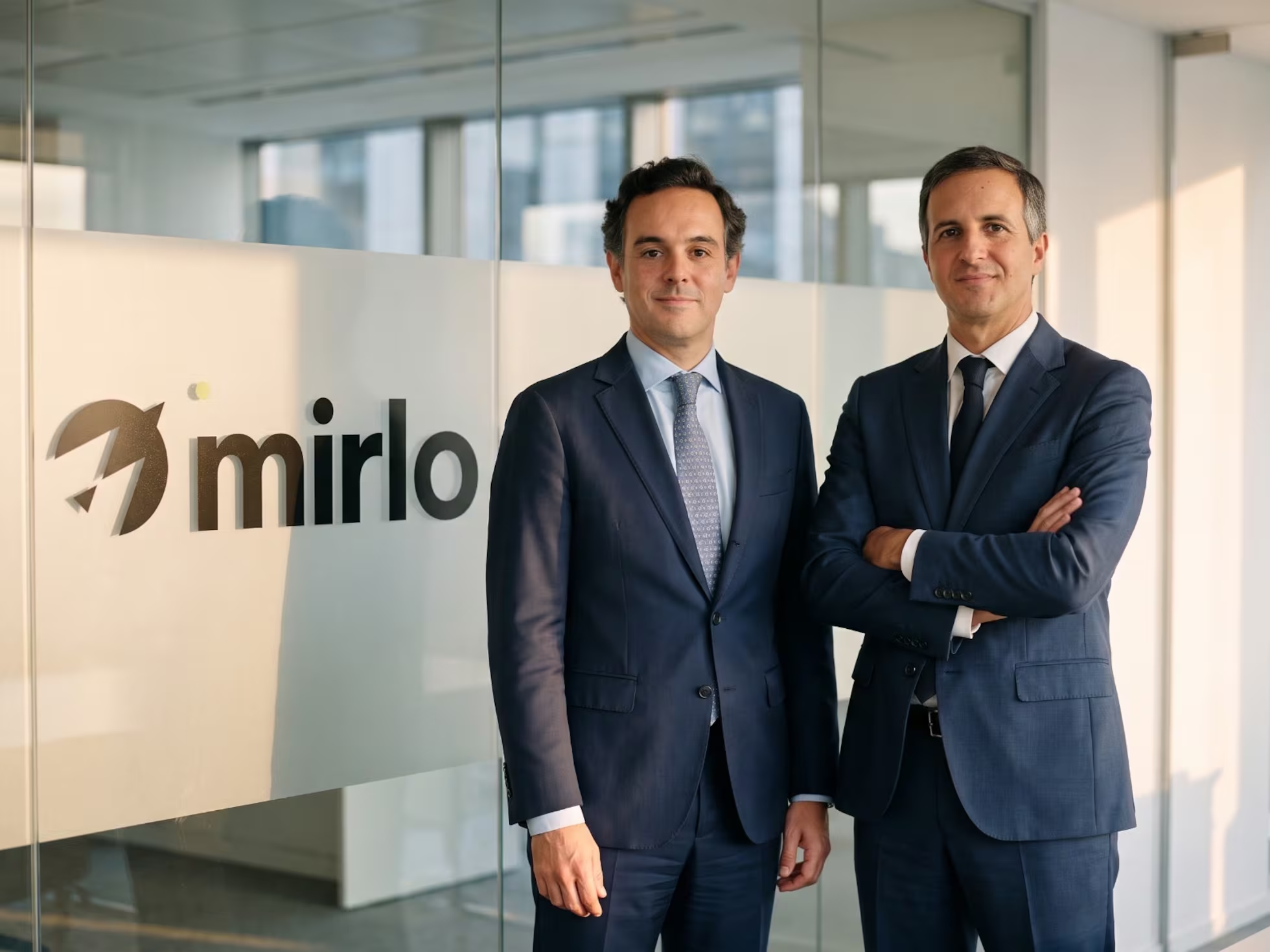
Founded by experienced legal professionals Alfonso Carrillo and Jorge Perujo, Mirlo aims to support companies and investors operating across Spain and Latin America with a cross-border legal advisory model.
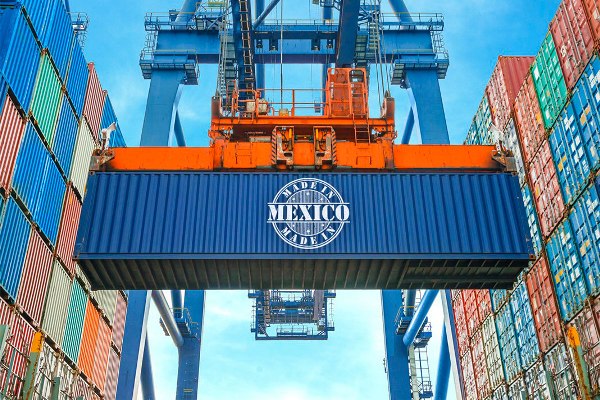
Mexico is reinforcing its role as one of the world's leading manufacturing and logistics platforms by leveraging its trade agreements with North America and the European Union to attract investment and expand global supply chains.
Business leaders, government officials and international organizations met in Madrid to promote deeper economic cooperation between OECD countries and Latin America ahead of the next Ibero-American Summit.
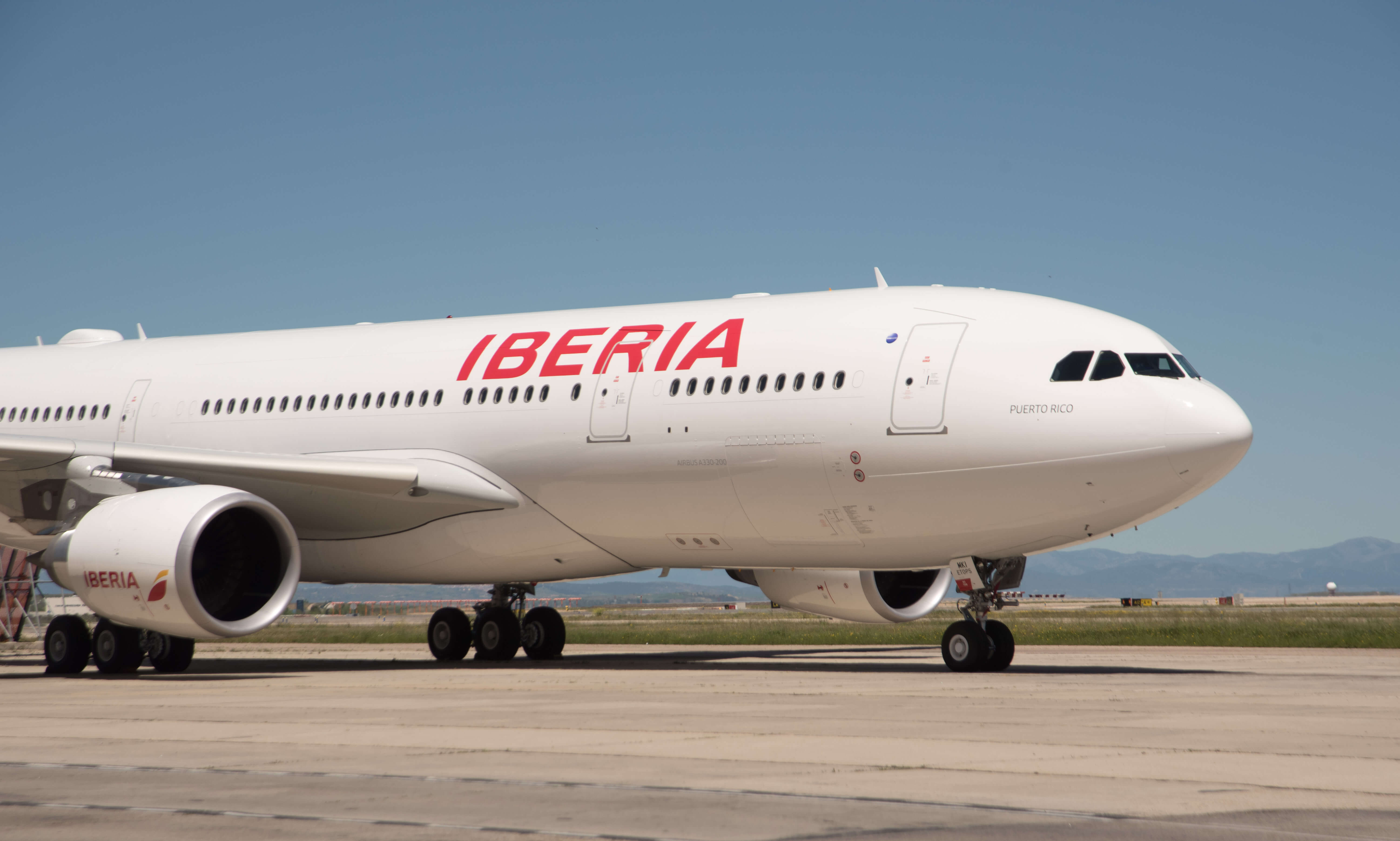
Spain's flagship airline is expanding its long-haul network, reinforcing its position as a key connector between Europe and Latin America while increasing capacity and fleet modernization.

Germany and Argentina have signed a strategic agreement on critical minerals aimed at expanding cooperation in lithium, copper and other key resources essential for the global energy transition and advanced manufacturing.

Public institutions, business leaders and industry experts from Europe and Latin America met in Brussels to deepen cooperation on sustainable agriculture, innovation, food security and international trade.

The German automotive giant is reportedly preparing a sweeping restructuring plan that could affect thousands of jobs and several production facilities as it adapts to the electric vehicle transition and intensifying global competition.

As heatwaves become more frequent across Europe, millions of workers in outdoor and high-temperature occupations face growing health risks, productivity losses and economic disruption.

European institutions are promoting a strategy centered on investment, economic cooperation and private-sector development as a long-term path to support Haiti's recovery and sustainable growth.

Portugal has added hundreds of ultra-high-net-worth individuals over the past five years, reinforcing its position as one of Europe's most attractive destinations for international investors, entrepreneurs and wealthy families.

Spain is consolidating its position as one of Europe’s fastest-growing technology hubs, supported by artificial intelligence, venture capital and a new generation of scaleups.

Companies entering Latin America often focus on the most visible markets, but data-driven strategies are revealing overlooked opportunities beyond traditional business hubs.
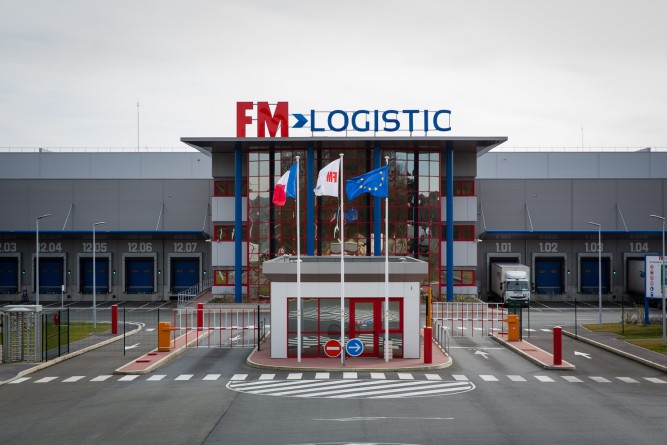
The French logistics group is strengthening its European footprint by acquiring a majority stake in German logistics provider Schaefflein, reinforcing consolidation trends across the continent's supply chain sector.

The streaming platform is introducing artificial intelligence-driven advertising formats in Europe and Latin America, signaling a new phase in the evolution of digital media, personalized marketing and connected TV.

Companies that succeed across multiple regions are increasingly those capable of balancing global consistency with local regulations, consumer preferences and cultural expectations.

The new European initiative aims to transform agricultural residues and renewable biological resources into high-value products, reinforcing the EU's circular economy and climate objectives.
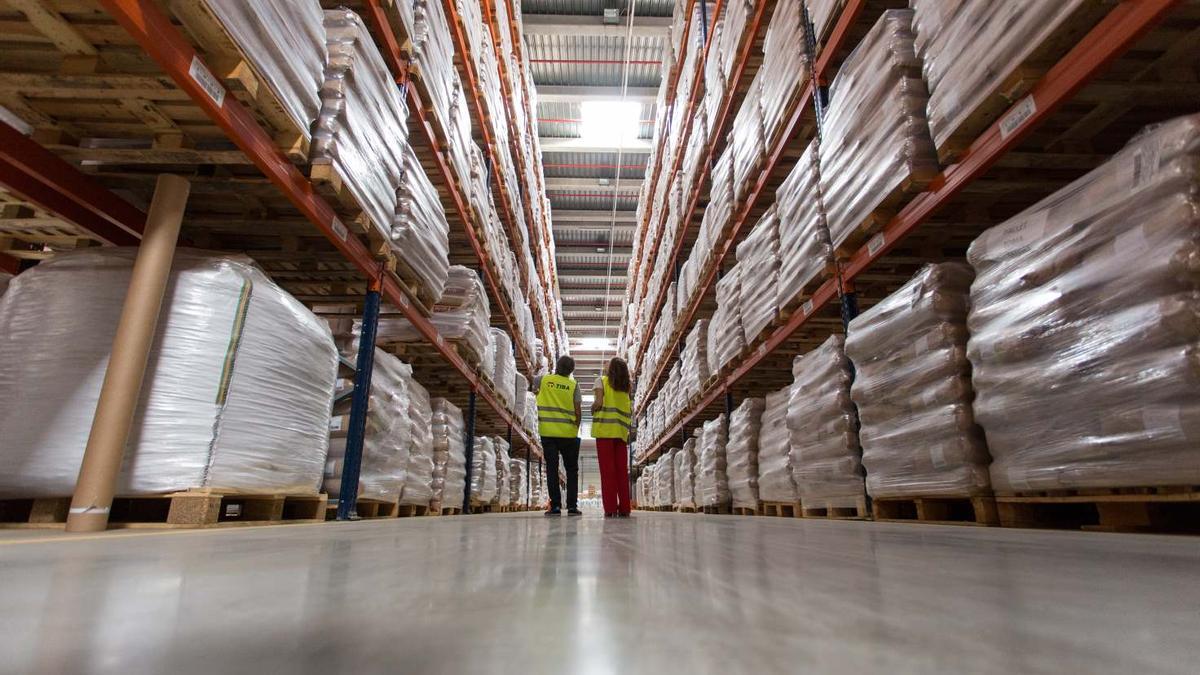
Small and medium-sized enterprises remain the backbone of Spain's economy, but improving logistics, digitalization and supply chain efficiency will be essential to sustain future growth.
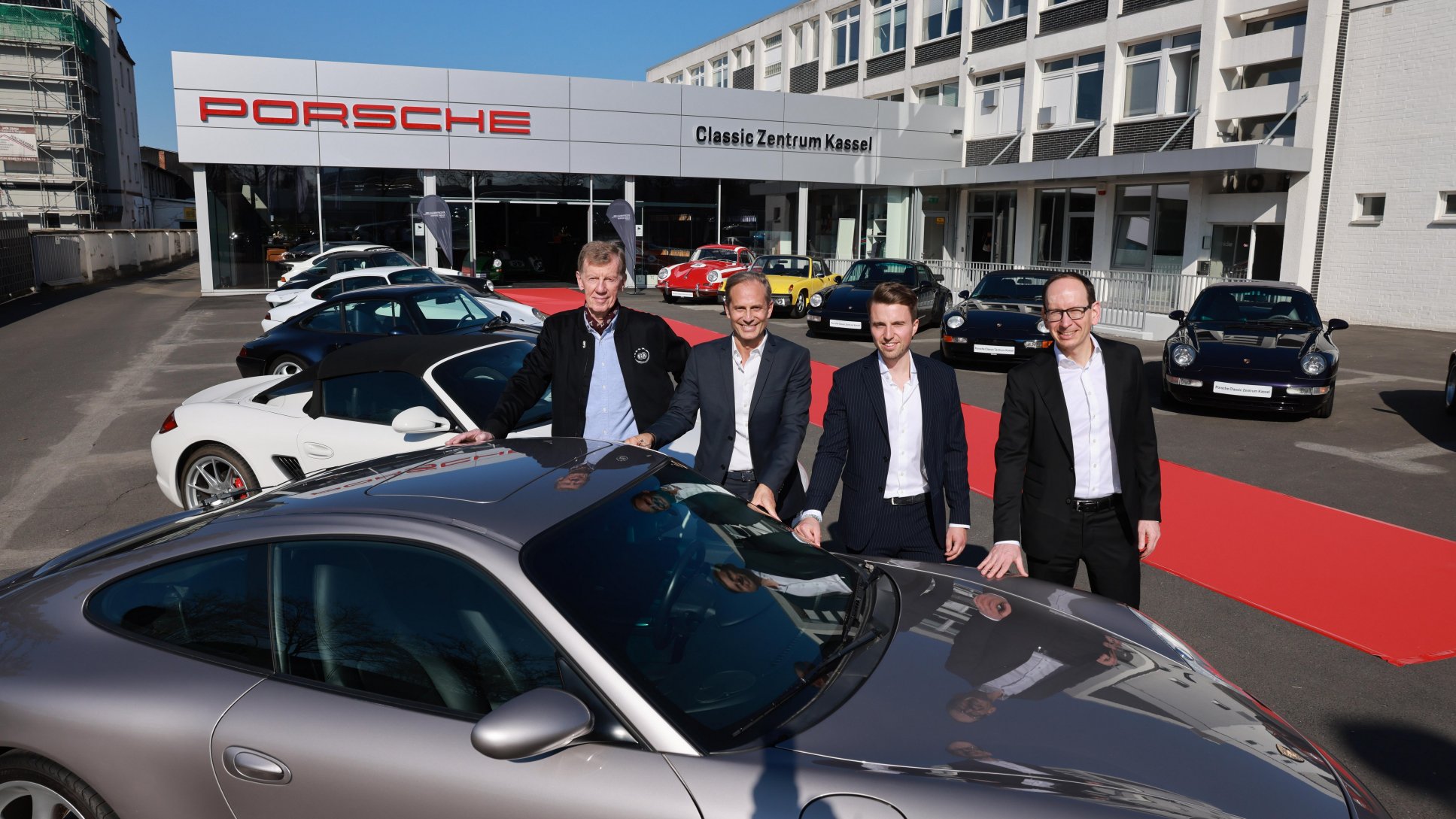
The German sports car manufacturer is rolling out a new retail strategy across Latin America, transforming traditional dealerships into lifestyle destinations designed to strengthen customer engagement and brand loyalty.
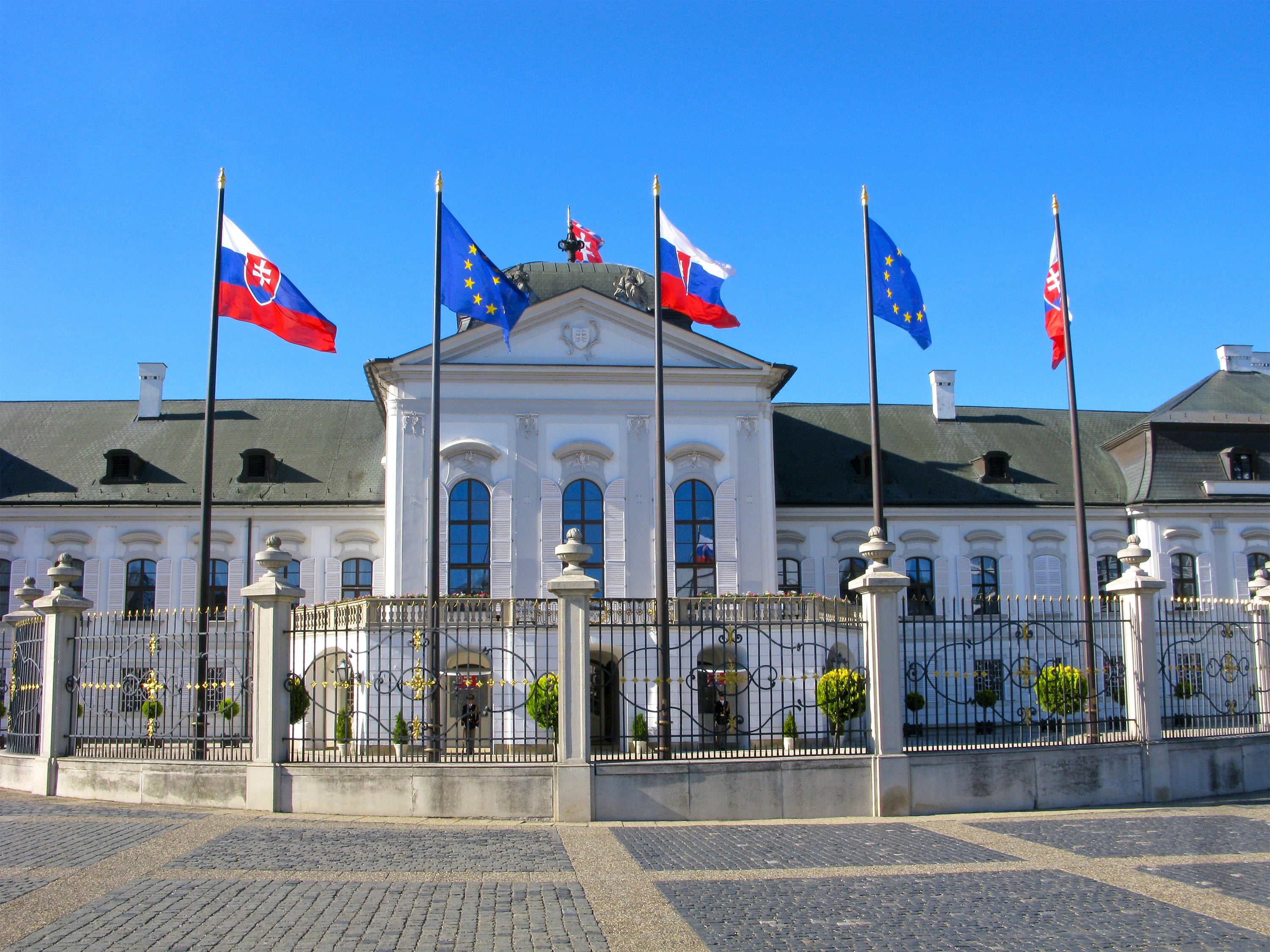
A new OECD assessment says Slovakia has the potential to achieve stronger long-term growth but must improve fiscal sustainability, increase labor market participation and accelerate structural reforms.

As economic ties between Europe and Latin America continue to expand, Serbia is seeking a more active role in connecting businesses, institutions and investment opportunities across both regions.

The European Union and Brazil are accelerating cooperation in digital technologies, cybersecurity and connectivity, reinforcing one of the most strategic technology partnerships between Europe and Latin America.

Major European corporations are expanding large-scale industrial and energy projects across Asia, underscoring the strategic importance of China and India in global manufacturing, infrastructure and energy transition plans.

The European Parliament has endorsed the development of the digital euro, a project designed to strengthen Europe's financial sovereignty, reduce dependence on foreign payment networks and modernize the region's digital economy.
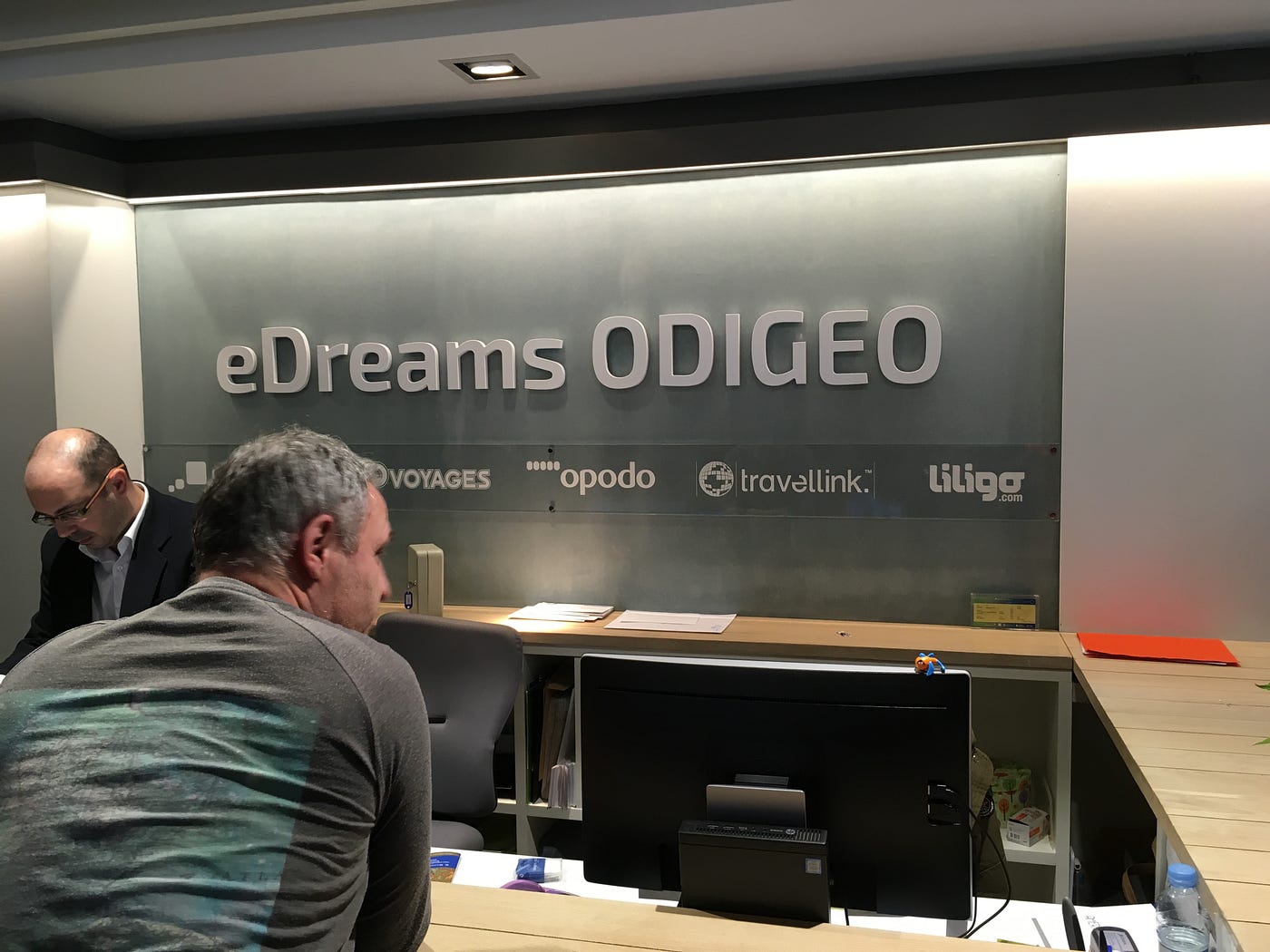
The European travel technology company is accelerating growth across Latin America, betting that subscription-based services will become an increasingly important part of the region's digital travel economy.
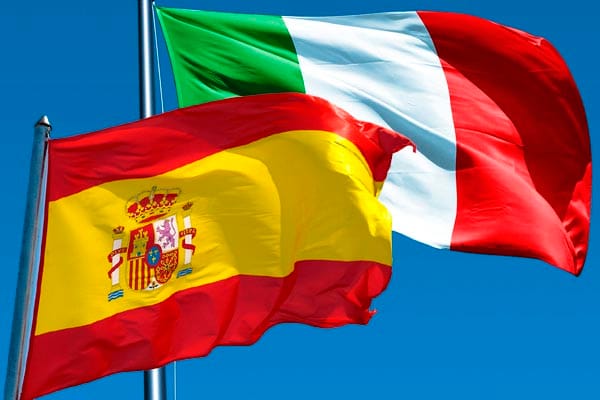
A growing majority of Italian companies operating in Spain expect business expansion in 2026, reinforcing the Iberian country's position as one of Europe's most attractive destinations for foreign investment.
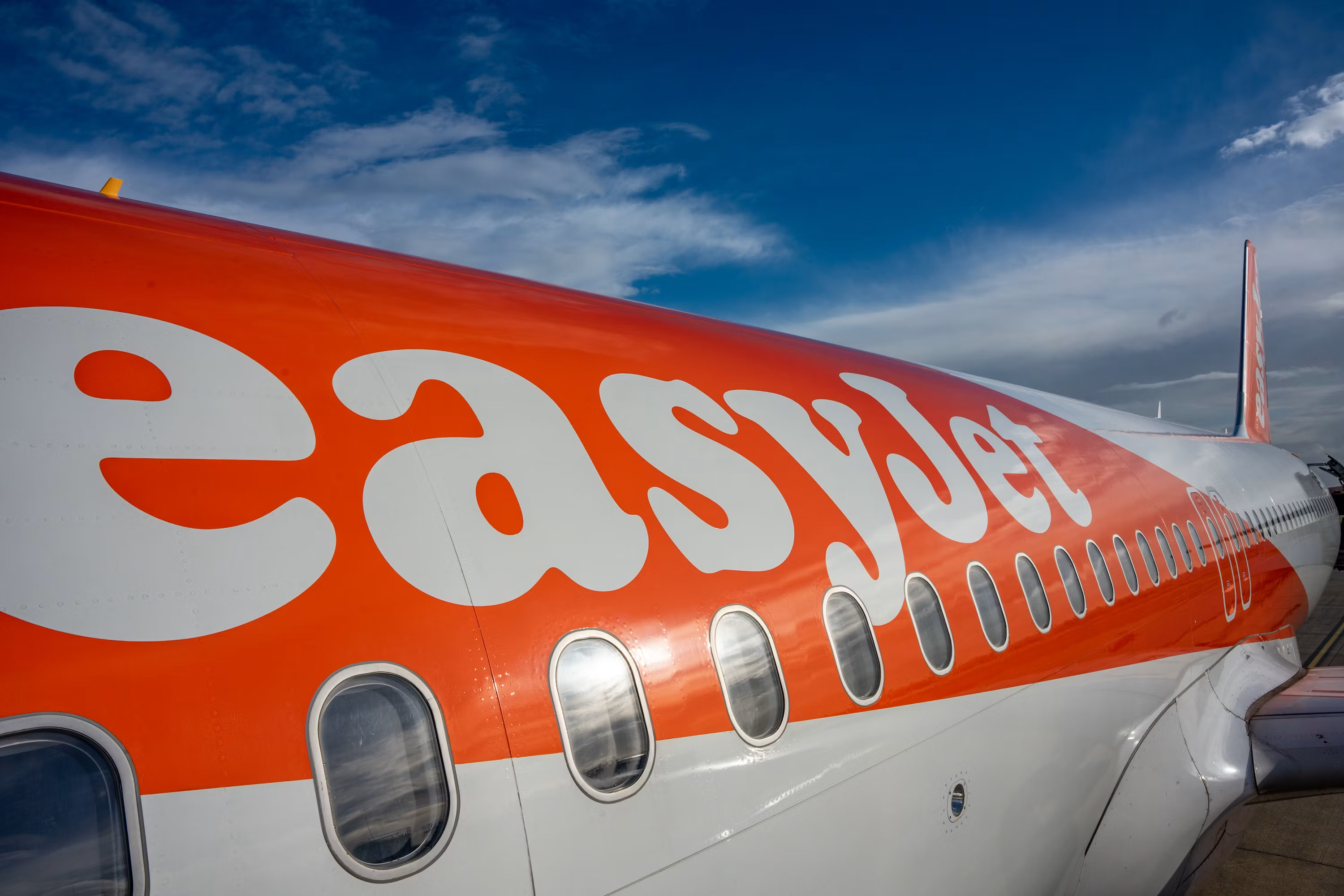
The low-cost carrier turned down a multi-billion-euro acquisition proposal, signaling confidence in its long-term strategy and highlighting renewed investor interest in Europe's aviation industry.

The Portuguese airline is expanding its presence in South America as demand for travel, business links and tourism between Europe and Latin America continues to grow.

Rising temperatures are no longer just an environmental concern. Across Europe, heatwaves are increasingly affecting productivity, infrastructure, energy systems and public finances, creating significant economic costs for governments and businesses.

A growing number of high-net-worth individuals are relocating within Europe, creating new winners and losers in the competition for investment, entrepreneurship and private capital.
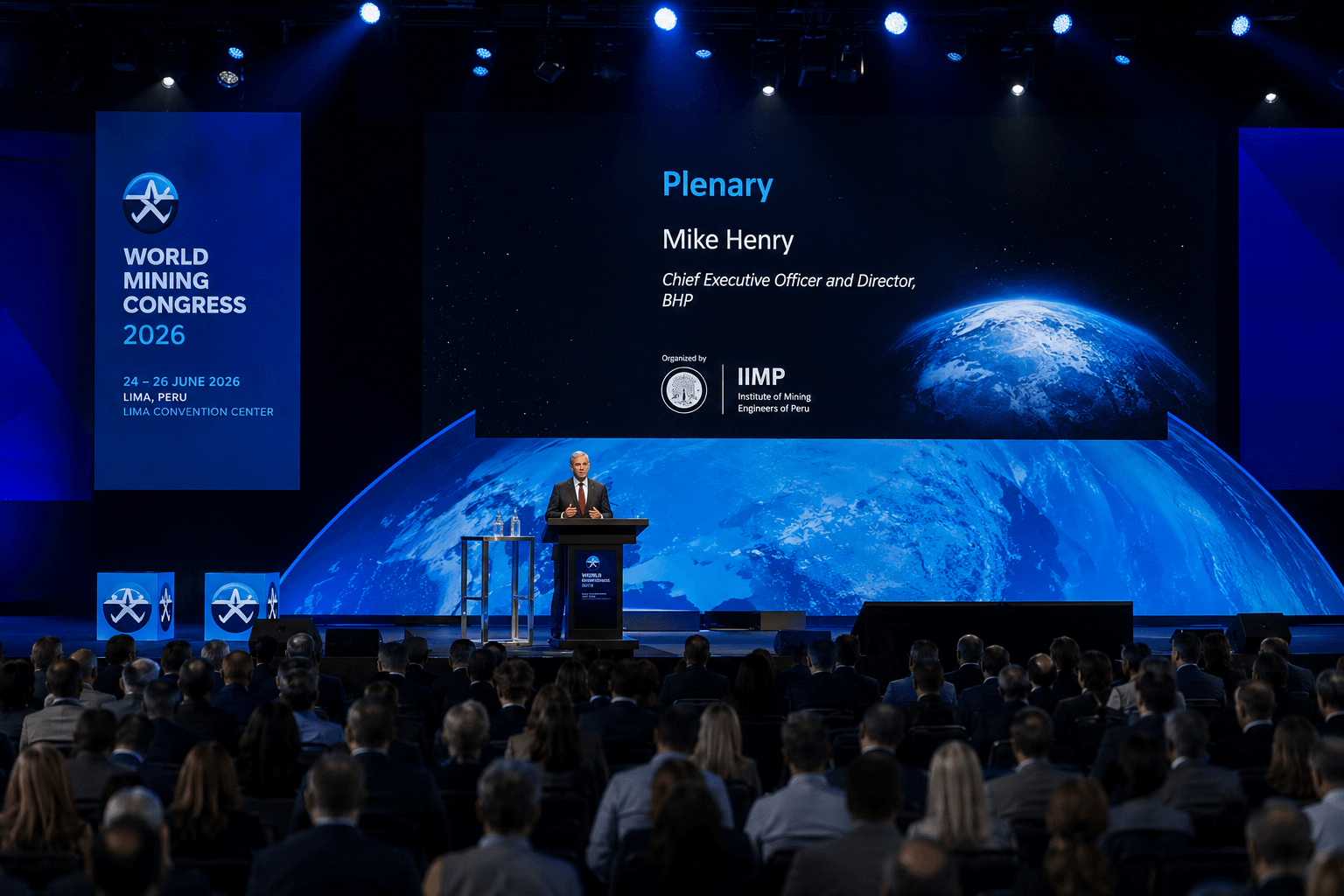
More than 300 scientific papers will be presented at one of the mining industry's most influential global gatherings, highlighting how technology, artificial intelligence and sustainability are reshaping the sector.
The new facility in Chile highlights the growing role of battery energy storage systems in supporting renewable power expansion across Latin America and strengthening energy security.
The Swedish group strengthens its Latin American footprint with a deal focused on security services, cash logistics and regional business expansion.
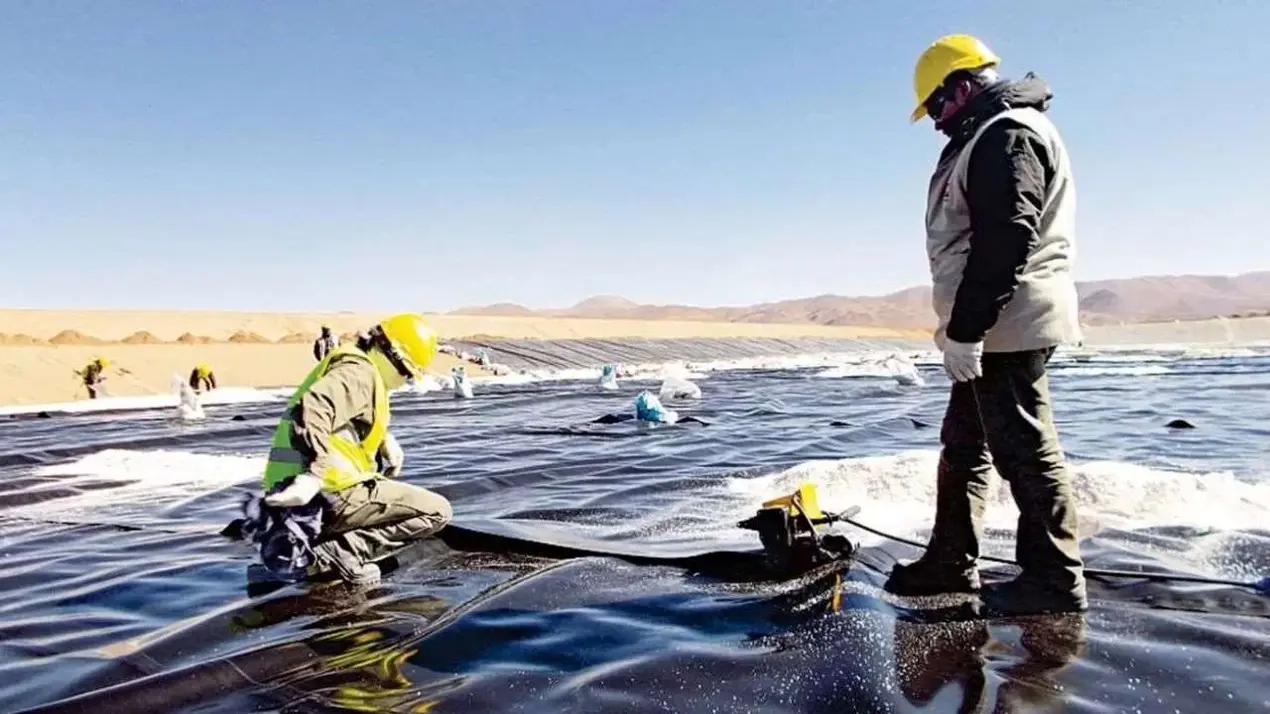
Growing global demand for battery materials is driving renewed interest in Argentina's lithium sector, where major players are looking to accelerate development and expand production capacity.
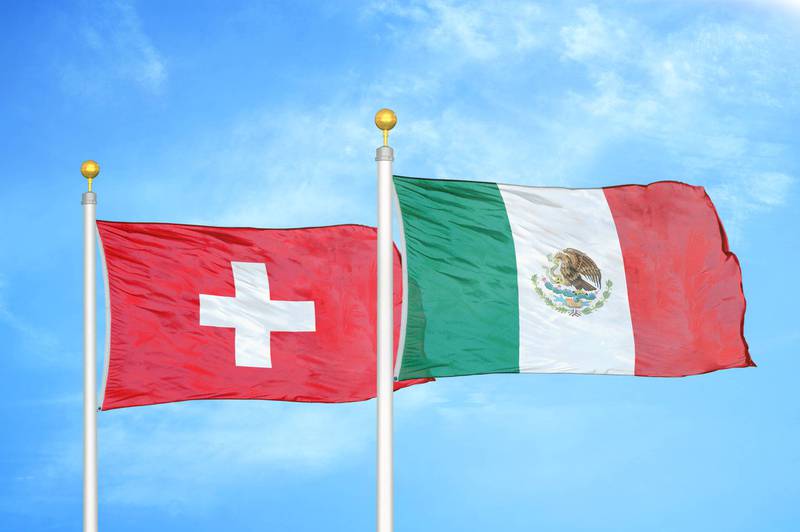
Trade, investment and innovation are taking center stage as Switzerland and Mexico seek to strengthen one of the most dynamic economic relationships between Europe and Latin America.

Madrid once again positioned itself as a strategic meeting point between Europe and Latin America during Latam Days 2026, an event that brought together investors, multinational companies, legal experts and financial institutions to discuss the growing flow of capital between the two regions.
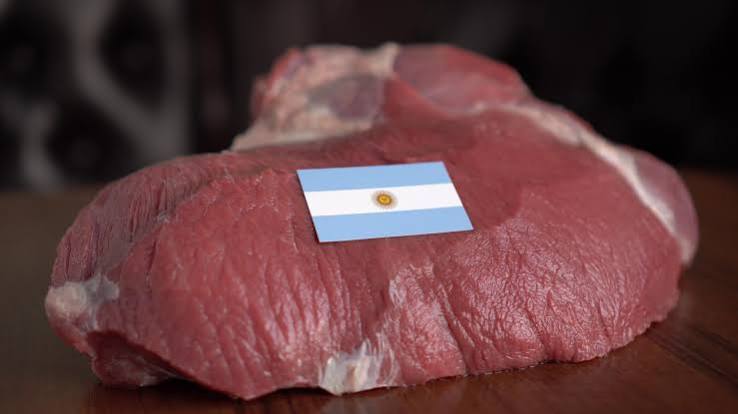
New requirements are reshaping access to Europe’s food market, where traceability, certification and sanitary standards now carry growing commercial weight.

Brent and WTI fell to their lowest levels since the beginning of the conflict after Washington and Tehran signed an interim agreement. Markets are now pricing in a gradual reopening of the Strait of Hormuz and a possible recovery in Iranian crude exports.

European manufacturers are increasingly deploying artificial intelligence to improve productivity, reduce costs and strengthen competitiveness. From food processing and agriculture to advanced manufacturing and logistics, AI is becoming a key pillar of Europe's industrial strategy as the continent seeks to close the innovation gap with the United States and China.

The initiative is expected to have significant implications for investors, financial institutions and companies operating across the EU.
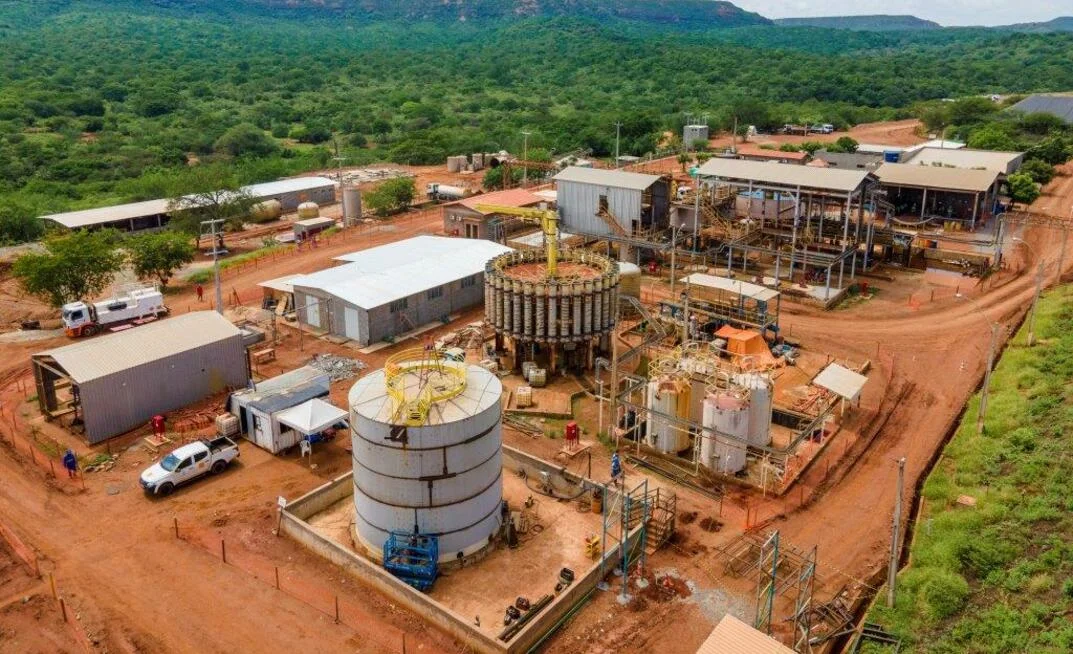
The project could strengthen Brazil’s position in global battery supply chains and help meet growing demand from the electric vehicle and energy storage industries.

Colombia is moving forward with the development of a new liquefied natural gas (LNG) import terminal on its Caribbean coast, a project designed to enhance energy security, support growing demand and improve supply flexibility.
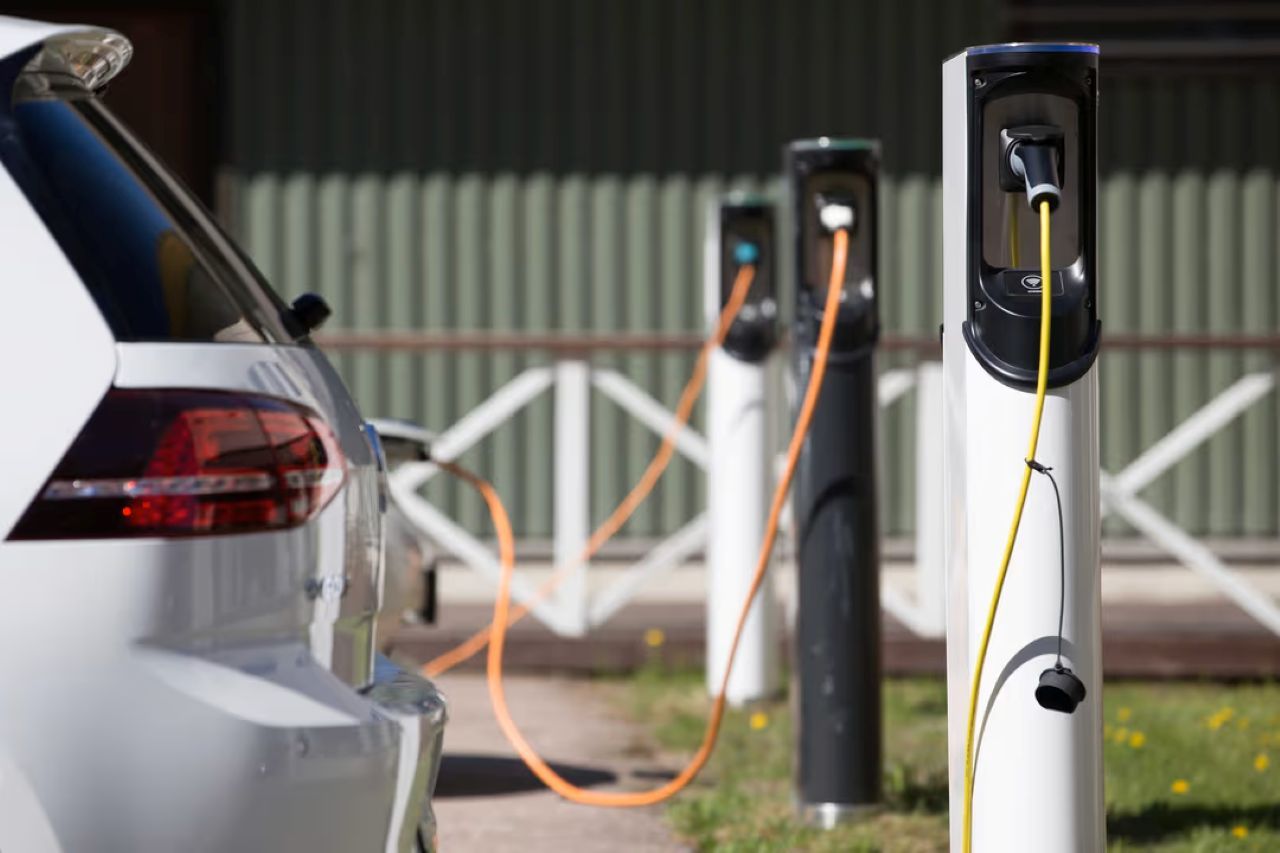
The company’s API-first software platform allows retailers, energy companies and parking operators to integrate EV charging directly into existing apps, payment systems and business services.
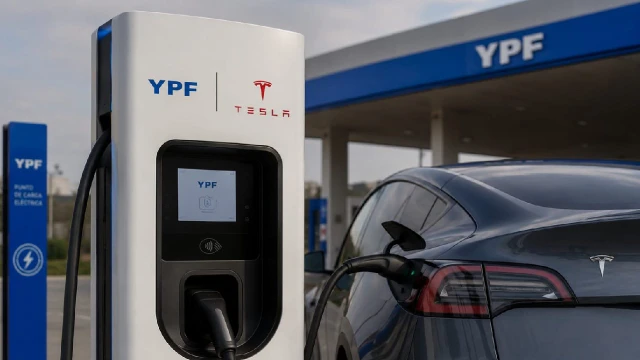
Argentina’s energy champion YPF and Tesla are exploring a strategic collaboration that could reshape the country's energy landscape. The discussions focus on electric vehicle charging networks and battery storage systems, two sectors expected to become central pillars of Argentina’s energy transition and its integration into global clean-technology value chains.

Chile is looking beyond copper and lithium as it seeks to strengthen its position in global supply chains for advanced technologies.
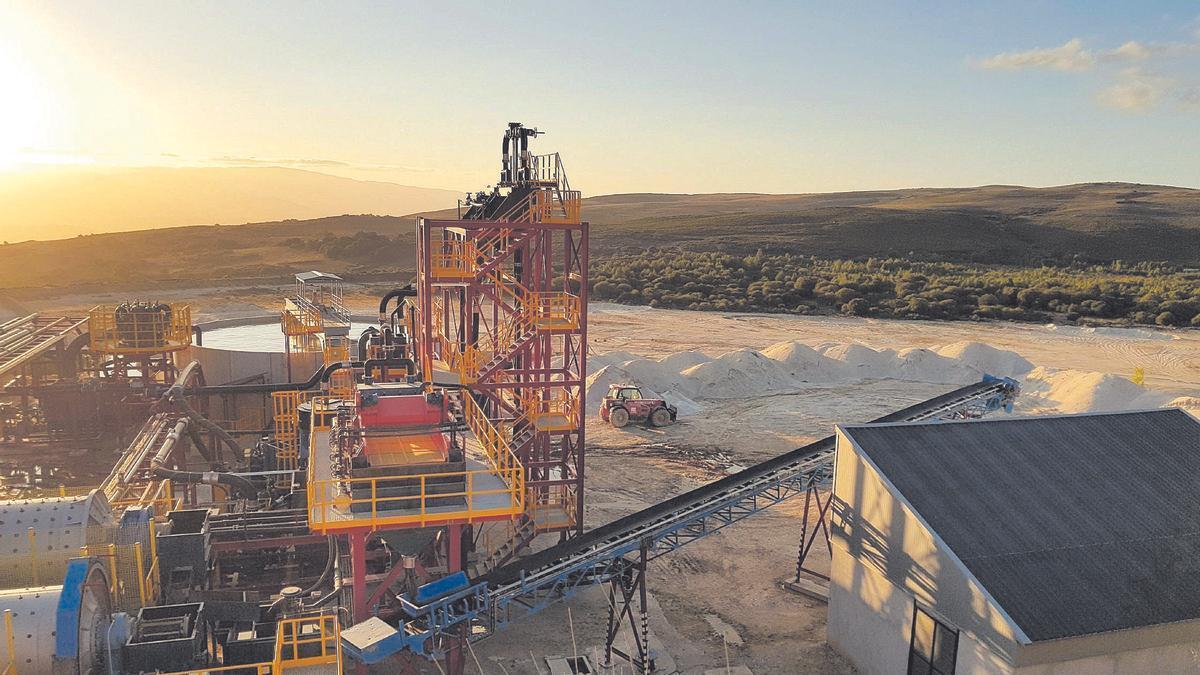
Energy Transition Minerals (ETM) is accelerating its search for new mining opportunities in Spain while awaiting the outcome of a long-running dispute over its flagship rare earth project in Greenland. The move highlights Europe's growing urgency to secure domestic supplies of critical minerals essential for electric vehicles, renewable energy technologies and industrial competitiveness.

The announcement of a framework agreement between the United States and Iran has eased immediate fears of a prolonged energy crisis, sending oil and gas prices lower.

A potential escalation in trade tensions between the United States and France could reshape the global wine market and create new opportunities for producers across Latin America.

Argentina’s mining industry recorded a strong increase in exports during the first four months of 2026, driven by rising international demand for gold, silver and lithium, reinforcing the sector’s position as one of the country’s most important sources of foreign currency and investment.
While global markets continue to navigate economic uncertainty, a select group of European companies has delivered exceptional returns in 2026.

Following the recent improvement in Argentina’s sovereign credit profile, S&P Global Ratings has upgraded eight of the country’s leading companies, signaling growing confidence in key sectors including energy, infrastructure, telecommunications and transportation.
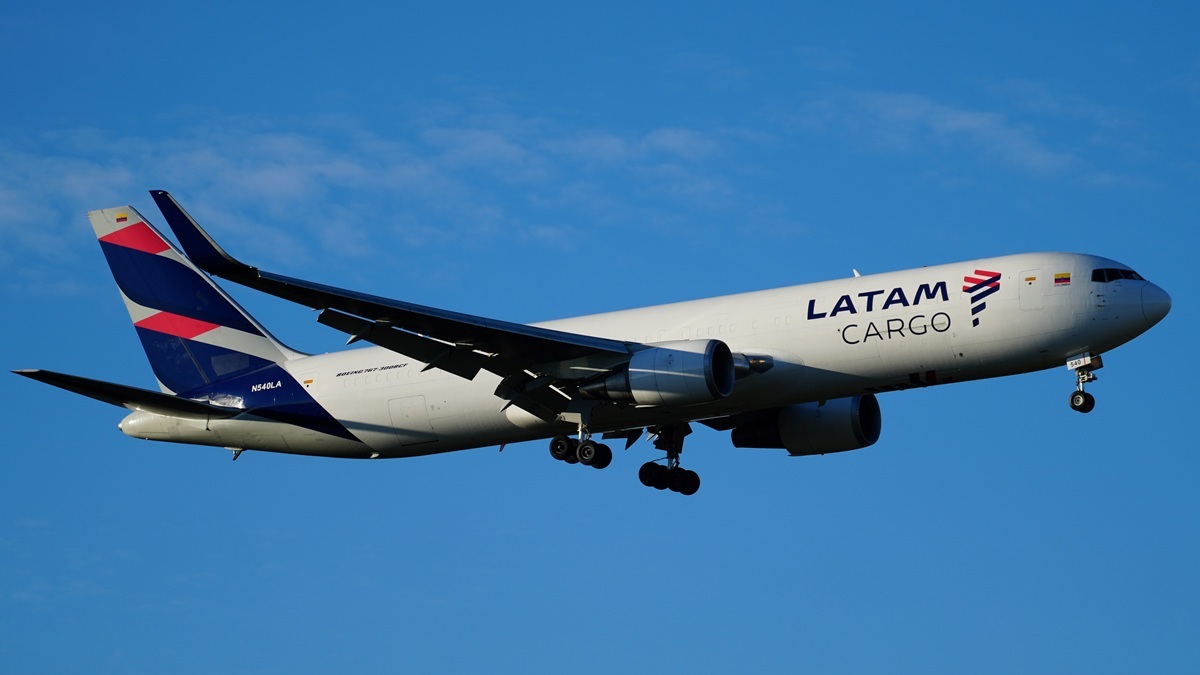
LATAM Cargo is expanding its role in connecting northern Chile’s mining sector with European markets, reinforcing supply chains that support one of the world’s most important sources of critical minerals for the energy transition.

The European Union and Guatemala have reaffirmed their commitment to strengthening political dialogue, trade, investment and security cooperation following a new round of bilateral consultations in Brussels, highlighting growing ties between Europe and Central America.
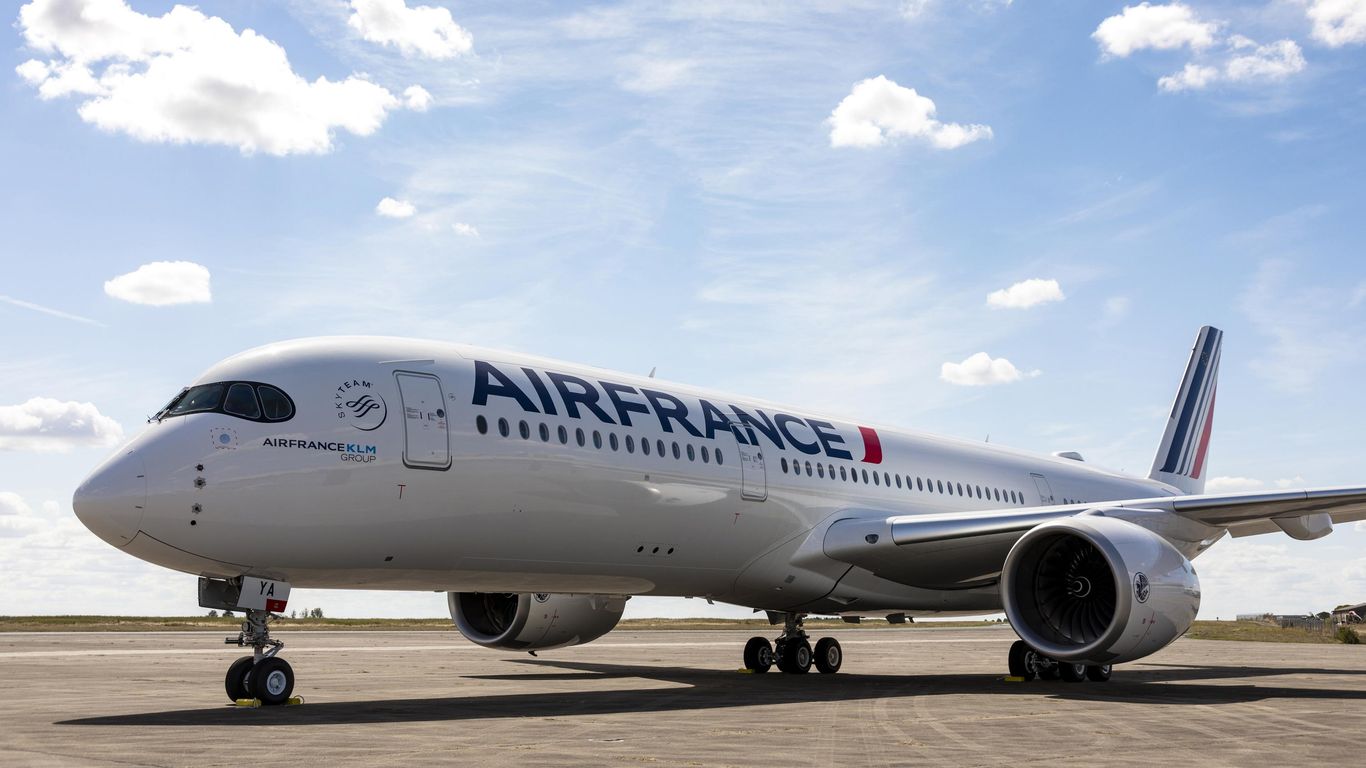
Argentina and France have agreed to expand their bilateral air transport framework, opening the door to increased flight frequencies, improved connectivity and new opportunities for tourism, business travel and trade between Europe and Latin America.
The European Union is preparing to unveil its first-ever electrification target while deepening cooperation with Mercosur on renewable energy, hydrogen, critical minerals and strategic supply chains. The move reflects Brussels’ push to strengthen energy security and reduce dependence on imported fossil fuels.
As geopolitical tensions reshape global trade and investment flows, Latin America is positioning itself as a strategic partner for Europe and the United States, promoting a new Atlantic alliance focused on economic cooperation, energy security, critical minerals and democratic values.

A new group of Chilean startups is strengthening its international presence by participating in two of the world’s most influential innovation events, reinforcing Chile’s position as one of Latin America’s leading technology ecosystems.
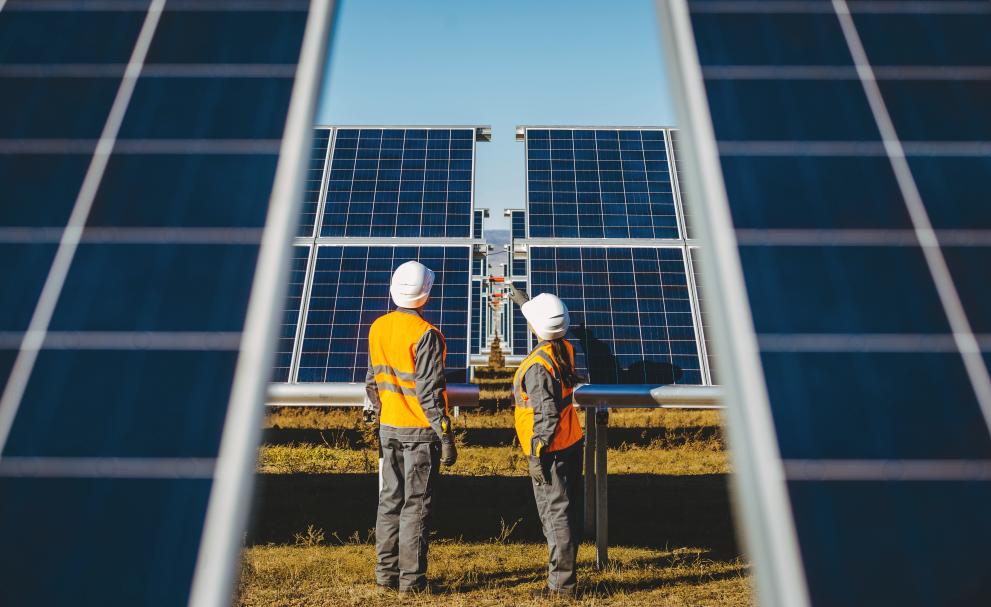
European development finance institutions are supporting sustainable agribusiness in Latin America through a €7.9 million financing package aimed at expanding circular dairy production and environmental innovation in Colombia.
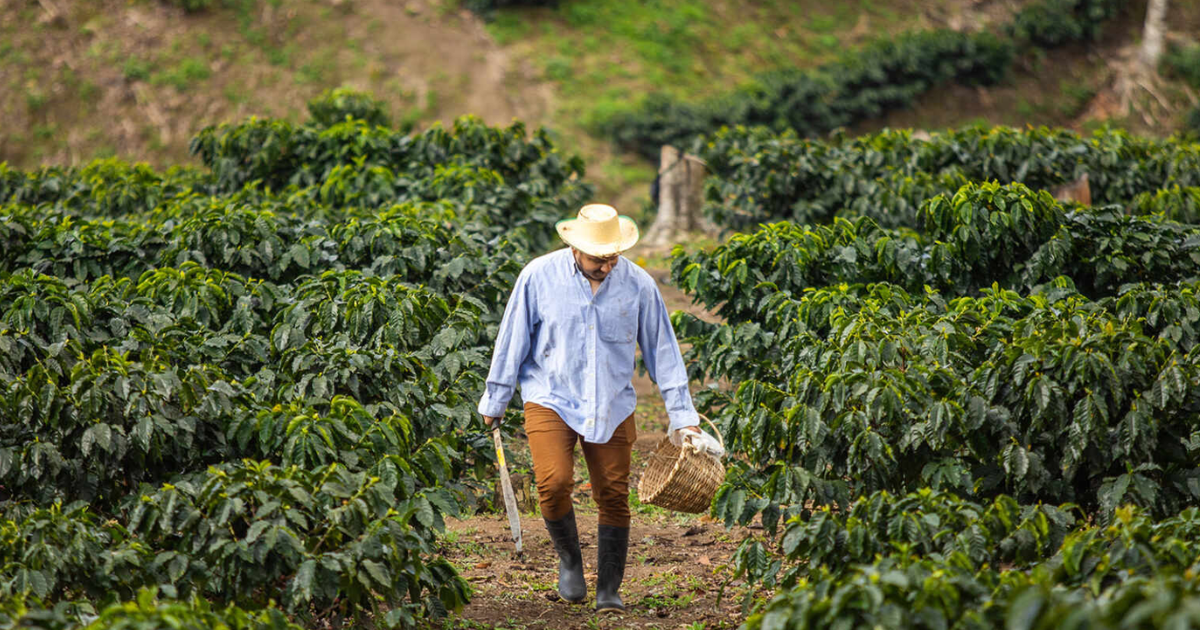
Farmers and cooperatives across Latin America are calling on the European Union to adopt a more tailored approach to sustainability regulations, arguing that current requirements risk creating barriers for small producers despite shared environmental objectives.

Rising jet fuel prices are significantly impacting the global aviation sector, with industry forecasts suggesting that a large portion of expected airline profits could be erased as carriers confront higher operating costs and growing geopolitical uncertainty.

While Nvidia continues to dominate headlines in the artificial intelligence sector, a growing group of European companies is delivering strong stock market performance as investors seek exposure to AI infrastructure, software, semiconductors and digital transformation.

Argentina is seeking to deepen economic relations with the United Kingdom through a potential trade agreement that would create a new framework for bilateral commerce and investment for the first time since the 1982 Falklands/Malvinas conflict.
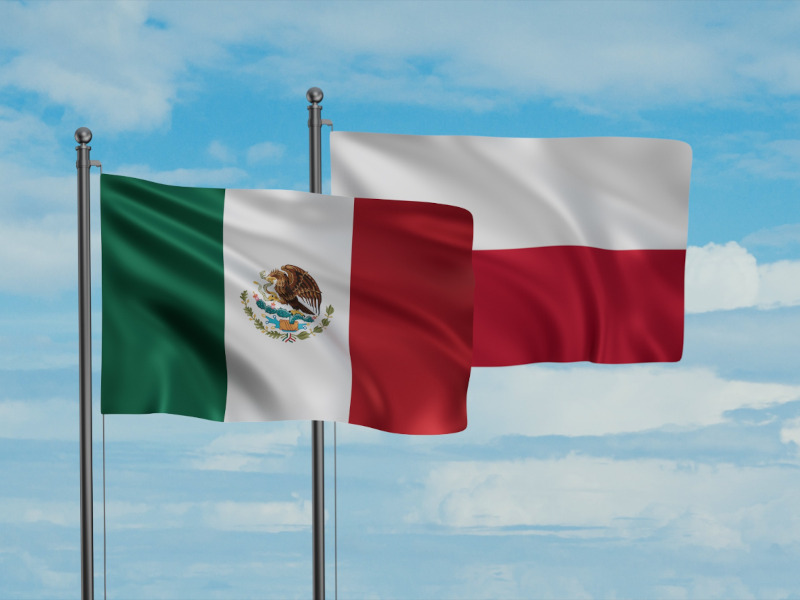
Mexico and Poland are exploring new opportunities to deepen economic cooperation, with both countries looking to increase bilateral trade, strengthen investment flows and expand collaboration across strategic industries.
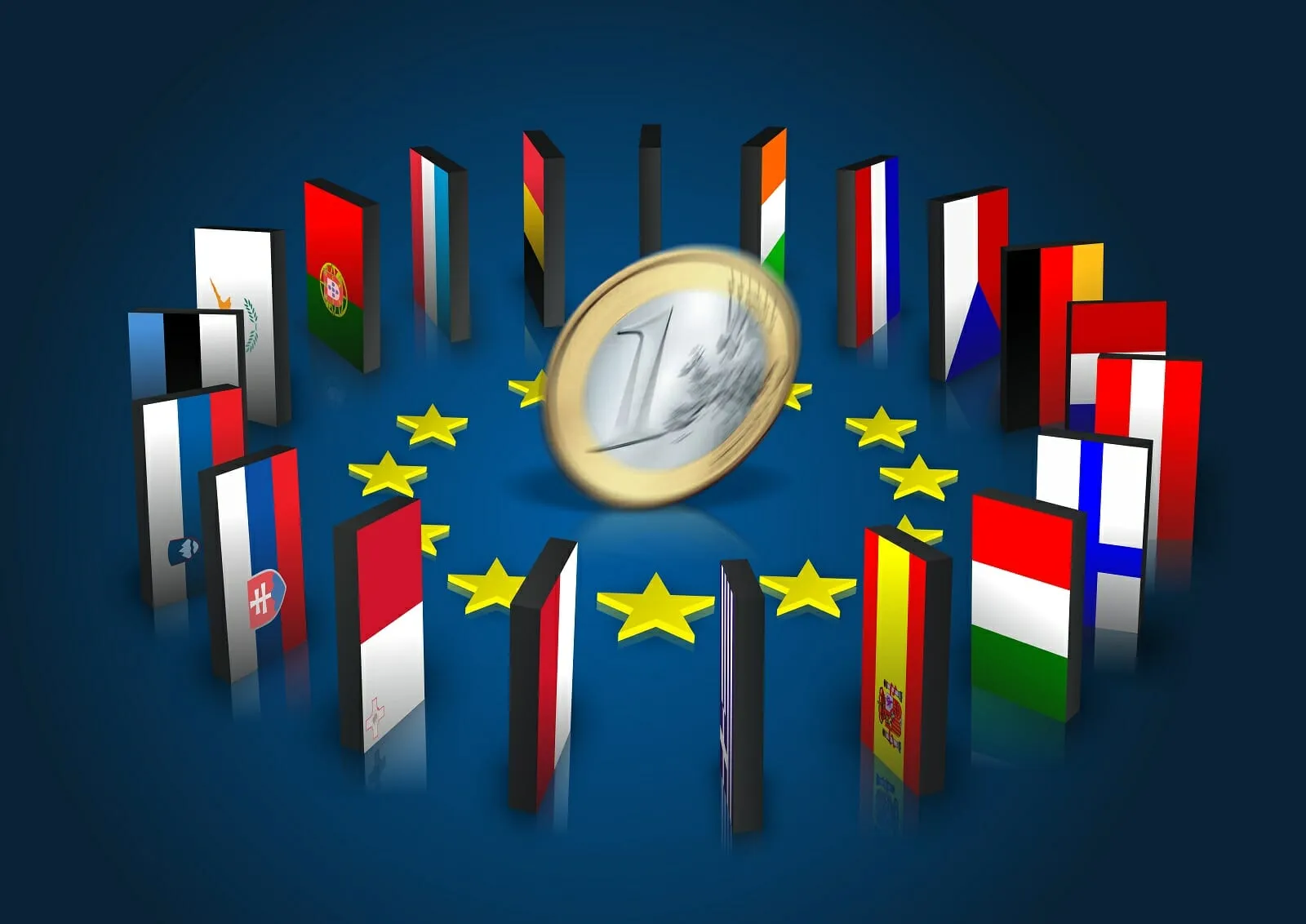
The eurozone economy recorded a 0.2% contraction in the first quarter of 2026, highlighting the challenges facing European policymakers as weak industrial activity, geopolitical uncertainty and slower investment weigh on growth.
Peru is seeking to attract greater European participation in infrastructure, energy, transportation and public-private partnership projects by presenting a portfolio of 92 investment opportunities valued at more than $34.7 billion.

Belgium’s Jan De Nul and Argentina’s Servimagnus have been recommended for the concession of the Paraná-Paraguay Waterway, one of South America’s most important trade corridors and a critical route for Mercosur exports.

The EU and Argentina reviewed a broad bilateral agenda in Buenos Aires, with focus on trade, investment, energy, mining, security cooperation, space collaboration and the implementation of the EU–Mercosur Agreement.
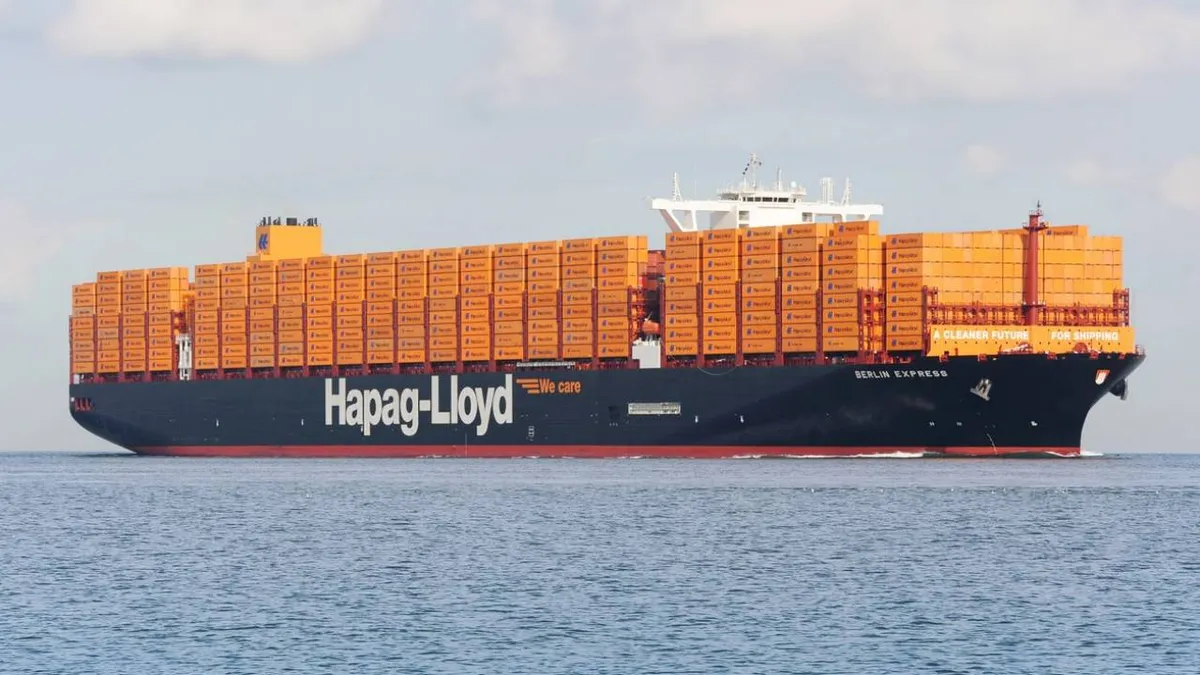
The German shipping group strengthens its presence in Latin America through a joint venture in Brazil that will develop a major container terminal designed to boost regional connectivity and support growing trade flows.
EU officials say Argentina is strategically positioned to attract long-term mining capital, with critical minerals, Global Gateway financing and geopolitical supply diversification driving European interest.

Bitcoin has suffered a sharp correction, falling more than 25% over the past month as long-term investors take profits, market sentiment weakens and traders reassess expectations for the cryptocurrency sector.
European countries are increasingly competing to attract foreign direct investment, with factors such as innovation, infrastructure, talent and regulatory stability becoming decisive in the race to secure international capital.

Brussels is accelerating efforts to strengthen Europe’s technological sovereignty through new investments, industrial policies and innovation initiatives aimed at reducing reliance on foreign technology providers in critical sectors.
Private banking experts are witnessing a significant shift in investment preferences among Latin American high-net-worth individuals, with Spain emerging as a preferred destination for wealth management, residency and international diversification.
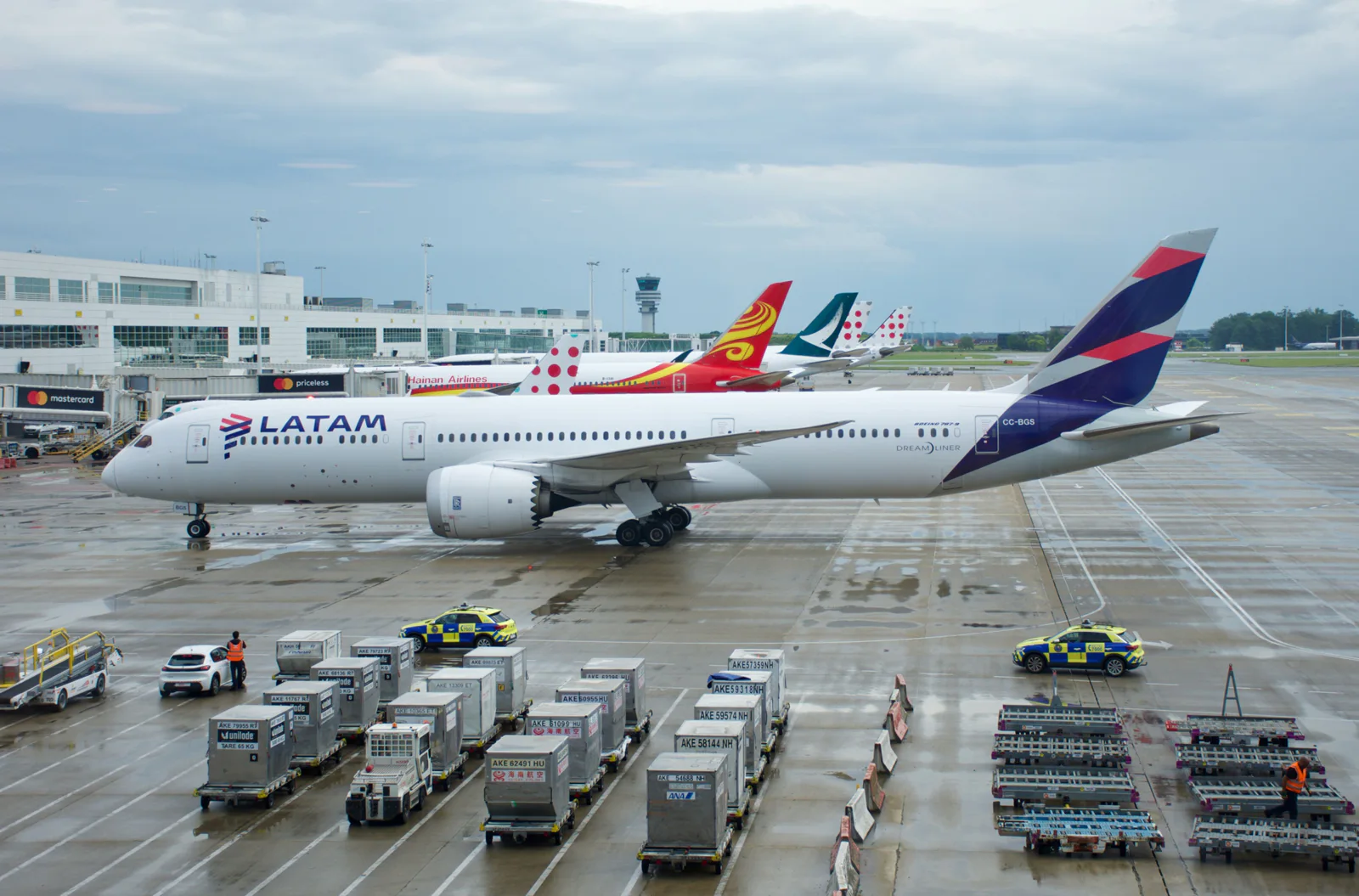
A new direct air connection between Latin America and Belgium marks a significant milestone for tourism, business travel and economic ties, strengthening connectivity between the two regions after a quarter-century absence.
Consumer prices across the eurozone climbed to their highest level since 2023, complicating the European Central Bank’s monetary policy outlook and prompting investors to reassess expectations for future interest rate decisions.

International Partnership Aims to Accelerate Maritime Decarbonization and Sustainable Trade Routes

Region Gains Strategic Importance as Global Powers Reassess Trade, Energy and Supply Chains.
The merged company will support Europe’s shift toward mandatory digital invoicing and e-reporting

Choose France Summit Highlights Growing Investor Confidence in Europe’s Second-Largest Economy

From Atlantic Launch Sites to Satellite Technology, Portugal Expands Its Role in the Global Space Industry

Panathēnea 2026 Highlights the Need for More Scaleups, Investment and Technological Leadership
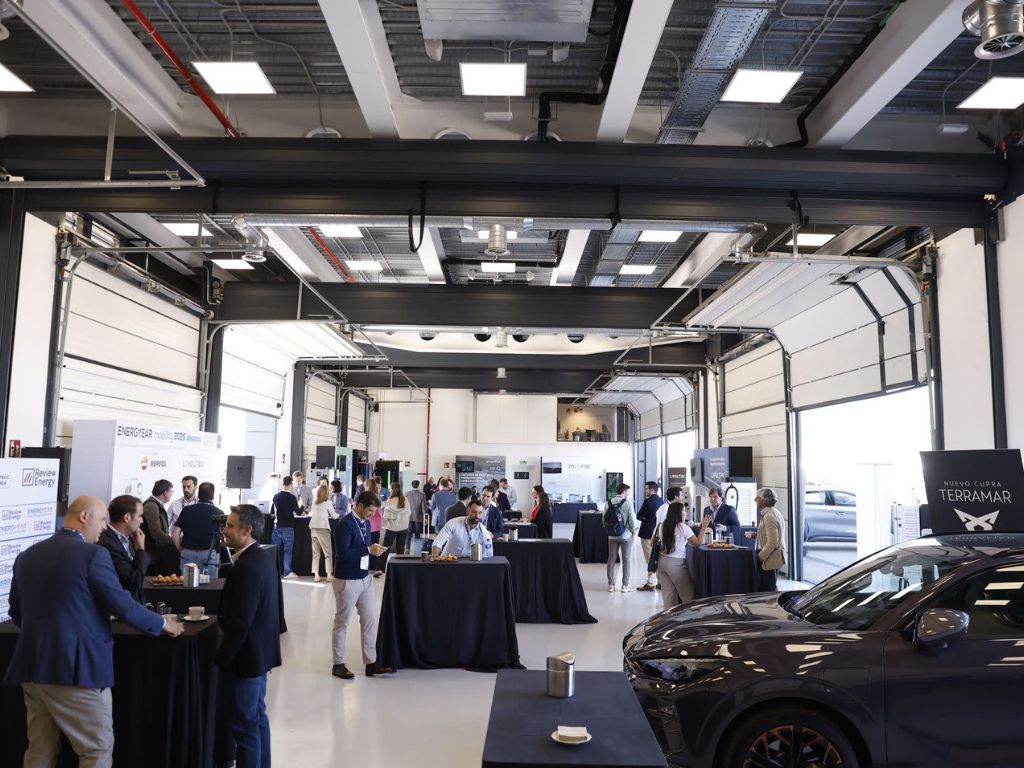
Industry Leaders Gather to Discuss Regulation, Infrastructure and the Future of Sustainable Transport
EU Investors and Businesses Strengthen Ties as Trade and Investment Opportunities Grow
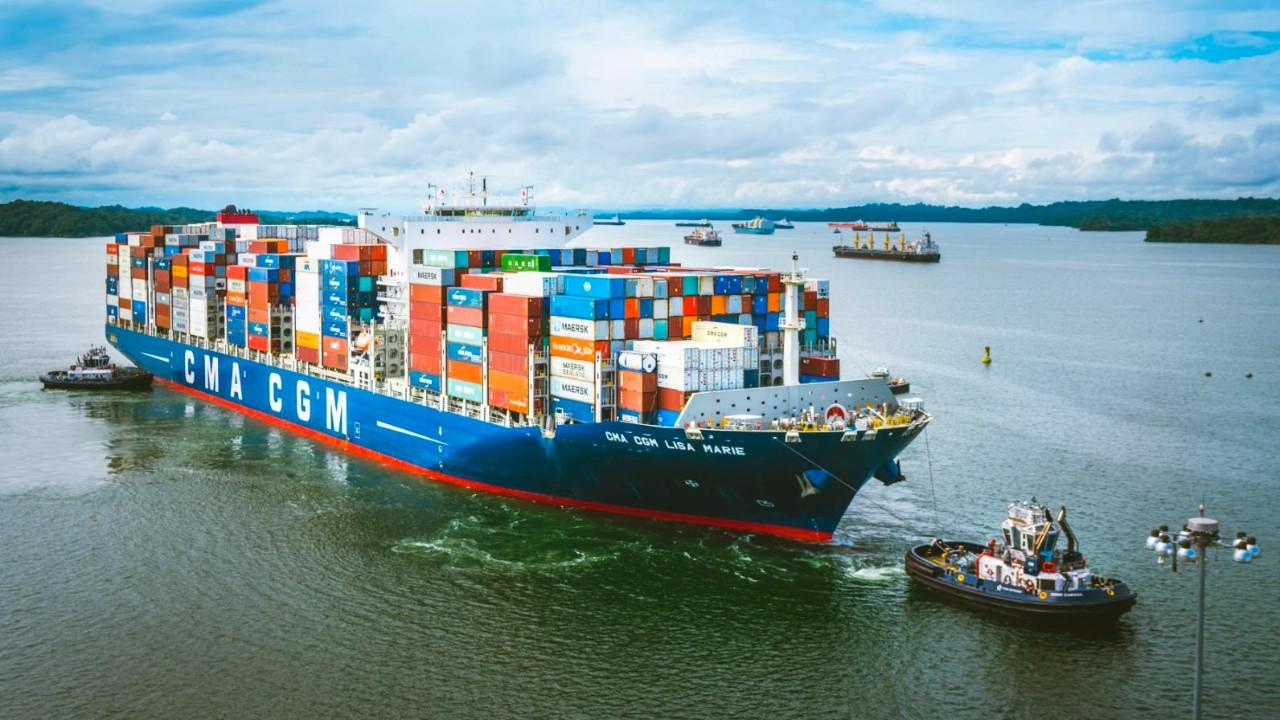
French Shipping Giant Strengthens Position in South America’s Fast-Growing Logistics Market.

European equity markets posted broad weekly gains as investors welcomed improving corporate outlooks, resilient economic data and renewed confidence in risk assets despite ongoing geopolitical and inflation concerns.
Infrastructure Giant Looks to Expand Project Pipeline in Energy, Transport and Water Sectors

London Supply Highlights Growth Opportunities in Latin America’s Travel Retail Industry

The European Commission’s tool tracks startup and scaleup performance across Europe, highlighting how innovation, capital access and high-growth companies are becoming central to competitiveness.

Climate and ESG Investors Pressure Europe to Preserve Arctic Fossil Fuel Moratorium

Europe’s Aerospace Sector Evaluates Impact of Possible SpaceX Public Offering

The event will gather business angels, venture capital funds, founders and policymakers in Lithuania on June 1–2, with a programme focused on defence, deeptech, cleantech, biotech and Europe’s strategic resilience.

Foreign Investment in Portugal Accelerates as Real Estate, Technology and Renewable Energy Drive Growth

The fintech company is accelerating growth in international payment solutions as demand rises for faster and more integrated financial services connecting Europe and Latin America.

The Mexican industrial hub continues attracting European investment as companies seek strategic manufacturing and nearshoring opportunities in North America.

The European Investment Bank is preparing more than €3 billion in operations to support Mexico’s energy transition, private investment and deeper EU–Mexico economic integration.
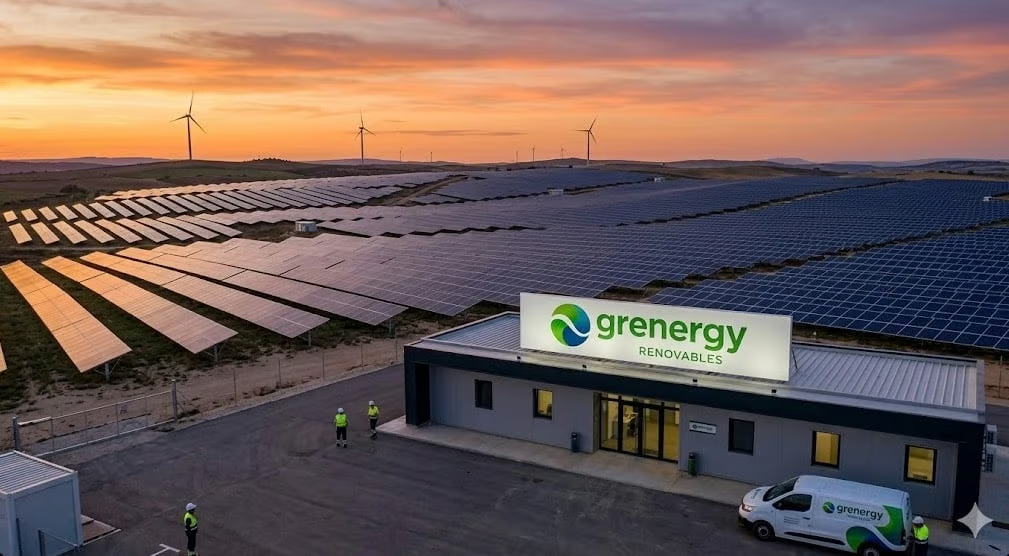
The Spanish renewable energy company is accelerating its international growth strategy with increased investment focused on solar energy, battery storage and large-scale infrastructure projects.
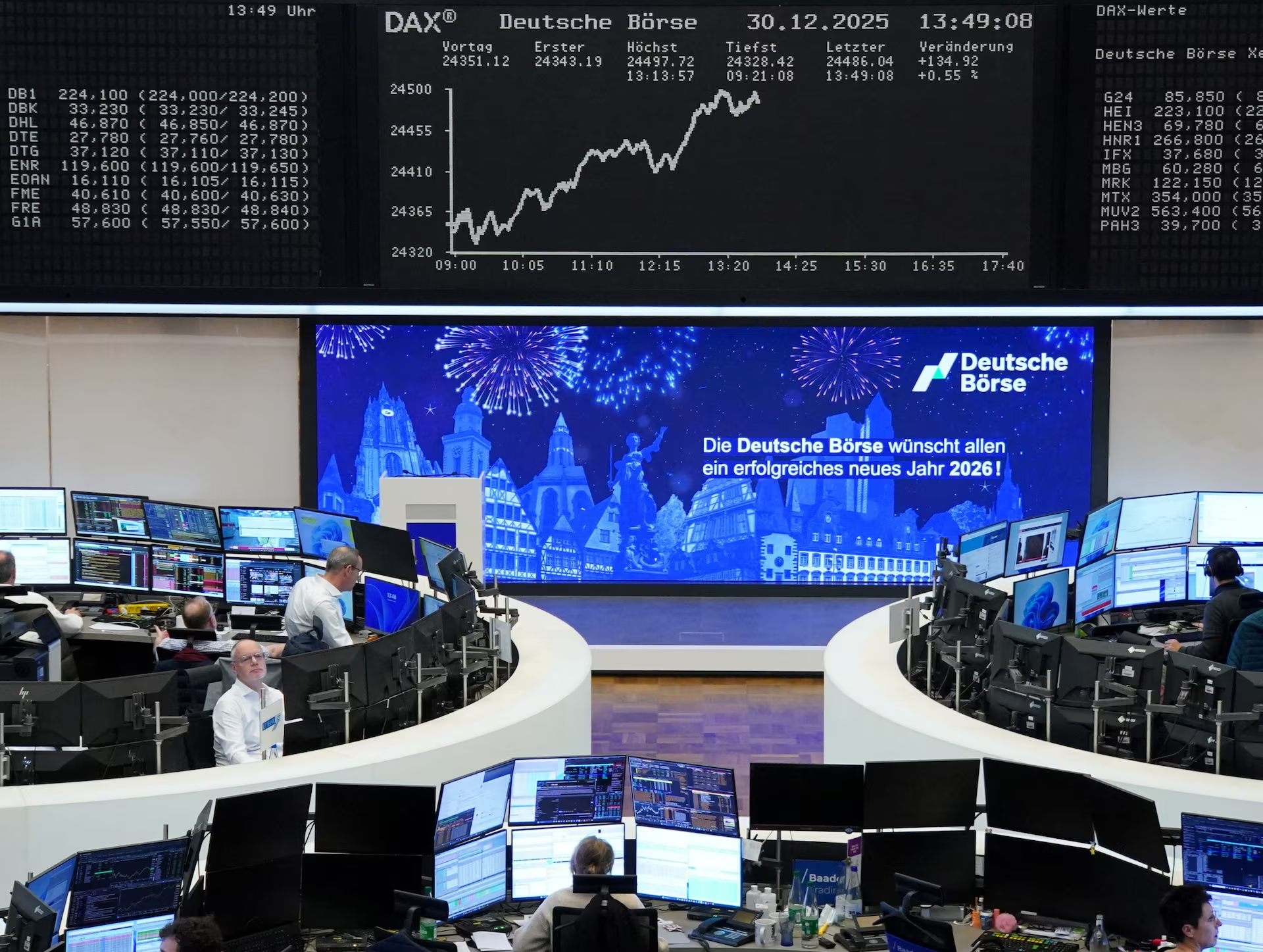
Investor interest is returning to selected European equities as companies with strong insider ownership show growth potential across fitness, consulting and digital banking.

Europe’s largest gas supplier is reinforcing offshore production as energy security returns to the center of the continent’s economic and industrial strategy.

The project positions Brazil at the center of Latin America’s emerging sustainable aviation fuel industry as global demand for cleaner aviation accelerates.
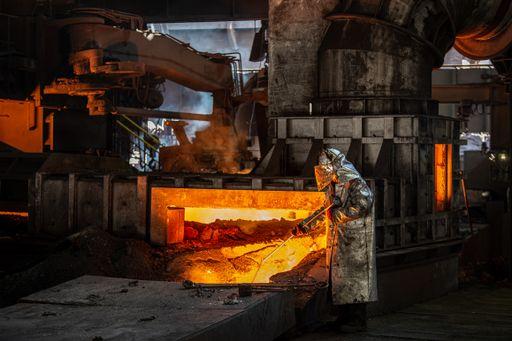
Steel producers across Latin America are increasingly adopting environmental certifications and sustainability standards as global markets demand lower-carbon industrial supply chains.
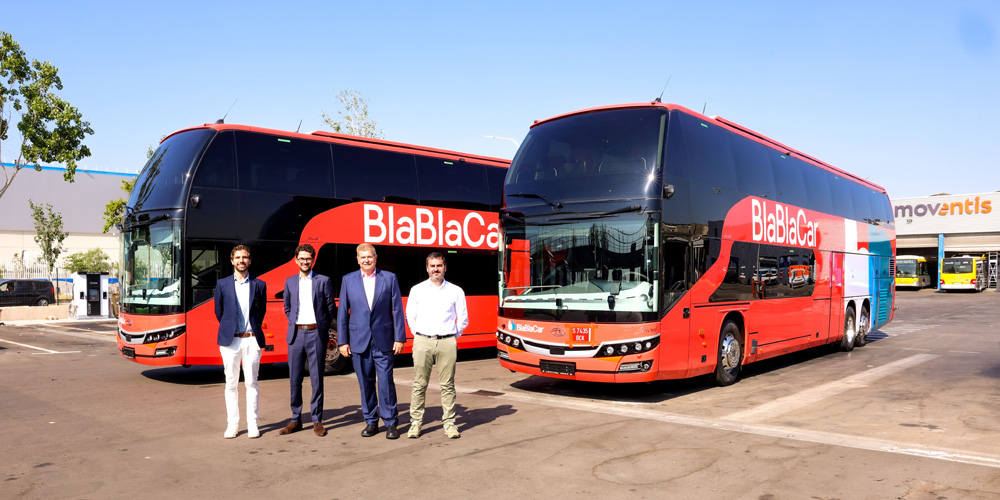
The French mobility platform continues accelerating international growth as shared transportation gains relevance across Europe and Latin America.
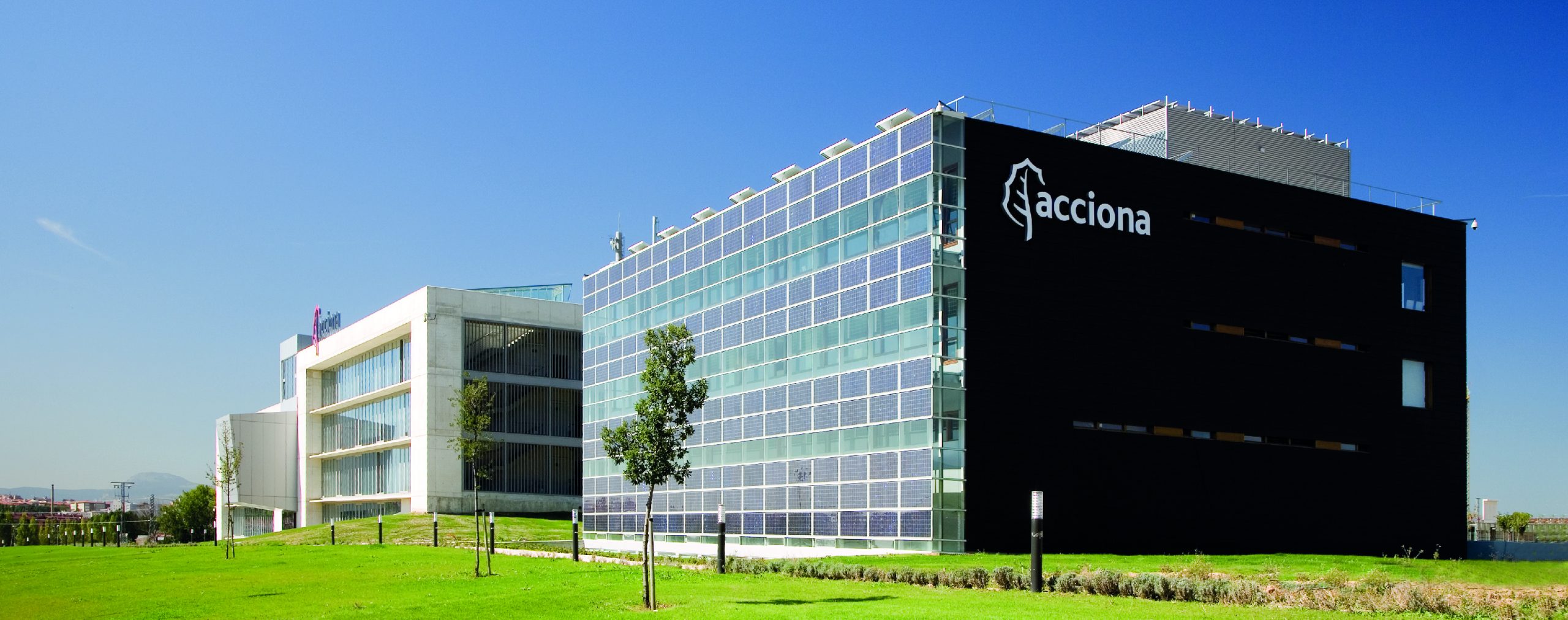
The Spanish infrastructure and renewable energy group strengthens its presence in Latin America with a major sanitation contract aimed at expanding water and wastewater services in Brazil.
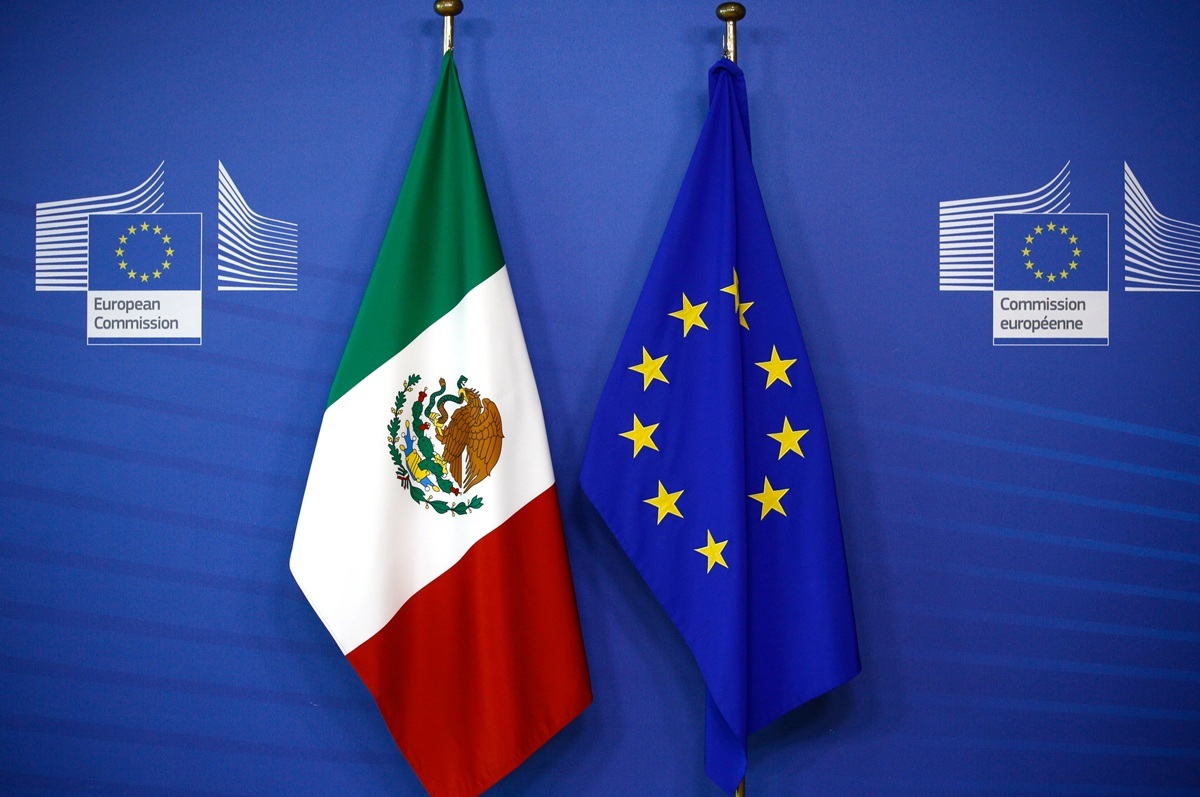
The updated agreement strengthens economic ties between Europe and Mexico as both sides seek greater trade diversification and long-term strategic cooperation.
Rising energy costs linked to the Iran conflict are expected to keep inflation elevated and slow economic growth across Europe through at least 2027.

Analysts see consolidation, pricing power and stronger profitability reshaping Europe’s aviation sector as weaker carriers struggle to compete.
Argentina’s egg industry is experiencing historic export growth as rising European demand creates new opportunities for the country’s agribusiness sector.

Mergers and acquisitions across Latin America are accelerating in 2026, signaling renewed investor confidence in the region amid improving economic conditions and rising strategic interest from international companies.

Madrid is set to become the first city in the European Union to introduce robotaxi services backed by major mobility platforms, marking a new phase in autonomous urban transportation.
The German chemical distribution group is deepening its collaboration with Dutch specialty chemicals company Nouryon in Brazil as demand grows across industrial and manufacturing sectors in Latin America.

The French HR and payroll consulting group continues its international expansion strategy with a new acquisition aimed at strengthening operations across Latin America.
Guatemala is seeking to strengthen its role as a commercial and geopolitical bridge between Europe and Latin America amid shifting global supply chains and growing European interest in the region.

The Belgian infrastructure giant is positioned as the strongest candidate in the bidding process for one of South America’s most strategic logistics corridors.
The updated agreement introduces a new mechanism for investor–state disputes, reinforcing trade, investment and regulatory cooperation between Europe and Mexico.

The bank’s latest Europe earnings monitor points to stronger momentum across semiconductors, banks, insurers, industrials and telecom infrastructure.

Two Belgian infrastructure giants are competing for one of South America’s most important logistics contracts as Argentina prepares a new chapter for the Paraná-Paraguay waterway.

The French automaker is developing the Renault Niagara pickup specifically for Latin America, highlighting the region’s growing strategic importance for global automotive expansion and emerging-market vehicle design.
The Spanish banking group is strengthening support for companies looking to expand into Brazil, Argentina, Paraguay and Uruguay as Europe–South America trade ties gain momentum.
Mexico is deepening its commercial relationship with the European Union as companies and policymakers seek alternatives to potential tariff risks linked to future U.S. trade policy shifts.

The German reinsurance group is merging regional operations across emerging markets as the insurance industry adapts to rising global risks, climate pressures and international growth opportunities.
Paraguay is intensifying efforts to secure fuel logistics and energy supply as the Paraná-Paraguay waterway becomes increasingly critical for regional trade, exports and infrastructure development.

The Spanish airline is expanding its role in transatlantic aviation as demand for travel, tourism and business links between Europe and Latin America continues to grow.

Italian institutions invited Paraguayan business leaders to Genoa for a country presentation event aimed at strengthening trade, investment and economic cooperation between Europe and South America.

The accounting and consulting firm continues its international growth strategy by opening a new office in the Netherlands, strengthening its footprint across Europe’s financial and business markets.
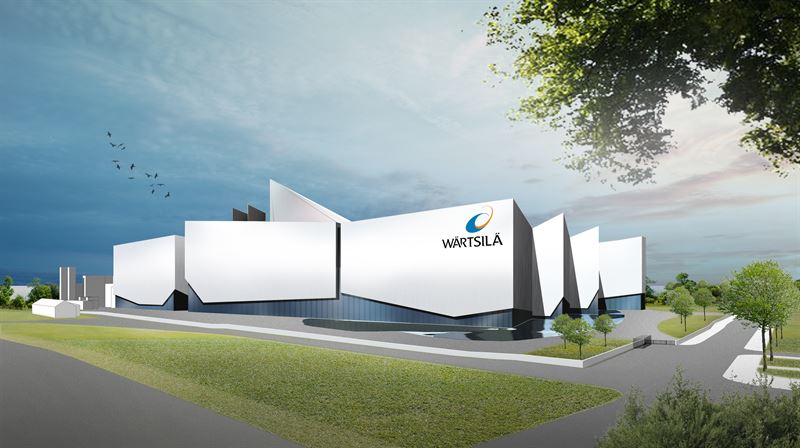
The technology group is seeking new opportunities in Latin America’s thermal energy sector as countries across the region prioritize grid stability, energy security and flexible power generation.

The B2B event in Militello in Val di Catania connects Sicilian wine, olive oil and premium food producers with international buyers from around the world, including Argentina and Latin America.
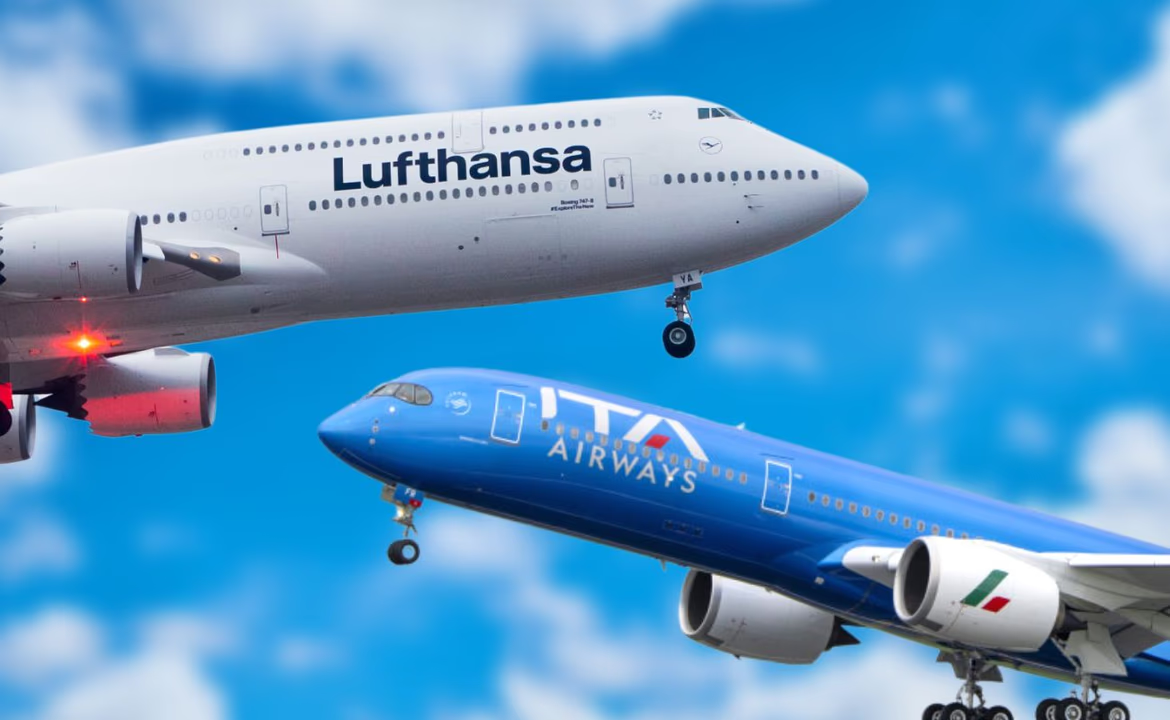
The Italian airline is entering a new stage within Lufthansa Group, strengthening Europe’s aviation consolidation strategy and reinforcing connectivity between Europe and Latin America.

Madrid reinforces its commitment to deepening relations with the Dominican Republic, underscoring investment, trade and cooperation as key pillars in Spain’s engagement with Latin America and the Caribbean.

Producers are calling for stronger investment and export support to expand whiskey sales across Latin America, where premium spirits consumption continues to rise.

Fenin is promoting a cross-regional healthcare technology alliance designed to strengthen innovation, medical infrastructure and business cooperation between Europe and Latin America.

The Spanish telecom giant posted a net loss in the first quarter as it advances its strategy to reduce exposure in Latin America and focus on core markets in Europe and Brazil.

The beverage giant is expanding its portfolio in Argentina through the arrival of Spain’s Estrella Galicia, signaling a stronger push into the premium beer segment and changing consumption trends in Latin America.
The company is building a construction operating system powered by AI and automation, targeting one of the world’s largest and least digitized industries.
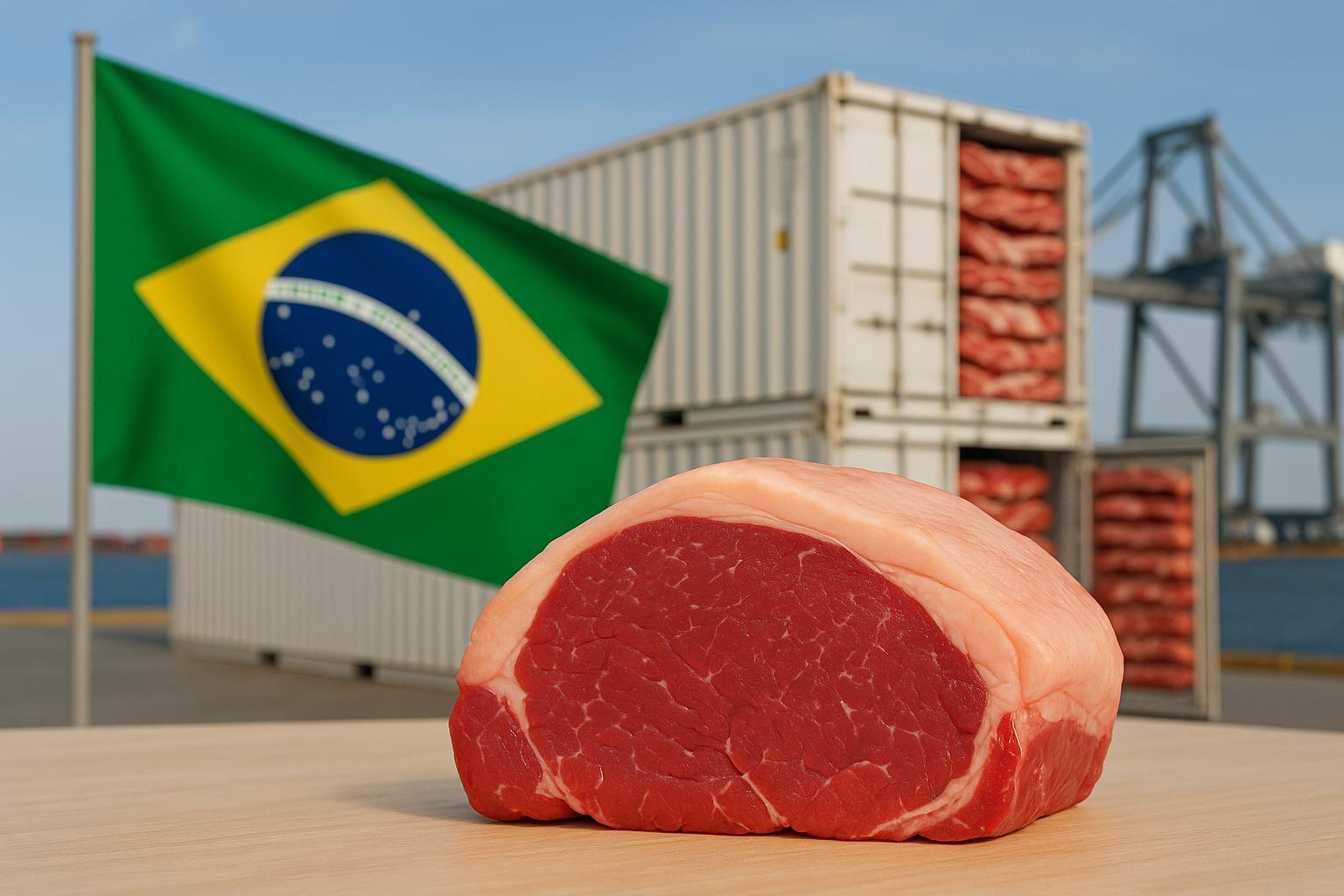
The European Parliament backed a ban on Brazilian meat imports over food safety concerns, adding new tension to EU–Mercosur trade relations just days after the agreement entered provisional application.

The Spanish clean energy company strengthens its Latin American expansion with new non-recourse financing for Monte Águila, reinforcing Chile’s role as a strategic hub for solar power and battery storage.

A new agreement with the Portuguese-Brazilian Chamber of Commerce aims to connect Latin America, Europe and MENA through investment, innovation and cross-border business expansion.

The Paris-based skincare company is preparing to enter Brazil and the United States from 2027, reinforcing Latin America’s role in the global beauty and dermocosmetics market.
The IPO marks a new stage for the Spanish industrial and energy engineering company as infrastructure, energy transition and international expansion continue to attract investor interest.
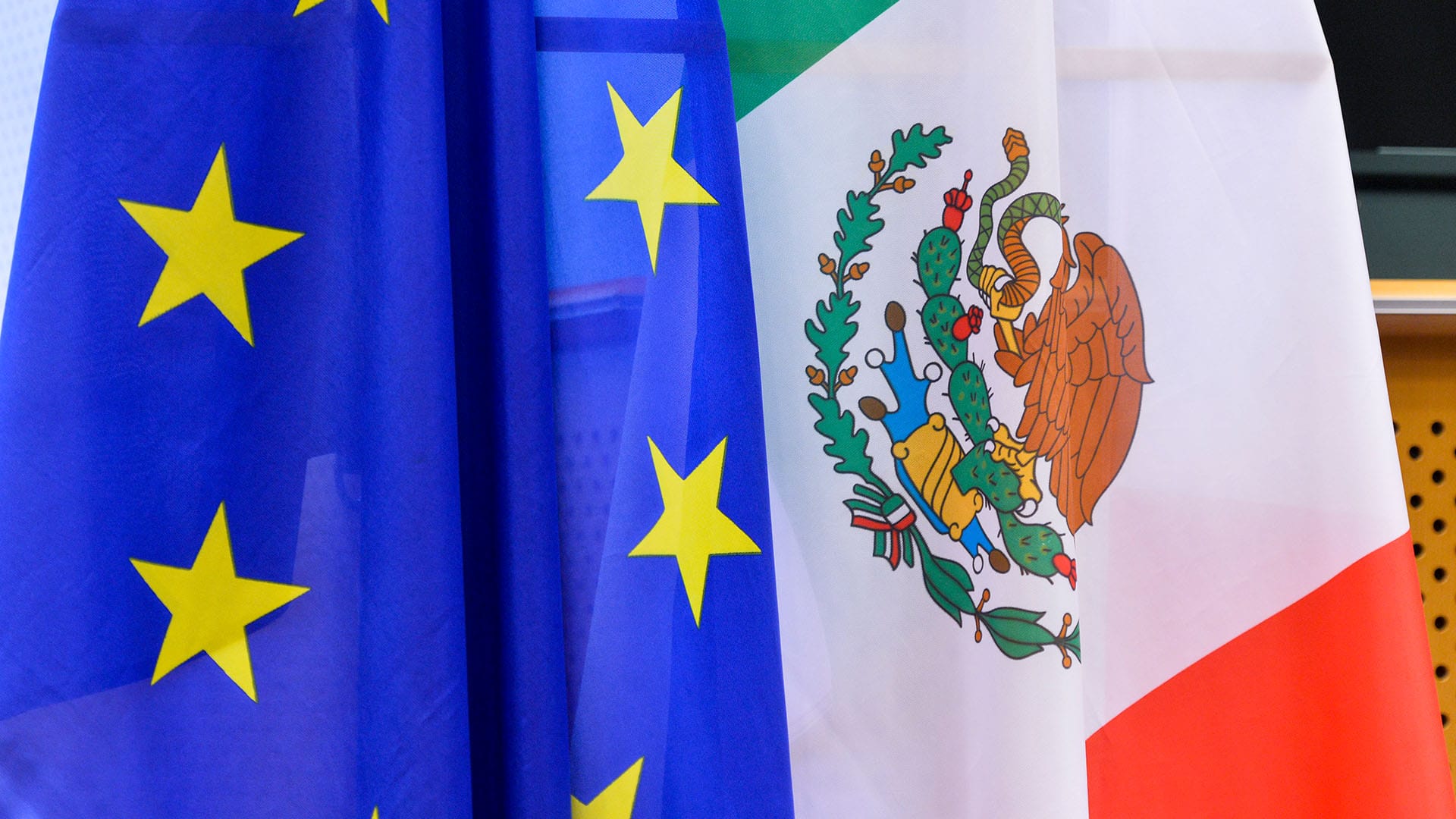
The 27 EU member states approved the signing of the modernized EU–Mexico Global Agreement, opening the way for deeper trade, investment and strategic cooperation.

The Ecuadorian pharmaceutical company is consolidating its corporate identity across international markets as part of a broader strategy focused on regional integration, innovation and global positioning.
The Swiss commodities group is accelerating its strategy in Argentina’s copper sector as global demand for critical minerals continues to rise alongside the energy transition.

Christine Lagarde warned that euro stablecoins could weaken monetary policy and financial stability, arguing that Europe should build its own digital financial infrastructure instead of following the US model.
The deal strengthens the growing agribusiness connection between Spain and Argentina, as European food groups seek strategic positioning in Latin America’s protein sector.

The Spanish footwear company is strengthening its international strategy with a focus on Italy, Mexico and Latin America, aiming to reach €90 million in GMV by 2027.
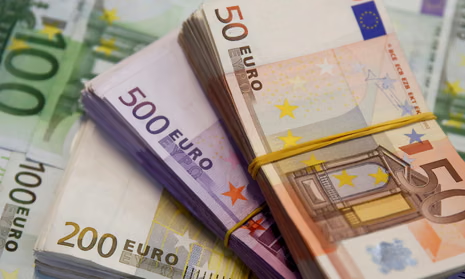
High-net-worth individuals across Latin America are increasingly relocating assets outside the region, reshaping global private banking, investment flows and wealth management strategies.

The Italian industrial group presented advanced technologies for alcohol-free wine production in Mendoza, highlighting the transformation of the global wine industry and the growing low-alcohol beverage market.

Industry leaders are positioning tourism as a strategic economic bridge between Spain and Latin America, focusing on investment, sustainability and long-term business opportunities across the sector.
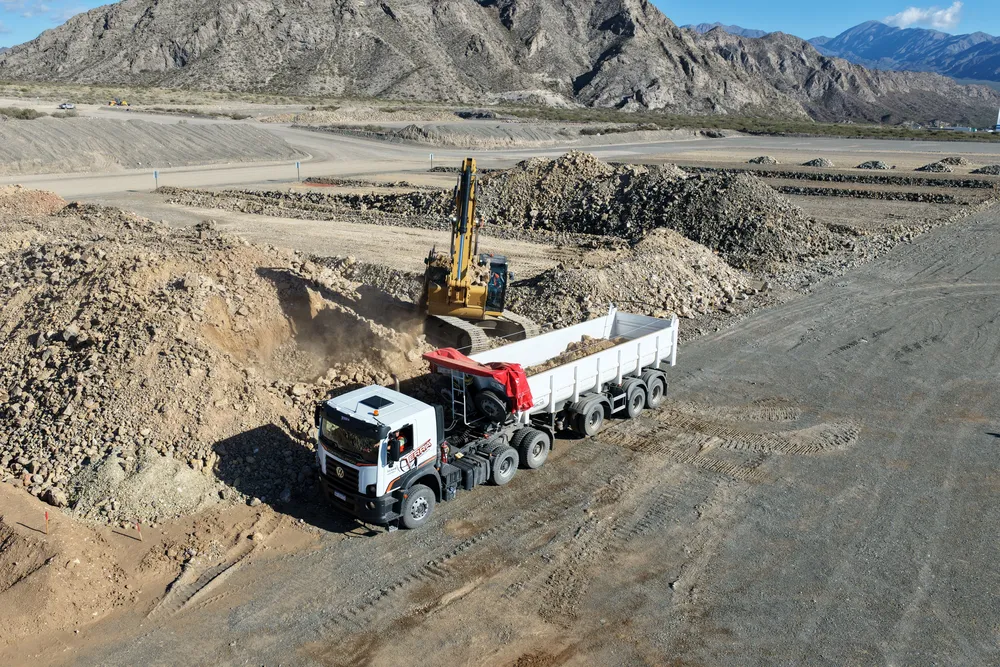
The planned reopening of the Casposo mine reinforces San Juan’s growing role in Argentina’s mining expansion, as global demand for gold, silver and critical minerals continues to rise.

The lifestyle and beauty brand celebrates its 10th anniversary with a strategic move into Spain, using Madrid as its entry point into the European market.

The Madrid Chamber of Commerce is accompanying seven companies to Mexico, reinforcing the country’s role as a strategic market for Spanish firms seeking growth in Latin America.

Latin Americans abroad sent around €148 billion home in 2025, while digital platforms are reshaping a market long dominated by legacy money transfer companies.
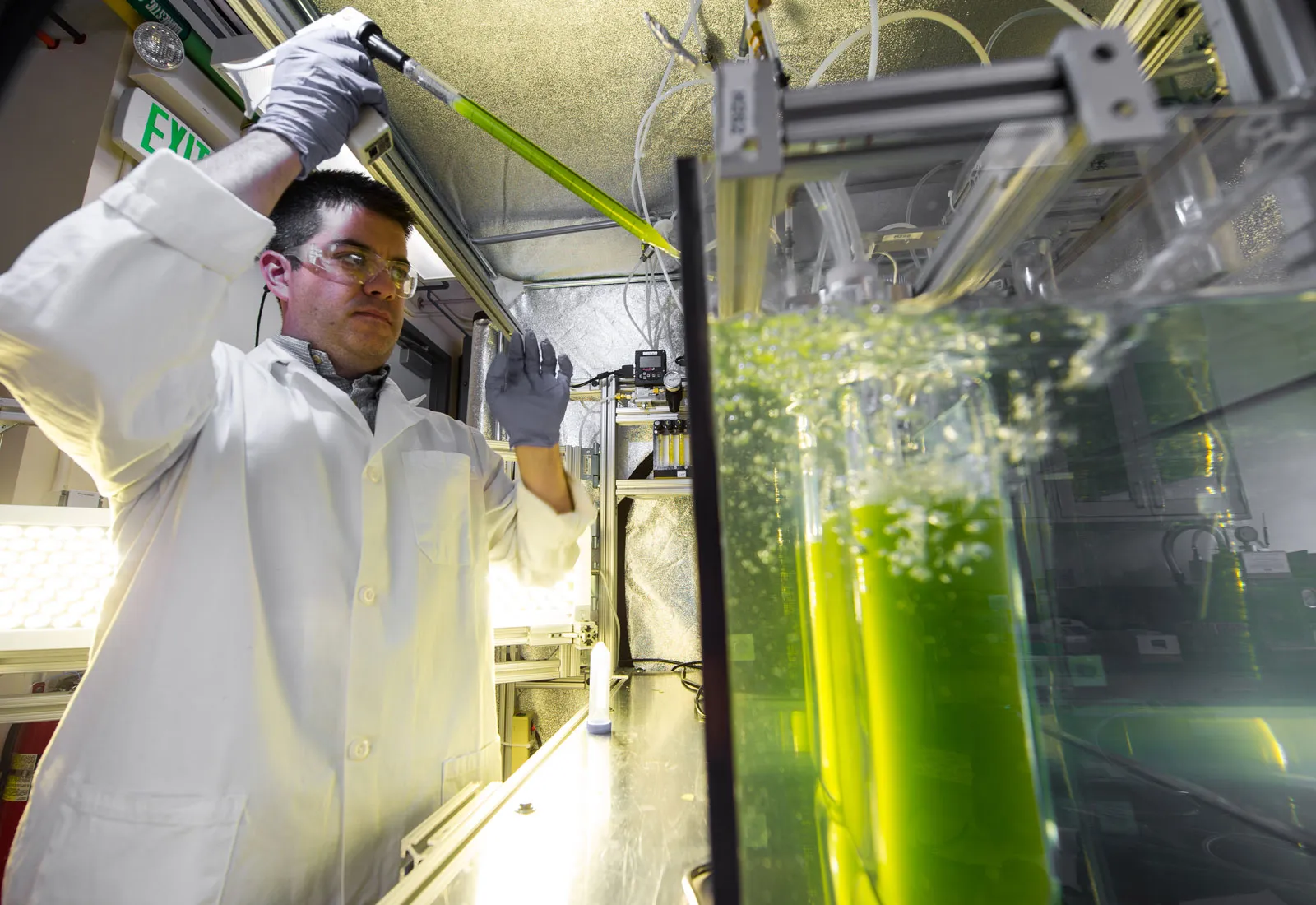
Rome and Brasília are strengthening cooperation in biofuels, positioning the partnership as a strategic bridge between Europe’s decarbonization goals and Brazil’s leadership in renewable energy production.

The acquisition of CK Hutchison’s 49% stake gives Vodafone full ownership of the UK’s largest mobile operator, reinforcing consolidation across Europe’s telecom sector and accelerating its 5G strategy.
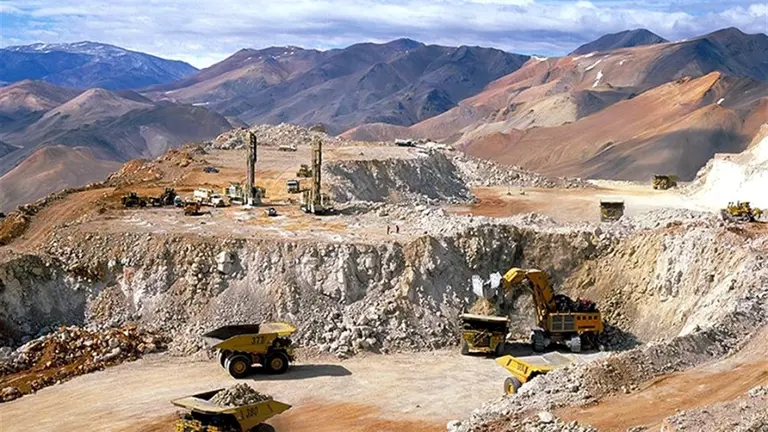
The country’s mining sector is gaining momentum, driven by lithium, copper and gold, positioning Argentina as a key supplier in the global energy transition.

In a tougher investment climate, raising capital depends less on big ideas and more on real traction, clear business models, and scalable growth.

The European fintech company strengthens its presence in Latin America through a long-term agreement aimed at scaling payment processing capabilities across the region.

Argentina’s yerba mate industry is expanding in Spain through retail partnerships, quality certifications and new product formats, turning a cultural habit into a growing Europe–Latin America consumer business.

The investment highlights Latin America’s growing role as a strategic hub for European manufacturing, as companies scale production, modernize facilities and strengthen supply chains.

The European eyewear brand is accelerating its growth strategy in Latin America, targeting Peru as a key market amid rising demand for optical retail and consumer goods.

The entry into force of the EU–Mercosur agreement is expected to benefit key Spanish companies with strong exposure to Latin America, while reshaping investment strategies across sectors.

The Peruvian fintech platform is scaling its international reach, enabling money transfers to new destinations and strengthening digital payment corridors between Latin America and Europe.

A new memorandum between Banco Português de Fomento and Argentina’s Federal Investment Council strengthens Portugal’s role as a bridge between Europe and South America as the EU–Mercosur agreement gains momentum.
A new round of US tariffs targeting European automobiles threatens to intensify trade frictions, with potential ripple effects across global supply chains and the EU’s industrial strategy.
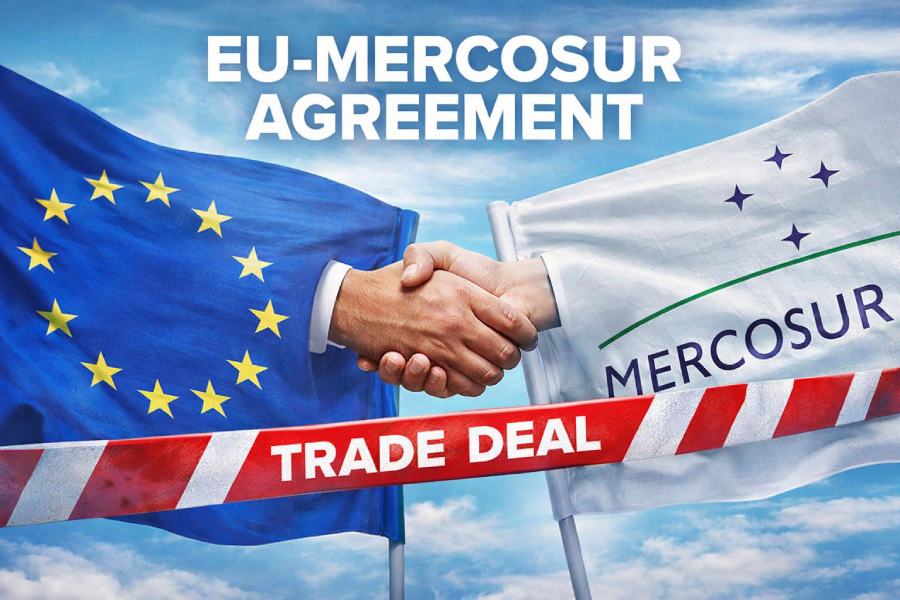
The provisional application of the EU–Mercosur agreement opens a market of more than 700 million people, cutting tariffs and reshaping trade between Europe and South America amid global fragmentation.

The Spanish UAV company plans to raise capital and open a production facility in Chile by late 2027, positioning the country as a regional hub for advanced drone manufacturing, defense, security and disaster response.

The European Union will begin applying the Mercosur trade agreement provisionally from May 1, aiming to support exporters, diversify supply chains and strengthen ties with South America amid rising US trade pressure.
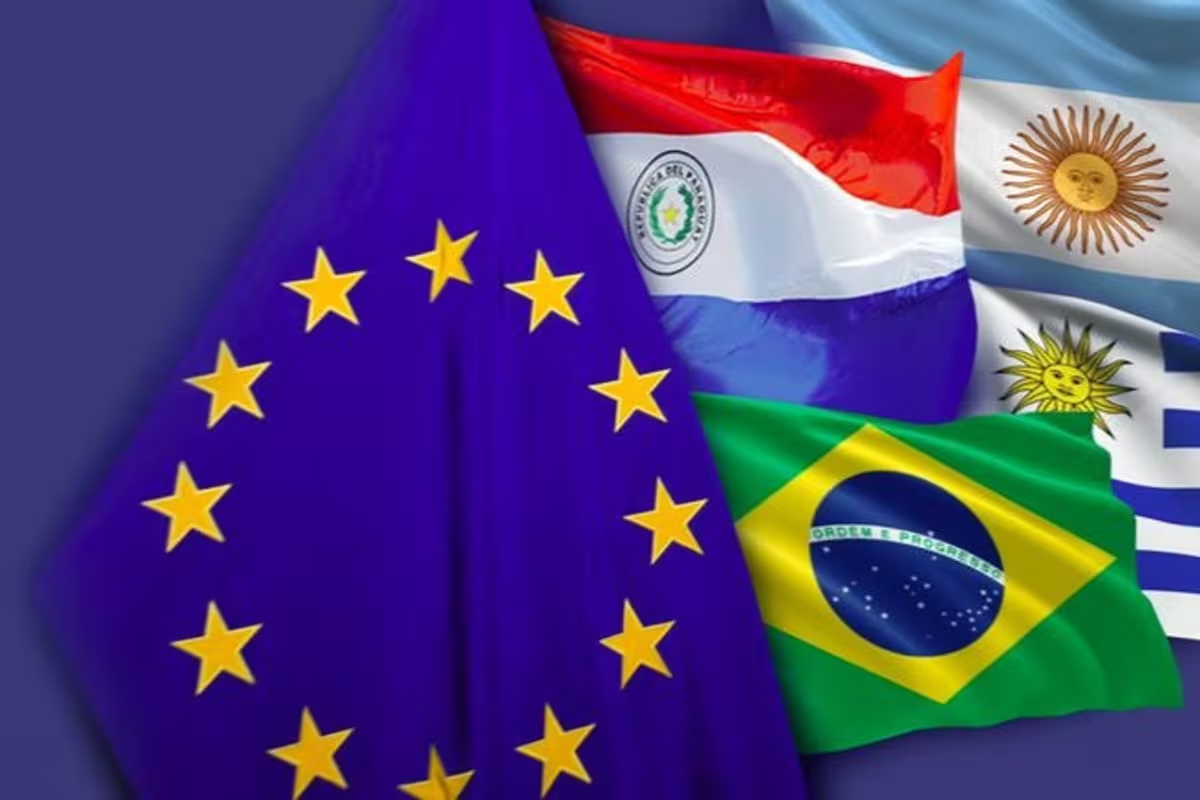
The European Union and Mercosur have started provisional application of their long-awaited trade agreement, creating one of the world’s largest commercial areas and reshaping business ties between Europe and South America.

Rome is strengthening its economic presence in Latin America, positioning itself to benefit from growing trade flows and the potential implementation of the EU–Mercosur agreement.
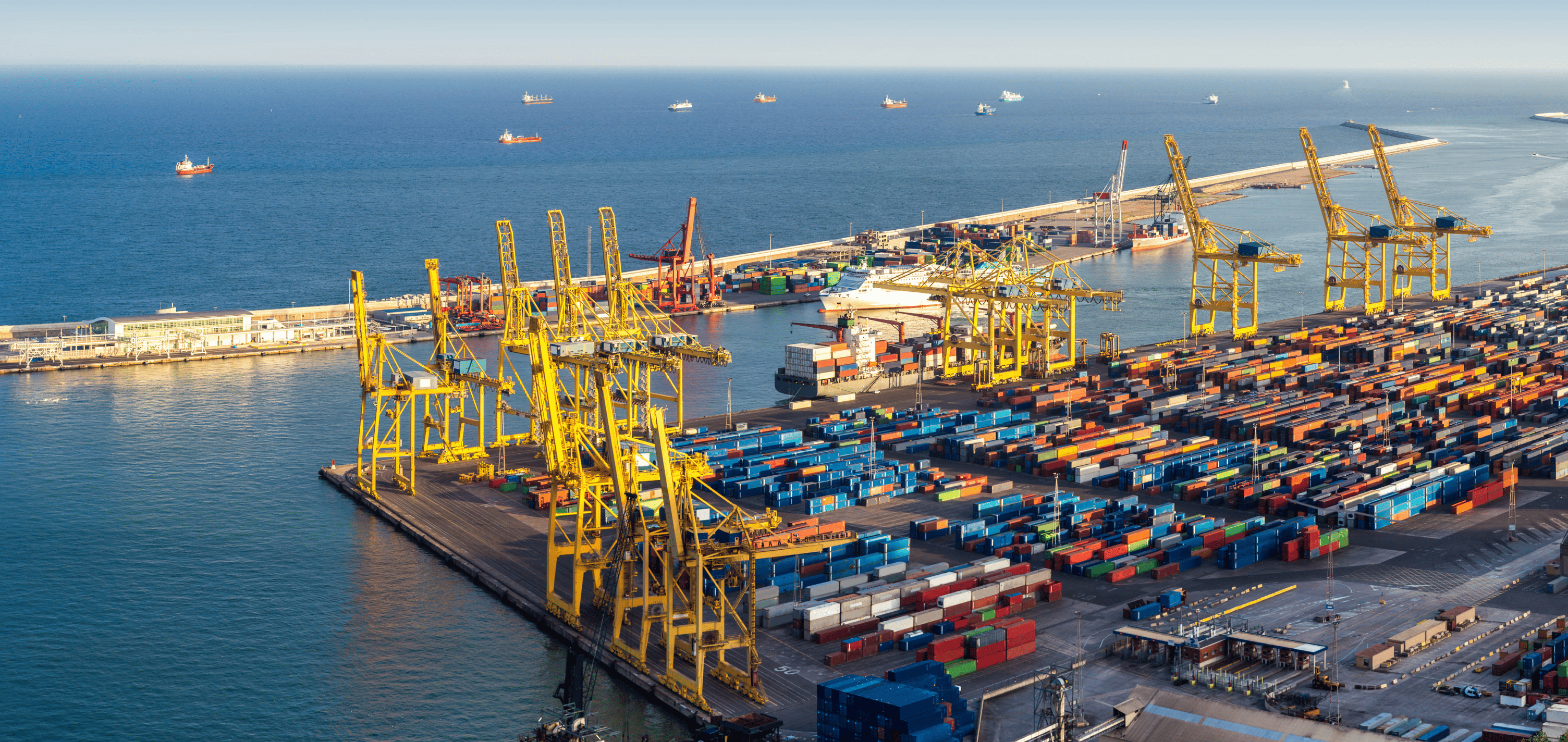
Spain’s logistics sector is increasingly relying on Latin American workers as demographic pressure, e-commerce growth and labor shortages reshape hiring strategies across transport and warehouse operations.

The workforce solutions company is entering the European market through its Iberian platform, targeting labor shortages and growing demand for cross-border recruitment.

The long-negotiated trade agreement between the European Union and Mercosur is emerging as a key geopolitical and economic tool as global trade becomes more fragmented.
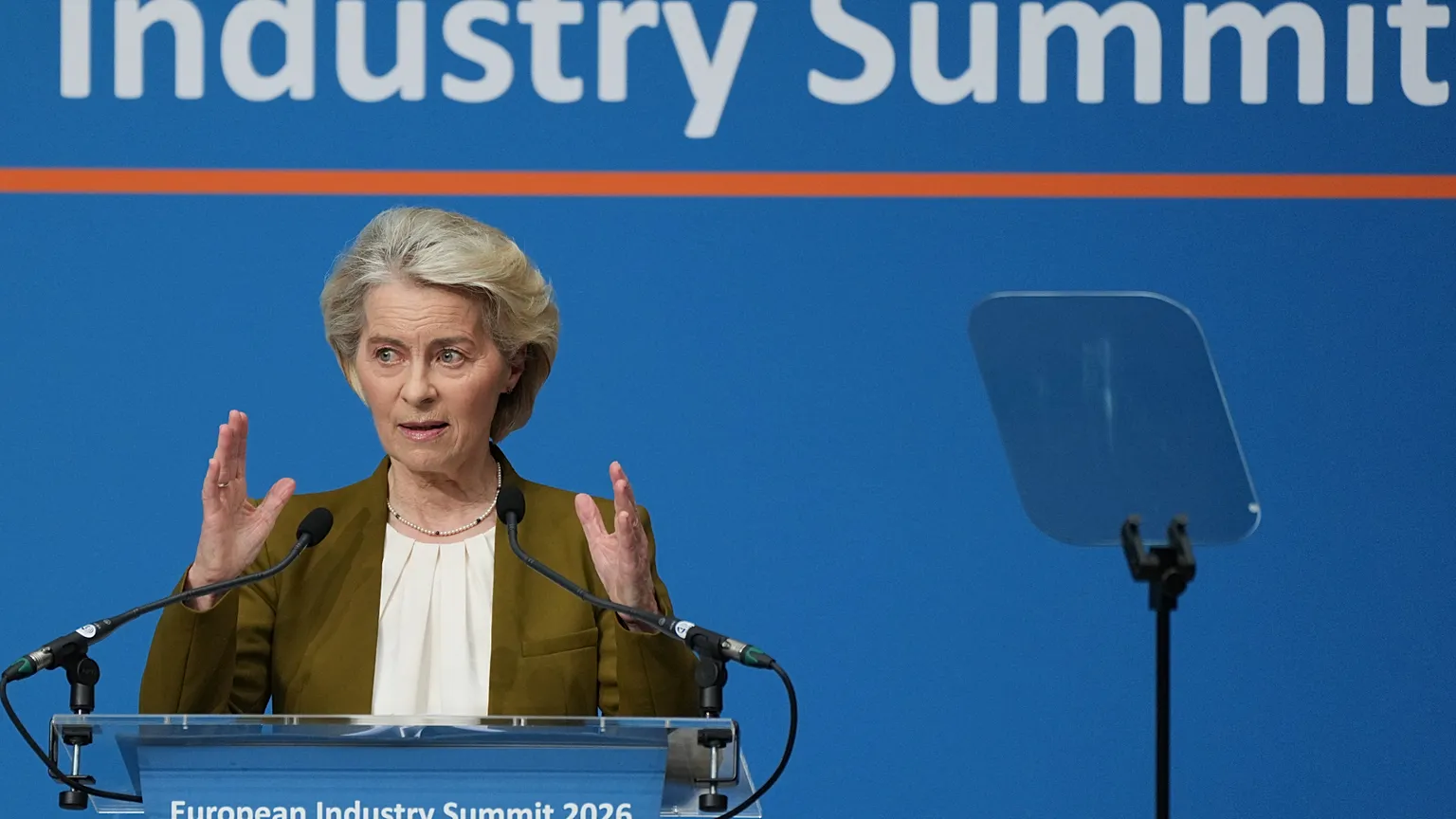
The European Commission president is placing competitiveness, energy security and regulatory simplification at the center of the EU agenda, with trade agreements such as Mercosur and Mexico framed as tools to reduce external dependencies.
Regional leaders are calling for deeper engagement with the European Union as Latin America looks to balance global power dynamics and expand strategic partnerships.

The legal finance platform secures fresh capital to scale litigation funding in Latin America and expand into Europe, highlighting growing investor interest in alternative assets and legal tech.

A growing number of European equities are trading below estimated fair value, drawing investor interest as markets reassess growth prospects and valuation gaps.
The deal strengthens Cox’s position in Mexico’s energy market and reflects continued European investment in Latin America’s power and infrastructure sectors.
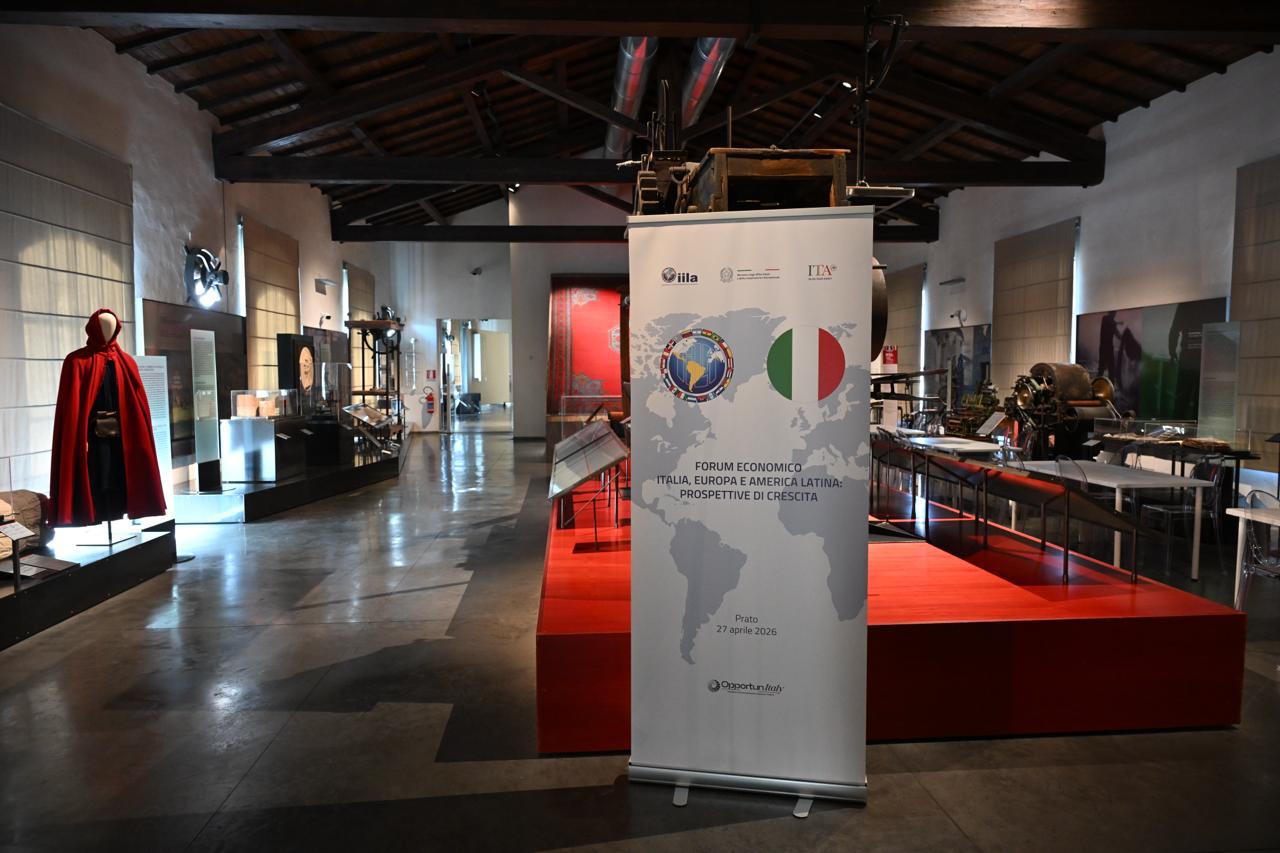
A business forum in Prato highlights growing economic links between Italy and Latin America, with a focus on investment, entrepreneurship and cross-border collaboration.
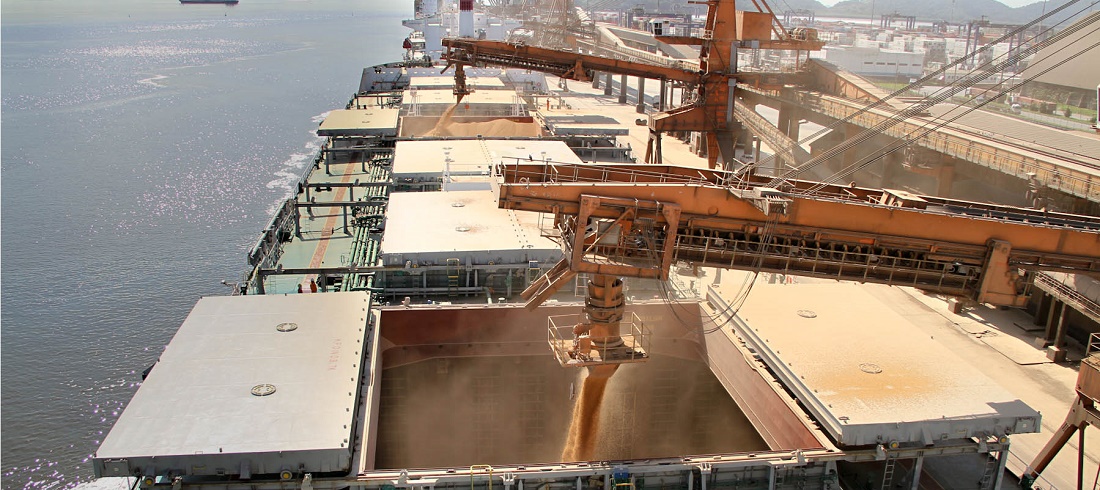
A series of European Union food safety alerts on Argentine agricultural products is increasing pressure on exporters and highlighting the growing impact of regulation on global agri-trade.
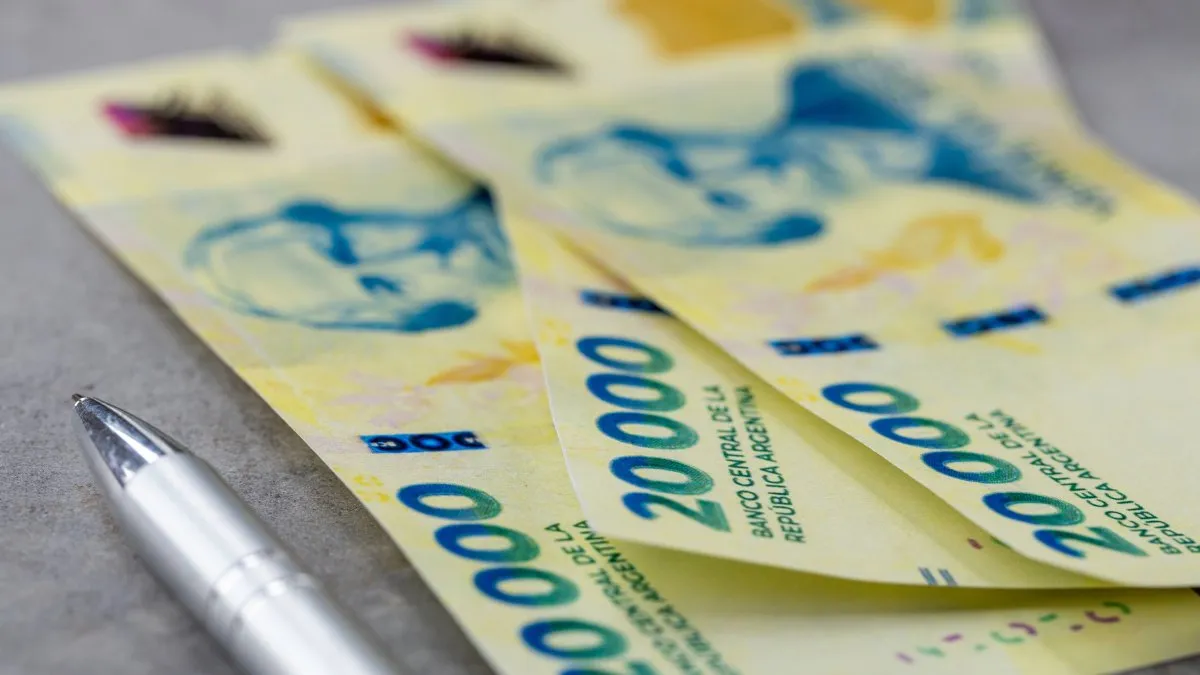
Elevated interest rates and currency stability are keeping Latin America in focus for carry trade strategies, as global investors seek yield in emerging markets despite rising volatility.
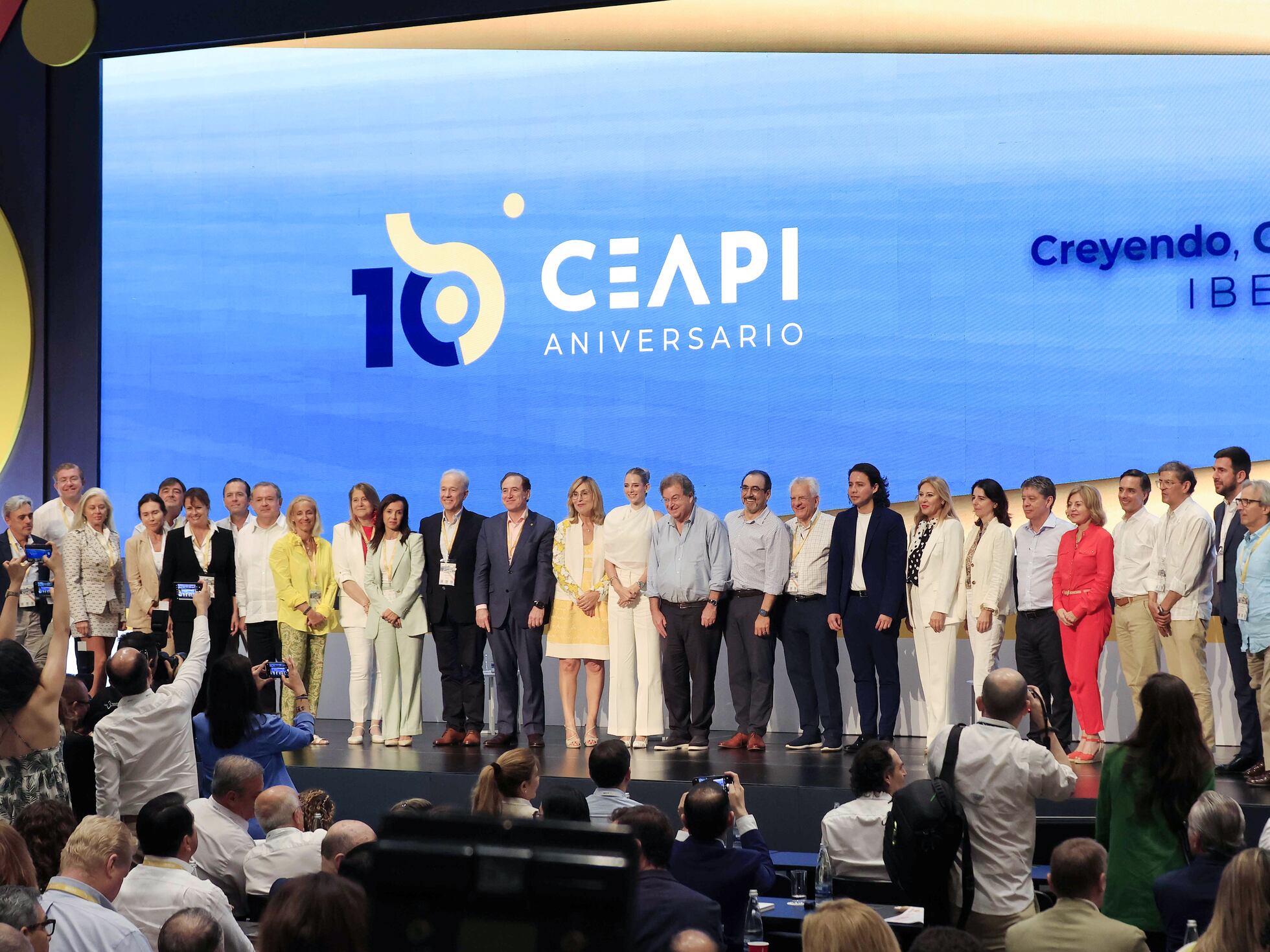
A new concept promoted by CEAPI reflects how companies from Spain and Latin America are increasingly operating as integrated cross-regional players, reshaping investment flows, corporate strategy and global expansion.
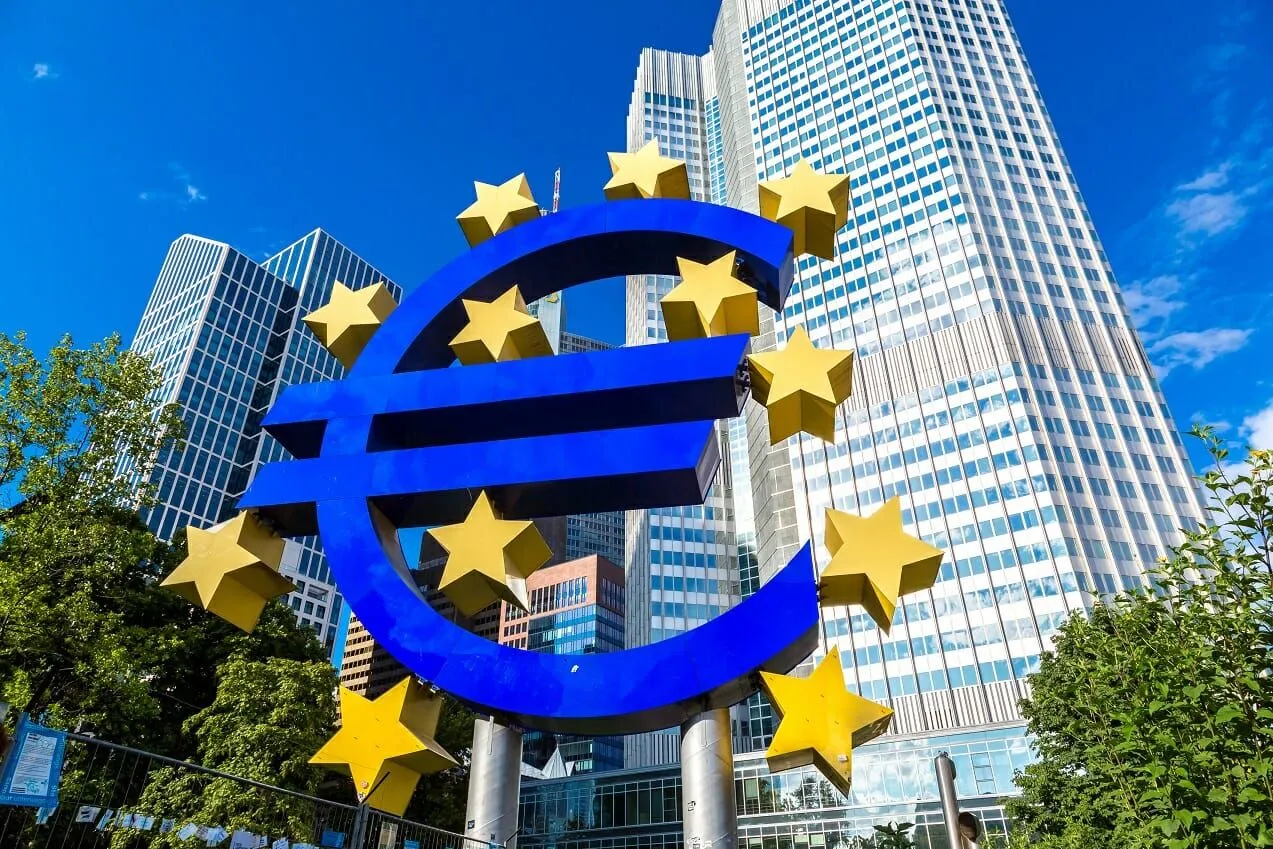
The European Union and the European Investment Bank (EIB) are mobilizing €1.3 billion to support private sector growth, SMEs and sustainable investment across partner countries, with strong implications for Latin America.
Los últimos resultados de Holcim muestran que América Latina se está convirtiendo en un motor clave de crecimiento para el grupo suizo de materiales de construcción, ya que las adquisiciones, la demanda de infraestructura, las herramientas digitales y la construcción de bajo carbono compensan la menor dinámica en Europa.
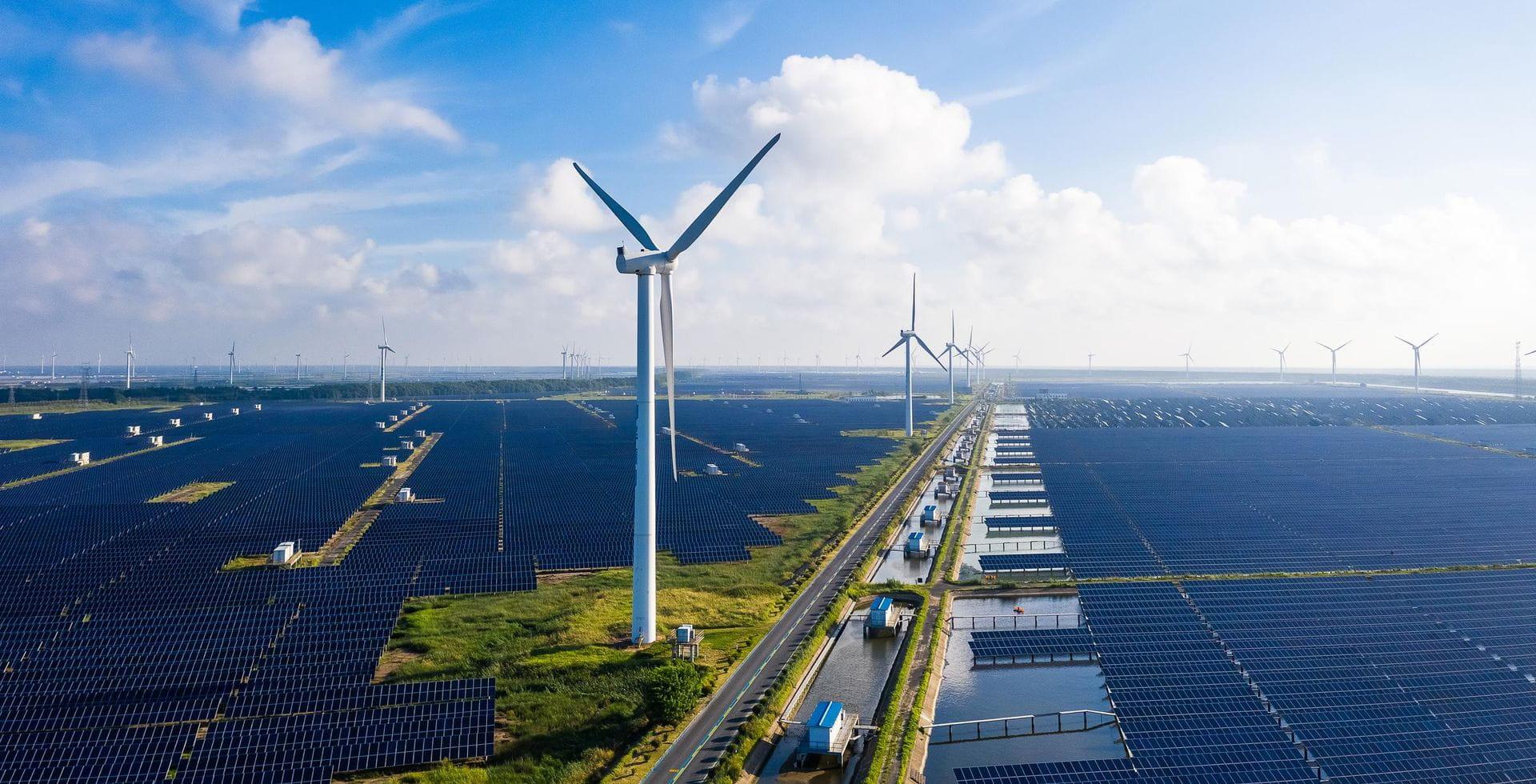
The European Union and international partners have unveiled a major green finance initiative aimed at unlocking up to €20 billion in investment for sustainable infrastructure, reinforcing Europe’s leadership in climate finance and expanding opportunities across emerging markets.
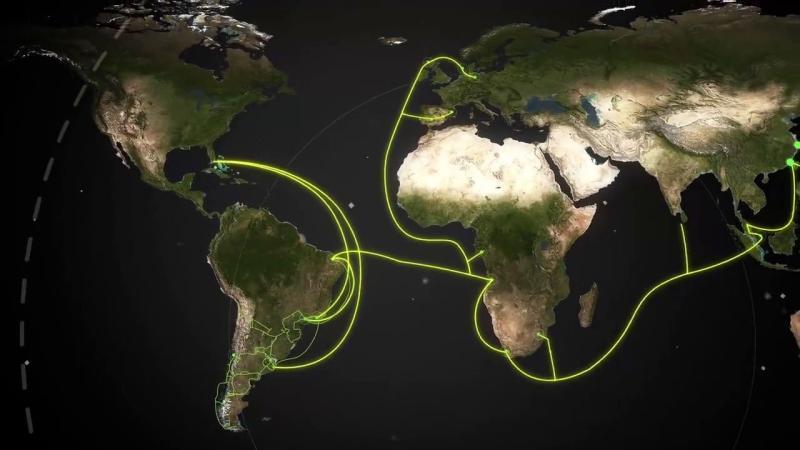
Latin America’s artificial intelligence (AI) market is expanding rapidly, driven by data center investment and digital transformation, but energy constraints, connectivity gaps and regulatory challenges continue to limit scalability.

Asturex led a mission of five Asturian companies to Hannover Messe 2026, using the fair to strengthen business links in metalworking, automation and industrial technology with one of the region’s key export markets.

A new agreement will bring the Erasmus student exchange programme back to the UK, reconnecting British universities with the European Union and strengthening long-term talent and business links.
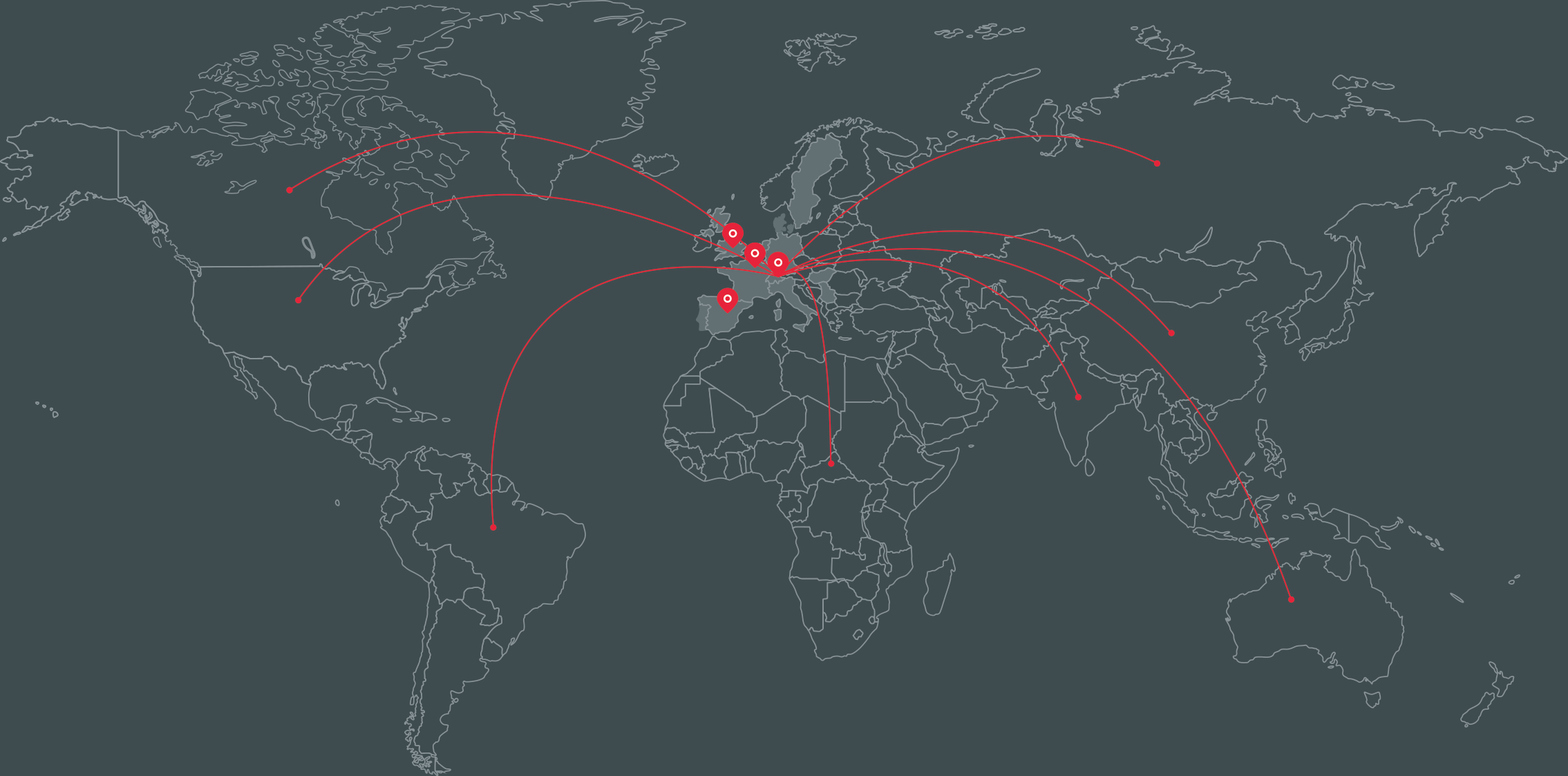
The data management specialist is entering Latin America with a new regional leadership team, betting that multinational brands will need more structured, AI-ready market intelligence across one of the world’s most complex retail environments.

The Madrid-based credit technology group says it grew 26% in 2025 after integrating new operations in France and Germany, consolidating its global identity under the Ubimia brand and deepening its focus on recurring revenue and AI governance.

A growing share of European investors say access to cryptocurrencies could influence their choice of bank, signaling rising pressure on traditional financial institutions to expand digital asset services.

Stability, regulatory transparency and international integration are reinforcing Uruguay’s role as a gateway for European capital entering Latin America.

Embraer is using Hannover Messe 2026 to showcase aerospace innovation, sustainability initiatives and startup collaboration, reinforcing Brazil’s effort to position itself as more than a commodities player in Europe.

Mexico is presenting a national industrial pavilion at Hannover Messe 2026, combining federal and state-level promotion to attract investment in manufacturing, automation, logistics and energy.
From May 19 to 21, Brussels will bring together policymakers, mining companies, startups and investors to accelerate innovation and supply chain integration in critical raw materials.

Rising demand for raw materials and higher prices are putting Latin America’s commodity exporters back in focus, with implications for global markets and Europe’s supply chains.

Brazil’s prominent role at Hannover Messe 2026 highlights growing industrial cooperation with Europe, as companies showcase innovation in manufacturing, energy, and digital transformation.

A new round of analyst upgrades and stronger traffic figures are putting LATAM Airlines back in focus, as the region’s biggest carrier expands international routes and strengthens its position across South America and Europe.

Europe’s flagship industrial fair will spotlight artificial intelligence, battery production, and advanced automation, while a Germany-backed investment initiative seeks to channel more than €800 billion into the country by 2028.
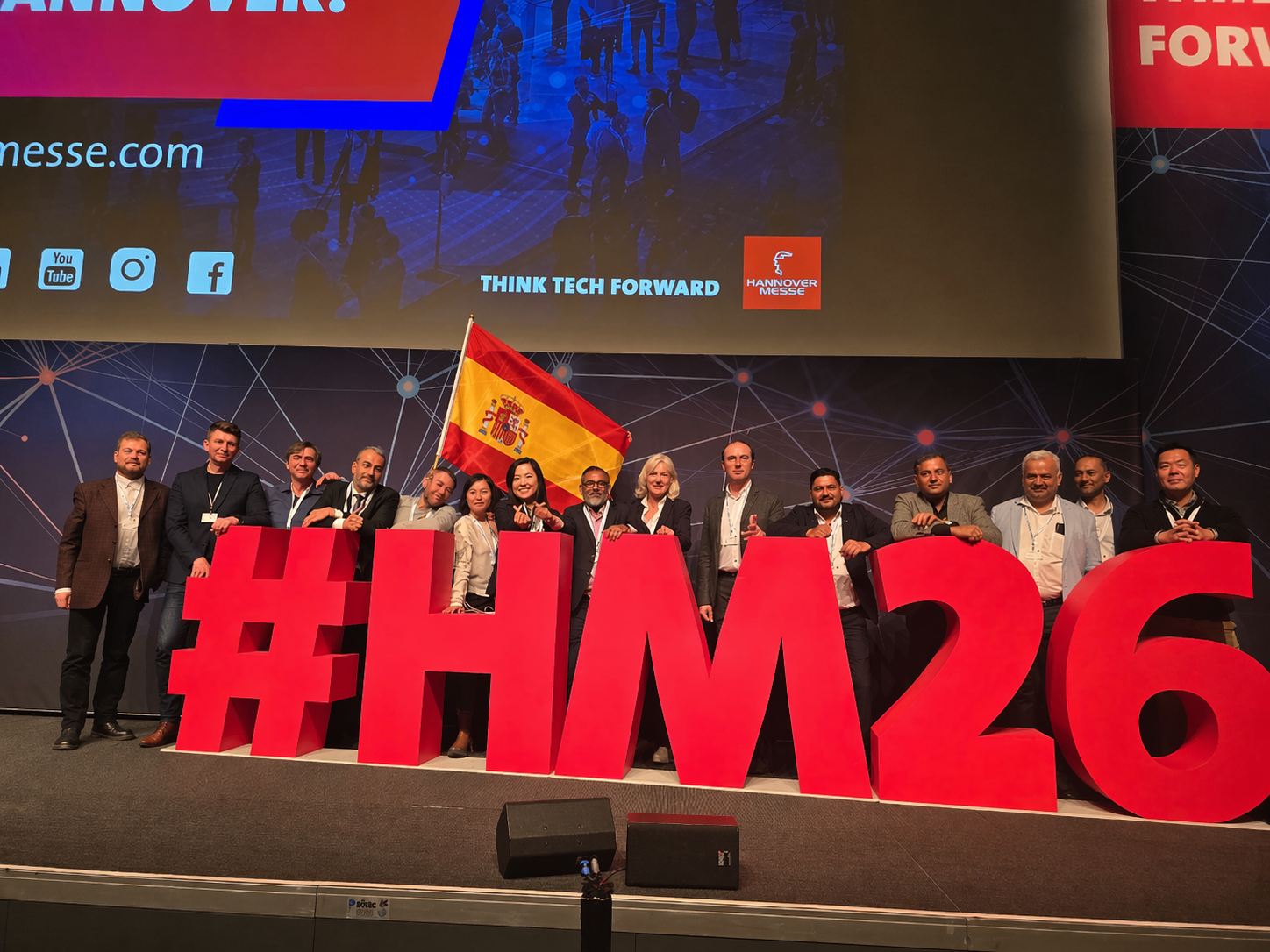
Spain will take on a leading role at Hannover Messe as a partner country, using the platform to showcase its industrial capabilities and attract investment in key sectors such as energy, technology, and advanced manufacturing.

The anniversary of the treaty that laid the foundations of the European Union highlights how economic integration, trade, and regulation have evolved into a global business platform with growing links to Latin America.
Berlin and Brasília want to sharply expand bilateral trade, using Hannover Messe to deepen cooperation in digital industry, raw materials and renewable energy at a time when the EU–Mercosur deal is moving closer to provisional application.
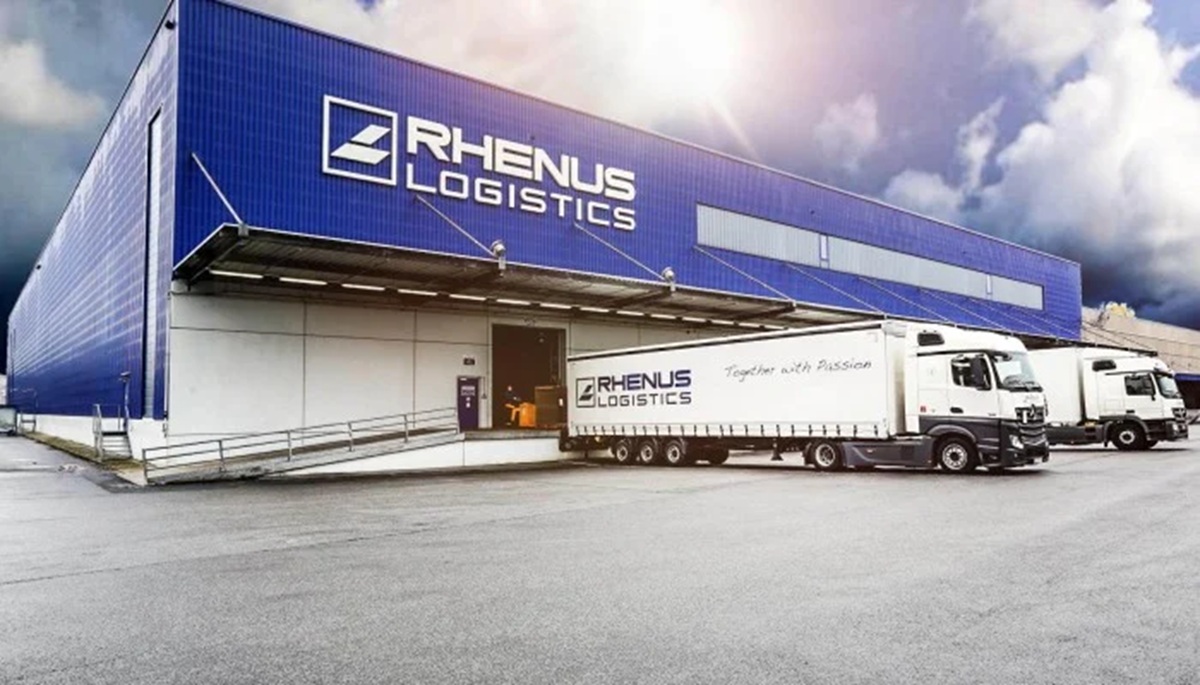
The German logistics group is posting record results on the Asia–Latin America corridor, underscoring how European operators are using regional scale in Latin America to compete in the world’s fastest-growing trade lanes.
The San Sebastián Festival launches its 15th Co-Production Forum, inviting European and Latin American projects to connect with investors, producers, and global platforms in one of the industry’s key transatlantic meeting points.
Italy showcases the global strength of its industrial and luxury sectors, as exports and brand value position “Made in Italy” as a key pillar of Europe’s economic outreach.

The war in the Middle East is having a more limited direct energy impact on Latin America than on other emerging regions, but higher fuel costs are feeding inflation and complicating monetary policy across the continent.
The new agreement eliminates double taxation between Argentina and Austria, aiming to facilitate investment flows, reduce fiscal barriers, and strengthen economic ties between Europe and Latin America.
The European Commission is preparing a major overhaul of merger control rules to enable the creation of larger companies capable of competing with U.S. and Chinese giants.
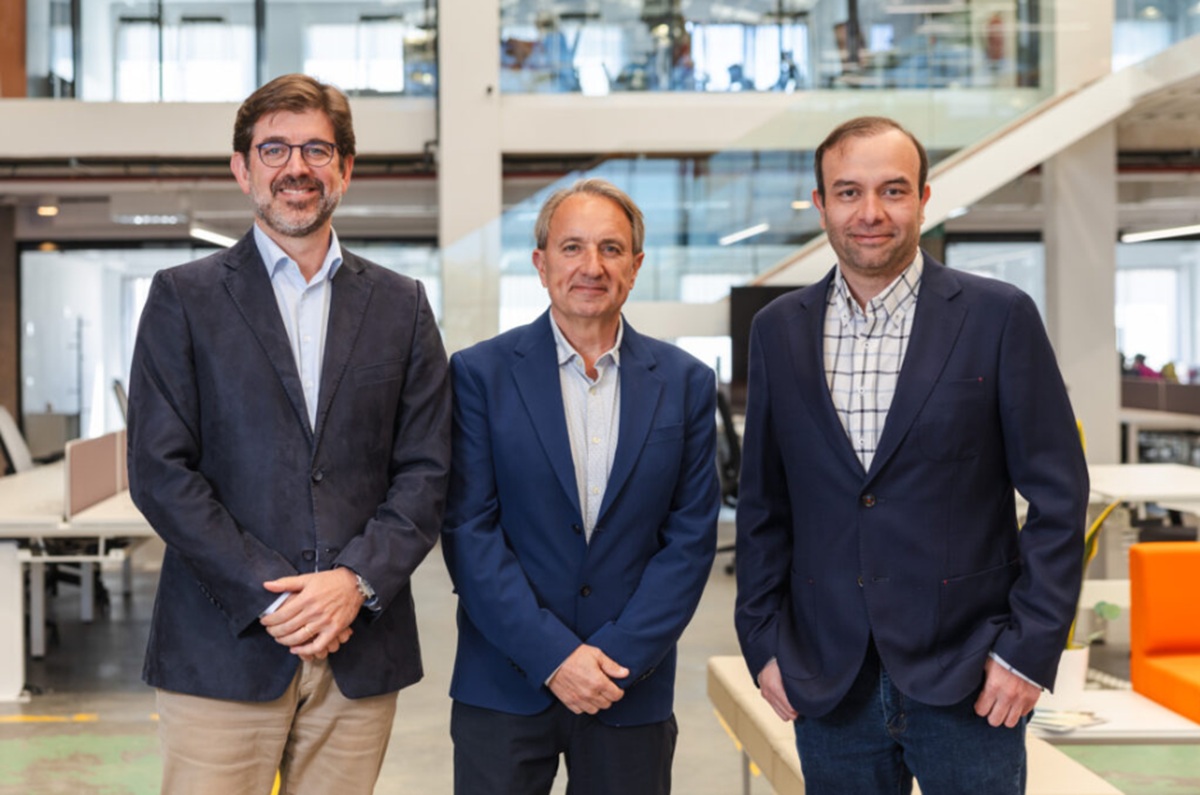
The Chilean SaaS company is acquiring Spanish CMMS pioneer TCMAN, strengthening its presence in Europe and accelerating the integration of Latin American industrial tech into global markets.

Instacart’s acquisition of Instaleap gives the U.S. group a stronger foothold with grocery retailers across Europe and Latin America, turning a Colombian platform into a bridge for global retail technology expansion.
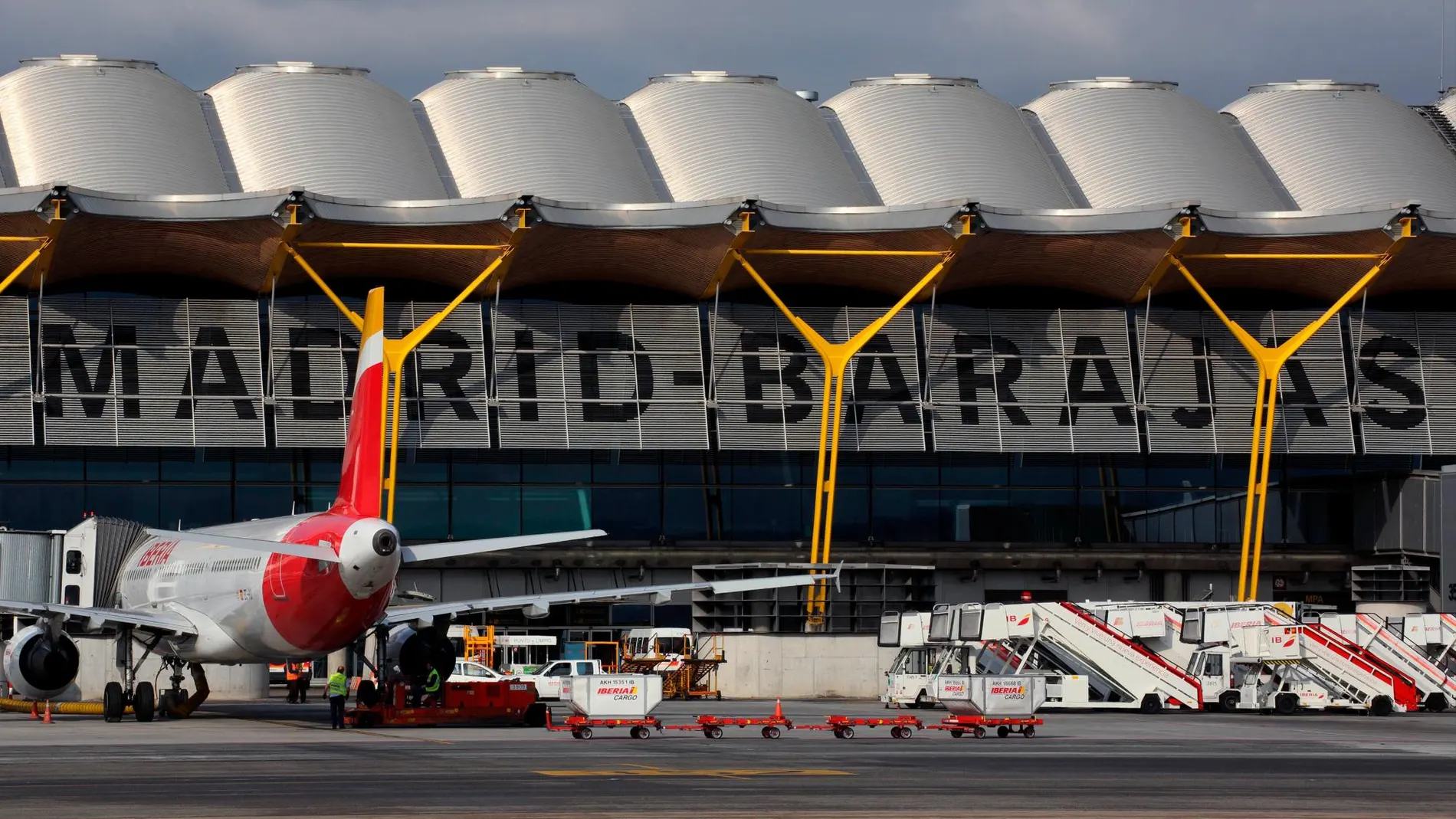
The Spanish airline is increasing capacity and adding routes to key cities in Latin America, strengthening connectivity with Mexico, Argentina, and Brazil ahead of the 2026 summer season.

The financing deal highlights Europe’s growing role in funding global clean energy platforms, with potential spillovers into Latin America’s renewable expansion and green tech adoption.
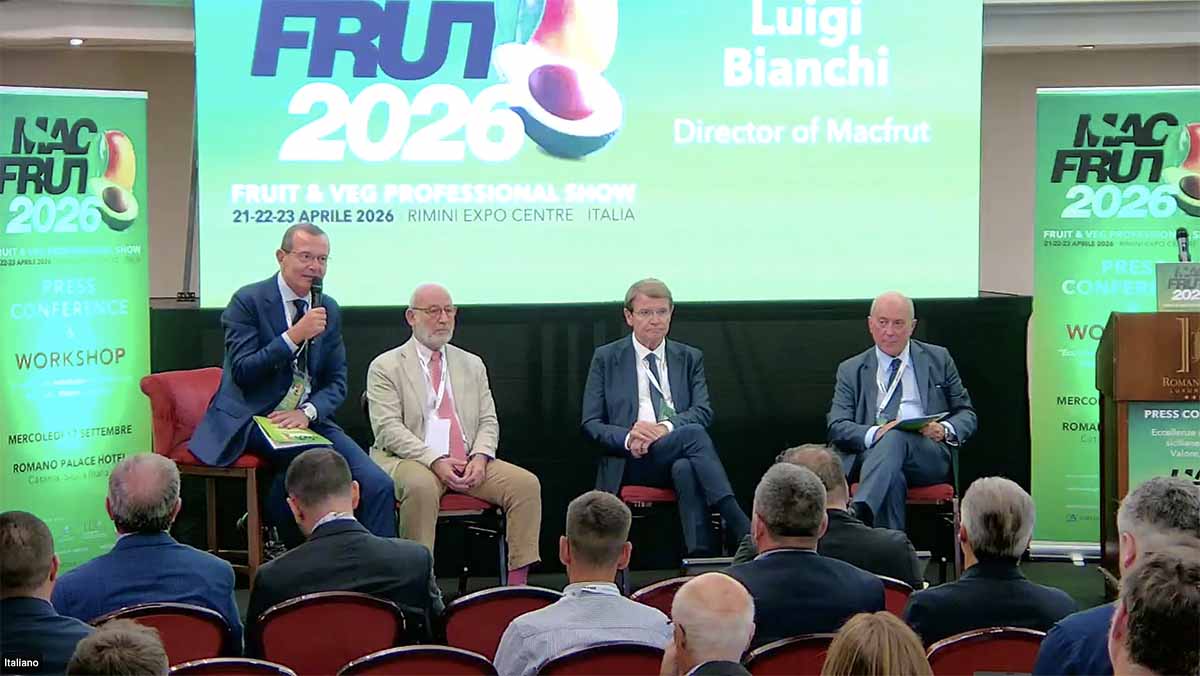
A new Argentine trade delegation at Macfrut 2026 is targeting buyers, distributors, and technology partners in Italy as the country looks to deepen its foothold in Europe’s fresh produce market.

Norway’s crude exports surged in March as disruptions linked to the Iran war tightened global supply, reinforcing Europe’s role as a key alternative energy provider.
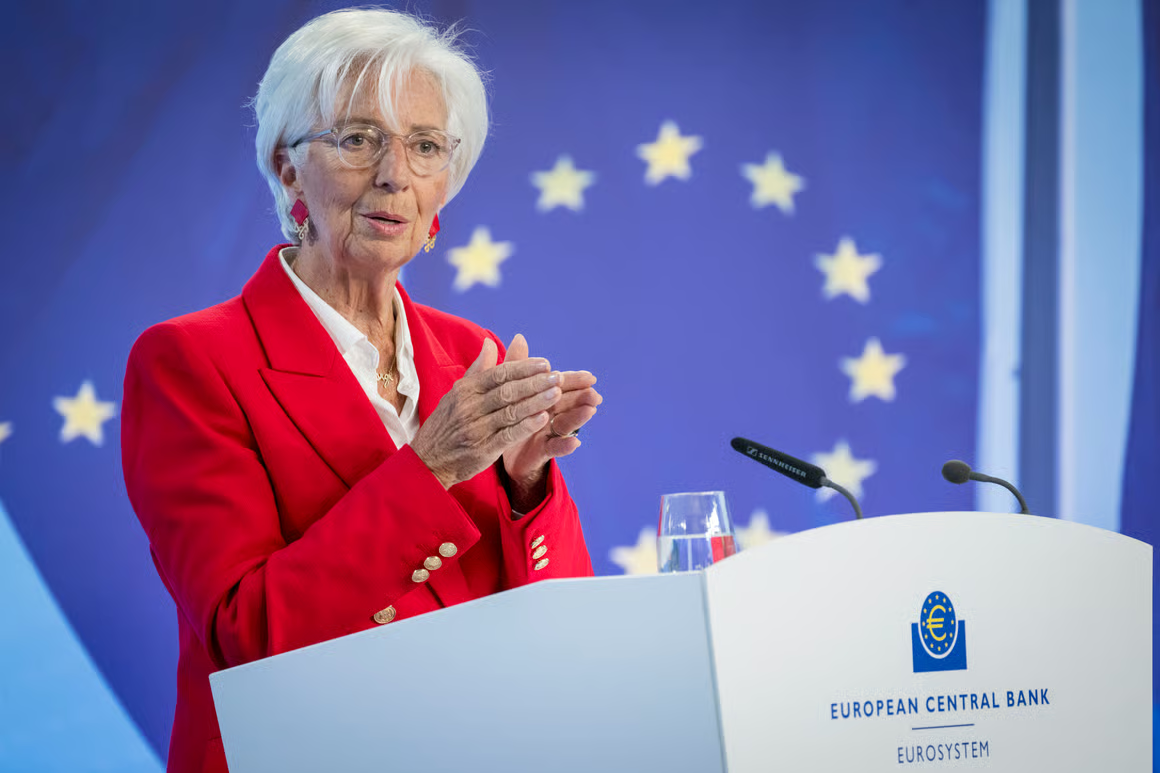
ECB President Christine Lagarde warns that Europe’s economy is navigating between baseline recovery and downside risks, as inflation, trade tensions, and global uncertainty cloud the outlook.

The EU’s new Entry/Exit System (EES) is now fully operational across the Schengen Area, introducing biometric controls and digital tracking that will reshape how Latin American executives travel to Europe.

According to international reports, the agreement between the two blocs could enter provisional force on May 1, 2026. The move would mark a major milestone in bi-regional integration, even as political resistance persists in parts of Europe.
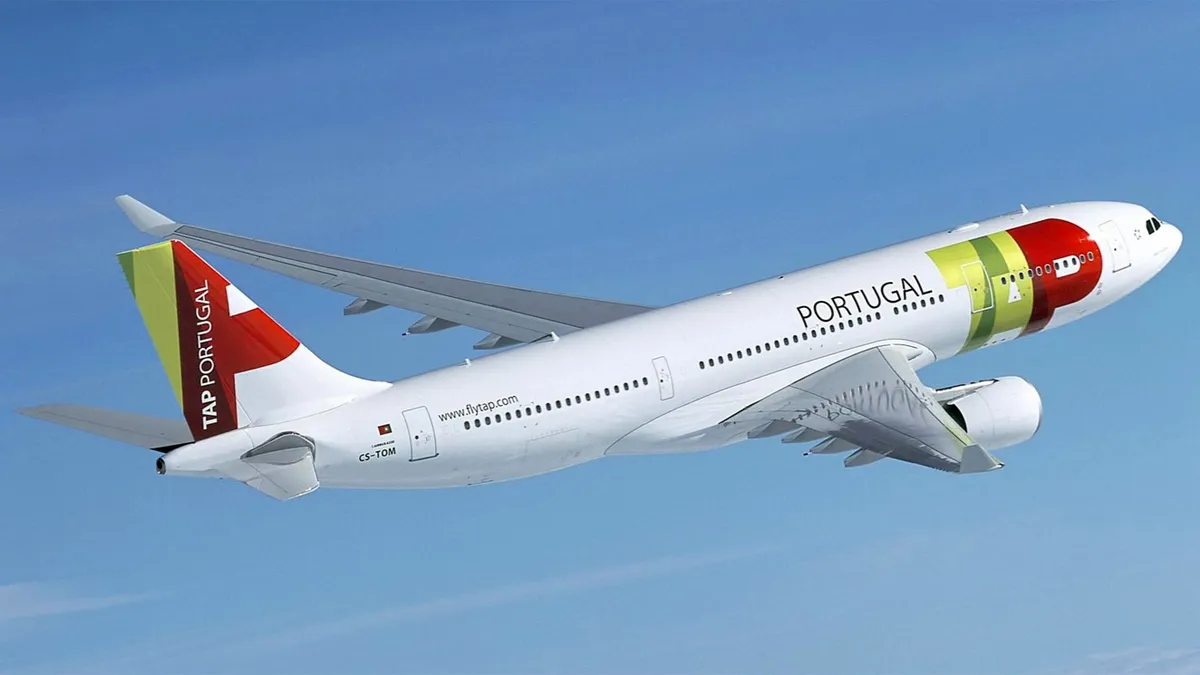
Air France-KLM and Lufthansa have submitted non-binding bids for a 44.9% stake in TAP Air Portugal. At the heart of the dispute lies the airline’s strategic network, with Lisbon serving as a key gateway to Brazil, Africa, and the United States.
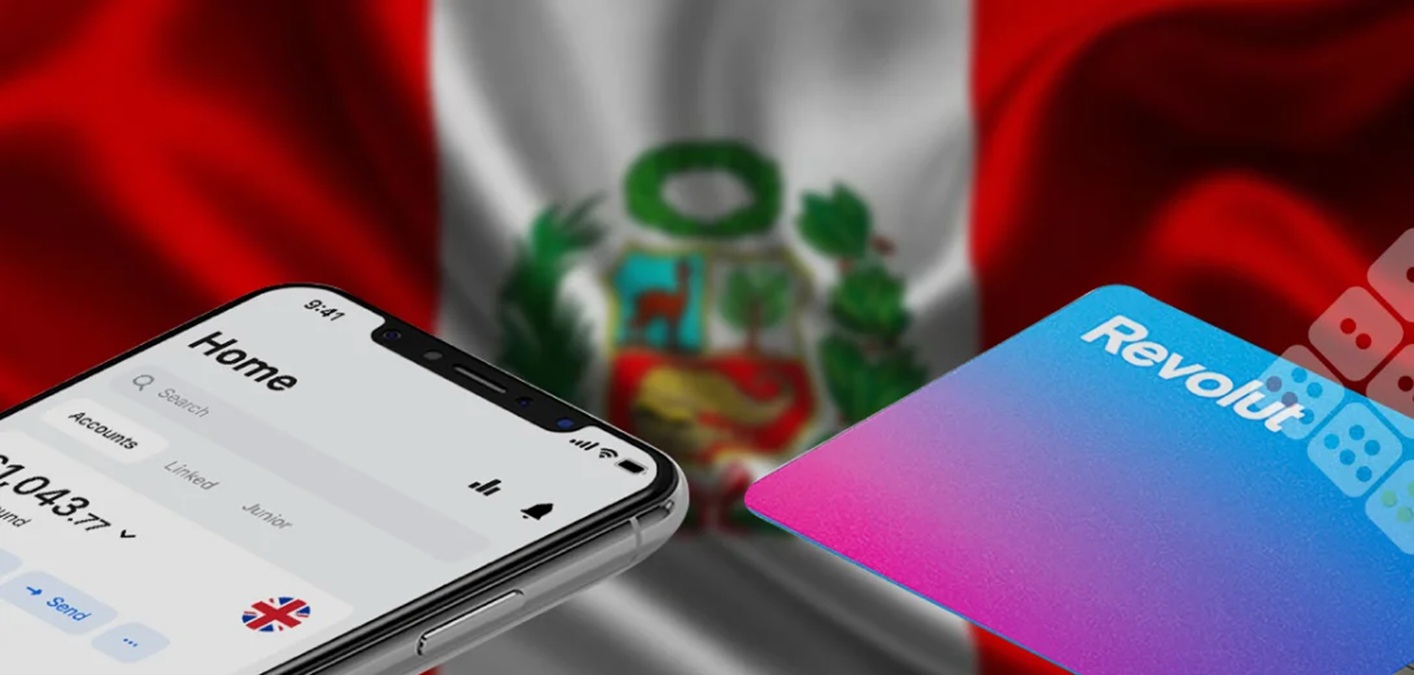
Peru’s banking supervisor has authorized Revolut to establish itself as a bank in the country, marking a major step in the UK fintech’s regional expansion. The company still needs final operating approval, but the move reinforces Latin America’s role in its long-term growth strategy.
The Spanish telecom group has agreed to sell assets in Mexico for $450 million, reinforcing its strategy to reduce exposure in less profitable markets and refocus on core geographies.

As the EU moves toward provisional implementation of its Mercosur trade deal, agribusiness players face immediate tariff cuts, regulatory shifts, and a reshaping of transatlantic supply chains.
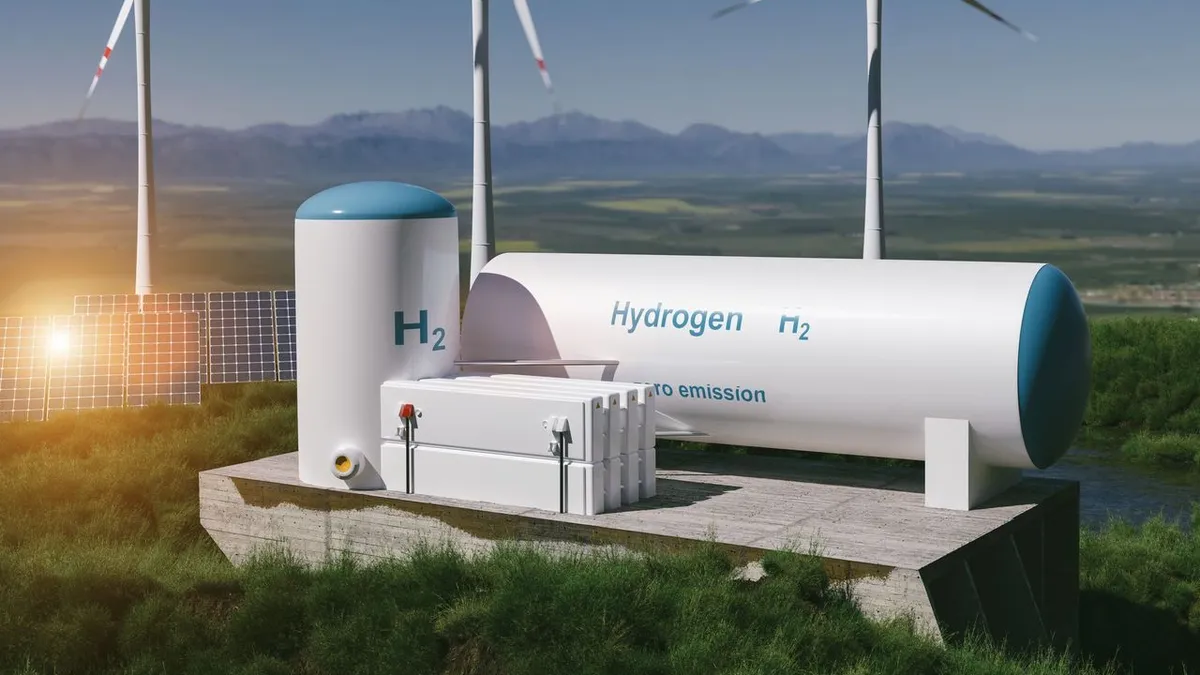
EU-backed investments in Latin America are accelerating the development of green hydrogen projects, creating a transatlantic energy corridor aimed at decarbonizing European industry.
A World Bank report highlights Argentina as the only major Latin American economy expected to diverge from regional trends. For European investors, the shift signals both risk and a potential entry point into a market undergoing structural adjustment.
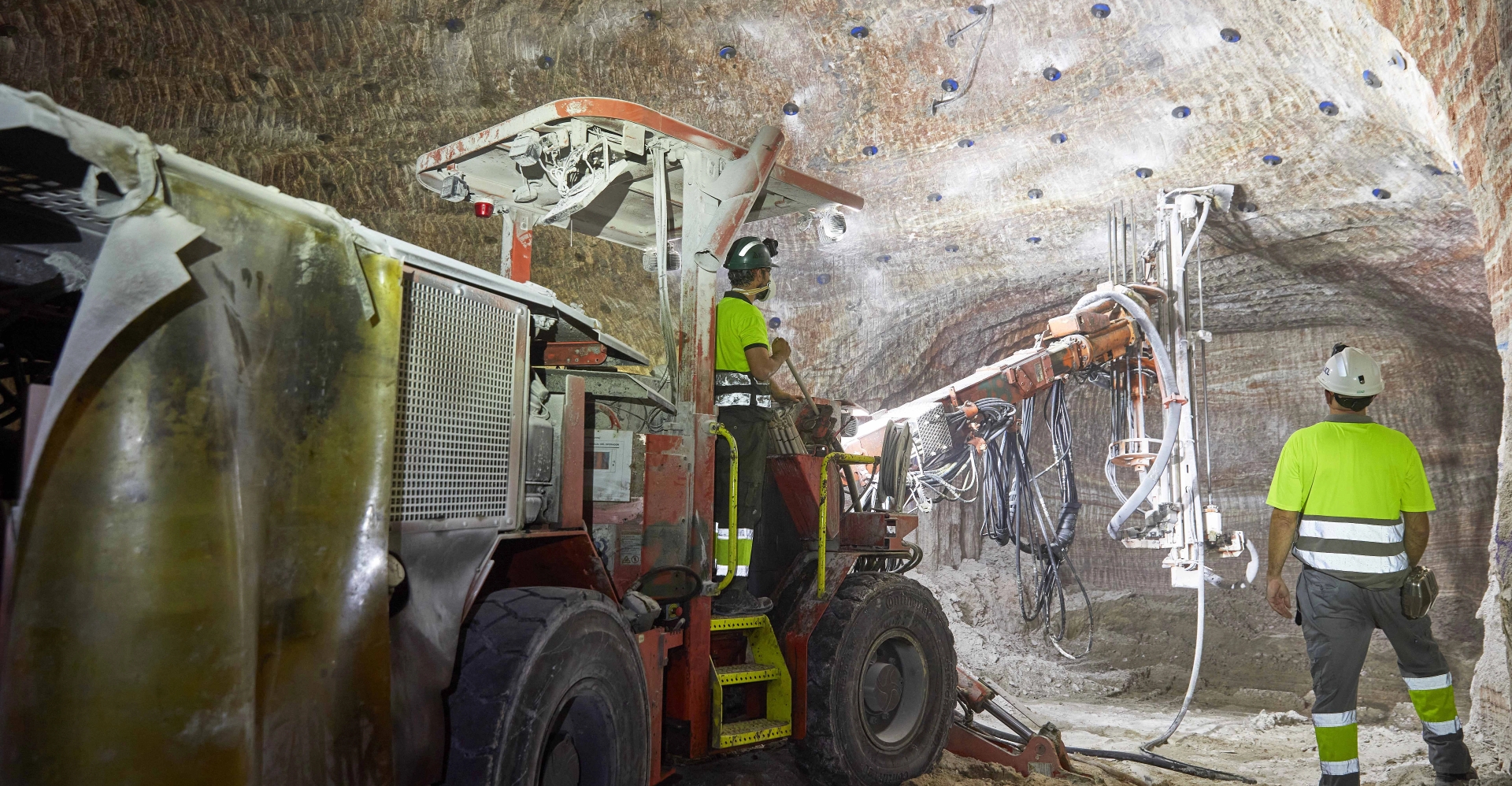
A new analysis argues that the EU–Mercosur agreement could help Europe diversify its access to critical minerals and reduce its dependence on China-dominated processing chains. The deal’s provisional application from May 2026 is sharpening its strategic relevance beyond trade.

A Brazilian mission to the European Union is launching a new wave of digital matchmaking between corporates and startups, positioning open innovation as a key bridge between Latin America and Europe.
The new pan-European platform builds on the partners’ existing logistics venture in Brazil, as La Caisse and Prologis commit around €1 billion to develop and operate assets across key European markets.

Argentina’s Congress has approved an overhaul of the glacier protection regime, giving fresh momentum to copper and critical minerals projects and reshaping the country’s investment outlook for global miners.

The European Union has accelerated the approval of 235 strategic energy projects, prioritizing grid expansion, green hydrogen, and offshore wind as it strengthens energy security and industrial decarbonization.

Artificial intelligence is changing how crop protection products are discovered, tested, and formulated, giving Latin America a growing role in the next generation of biological and data-driven farming solutions.

The approval marks a regulatory milestone for prediction markets in Europe, positioning Gibraltar as an early mover in a sector that blends finance, data, and probabilistic forecasting.

The European Commission’s proposal for a unified corporate regime could reduce fragmentation across the EU and create a faster launchpad for startups and scale-ups expanding into Latin America.