EU Hybrid Vehicle Quota to Halve Chinese Market Share, Reshaping Competition for European Carmakers
The European Union will cap Chinese hybrid vehicle imports at 350,000 per year from December, a move expected to halve China’s market share and bolster EU automakers.

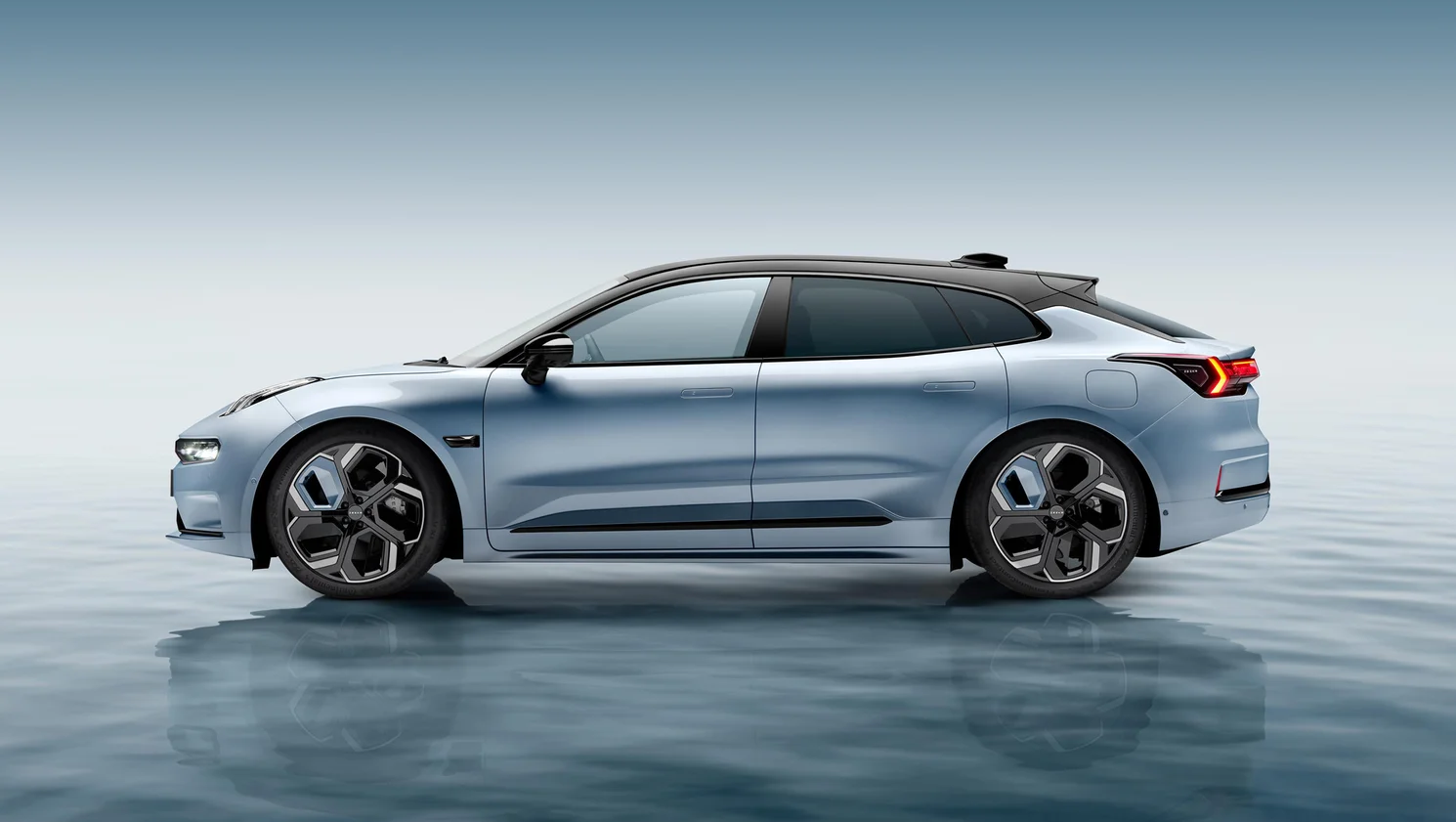
The European Commission will impose a new quota limiting imports of Chinese hybrid electric vehicles to 350,000 units per year starting December 2026, in a bid to curb China’s growing influence in the European automotive sector and protect local manufacturers.
The measure, implemented under World Trade Organization (WTO) safeguard provisions, is expected to reduce the market share of Chinese hybrid vehicles in the EU from 6% to 3%. Chinese exports of hybrids to the bloc tripled to €6.7 billion in the first half of 2026, up from €2.2 billion a year earlier, prompting concerns over trade imbalances and competitive pressures facing European firms.
For EU automakers, the quota signals a strategic shift. Limiting Chinese competition is likely to ease price pressures and protect margins for European brands, which have faced aggressive pricing from Chinese rivals. The European automotive industry, a major employer and exporter, stands to gain from reduced import competition, with potential for increased sales, local production, and job creation across the region.
The cap responds to mounting trade deficits with China and broader EU efforts to reduce reliance on Chinese imports in sensitive sectors. The move reflects a tightening of trade policy, with officials seeking to strengthen industrial resilience and safeguard strategic industries amid concerns over supply chain vulnerabilities.
However, the quota could disrupt existing supply chains for EU companies that source components or finished vehicles from China. Analysts warn of potential retaliation from Chinese authorities, which could affect other sectors of the European economy and escalate bilateral trade tensions.
While the Chinese government has expressed support for the quota’s implementation under WTO rules, the long-term implications for EU-China relations remain uncertain. Industry observers will be watching how EU carmakers adapt their procurement, pricing strategies, and investment decisions in response to the new limits.
For investors and policymakers, the quota represents both risk and opportunity: the chance to reinforce Europe’s automotive sector, but also the possibility of broader trade disputes and shifting market dynamics across the transatlantic and Asia-Pacific regions.