EU Presses UK to Impose Tariffs on Chinese EVs Amid Backdoor Fears
Brussels is urging the UK to levy tariffs on Chinese electric vehicles, warning that Britain could become a conduit for Chinese automakers seeking entry into the EU market.

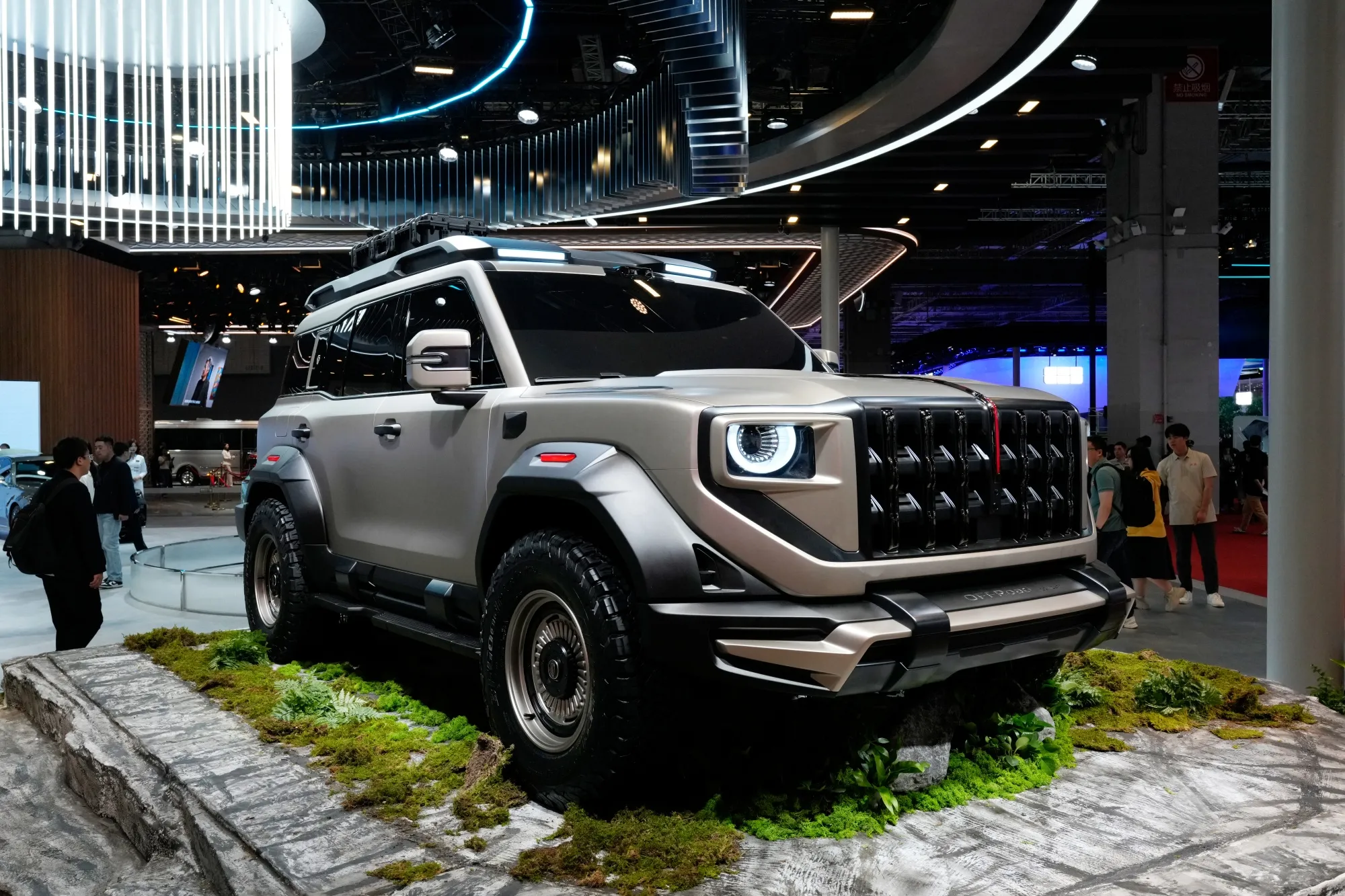
The European Union is pressing the UK government to introduce tariffs on Chinese electric vehicles (EVs), warning that Britain could serve as a backdoor for Chinese automakers seeking access to the EU market, according to EU officials cited by Brussels.
The move reflects heightened EU concerns over the integrity of its market as Chinese EVs grow more competitive globally. Without UK tariffs, vehicles assembled or sold in Britain could be re-exported to the continent, potentially circumventing EU trade barriers aimed at Chinese imports.
Brussels' call for action underscores the complex dynamics of post-Brexit trade relations. While the UK is no longer bound by EU tariff policy, close economic ties and the movement of goods across the Channel mean that UK decisions can have a material impact on EU market conditions. This is especially true for sectors like automotive manufacturing, where supply chains and distribution networks remain deeply integrated.
For European automakers, the stakes are high. Chinese EVs have made significant inroads into global markets due to aggressive pricing and rapid innovation. Brussels fears that unregulated flows through the UK could undermine the competitive position of local manufacturers, eroding market share and impacting jobs across the bloc.
Imposing tariffs in coordination with the UK could help the EU close potential loopholes, ensuring that Chinese vehicles do not gain an unfair advantage via indirect routes. At the same time, such measures risk stoking trade tensions not only with China, but also between the EU and the UK, should London resist Brussels' pressure.
For the UK, responding to EU demands will require balancing relations with both Brussels and Beijing. Tariffs could affect the attractiveness of the UK as a market for Chinese automakers, with potential implications for local consumers and businesses.
While Latin America is not directly involved in the current dispute, shifts in the EU and UK automotive markets could affect global supply chains and trade flows. For Latin American exporters, tighter controls on Chinese vehicles could mean a more stable European market for their own automotive and component exports, but also increased competition as Chinese manufacturers seek alternative entry points.
The situation remains fluid as policymakers in London weigh their response. The outcome will set an important precedent for post-Brexit trade coordination and the broader contest between Chinese and European industry.