
EU Tightens Meat Import Rules as South American Exporters Face New Compliance Test
New requirements are reshaping access to Europe’s food market, where traceability, certification and sanitary standards now carry growing commercial weight.

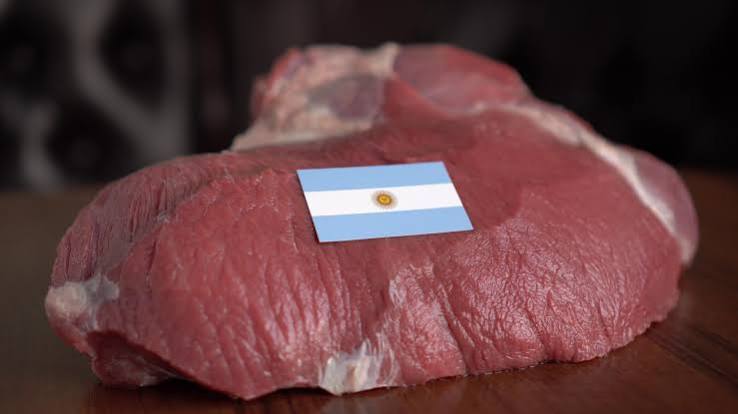
The European Union (EU) has updated its authorization framework for meat imports, a move that raises the pressure on South American exporters at a decisive moment for EU–Mercosur trade relations.
The decision reinforces a message that has become increasingly clear for agribusiness companies seeking access to Europe: tariffs matter, but standards matter just as much. Food safety, veterinary controls, traceability and sustainability are now central conditions for competing in one of the world’s most demanding consumer markets.
For South America, the European market remains highly strategic. The bloc continues to import premium beef and other animal products, but only from suppliers able to prove compliance with strict regulatory requirements. That means market access is no longer defined solely by production capacity or price competitiveness.
The timing is especially relevant as Europe and Mercosur move toward deeper commercial integration. While the EU–Mercosur agreement could create new opportunities for agricultural exporters, it will also increase scrutiny over how products are produced, certified and monitored.
In practical terms, exporters across the region will need to invest more in digital traceability, veterinary documentation, quality-control systems and sustainable production practices. Those that adapt quickly could strengthen their position in Europe. Those that fall behind may face growing barriers.
The update also reflects Europe’s broader strategy to ensure that imported food products meet standards comparable to those applied within the EU. For Brussels, the objective is to protect consumers and maintain confidence in the safety and reliability of global supply chains.
For Latin American producers, the challenge is also an opportunity. Companies capable of meeting European requirements can use compliance as a competitive advantage, especially in premium segments where buyers value origin, transparency and quality.
The issue goes beyond meat exports. It anticipates a broader trend in global trade: access to high-value markets will increasingly depend on proof of sustainability, regulatory alignment and reliable certification.
For the EU–Mercosur relationship, the message is clear. Future growth in agrifood trade will not depend only on political agreements or tariff reductions, but on the ability of exporters to operate under global standards.