
Europe Faces Prolonged Energy Pressure as Iran Conflict Drives Oil and Gas Prices Higher
Rising energy costs linked to the Iran conflict are expected to keep inflation elevated and slow economic growth across Europe through at least 2027.

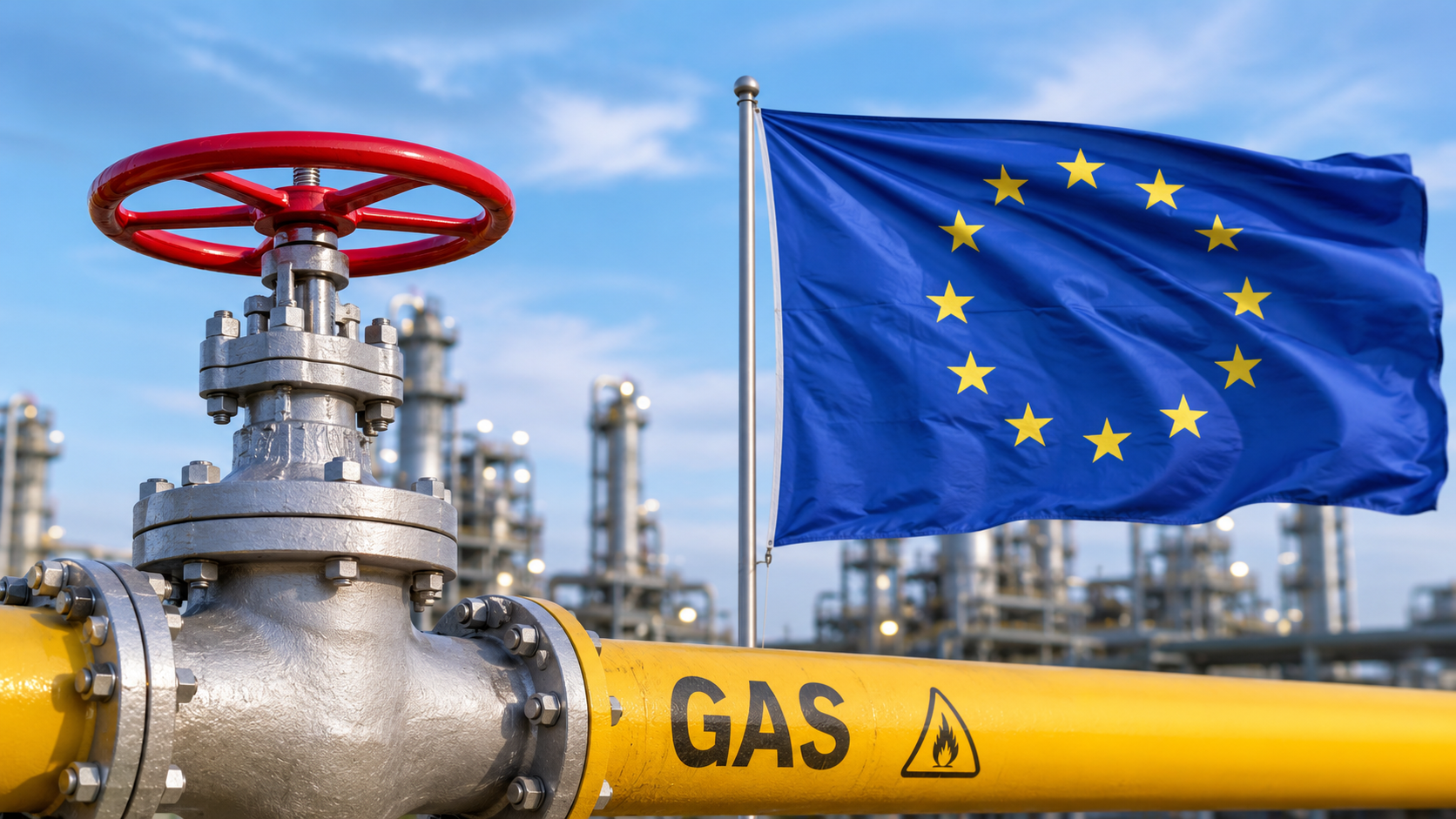
Europe is entering a prolonged period of elevated energy prices as the conflict involving Iran continues disrupting global oil and gas markets, increasing pressure on inflation, economic growth and household costs across the continent.
European officials now expect oil and gas prices to remain above pre-conflict levels through at least the end of 2027, reflecting the broader economic impact of geopolitical instability in the Middle East.
The surge in energy prices has already forced the European Commission to revise growth forecasts downward while raising inflation projections for both 2026 and 2027. Eurozone inflation is expected to remain above the European Central Bank’s 2% target as higher fuel and electricity costs spread through the broader economy.
Europe remains particularly vulnerable because of its dependence on imported energy, especially oil and liquefied natural gas transported through critical routes such as the Strait of Hormuz.
Disruptions linked to the conflict have intensified concerns over energy security, industrial competitiveness and consumer purchasing power. Since the beginning of the crisis, European fossil fuel import costs have risen sharply, adding billions of euros in additional expenses for governments, businesses and households.
The situation is also reviving fears of stagflation — a combination of weak economic growth and persistent inflation — as companies face higher operating costs while consumers reduce spending power. European finance ministers and central bankers are increasingly debating how to balance inflation control with economic support measures.
Industries highly dependent on energy and transportation, including aviation, logistics, chemicals and manufacturing, are expected to face continued pressure if oil prices remain elevated.
At the same time, the crisis is accelerating Europe’s push toward renewable energy and energy diversification. Analysts say high fossil fuel prices are improving the competitiveness of solar, wind and electric mobility technologies while reinforcing the strategic importance of reducing dependence on external energy suppliers.
European governments are discussing measures ranging from targeted consumer support to possible windfall taxes on energy companies benefiting from higher prices. Policymakers are also seeking coordinated EU-wide responses to avoid fragmented national interventions that could destabilize markets further.
For Europe, the crisis highlights how geopolitical tensions increasingly shape inflation, monetary policy and industrial competitiveness. For global markets, it reinforces the central role of energy security within international economic stability.
Europe’s latest energy shock underscores the continent’s continued vulnerability to global geopolitical disruptions while accelerating the transition toward more diversified and resilient energy systems.