Europe Marks 75 Years Since Founding Treaty That Shaped Today’s Single Market
The anniversary of the treaty that laid the foundations of the European Union highlights how economic integration, trade, and regulation have evolved into a global business platform with growing links to Latin America.


The European Union is marking the 75th anniversary of the treaty that gave birth to its first institutional framework, a milestone that underscores how a post-war political project evolved into one of the world’s largest economic blocs.
Signed in 1951, the founding agreement created the European Coal and Steel Community (ECSC), bringing together six countries — France, Germany, Italy, Belgium, the Netherlands, and Luxembourg — in a bid to integrate key industries and prevent future conflict. Over time, that structure expanded into what is now the European Union, with a single market, common regulatory framework, and deep economic integration.
For today’s business environment, the significance of that transformation is substantial.
What began as a mechanism to coordinate coal and steel production has become a platform that enables the free movement of goods, services, capital, and people across 27 countries. This integration has allowed European companies to scale, attract investment, and operate within a unified regulatory system.
From an economic perspective, the EU now represents one of the largest markets globally, with a combined GDP that positions it as a central player in global trade. Its regulatory standards — particularly in areas such as competition, sustainability, and digital policy — increasingly shape international business practices.
The anniversary also comes at a moment of strategic recalibration.
Faced with global competition from the United States and China, as well as supply chain disruptions and geopolitical tensions, the EU is reassessing how to maintain competitiveness while preserving its model of open markets and strong regulation.
This includes initiatives aimed at strengthening industrial capacity, accelerating the energy transition, and reducing external dependencies — all of which are redefining how Europe positions itself in the global economy.
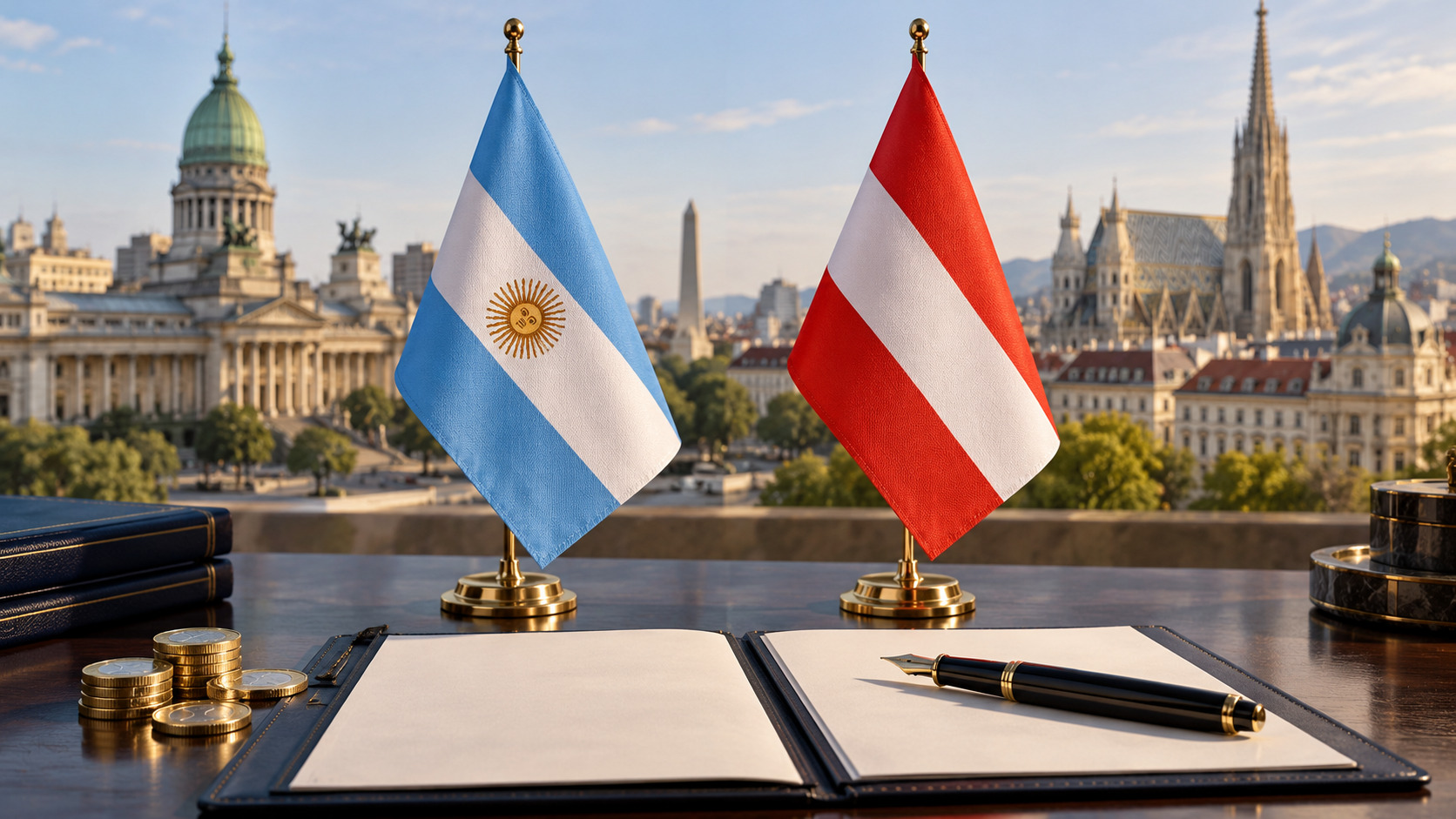
For Latin America, the evolution of the European project is particularly relevant.
The EU has become a key trade and investment partner for the region, with strong ties in sectors such as energy, infrastructure, agriculture, and mining. Agreements like the pending EU–Mercosur deal reflect an effort to deepen that relationship and create more integrated transatlantic value chains.
The historical trajectory from the ECSC to the modern EU also illustrates a broader lesson for emerging markets: regional integration can be a powerful tool to scale economies, attract capital, and build resilience in a fragmented global landscape.
For EUBizNews readers, the 75-year milestone is not just symbolic. It highlights how regulatory frameworks, industrial policy, and economic integration can shape long-term business ecosystems — and why Europe continues to be a central node in global trade, investment, and innovation.