European Union and Mexico Finalize Modernized Trade Agreement Amid Global Economic Shifts
The updated agreement strengthens economic ties between Europe and Mexico as both sides seek greater trade diversification and long-term strategic cooperation.

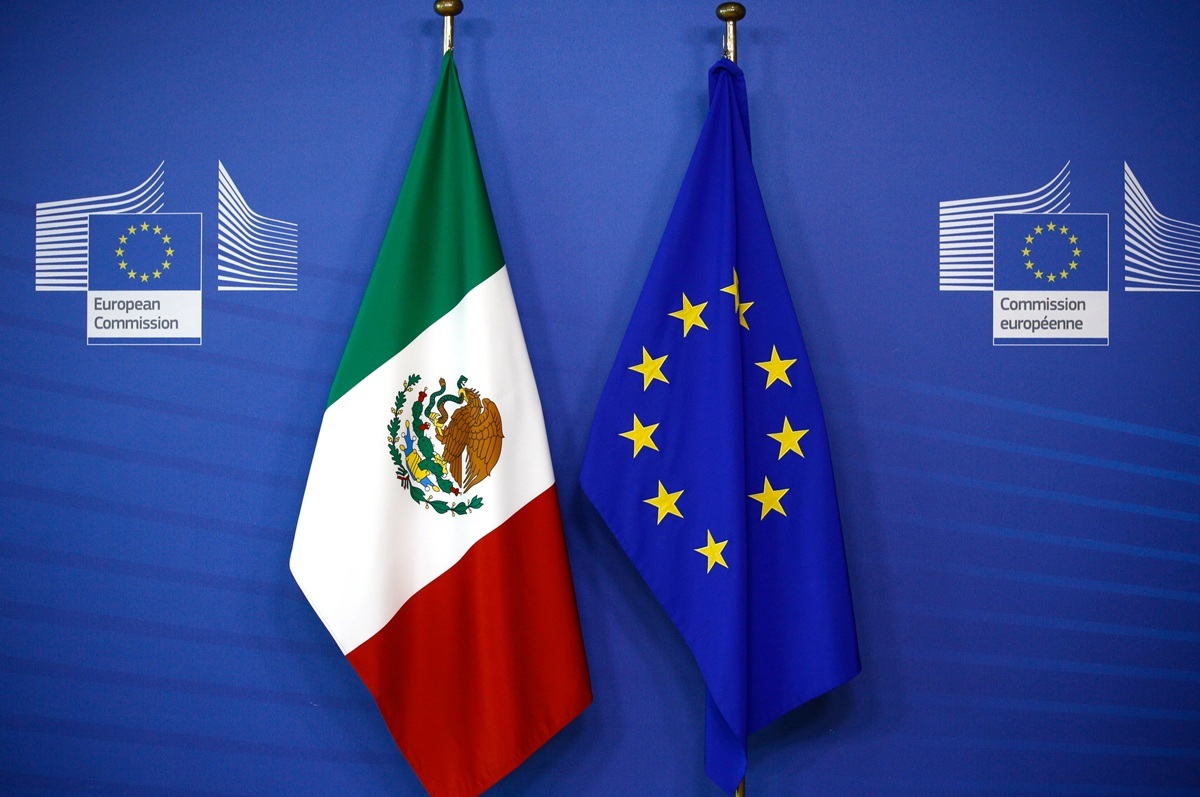
The European Union and Mexico have finalized a modernized trade agreement aimed at deepening economic integration, expanding market access and strengthening long-term cooperation between Europe and Latin America.
The updated deal replaces elements of the original EU–Mexico agreement signed more than two decades ago and reflects major changes in global trade, geopolitics and international supply chains.
For both sides, the agreement arrives at a strategic moment marked by growing economic fragmentation, rising geopolitical tensions and efforts by governments and companies to diversify trade relationships beyond traditional partners.
The modernization expands cooperation in areas including industrial goods, agriculture, digital trade, investment protection, sustainability and public procurement.
European officials view Mexico as a key strategic partner in North America and Latin America due to its industrial capacity, manufacturing integration and proximity to the United States market.
For Mexico, the agreement reinforces efforts to diversify exports and attract more European investment while reducing excessive dependence on the U.S. economy.
The deal is expected to improve opportunities for companies operating across sectors such as automotive manufacturing, renewable energy, pharmaceuticals, agribusiness, infrastructure and technology.
Analysts also see the agreement as part of a broader European strategy to strengthen economic and geopolitical ties with Latin America amid increasing competition with the United States and China for influence and investment across the region.
The updated framework includes stronger rules on sustainability, labor standards and environmental cooperation, reflecting how modern trade agreements increasingly extend beyond tariff reductions into broader regulatory and strategic areas.
For Europe, closer ties with Mexico also support efforts to secure more resilient supply chains and improve access to strategic industries and manufacturing networks linked to nearshoring trends.
The agreement could particularly benefit sectors tied to electric vehicles, industrial manufacturing and clean energy, where Mexico is becoming increasingly important within North American production chains.
At the same time, the implementation process is expected to face political debate in some sectors concerned about competition, agricultural standards and trade imbalances.
The modernized EU–Mexico agreement reflects a broader global shift toward strategic trade partnerships focused not only on commerce, but also on investment, supply chain resilience and geopolitical cooperation.