Europe Moves Closer to a Digital Euro as Lawmakers Back Strategic Payments Initiative
The European Parliament has endorsed the development of the digital euro, a project designed to strengthen Europe's financial sovereignty, reduce dependence on foreign payment networks and modernize the region's digital economy.


The European Union has taken a major step toward the creation of a digital euro, following support from the European Parliament for legislation that would establish the framework for a new form of central bank digital currency (CBDC).
The initiative represents one of the most ambitious financial modernization projects ever undertaken by the European Union and reflects growing concerns in Brussels about Europe's dependence on non-European payment systems.
European policymakers view the digital euro as a strategic tool that could strengthen financial sovereignty, increase competition in the payments sector and provide consumers with a secure digital alternative backed directly by the European Central Bank (ECB).
At the heart of the debate is a broader geopolitical issue.
Today, a significant share of Europe's digital payments infrastructure relies on international providers, particularly US-based card networks and payment platforms. European institutions have increasingly argued that reducing external dependencies is becoming a matter of economic resilience and strategic autonomy.
Supporters of the project believe a digital euro could help create a stronger European payments ecosystem while ensuring that citizens retain access to public money in an increasingly digital economy.
Unlike cryptocurrencies, the digital euro would be issued and guaranteed by the ECB, making it equivalent to physical cash in terms of trust and security. The currency would coexist with banknotes, coins and existing electronic payment methods rather than replace them.
European authorities insist that privacy protections will be a central feature of the system. Lawmakers have emphasized that the digital euro must balance security, anti-money laundering requirements and user privacy, while avoiding excessive state control over individual transactions.
The project is also expected to encourage innovation within Europe's financial technology sector.
A common digital currency framework could create new opportunities for banks, fintech companies and payment providers to develop products and services capable of competing more effectively on a global scale.
For businesses, the digital euro could eventually reduce transaction costs, improve payment efficiency and simplify cross-border transactions within the European Union.
The initiative arrives at a time when countries around the world are exploring digital currencies as part of broader efforts to modernize financial infrastructure.
China has been testing its digital yuan for several years, while central banks in numerous economies are studying or piloting similar systems.
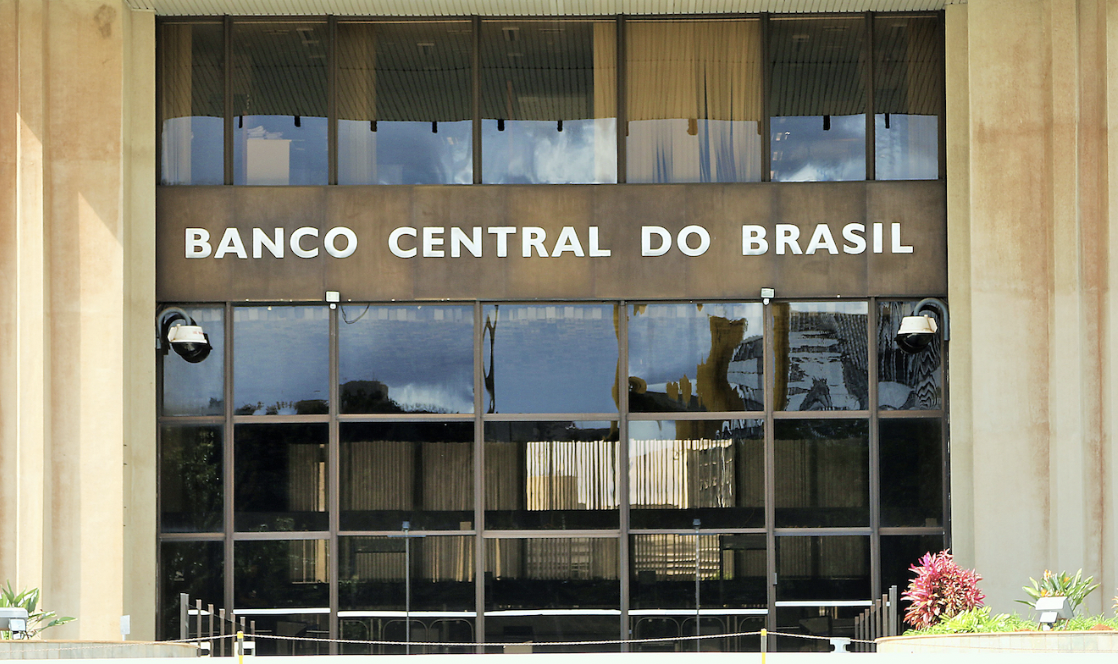
For Latin America, Europe's move is being closely watched.
Many countries across the region are evaluating the future role of digital currencies, financial inclusion technologies and modern payment systems. The development of a digital euro could influence regulatory discussions and accelerate innovation in cross-border payments between Europe and Latin America.
The project could also have implications for international trade and investment. Faster, more efficient digital transactions may strengthen commercial links between European and Latin American businesses while reducing frictions associated with traditional payment systems.
Despite parliamentary backing, several regulatory and technical questions remain unresolved before the digital euro becomes a reality. The European Central Bank continues to work on the design, operational framework and implementation timeline.
Nevertheless, the political signal is clear.
The European Union is moving decisively toward a future in which digital public money becomes part of everyday economic life, reinforcing its ambition to build a more autonomous, competitive and technologically advanced financial system.