European Commission sends EU–Ecuador sustainable investment agreement to Council
The proposed framework seeks to reduce administrative barriers and regulatory uncertainty for European and local investors. It is the EU’s first Sustainable Investment Facilitation Agreement with a Latin American country and places particular emphasis on renewable energy and raw materials.

The European Commission has submitted the EU–Ecuador Sustainable Investment Facilitation Agreement, known as SIFA, to the Council of the European Union for authorisation to sign and conclude the deal.
The proposal opens the next institutional stage for an agreement intended to make it easier for European companies to invest in Ecuador and expand their existing operations. It also seeks to improve conditions for local investors by increasing the transparency, efficiency and predictability of the country’s investment framework.
The agreement is not yet in force. The Commission first requires approval from the Council to proceed with its signature. It must then be submitted to the European Parliament for consent before it can take effect.
If approved, it will become the first SIFA negotiated by the European Union with a Latin American country.
The initiative comes as Brussels seeks to diversify its international economic relationships and create new opportunities for European businesses in markets with potential for infrastructure, energy and industrial investment.
Reducing barriers to investment
Unlike a conventional trade agreement focused primarily on tariffs and market access, the SIFA concentrates on the administrative and regulatory conditions surrounding an investment.
Its purpose is to address obstacles such as lengthy procedures, limited access to regulatory information, bureaucratic requirements and uncertainty over the rules investors must follow when establishing or expanding a business.
The European Commission argues that a more transparent framework could benefit companies of different sizes, particularly small and medium-sized enterprises, which generally have fewer resources to manage complex administrative processes in foreign markets.
The practical impact will depend on implementation. Faster authorisations, accessible information, coordination between public agencies and predictable procedures will be required if the agreement is to reduce the cost and time involved in developing projects.
The framework is intended to facilitate investment across the Ecuadorian economy rather than restrict its application to a small group of industries. However, the Commission identified renewable energy and raw materials as sectors with particular potential.
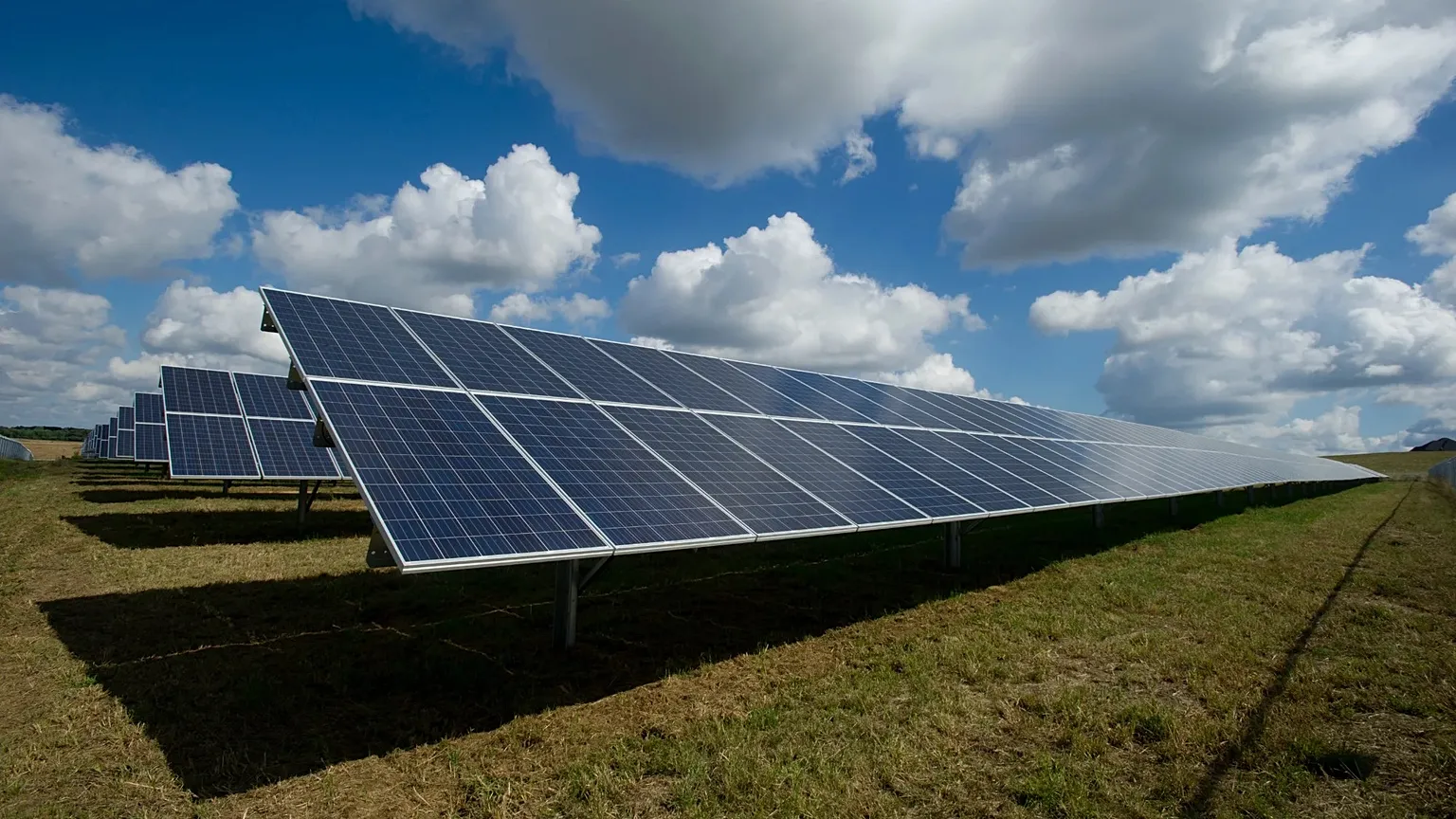
For the first time in an EU agreement of this type, the text contains specific provisions aimed at deepening cooperation and facilitating investment in sustainable energy and raw materials.
Energy and raw materials take priority
Ecuador possesses renewable energy resources and mineral potential but requires capital, technology and infrastructure to develop projects on a larger scale.
European companies could find opportunities in renewable generation, electricity networks, energy efficiency, engineering, environmental services and technologies related to the processing and responsible use of raw materials.
For Ecuador, the objective is not only to attract additional capital but also to connect investment with employment, infrastructure, technology transfer and greater participation in international supply chains.
The agreement is aligned with the EU’s Global Gateway strategy, which supports infrastructure projects in areas including energy, water and sanitation, and waste management.
This connection could facilitate the combination of private investment with development finance, technical assistance and guarantees from European institutions. Such instruments are often necessary for infrastructure projects whose risks or financing periods make them difficult to fund exclusively through commercial channels.
The SIFA nevertheless does not guarantee that announced opportunities will become operating projects. Investors will continue to assess regulatory stability, project economics, access to financing, infrastructure availability, environmental requirements and political risk.
Its effectiveness will therefore be measured by whether the institutional commitments translate into shorter procedures, greater legal clarity and an identifiable pipeline of investable projects.
European investment stock reaches €9.1 billion
The European Union is already one of Ecuador’s leading trade and investment partners. The stock of EU foreign direct investment in the country reached €9.1 billion in 2024, according to the European Commission.
European capital is concentrated in sectors including construction, business services, transport, storage, communications and manufacturing.
The new agreement seeks to build on that presence by making it easier for existing investors to expand and for companies without operations in Ecuador to evaluate entering the market.
It will complement the trade framework that has applied between the two sides since Ecuador joined the EU agreement with Colombia and Peru on 1 January 2017.
That trade agreement gradually opened markets for goods, services, government procurement and investment while introducing rules covering non-tariff barriers, competition, transparency, intellectual property and sustainable development.
The SIFA adds a more specific instrument focused on the practical conditions under which investments are planned, authorised and operated.
Negotiations completed within months
The European Union and Ecuador formally launched negotiations on 10 November 2025 and announced their conclusion on 23 January 2026.
The relatively short negotiating period reflects the interest on both sides in establishing a framework capable of supporting investment at a time of growing competition for capital, technology and strategic resources.
The initiative also forms part of the EU’s Competitiveness Compass, which calls for deeper international partnerships and new mechanisms to help European companies operate abroad.
Ecuador, meanwhile, is seeking to increase foreign investment in order to expand infrastructure, improve productivity and diversify an economy that continues to depend heavily on commodities and traditional exports.
Balancing investment promotion with environmental and social standards will be central to the agreement’s implementation, particularly in energy, infrastructure and raw-material projects.
Approval remains pending
The Commission’s submission does not represent final approval. The Council of the European Union must first authorise the signature of the agreement, after which the text will be sent to the European Parliament.
Only after parliamentary consent and completion of the required procedures can the SIFA enter into force.
The institutional process means that companies should not yet treat the agreement as an operational change to current investment rules. Its presentation to the Council is a political and legal step towards implementation, rather than the start of immediate benefits.
If approved, the agreement could provide a model for similar EU initiatives elsewhere in Latin America. Its broader significance will depend on whether it succeeds in converting regulatory cooperation into additional projects and lasting productive investment.
For European businesses, Ecuador offers opportunities in sectors where financing, technology and infrastructure remain in demand. For Ecuador, the challenge will be to turn improved procedures into investment that expands capacity, generates local value and operates under predictable rules.