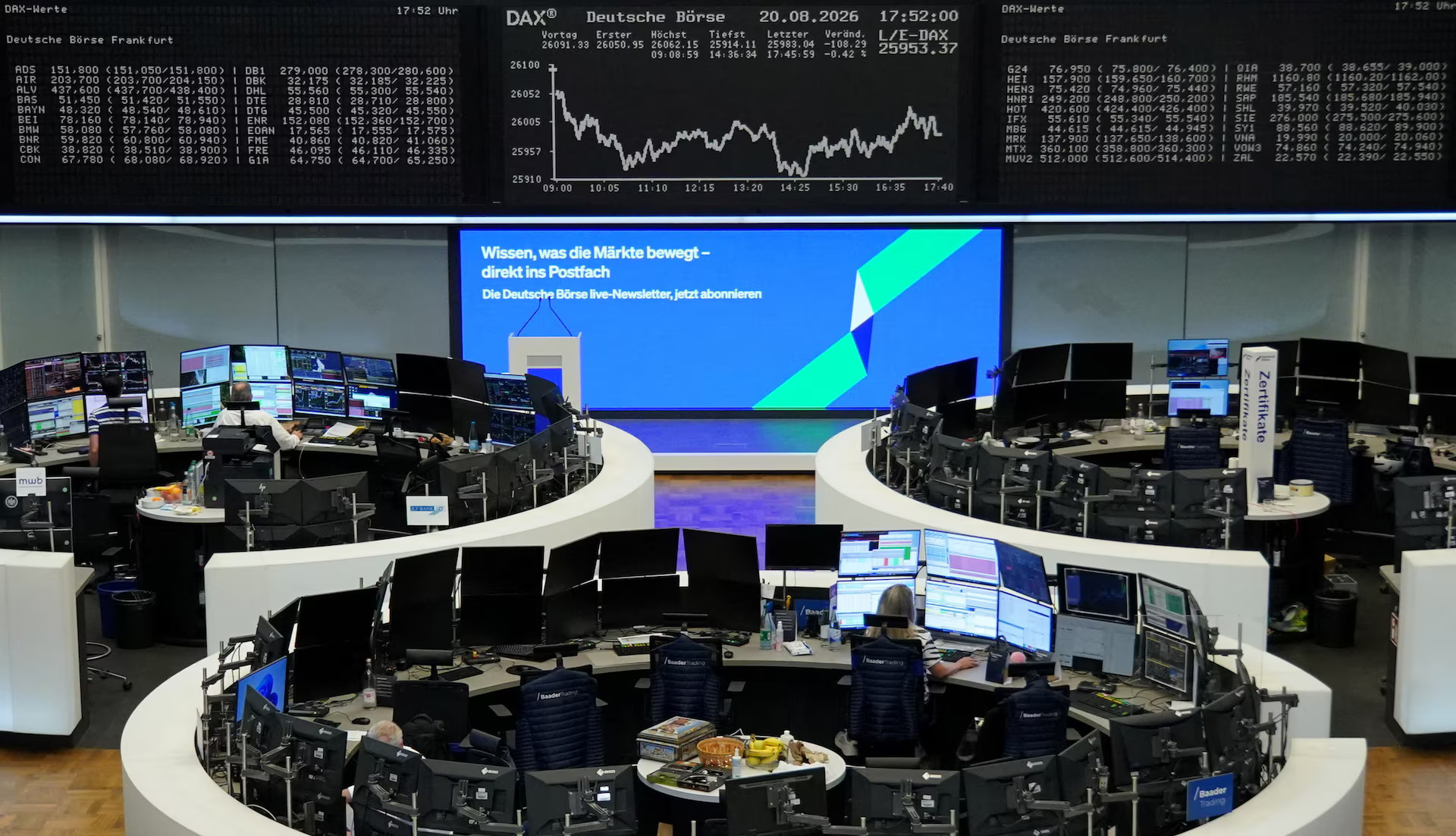
European Investors Push Banks Toward Crypto as Demand for Digital Assets Grows
A growing share of European investors say access to cryptocurrencies could influence their choice of bank, signaling rising pressure on traditional financial institutions to expand digital asset services.

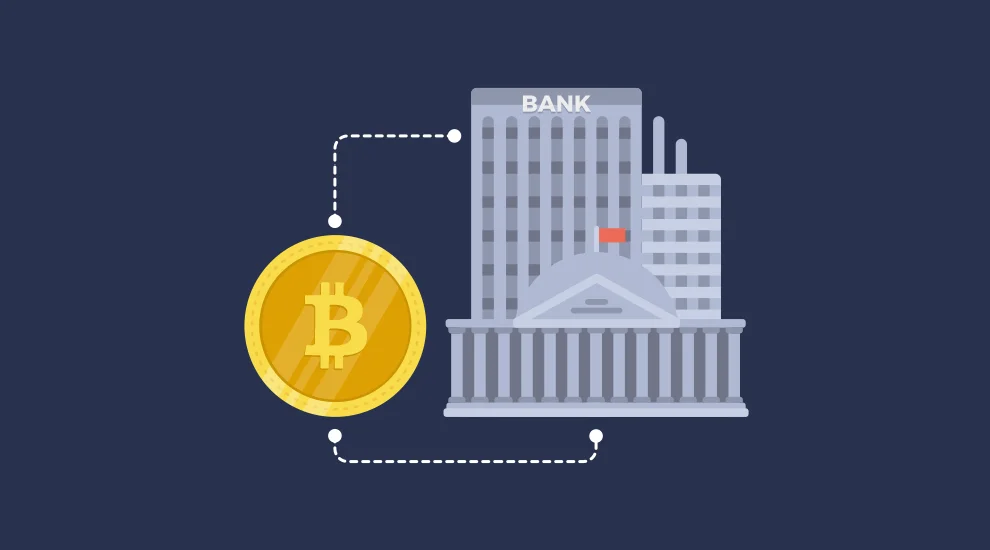
European banks are facing increasing pressure to integrate cryptocurrency services, as a significant portion of investors signal they are willing to switch financial institutions to gain access to digital assets.
Recent industry data indicates that roughly one in three European investors would consider changing banks if it meant easier access to cryptocurrencies such as Bitcoin or Ethereum. The finding highlights a structural shift in customer expectations, particularly among younger and digitally native investors who increasingly view crypto as part of a diversified portfolio.
The trend reflects the growing mainstream acceptance of digital assets across Europe, even as regulatory frameworks continue to evolve. With the European Union advancing its Markets in Crypto-Assets (MiCA) regulation, the environment is becoming more structured, giving both investors and financial institutions clearer rules for participation.
For traditional banks, the challenge is no longer whether to engage with crypto, but how quickly and to what extent. Many institutions have so far taken a cautious approach, citing regulatory uncertainty, volatility and compliance concerns. However, rising client demand is forcing a reassessment of that strategy.
Digital-native banks and fintech firms are already moving faster. By offering integrated crypto trading, custody and wallet services, these players are positioning themselves to capture a new segment of customers who expect seamless access to both traditional and digital financial products.
The shift also has implications beyond Europe. In Latin America, where crypto adoption has grown rapidly in markets facing currency volatility and inflation, demand for accessible digital asset services is already well established. European banks expanding into the region may face competitive pressure to match these expectations.
At the same time, the convergence between traditional finance and crypto is accelerating. Investors are no longer treating digital assets as a niche category, but as part of broader wealth management strategies that include equities, fixed income and alternative investments.
As a result, banks are being pushed to rethink their role — from custodians of traditional assets to platforms capable of supporting a wider range of financial instruments.
Crypto is moving from the margins to the mainstream, and European banks risk losing customers if they fail to keep pace with changing investor demand.