Fashion’s Global Supply Chain Becomes a Geopolitical Test for Europe
From fossil-based fibres and cotton cultivation to manufacturing, logistics and textile waste, every garment connects multiple countries. Europe’s circular ambitions will depend on whether traceability and producer responsibility can extend across that entire network.

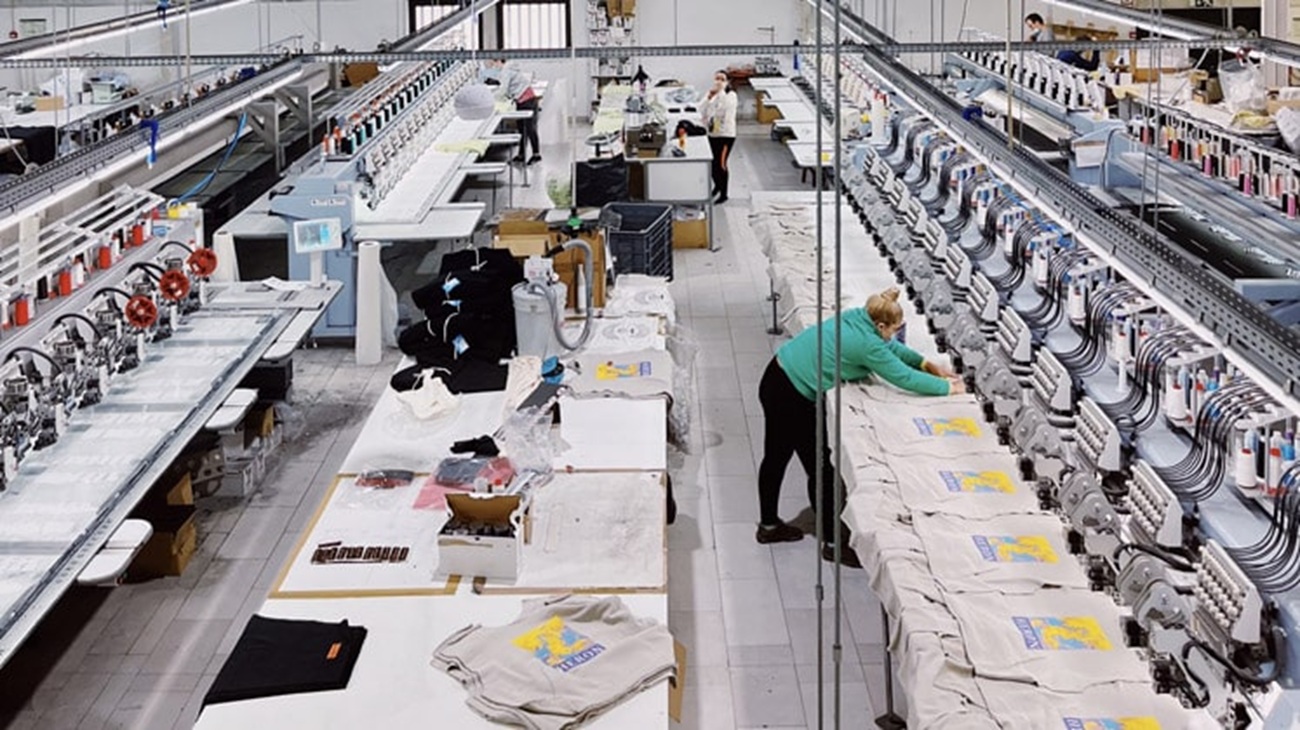
A garment may appear to be a simple consumer product, but its production can involve raw materials, energy, industrial processes and workers distributed across several continents. That complexity is turning fashion into an increasingly important arena for trade policy, supply-chain security and environmental regulation.
Polyester begins with oil and petrochemical processing. Cotton depends on agricultural land, water and fertilisers. Wood-based fibres require forestry and pulp production, while spinning, dyeing, assembly and distribution introduce further layers of suppliers and infrastructure.
The resulting supply chain links different regions according to their industrial strengths. China holds extensive textile and manufacturing capacity, while India, Brazil and the United States are major cotton producers. Bangladesh and Vietnam have developed large garment-manufacturing industries, and countries including Türkiye, Morocco and Tunisia provide geographically closer production alternatives for European brands.
Europe and the United States, meanwhile, remain major centres of consumption. This separation between where garments are produced, purchased and eventually discarded explains why fashion policy can no longer be treated as a purely domestic issue.
An industry exposed to geopolitical disruption
Trade tensions, energy shocks, shipping interruptions and changing tariff regimes can affect the cost and availability of textiles at several stages of production.
A disruption involving oil or petrochemical feedstocks can increase the cost of synthetic fibres. Restrictions affecting fertilisers can influence cotton production, while delays on maritime routes can force brands to carry additional inventory, change suppliers or use more expensive transport alternatives.
The search for greater resilience is therefore encouraging companies to diversify suppliers, shorten selected production routes and improve visibility across their networks. However, moving manufacturing closer to consumers does not automatically make a product sustainable. The environmental result depends on the energy mix, materials, factory standards, transport methods and durability of the final garment.
The garment’s journey continues after the sale
The global movement of clothing does not end when a product reaches the consumer.
Used garments can enter resale networks, be donated, exported, sorted or recycled. Large volumes also reach countries that lack the infrastructure required to process them, transferring part of the industry’s environmental burden to markets outside the regions where the original consumption occurred.
The European Commission estimates that the EU discards around five million tonnes of clothing each year, equivalent to approximately 12 kilograms per person. Only about 1% of the material used in clothing is currently recycled into new garments.
Brussels is responding through its Strategy for Sustainable and Circular Textiles and the Ecodesign for Sustainable Products Regulation. The framework is intended to improve durability, repairability and recyclability while introducing Digital Product Passports and broader producer responsibility.
For companies, the change will require more than adding a label or publishing a sustainability report. Brands will need reliable information about materials, factories, chemical substances, repair options and end-of-life treatment.
Data becomes a competitive requirement
Digital Product Passports could give regulators, businesses and consumers access to information covering a product’s composition, origin and treatment after use. Artificial intelligence may also help companies detect supply-chain risks, forecast demand and reduce excess inventory.
These tools will not make fashion circular on their own. Their value depends on the quality and compatibility of the information supplied by companies across different countries.
The broader challenge is one of governance. A global industry is still being regulated largely through national and regional systems, even though its environmental and social impacts cross borders.
Europe can influence global production through access to its consumer market. However, effective implementation will require cooperation with suppliers, logistics operators, recyclers and governments beyond the EU.
Fashion’s ecological transition is therefore inseparable from its digital and geopolitical transformation. Changing the sector means redesigning not only individual garments, but the international system that produces, transports, sells and ultimately manages them after use.