Germany Approves Fossil Fuel Transition Plan, Reinforces 2045 Net Zero Goal
Germany’s new roadmap to phase out oil, coal and gas by 2045 positions the country as a climate leader ahead of global negotiations, but domestic policy gaps remain.

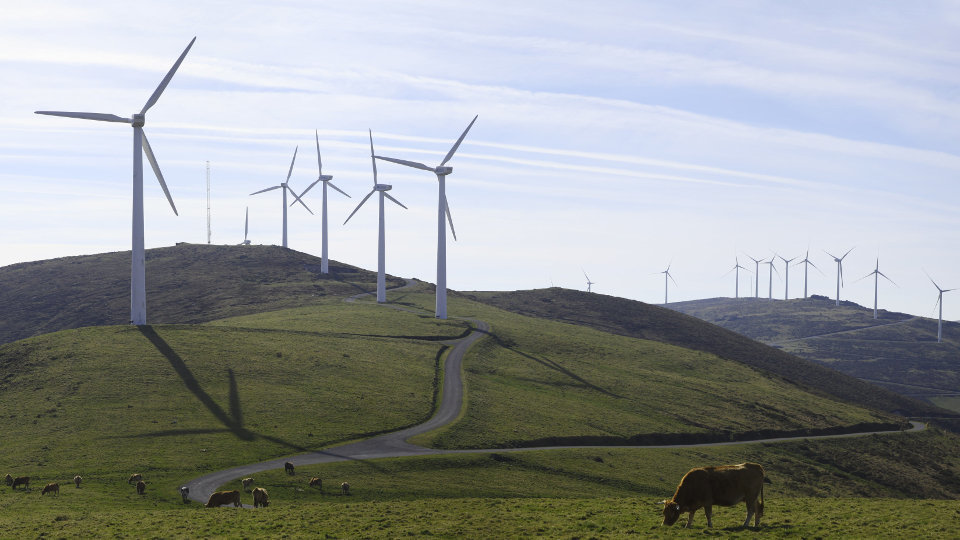
Germany's cabinet has approved a sweeping roadmap to phase out oil, coal and gas across its economy, reaffirming its goal of net zero greenhouse gas emissions by 2045 and raising the stakes for international climate talks.
The plan, adopted on 25 September, aims to transform the energy, industry, buildings and transport sectors. Germany becomes only the third country to present such a comprehensive decarbonisation strategy, following France and the Netherlands, according to Clean Energy Wire.
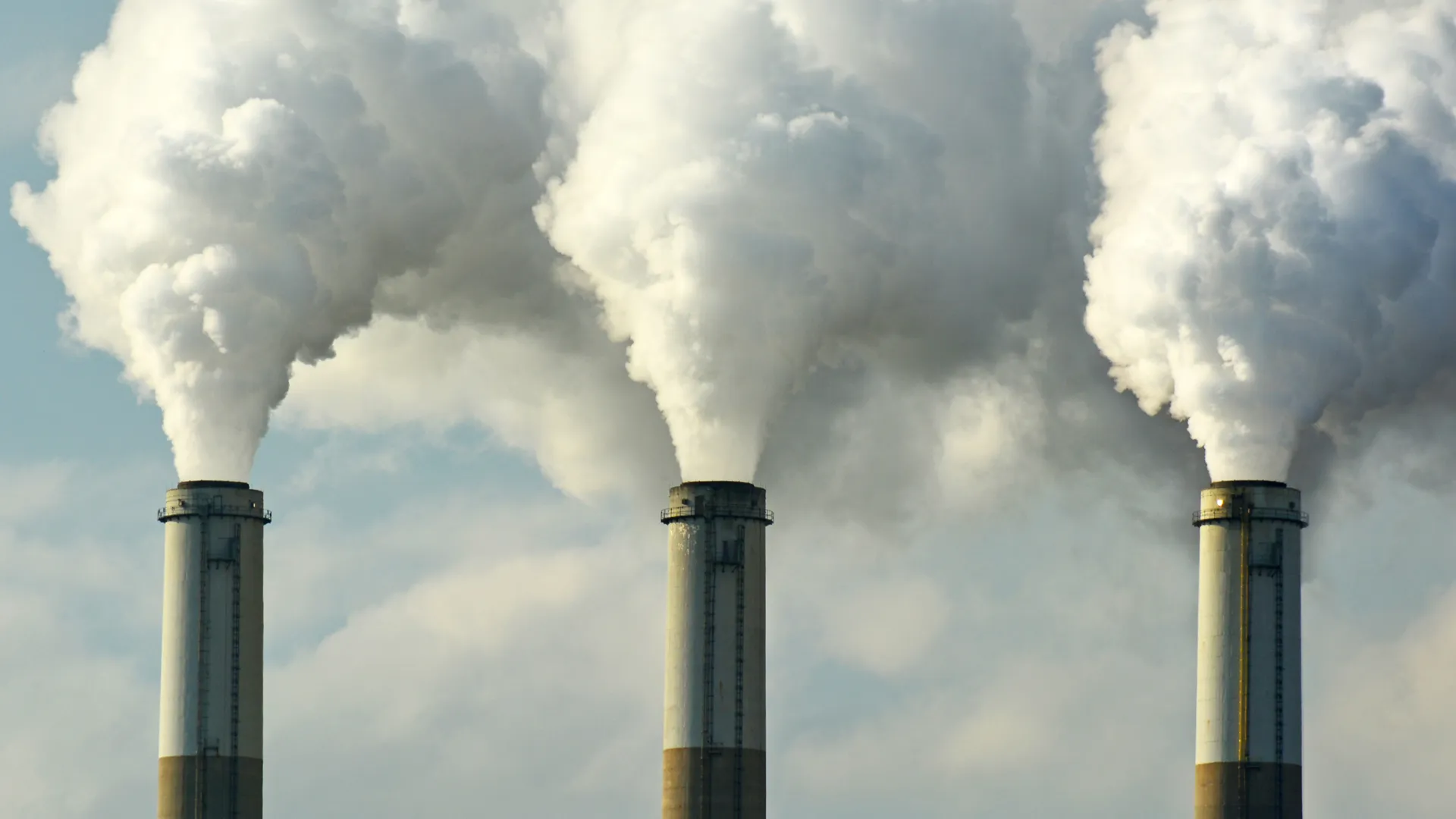
Burning fossil fuels accounted for over 83 percent of Germany's greenhouse gas emissions in 2024, while oil, coal and fossil gas made up more than three quarters of its energy use in 2025. The country's net fossil fuel imports cost about €76 billion last year, highlighting the economic incentive to accelerate the transition.
The roadmap's international impact is significant. As one of the world's largest economies and a key EU member, Germany's plan is expected to influence the global climate agenda and provide a benchmark for other countries, particularly in the run-up to the next UN climate conference.
However, the effectiveness of Germany's climate leadership faces scrutiny. Environmental groups such as Germanwatch and WWF Germany have welcomed the roadmap but warned that current domestic policies, like continued support for new gas-fired power plants, may undermine its ambitions. Ongoing reforms in parliament have also created investment uncertainty in the renewables sector.
Within the government, there are differing views. Environment Minister Carsten Schneider supports the long-term plan, but others, including Chancellor Friedrich Merz, advocate for new gas extraction to bolster energy security. The scheduled phase-out of coal by 2038 remains a critical milestone.
For European and Latin American stakeholders, Germany's transition roadmap could reshape energy markets, spur greater investment in renewables and encourage other countries to adopt similar climate targets. The implications for investors and policymakers include a potential shift away from imported fossil fuels and increased opportunities in clean energy technology and local value chains.
While Germany's leadership may catalyse global action, the gap between international commitments and domestic implementation will be closely watched by negotiators and climate advocates alike.