
Global Brands, Local Rules: Why International Companies Must Adapt to Every Market
Companies that succeed across multiple regions are increasingly those capable of balancing global consistency with local regulations, consumer preferences and cultural expectations.

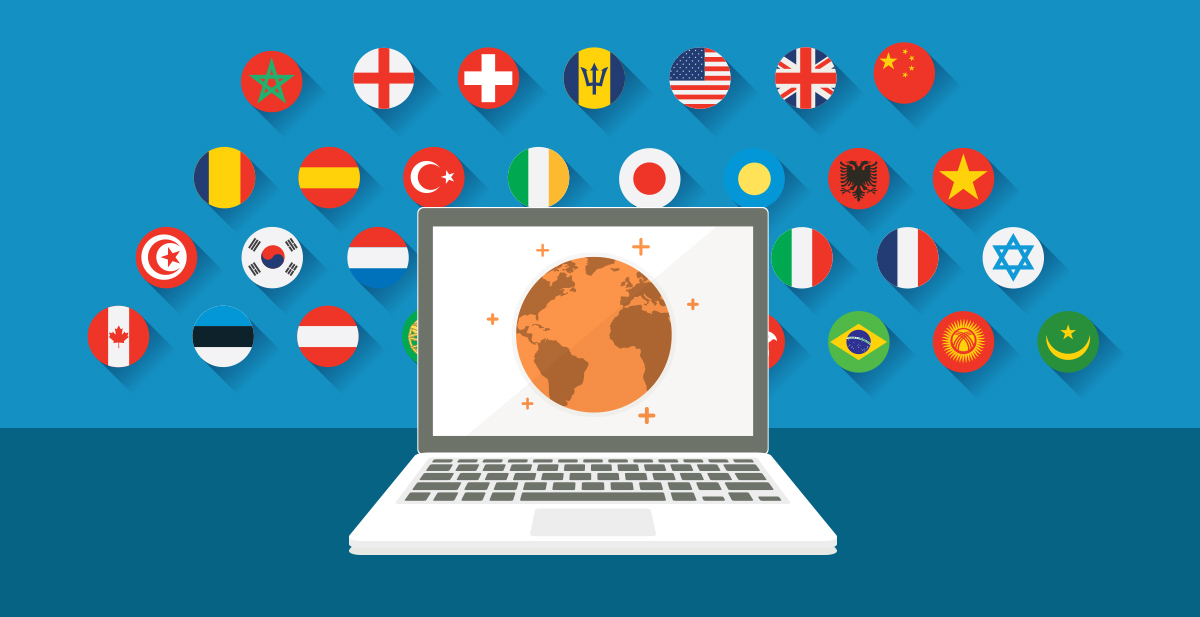
For international companies, global expansion no longer depends solely on offering competitive products or services. Success increasingly relies on the ability to adapt business models, marketing strategies and regulatory compliance to the unique characteristics of each market.
As businesses accelerate their international growth, managing the balance between maintaining a unified global identity and responding to local legal, cultural and commercial realities has become one of the defining challenges of modern business.
Markets around the world differ significantly in consumer behavior, taxation, advertising standards, data protection rules, payment systems and regulatory requirements. Companies that overlook these differences risk slowing expansion, damaging brand reputation or facing costly compliance issues.
For multinational businesses, localization has evolved into a strategic advantage rather than simply an operational necessity.
This process extends well beyond translating websites or adapting marketing campaigns. It includes redesigning customer experiences, integrating local payment methods, complying with national legislation and responding to cultural expectations that vary from one country to another.
Europe offers a clear example of this complexity.
Businesses operating across the European Union must comply with common regulations in areas such as data privacy, consumer protection and digital services, while simultaneously adapting to national laws and market-specific business practices.
Latin America presents a different set of opportunities and challenges.
Although the region offers significant growth potential due to its expanding digital economy and increasingly connected consumer base, companies often encounter diverse regulatory frameworks, tax systems and commercial environments that require country-specific strategies.
Technology has become an essential tool in managing this complexity.
Artificial intelligence, data analytics and digital platforms enable companies to better understand customer behavior, optimize operations and deliver more personalized experiences without sacrificing the consistency of a global brand.
At the same time, businesses are investing more heavily in local partnerships, regional teams and compliance capabilities to strengthen market positioning and respond more quickly to regulatory changes.
The growing importance of localization is also reshaping investment decisions.
Companies increasingly evaluate not only market size but also regulatory stability, digital infrastructure, consumer trends and ease of doing business before entering new countries.
For Europe and Latin America, stronger economic integration is creating additional opportunities for international brands willing to adapt to local realities while leveraging global expertise.
As trade, digital services and cross-border investment continue to expand, companies capable of combining international standards with local relevance are likely to enjoy a significant competitive advantage.
Ultimately, globalization is no longer about offering the same product everywhere.
It is about building flexible business models that respect local markets while maintaining the trust, quality and consistency that define global brands.
In an increasingly interconnected economy, the companies that thrive will be those that understand a simple principle: global ambition succeeds only when supported by local execution.