InnoTrans 2026: Rail Market Grows, But Europe Faces €6.8bn Threat Amid Geopolitical Risks
Founders of InnoTrans 2026 forecast robust global rail growth but warn that geopolitical instability and declining market access could cost European suppliers €6.8bn.
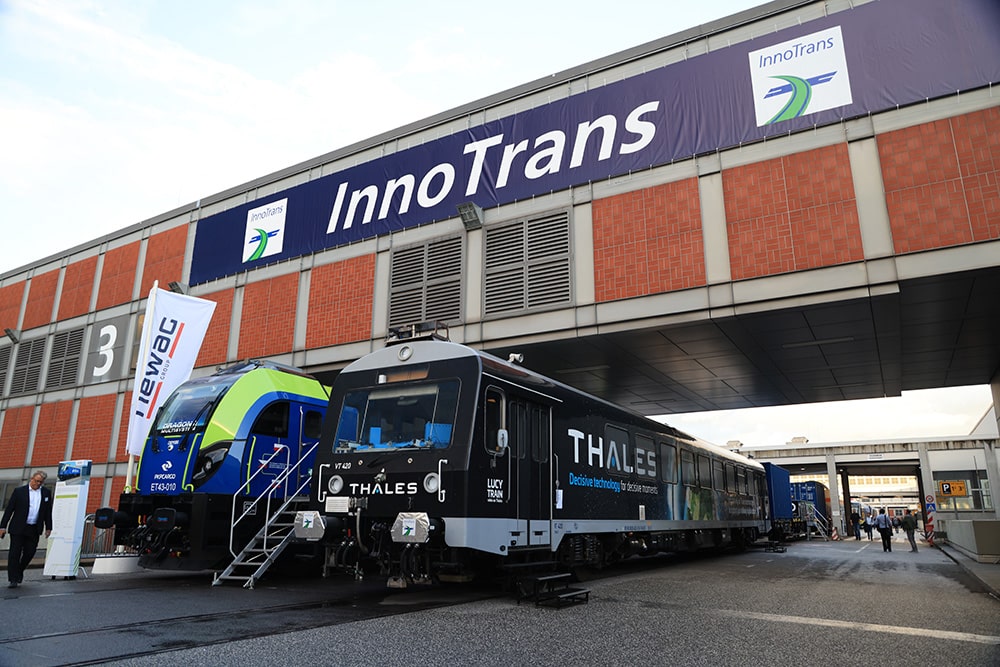
InnoTrans 2026 is set to open in Berlin with the event’s founding associations projecting continued expansion for the global rail industry, but warning that Europe risks losing ground amid intensifying geopolitical instability.
The global rail market is expected to grow by 4.6% annually, reaching nearly €221 billion between 2023 and 2025, according to data from UNIFE, the European rail supply industry body. UNIFE forecasts that annual growth will continue at 3.2%, pushing the market to €267 billion by 2029–31.
Despite this optimistic outlook, European industry leaders including VDB (Germany’s rail supply association), VDV (transport operators’ group), ZVEI (electrical and digital industry), and DVF (German Transport Forum) are raising concerns that Europe’s share of the global market is slipping. The accessible market for European suppliers is projected to fall from 59% in 2024 to 56% in 2026, equating to an estimated €6.8 billion in lost opportunities.
Executives cite geopolitical instability and rising international competition as key threats, with supply chain disruptions and restrictive trade policies eroding European firms’ ability to compete abroad. This decline in market access comes as the sector is increasingly seen as strategic, both for technological leadership and for meeting climate and industrial policy goals.
The warnings from InnoTrans founders underscore the need for Europe to accelerate deployment of new technologies, including digitalisation and automation, to keep pace with rival regions. Without a stronger focus on innovation and local manufacturing, the EU risks ceding ground to non-European suppliers, potentially increasing reliance on foreign technology.
For European rail suppliers and policymakers, the challenge is twofold: capitalising on global market growth while responding to the concrete threat of lost revenue and diminished influence. The outcome will have implications for jobs, investment, and Europe’s role in the global transition to sustainable transport.