Barilla invests €100 million in new integrated pasta hub in southern Italy
The project will add a next-generation mill to the company’s existing pasta factory in Foggia between 2028 and 2030. The wider industrial plan also includes negotiations to transfer three other Italian facilities to specialised partners.

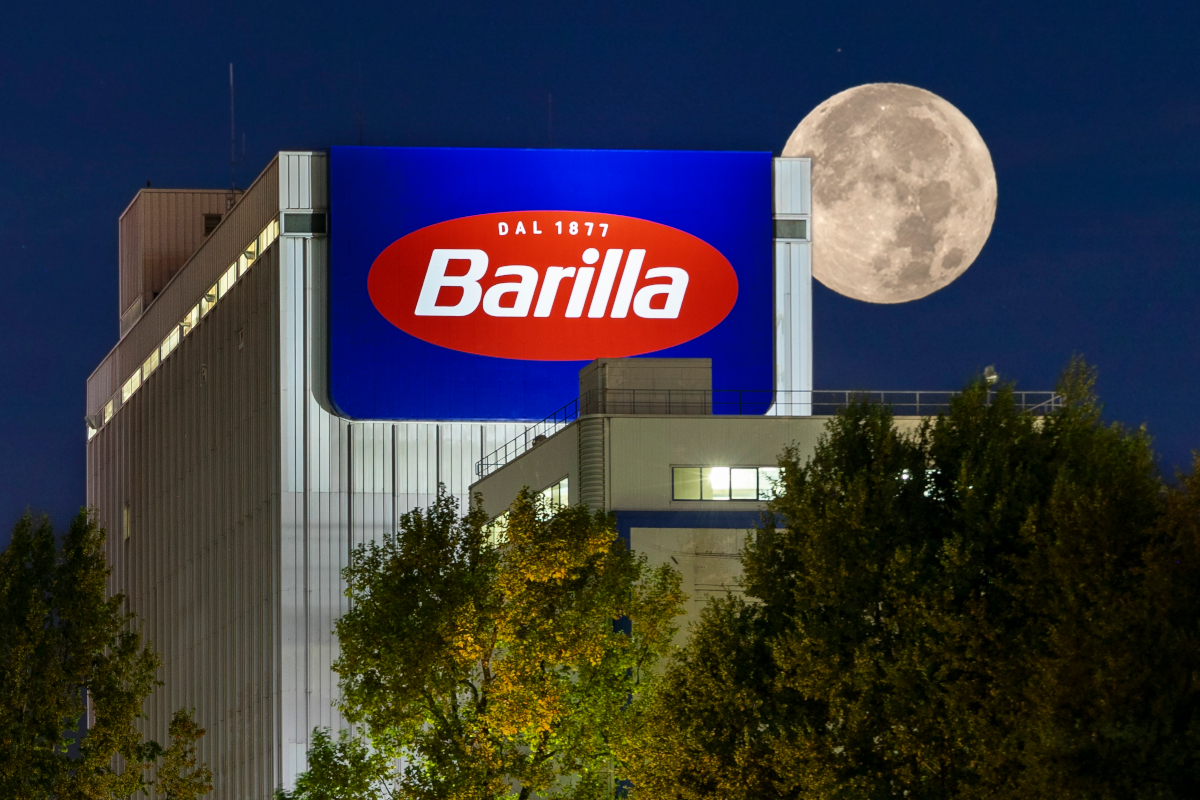
Barilla will invest €100 million to develop an integrated pasta production hub in Foggia, in the southern Italian region of Puglia, as part of a broader reorganisation of its manufacturing operations.
The project will combine the company’s existing pasta factory with a new-generation mill designed to supply semolina directly to the production lines. Development is expected to take place between 2028 and 2030, with the company also planning to create new jobs at the site. The number of additional positions has not yet been disclosed.
By connecting grain processing and pasta manufacturing at the same location, Barilla aims to reduce logistical complexity, improve production efficiency and strengthen control over a central part of its supply chain.
Foggia is located in one of Italy’s main durum wheat-producing regions, giving the new hub access to an agricultural base closely connected to the pasta industry. The investment will position the site as one of Barilla’s strategic production centres in Italy.
A wider reorganisation of Italian manufacturing
The Foggia investment forms part of a new industrial plan for central and southern Italy. Alongside the construction of the mill, Barilla is negotiating the transfer of three existing facilities to companies specialising in pasta and grain processing.
Pastificio Liguori has submitted a proposal to acquire Barilla’s pasta factory in Marcianise, in the province of Caserta. Separately, Molino Casillo is in advanced talks to purchase the company’s mills in Altamura, in Puglia, and Castelplanio, in the Marche region.
The transactions have not yet been completed. Barilla said the preservation of production and employment at all three facilities is a fundamental condition for any agreement.
The prospective buyers have expressed their intention to retain the existing workforces, industrial knowledge and productive roles of the sites. Barilla has also started discussions with trade unions over the implications of the restructuring plan.
Even if the ownership changes, the facilities would remain connected to Barilla’s supply chain. Under the proposed structure, the new owners would continue producing goods for the group through multi-year supply agreements.
The model would allow Barilla to concentrate direct investment on Foggia while relying on specialised industrial partners to operate other plants without interrupting production.
Foggia becomes a strategic pasta centre
The planned mill is intended to process durum wheat into semolina, the main raw material used in dry pasta. Integrating this stage with the existing factory could reduce the movement of intermediate products between different locations and improve coordination between milling, manufacturing and logistics.
Giovanni Palopoli, Barilla’s head of Meal Solutions operations, said the creation of the Foggia hub responds to the company’s need to improve its logistical and production efficiency while maintaining its industrial presence in southern Italy.
The project is also expected to incorporate more modern technology and sustainability measures. Although Barilla has not released detailed capacity or emissions targets, the group said the investment is intended to improve the environmental and operational performance of its manufacturing network.
Food producers across Europe are reviewing their industrial structures as they contend with volatile agricultural prices, energy costs, changing consumer demand and pressure from retailers. Pasta manufacturing is particularly exposed to fluctuations in durum wheat prices and to competition in a market where operating margins can be narrow.
Barilla’s strategy combines increased investment at a priority location with the transfer of other assets to companies already active in the same industrial segments.
Investment follows continued international growth
The Italian family-owned group reported consolidated revenue of €4.837 billion in 2025 and employed 8,823 people worldwide. Its portfolio includes pasta, sauces, bakery products and crispbread sold through brands including Barilla, Mulino Bianco, Pan di Stelle, Wasa, Pavesi and Voiello.
The Foggia announcement follows another major manufacturing commitment by the company in the United States. Earlier in 2026, Barilla unveiled a two-phase expansion of its plant in Avon, New York, involving new production and packaging lines, additional warehousing capacity and more than 90 planned jobs.
Together, the projects reflect a wider effort to modernise production, increase capacity in strategic markets and shorten supply chains.
In Italy, however, the plan carries an additional regional dimension. The €100 million Foggia investment will reinforce Barilla’s manufacturing presence in the country’s south while reshaping how its remaining facilities participate in the group’s supply network.
The outcome will depend on the completion of negotiations with Liguori and Casillo and on the employment guarantees attached to the proposed transfers. If those conditions are met, Barilla will emerge with a more concentrated production system centred on Foggia and supported by long-term supply agreements with specialised partners.