Italy Secures EU Deal to Cut Electricity Prices, Bolstering Meloni's Energy Agenda
Italy has reached an EU-backed agreement to lower electricity prices, strengthening Prime Minister Giorgia Meloni’s position as the country faces high fossil fuel costs.

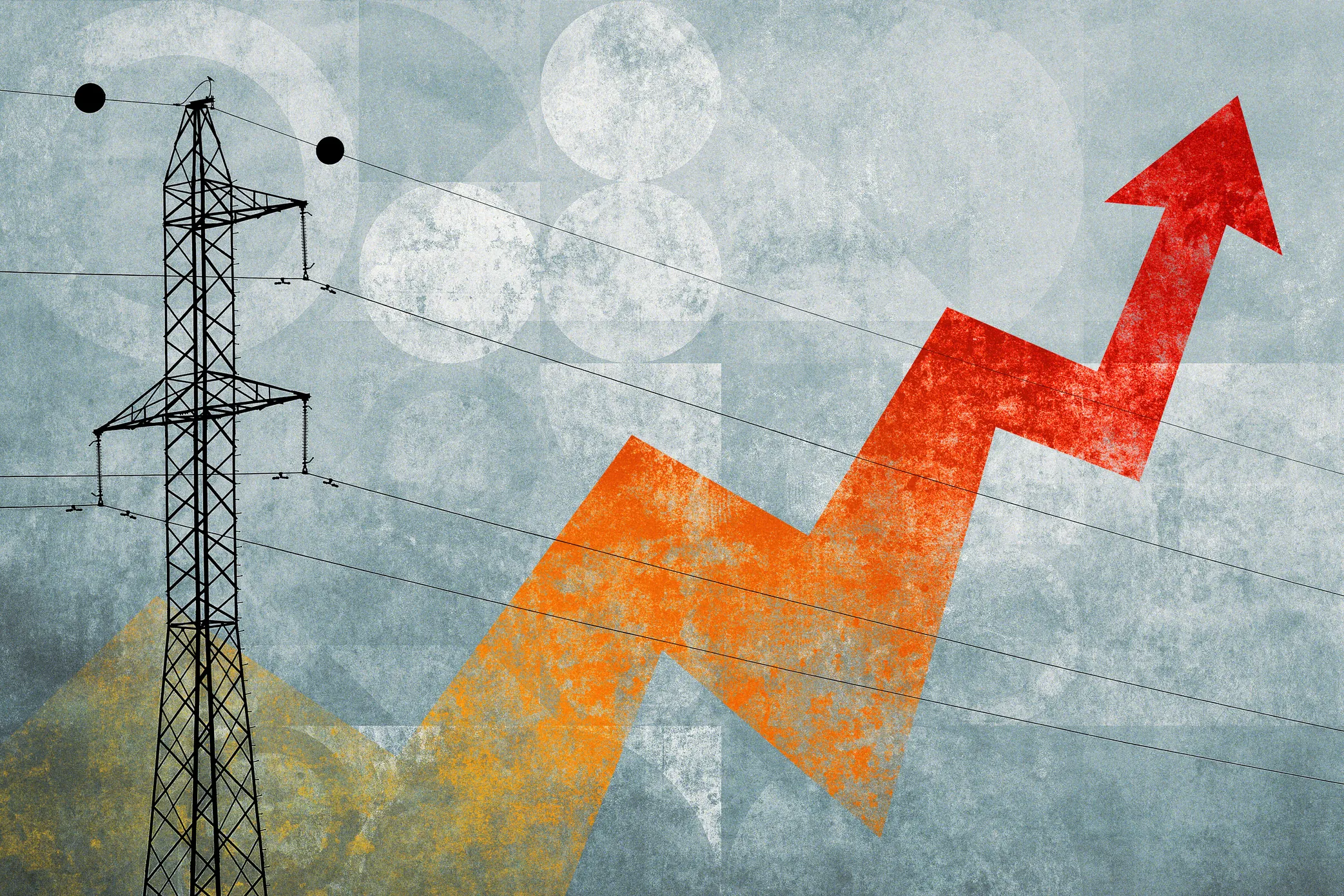
Italy has reached a deal with the European Union to lower electricity prices, a move seen as a significant political win for Prime Minister Giorgia Meloni as the country grapples with persistently high fossil fuel costs.
The agreement, which comes amid broader concerns over energy affordability, is expected to ease the financial burden on Italian consumers and businesses. This reduction in electricity prices could boost economic stability and improve Italy’s competitiveness within the EU single market.
Rising fossil fuel costs have placed renewed pressure on Italy’s energy infrastructure and policy direction. The EU-backed deal is viewed as a response to these challenges, providing immediate relief while opening the door for longer-term reforms in Italy’s energy sector.
For Italian companies, lower electricity costs could translate into reduced operating expenses, supporting industrial activity and export competitiveness. Consumers are also set to benefit, with household budgets under less strain from utility bills.
The agreement may prompt other EU member states to pursue similar deals, particularly as energy prices remain volatile across the bloc. Analysts suggest that the Italian approach could serve as a template for coordinated policy responses to energy market instability within Europe.
However, the deal carries risks, including potential backlash from fossil fuel suppliers and the prospect of ongoing market volatility. The long-term impact on Italy’s energy independence and fossil fuel dependency will depend on the specifics of the measures implemented under the agreement.
Observers note that Italy’s success in securing this deal positions it as a potential leader in future EU energy policy discussions, especially around balancing affordability, security, and sustainability.