LATAM Cargo Reports 150% Surge in Pharma Shipments Between Europe and Brazil
LATAM Cargo’s pharmaceutical air freight between Europe and Brazil surged 150% in early 2026, defying a flat global market and underscoring the growing demand for high-value medical logistics.

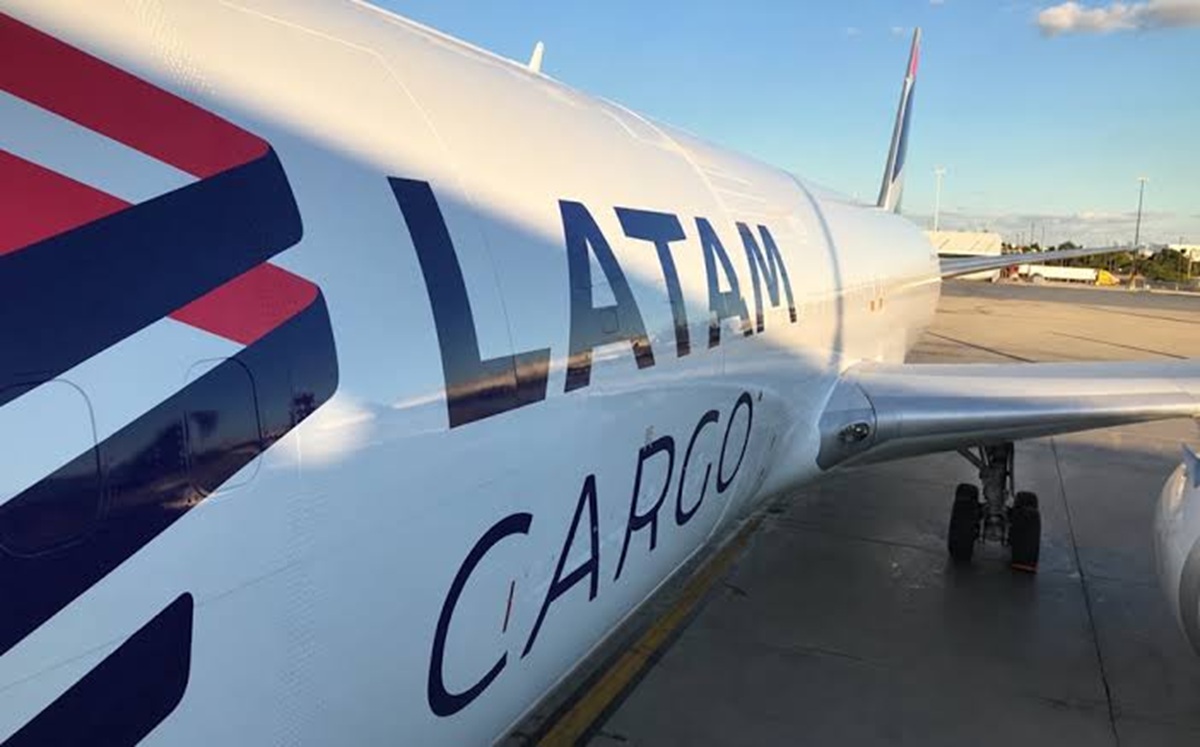
LATAM Cargo has reported a 150% increase in pharmaceutical air cargo shipments between Europe and Brazil in the first seven months of 2026. The surge stands in contrast to a generally flat global pharmaceutical air freight market, highlighting a unique growth corridor for the industry.
The carrier moved nearly 32,000 tonnes of cargo between the two regions during the period, marking a 27% year-on-year increase. Pharmaceuticals, particularly GLP-1-based medications, were a major driver of this growth, accounting for around 15% of LATAM Cargo’s total Europe-Brazil volume.
Jorge Carretero, cargo sales manager Europe at LATAM Airlines Group, attributed the increase to rising demand for high-value, temperature-sensitive medicines, especially GLP-1 products. The development has further cemented Brazil’s status as a key destination for life sciences logistics in Latin America.
The trend has significant implications for both European exporters and Brazilian importers. For Europe, the demand underscores the importance of maintaining qualified routes and investing in specialized cold chain infrastructure to support pharmaceutical supply chains. For Brazil, the growth may enhance the country’s role as a regional hub for medical products, supporting healthcare access and driving investment in logistics services.
DHL Global Forwarding has also responded by expanding its Health Logistics Cold Chain Network to accommodate increased flows of pharmaceutical products, reflecting broader sector momentum.
Despite the strong performance on the Europe-Brazil route, Maarten Wormer, head of consulting at Aevean, noted that the global pharmaceutical air freight market remains flat. This suggests that the surge in LATAM Cargo’s pharma volumes is driven by specific regional factors, rather than a worldwide uptick in demand.
The expansion of pharmaceutical shipments presents both opportunities and challenges for the logistics sector. Continued growth may encourage further investment in specialized handling, training, and compliance with regulatory standards. However, as supply increases, competition from alternative transport modes could intensify, and operators will need to ensure high standards to retain market share.
For investors and industry stakeholders, the data points to a resilient and evolving trade lane between Europe and Brazil—one that is likely to remain a focus for logistics innovation and regulatory attention in the coming months.