Latin America Feels the Middle East Shock Through Inflation, Not Oil Supply Risk
The war in the Middle East is having a more limited direct energy impact on Latin America than on other emerging regions, but higher fuel costs are feeding inflation and complicating monetary policy across the continent.

Latin America is proving more insulated than many other emerging markets from the immediate supply-side effects of the conflict in the Middle East. The region’s lower dependence on hydrocarbons from that part of the world has helped shield it from the kind of acute energy disruption that has unsettled other economies.
That relative protection comes from geography as much as from trade structure. Most of the hydrocarbons imported by Latin American countries come from the United States or from within the region itself, while flows from the Middle East remain limited. Several economies, including Argentina, Brazil, Colombia and Ecuador, also benefit from being net exporters of crude.
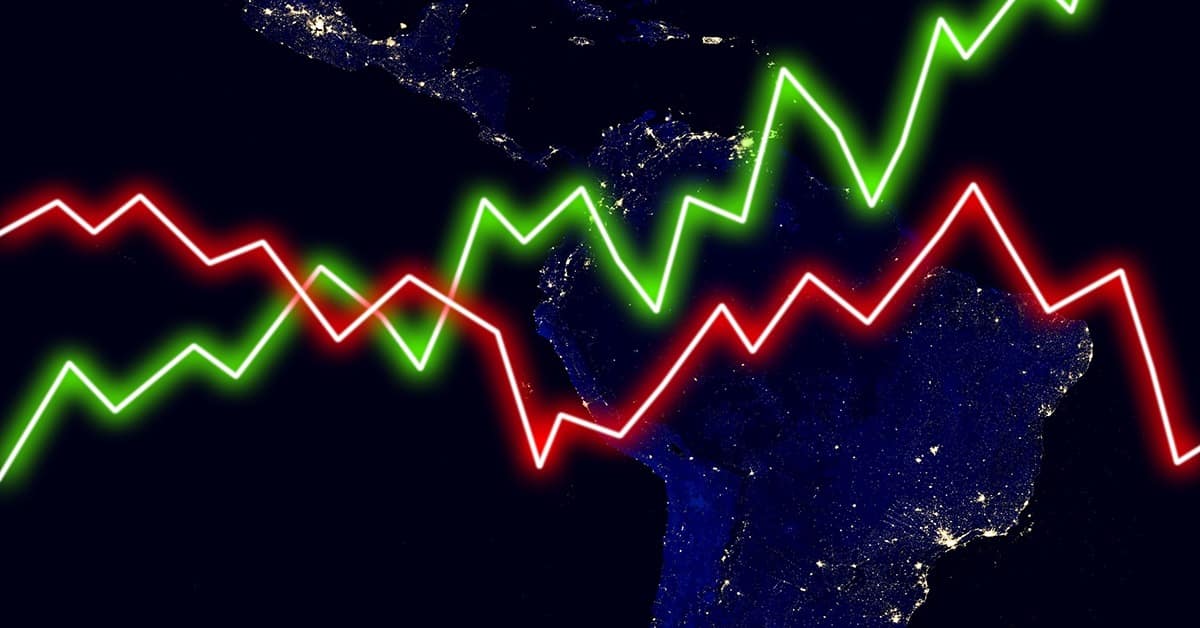
As a result, financial markets have so far reacted with relative calm. Major Latin American currencies have shown only modest movements since the escalation of the conflict, especially when compared with the sharper volatility seen in more exposed emerging economies. Even so, the war has interrupted the appreciation trend that some regional currencies had been enjoying against the dollar since early 2025.
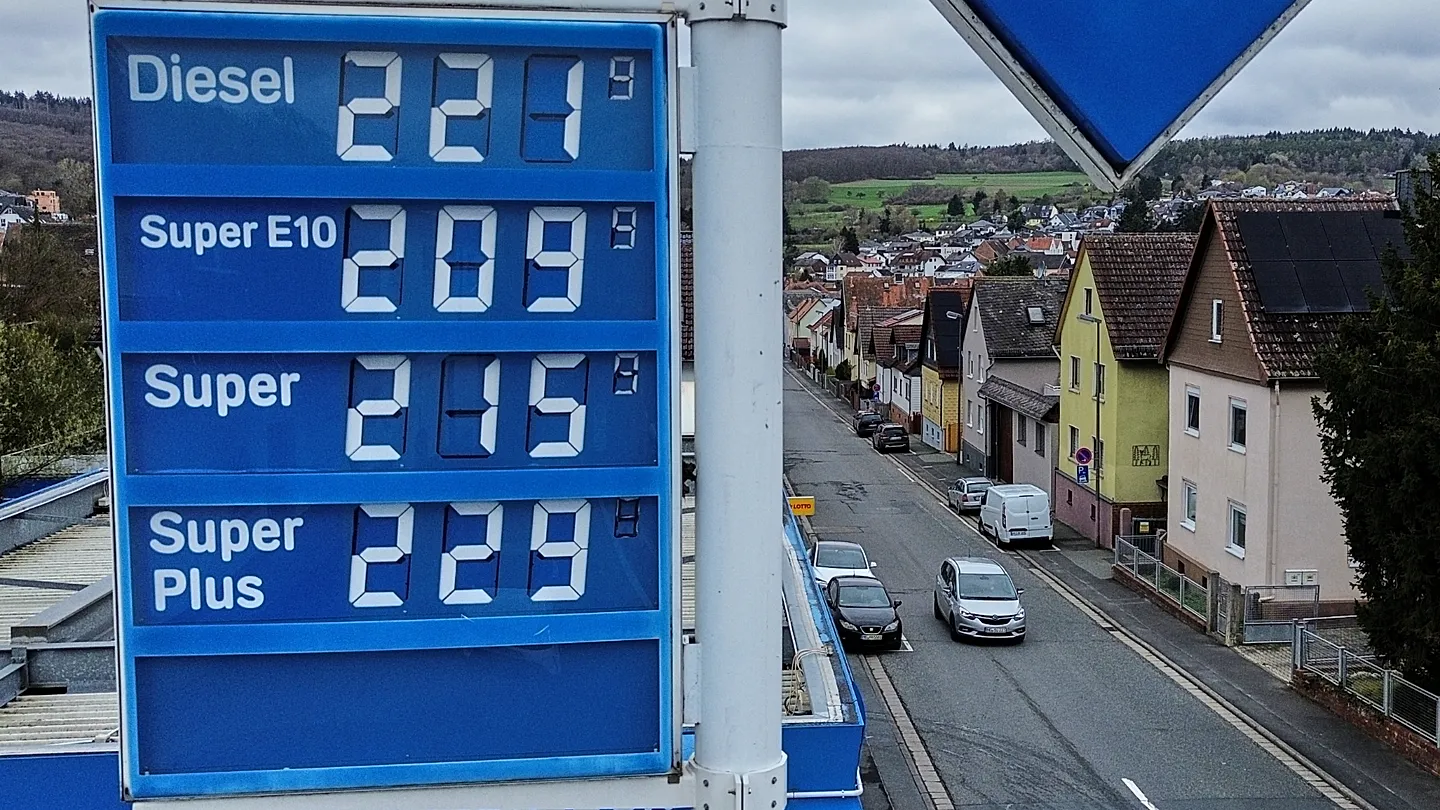
The real vulnerability lies elsewhere: not in crude supply, but in refined fuel. Even countries that export hydrocarbons often lack sufficient domestic refining capacity, leaving the region structurally dependent on imports of gasoline, diesel and other petroleum products. That makes Latin America more exposed to price swings in refined energy than to outright shortages of crude.
This distinction matters for the macroeconomic outlook. Higher prices for refined fuels feed directly into import costs and weigh on external accounts, particularly in countries that are already net energy importers. Chile, Peru, Uruguay, much of Central America, and to a lesser extent Mexico, are among the economies most sensitive to this pressure, even if some of them can partly offset the shock through commodity exports such as copper, gold or crude oil.
Chile and Uruguay have emerged as two of the most exposed cases, reflecting their wider energy deficits and the impact of higher import bills. That helps explain why their currencies have been among the weakest in the region since the conflict intensified.
For Europe, the Latin American picture carries a different message than the one emerging from Asia or parts of Africa. The region is not facing a severe hydrocarbon supply emergency, but it is entering a more inflationary phase that could affect demand, interest rates and investment conditions. For European businesses and investors with exposure to Latin America, that means the main risk is not energy scarcity, but tighter financial conditions and slower domestic consumption.
Fiscal policy is adding to that pressure. Most governments in the region, with Brazil as a partial exception, have shown little appetite or room to shield households from higher fuel prices through subsidies. Instead, they are allowing a larger share of the energy shock to pass through to consumers, reflecting both financing constraints and a desire to preserve policy credibility.
That passthrough is already showing up in inflation data, particularly through transport costs. After a long disinflation trend that had supported easier monetary policy in several countries, the new energy shock is now threatening to reverse part of that progress.
Central banks are responding cautiously. In Chile and Peru, the rate-cutting cycle appears to have reached its limits. Mexico still has some room for one final cut if external conditions stabilize, while Brazil may continue easing at a slower pace than initially expected. Colombia stands apart as the regional economy most likely to tighten policy again if inflation pressures persist.
Latin America is not being hit by the Middle East conflict in the same way as more energy-dependent regions. But that does not mean the region is escaping the shock. It is absorbing it through inflation, currency pressure and a more complicated policy mix — all of which matter for European companies, investors and trade partners operating across the Atlantic.