
Latin American Coffee and Cocoa Producers Urge More Flexible EU Sustainability Rules
Farmers and cooperatives across Latin America are calling on the European Union to adopt a more tailored approach to sustainability regulations, arguing that current requirements risk creating barriers for small producers despite shared environmental objectives.

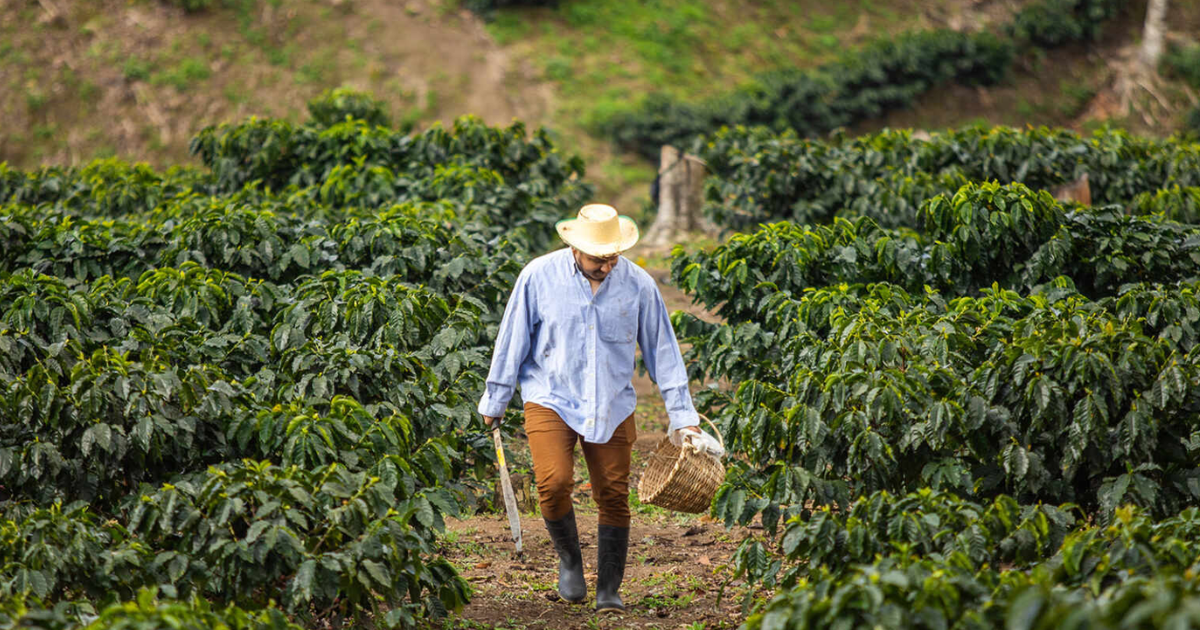
As the European Union advances some of the world’s most ambitious sustainability and supply chain regulations, coffee and cocoa producers in Latin America are warning that a one-size-fits-all approach could unintentionally exclude thousands of small farmers from global markets.
Representatives from farming communities and producer organizations across the region argue that while they support efforts to combat deforestation, improve traceability and strengthen environmental standards, implementation challenges remain significant for small-scale agricultural operations.
The debate is increasingly focused on the practical impact of regulations such as the EU Deforestation Regulation (EUDR), which requires companies placing products on the European market to demonstrate that goods are not linked to deforestation or forest degradation.
For many producers, compliance represents both an opportunity and a challenge. Access to the European market can provide higher-value export opportunities, but meeting new documentation, monitoring and traceability requirements often requires financial resources and technical capabilities that are not readily available in rural communities.
Coffee and cocoa are among the most important agricultural exports for several Latin American economies. Millions of livelihoods depend on these sectors, particularly in countries where smallholder farmers account for a significant share of production.
Producer groups are therefore advocating for regulatory frameworks that recognize local realities and differences between farming systems. They argue that sustainability goals can be achieved more effectively through collaboration, technical assistance and capacity building rather than through uniform compliance requirements applied across diverse regions.
The discussion highlights a broader challenge facing international trade: how to balance environmental objectives with economic inclusion and development opportunities for producers in emerging markets.
European policymakers maintain that stronger sustainability standards are necessary to support climate goals, protect biodiversity and improve transparency throughout global supply chains. However, industry stakeholders increasingly emphasize the need to ensure that smaller producers are not disproportionately affected by compliance costs.
Development organizations and trade experts have also called for greater cooperation between Europe and producing countries to facilitate implementation, improve access to technology and strengthen traceability systems.
For European companies sourcing coffee and cocoa, the transition creates both risks and opportunities. Businesses are under growing pressure to demonstrate sustainable sourcing practices while maintaining stable supply chains and supporting producer communities.
The outcome of these discussions could have long-term implications for agricultural trade between Europe and Latin America, particularly in sectors where sustainability requirements are becoming a central component of market access.
Latin American coffee and cocoa producers support stronger sustainability standards but are urging the European Union to adopt more flexible and inclusive implementation mechanisms that reflect the realities of small-scale agriculture and preserve access to international markets.