Norway Doubles Down on Oil and Gas as Europe Searches for Secure Energy Supply
Europe’s largest gas supplier is reinforcing offshore production as energy security returns to the center of the continent’s economic and industrial strategy.

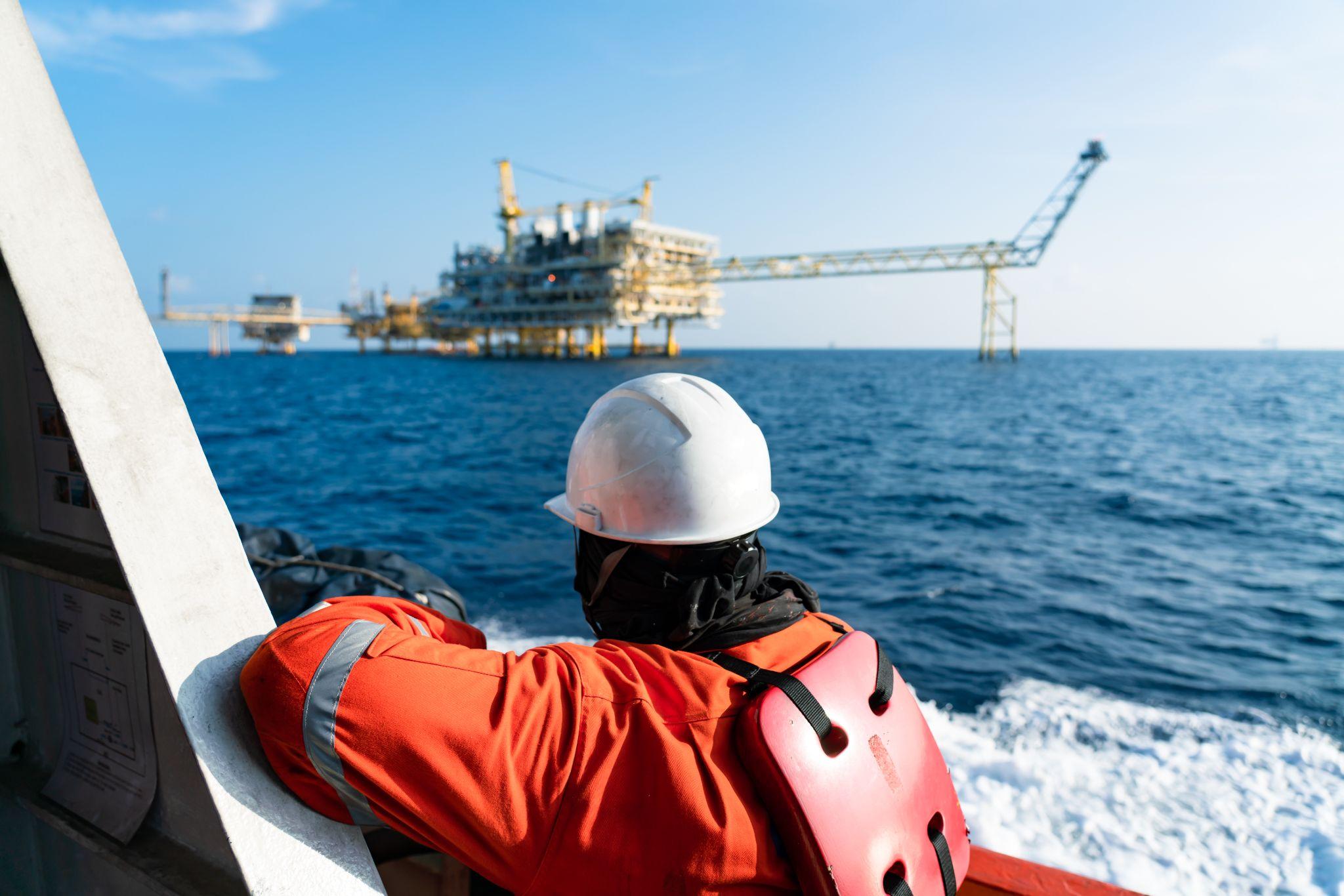
Norway is strengthening its oil and gas strategy as Europe continues searching for secure energy supply amid geopolitical instability and volatile global markets.
The country has become one of Europe’s most important energy partners since Russia’s invasion of Ukraine reshaped the continent’s gas market. With Russian pipeline gas sharply reduced, Norwegian production has gained strategic relevance for European households, industry and power generation.
Oslo is now moving to maintain and expand offshore production, including plans to reopen three North Sea gas fields by 2028: Albuskjell, Vest Ekofisk and Tommeliten Gamma. The decision is aimed at supporting European supply stability at a time when conflicts in Ukraine and the Middle East continue to pressure energy markets.
The strategy also reflects Norway’s broader economic model. Oil and gas remain central to national revenues, employment and the country’s sovereign wealth fund, while companies operating offshore continue investing heavily in exploration, maintenance and field development.
Equinor, Norway’s state-backed energy giant, has committed major annual investment in offshore oil and gas through 2035, reinforcing the view that Norwegian hydrocarbons will remain critical to Europe’s energy mix even as renewable energy grows.
For Europe, Norway offers something increasingly valuable: a politically stable and geographically close supplier of gas and oil. That reliability has become essential as governments try to reduce exposure to Russian energy, manage price volatility and protect industrial competitiveness.
The strategy is not without controversy. Environmental groups argue that new oil and gas investment conflicts with climate goals and risks delaying Europe’s transition away from fossil fuels. Norway, meanwhile, presents its approach as a balance between energy security and decarbonization, with strong domestic renewable power generation and investment in cleaner technologies.
The tension highlights Europe’s central energy dilemma. The continent wants to accelerate the transition to renewables, but still needs reliable gas supply to stabilize grids, support industry and avoid price shocks during periods of geopolitical stress.
For international markets, Norway’s position shows how energy security has become a defining issue in economic policy. Fossil fuels remain politically sensitive, but secure supply continues to shape inflation, industrial strategy and geopolitical alignment.
Norway’s renewed push into oil and gas underscores Europe’s difficult energy balance: reducing fossil fuel dependence while still relying on stable suppliers to protect economic security during a turbulent geopolitical cycle.