Polish Defence Minister Urges ‘War-Mode’ Shift as Europe Lags Russia in Arms Production
Poland’s Władysław Kosiniak-Kamysz has called for urgent, unified ‘war-mode’ defence production in Europe, warning that current output is far below Russia’s and leaves the continent exposed.
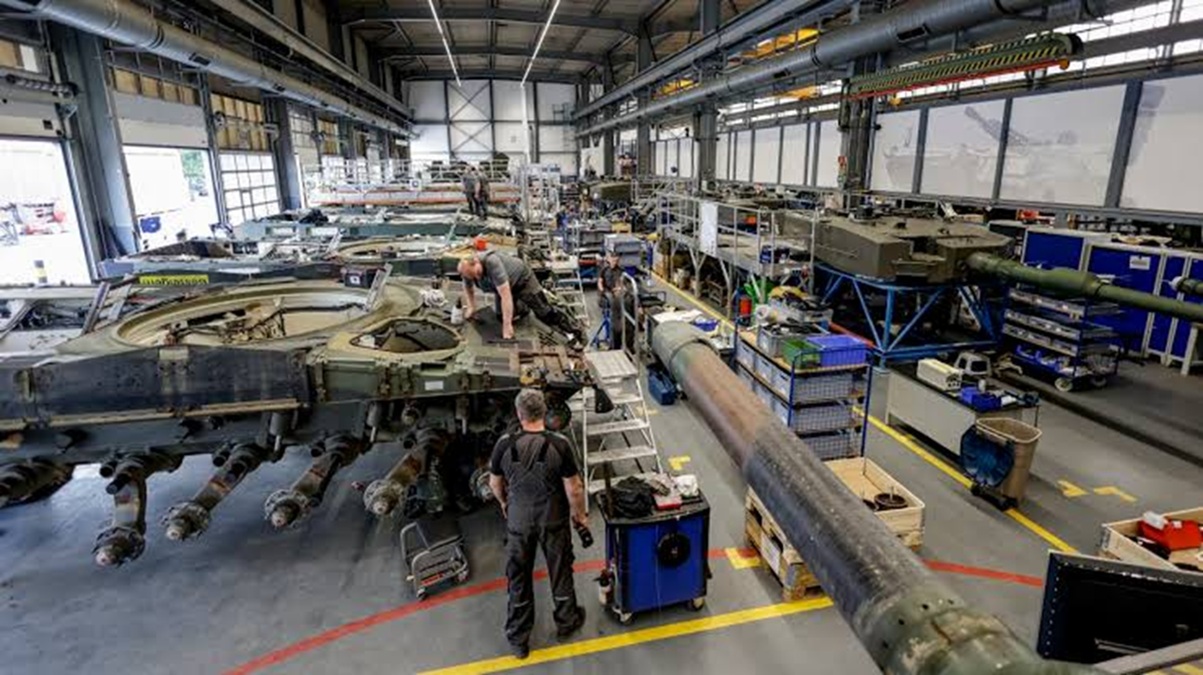
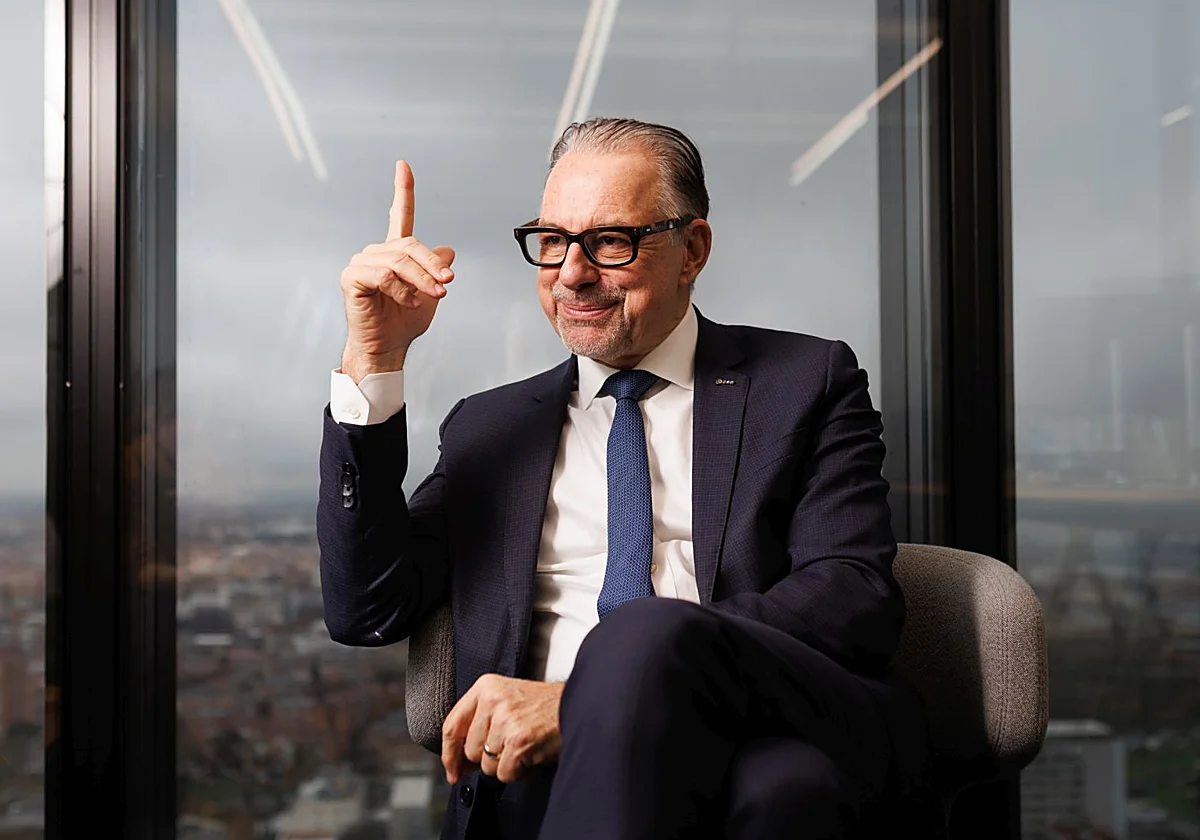
Polish Defence Minister Władysław Kosiniak-Kamysz has called for Europe to adopt a "war-mode" mentality in defence production, warning that the continent risks falling dangerously behind Russia in military capabilities.
Speaking at a press conference during the Warsaw Security Forum on Tuesday, Kosiniak-Kamysz urged a radical acceleration in the production of ammunition and weapons, citing figures that underscore the scale of the gap between Russian and European output.
According to Kosiniak-Kamysz, Russia is projected to spend 7.5% of its GDP on armed forces in 2026, and produced roughly seven million artillery, mortar, tank, and rocket rounds in 2025. Russian forces have been using 10,000 to 15,000 rounds per day in Ukraine since the full-scale invasion began in 2022, a rate far outpacing European production.
By contrast, the EU and Norway are expected to produce just two million 150mm ammunition shells this year. Total EU member state defence spending for 2025 is estimated at €418 billion, representing 2.2% of the bloc’s GDP—significantly lower than Russia’s projected outlay. Poland itself spends 4.7% of GDP on core defence capabilities, among the highest shares in Europe.
Kosiniak-Kamysz’s call reflects growing anxiety among European policymakers that the continent’s arms industry is not keeping pace with the demands of the war in Ukraine or with Russia’s rearmament. The minister warned that failure to accelerate production could have "detrimental effects on European security" and leave the EU exposed to strategic vulnerabilities.
For the European Union, the challenge is not only scale but also coordination. Persistent fragmentation in the EU’s defence industry could hinder effective rearmament efforts, even as pressure mounts for a unified response. The prospect of increased defence investment could reshape Europe’s industrial landscape, create new jobs, and trigger more intense competition among defence contractors.
The shift to a "war-mode" mentality could also prompt difficult policy choices, including changes to procurement strategies and funding allocations. NATO will likely play a central role in shaping member states’ responses, but much will depend on how quickly the EU can overcome internal divisions and mobilise its industrial base.
For investors and businesses, Kosiniak-Kamysz’s message signals potential opportunities in the European defence sector, but also higher costs and ongoing uncertainty about the direction of EU policy. The long-term implications for Europe’s security architecture—and for its relationship with Russia—remain to be seen.