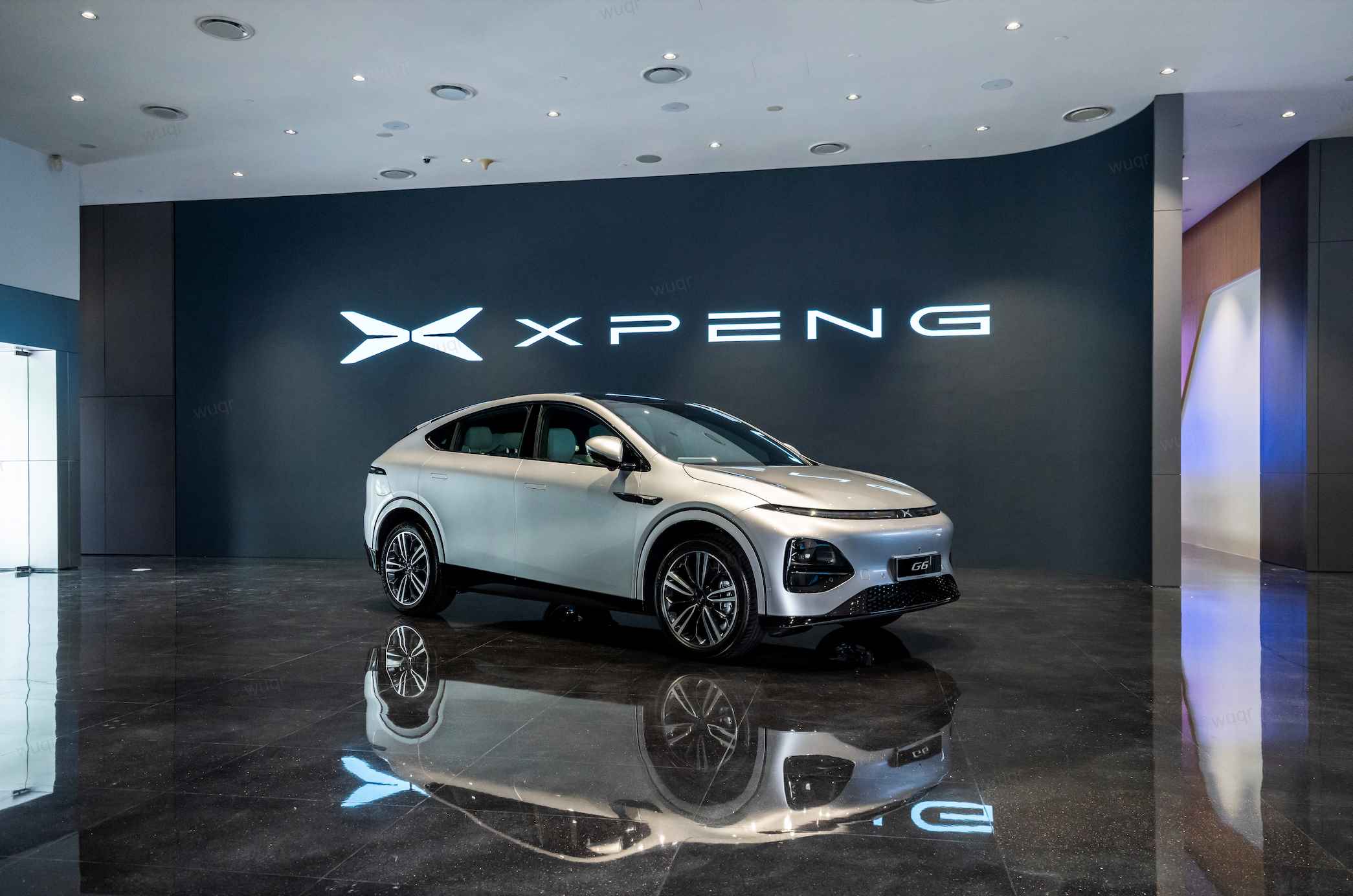
Renault CEO Hails EU–China Hybrid Deal as Industry Milestone
Renault's CEO welcomed the EU’s agreement to limit Chinese hybrid imports, calling it a milestone that could alter Europe’s auto landscape and trade dynamics.

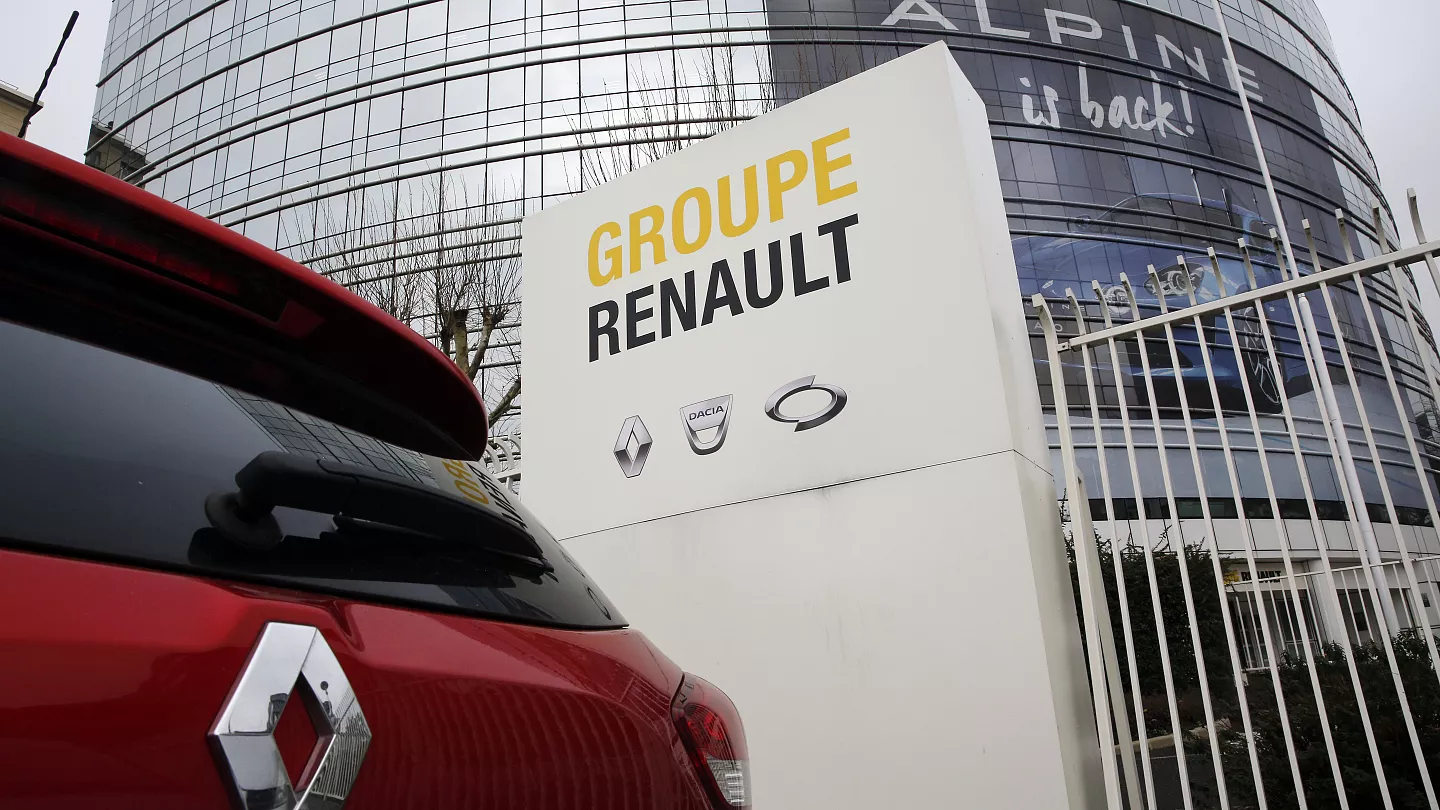
Renault SA has described the European Union’s new agreement to stem the influx of hybrid vehicles from China as a “major milestone” for the automotive sector, underlining the deal’s potential to reshape competition and investment across Europe’s car industry.
The agreement, announced this week, aims to protect the EU market from a surge of Chinese-made hybrid vehicles, a trend that has raised concerns among European automakers about eroding market share and downward pressure on prices. Renault’s CEO said the deal marks a turning point that offers the European industry breathing room to invest in local manufacturing and innovation.
Automotive executives and policymakers see the accord as a strategic move to reinforce Europe’s manufacturing base, which has faced mounting pressure from lower-cost Chinese imports. The deal is expected to support local automakers by slowing price competition and encouraging new investment in European production capacity.
The impact extends beyond Europe. By stabilising the EU market, the agreement could also influence trade flows with Latin America, where European automakers have longstanding commercial interests. Increased investment and innovation within the EU may deepen industrial and technological ties with Latin American partners, particularly as the region seeks to expand its own hybrid and electric vehicle markets.
However, the deal carries risks. Analysts warn of possible retaliation from Chinese authorities, which could disrupt broader EU–China trade relations or lead to new barriers for European exports in China. The agreement may also affect the pricing and availability of hybrid vehicles for European consumers, potentially reducing access to lower-cost Chinese models in the short term.
For investors and automotive suppliers, the deal signals a shift in regulatory and commercial priorities. Companies may recalibrate their supply chains and market strategies in response to anticipated changes in demand, pricing, and production patterns across the EU and its trade corridors with Latin America.
While the specific enforcement measures and responses from Chinese manufacturers remain to be detailed, industry leaders are watching closely for signs of broader shifts in global automotive policy and market dynamics.