
Rhenus Targets Global Top 10 as Logistics Demand Drives International Expansion
German logistics provider Rhenus is accelerating its global growth strategy with the ambition of becoming one of the world's ten largest logistics companies, supported by international expansion, strategic acquisitions and growing demand for integrated supply chain solutions.

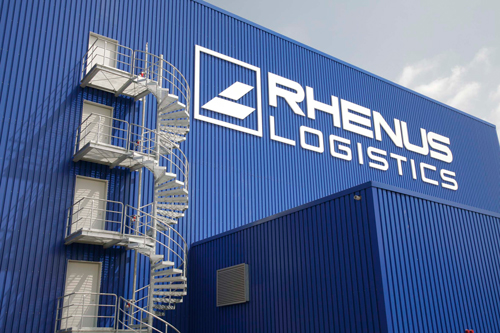
The global logistics industry is entering a new phase of consolidation, and Rhenus is positioning itself to become one of its leading players.
The Germany-based logistics group has set an ambitious objective: joining the ranks of the world's top ten logistics companies by expanding its international footprint, strengthening its service portfolio and investing in long-term growth across key global markets.
The company's strategy reflects broader changes taking place throughout the logistics sector.
As supply chains become increasingly complex and businesses seek greater resilience following years of geopolitical uncertainty and market disruptions, demand is rising for logistics providers capable of delivering integrated solutions across air, ocean, road, rail and contract logistics.
International expansion remains central to Rhenus' growth model.
The company continues to strengthen its presence through acquisitions and organic investment, particularly in regions where trade flows and industrial production are expanding. According to the company, geographic diversification is becoming increasingly important as customers seek logistics partners with truly global capabilities.
Rather than focusing solely on increasing shipment volumes, Rhenus is placing greater emphasis on value-added logistics services.
Warehouse automation, digital supply chain management, customs expertise, e-commerce logistics and sector-specific solutions are becoming increasingly important as manufacturers and retailers demand more sophisticated logistics support.
The company also sees air cargo as a strategic growth segment.
Despite ongoing volatility in international freight markets, global demand for time-sensitive shipments, pharmaceuticals, technology products and e-commerce continues to create opportunities for logistics providers with diversified transportation networks.
Digital transformation is another major pillar of Rhenus' strategy.
The logistics sector is rapidly adopting artificial intelligence, predictive analytics and data-driven supply chain management tools to improve efficiency, optimize routing and provide customers with greater visibility across increasingly complex international operations.
Sustainability is also becoming a competitive differentiator.
Customers are placing greater emphasis on reducing carbon emissions throughout their supply chains, encouraging logistics companies to invest in alternative transport solutions, energy-efficient warehouses and multimodal freight networks.
For Europe, the continued expansion of logistics providers such as Rhenus reinforces the continent's role as a global trade and distribution hub connecting manufacturing centers, consumer markets and international supply chains.
The company also sees growing opportunities in Latin America, where increasing trade flows with Europe, infrastructure investment and nearshoring trends are creating new demand for integrated logistics services.
As global commerce becomes more interconnected, logistics providers are competing not only on transportation capacity but also on technology, operational flexibility and the ability to offer end-to-end supply chain solutions.
For Rhenus, reaching the global top ten will depend on maintaining that balance while continuing to expand internationally in an increasingly competitive logistics market.