Rising Fuel Prices Drive Surge in Electric Supercar Demand
Luxury automakers are accelerating the rollout of high-performance EVs and EREVs as rising fuel prices shift consumer preferences away from traditional models.

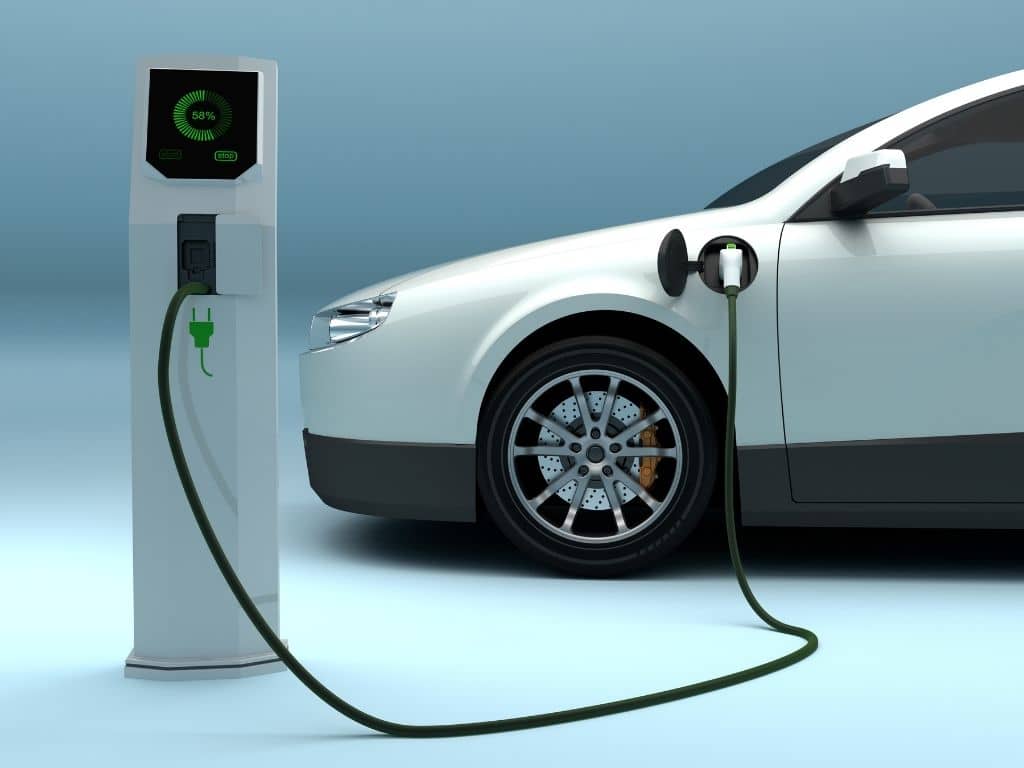
Rising fuel prices are accelerating a shift in the luxury automotive market, as manufacturers introduce faster, smarter, and longer-range electric supercars and extended-range electric vehicles (EREVs) to attract buyers who have traditionally favored gasoline-powered models.
Recent months have seen a flurry of high-profile launches. In October, Jaguar showcased its new Type 01 in New York, boasting 647 horsepower, a starting price of approximately €116,000, and the ability to reach 60 mph in just 3.1 seconds. September marked the debut of the Bentley Torcal SUV, the brand’s first fully electric vehicle, priced from approximately €205,000. Ferrari has entered the market with its electric Luce, starting at approximately €559,000.
Automakers are also betting on EREVs—vehicles that combine substantial battery ranges with powerful electric motors. The upcoming Jeep Grand Wagoneer REEV and Stellantis RAM 1500 REV, both expected in the U.S. by late 2026, feature a 92-kilowatt-hour battery, up to 145 miles of electric range, and a total range exceeding 600 miles, supported by a 130-kilowatt generator.
According to OilPrice.com, BMW, Ford, Volkswagen, Jaguar, Bentley, Geely, Jeep, and Ram are among those expanding their electric offerings, capitalizing on growing demand in Europe and Asia. The Zeekr 8X SUV from Geely is one recent example targeting the upper end of the market.
The stakes are high as luxury buyers respond to volatile fuel costs. Improved battery technology and longer driving ranges are addressing key concerns, but, as noted by OilPrice.com, reluctance to abandon internal combustion engines remains a barrier. High purchase prices and questions over charging infrastructure also persist, particularly in markets where EV adoption lags.
Nevertheless, the industry is betting that performance and prestige will sway consumer sentiment. The entrance of iconic brands and the promise of near-instant acceleration and cutting-edge technology highlight a broader transformation.
For European and Latin American markets, this shift could reshape trade flows and industry investment, with implications for suppliers and policymakers focused on sustainability and emissions reduction. For investors and automakers, the luxury segment’s embrace of electrification signals both heightened competition and new growth opportunities as the market evolves.