
Shrinking Bulk Cargo Base Forces Ports to Rethink Investment Priorities
Ports face mounting pressure to invest in infrastructure as shrinking bulk cargo volumes and rising costs threaten operational viability and long-term profits.

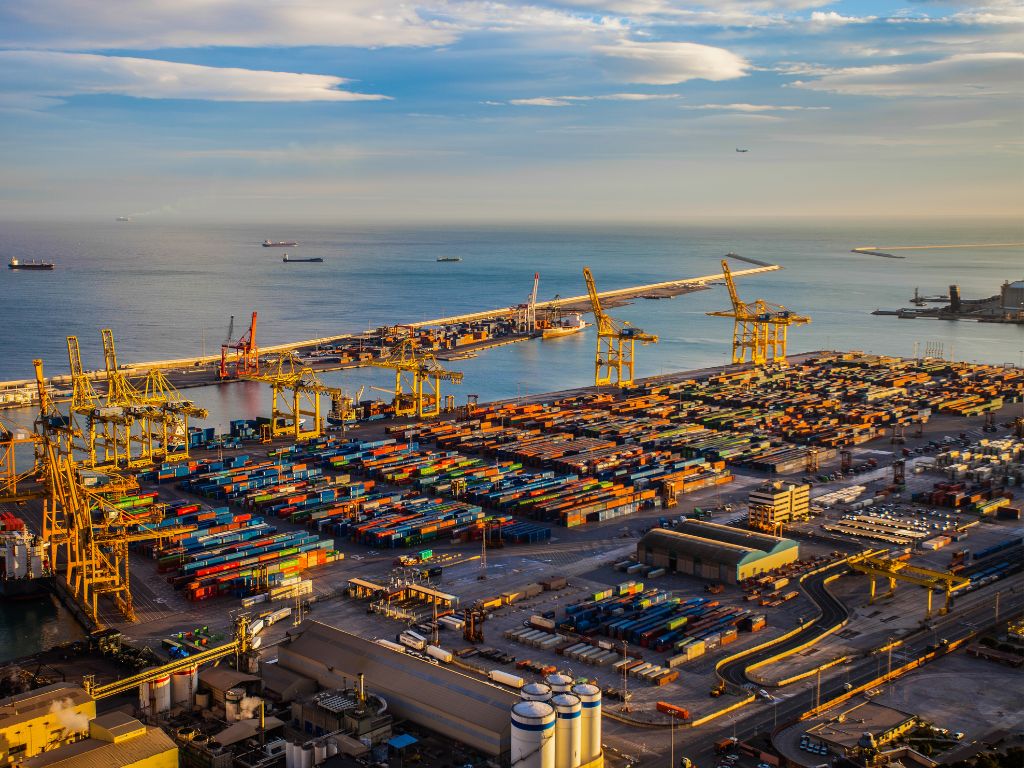
Ports are entering a period of structural change as declining bulk cargo volumes and rising operational costs force authorities to reconsider investment strategies. According to industry findings, nearly 40% of maritime freight tonnage still comes from coal, oil, petroleum products, liquefied natural gas, and liquefied petroleum gas, with another 15% from raw iron ore—commodities now facing global demand pressures.
The shift away from these traditional cargos is undermining the revenue base that many ports have long relied on. As vessels grow larger and requirements for climate resilience intensify, port authorities are under pressure to accelerate infrastructure upgrades to maintain competitiveness and comply with stricter decarbonization mandates.
The financial implications are significant. Declining cargo revenues risk eroding the resources ports need to fund major upgrades, potentially leading to increased operational costs or even financial instability. At the same time, competition for a shrinking pool of bulk cargo is intensifying, with ports vying for market share in an increasingly challenging landscape.
Electrification is emerging as a viable solution to reduce both costs and emissions, with industry stakeholders highlighting it as a key opportunity for future-proofing operations. Investment in shared electrified infrastructure can help ports lower their carbon footprint and attract new types of cargo, including hydrogen and biofuels, diversifying revenue streams beyond conventional bulk goods.
Regulators are shaping the transition by tightening emissions standards and encouraging climate adaptation. This regulatory momentum is prompting ports to weigh the costs of non-compliance against the capital required to modernize.
For shipping companies, evolving operational requirements may mean adapting to new port technologies and sharing in the costs of decarbonization. For policymakers, the situation underscores the importance of coordinated investment and regulation to ensure ports remain viable links in global supply chains as their traditional cargo mix evolves.
The coming years will test the ability of ports to balance immediate financial pressures with the need for transformative investment—a challenge with direct implications for Europe–Latin America trade flows and the broader maritime sector.