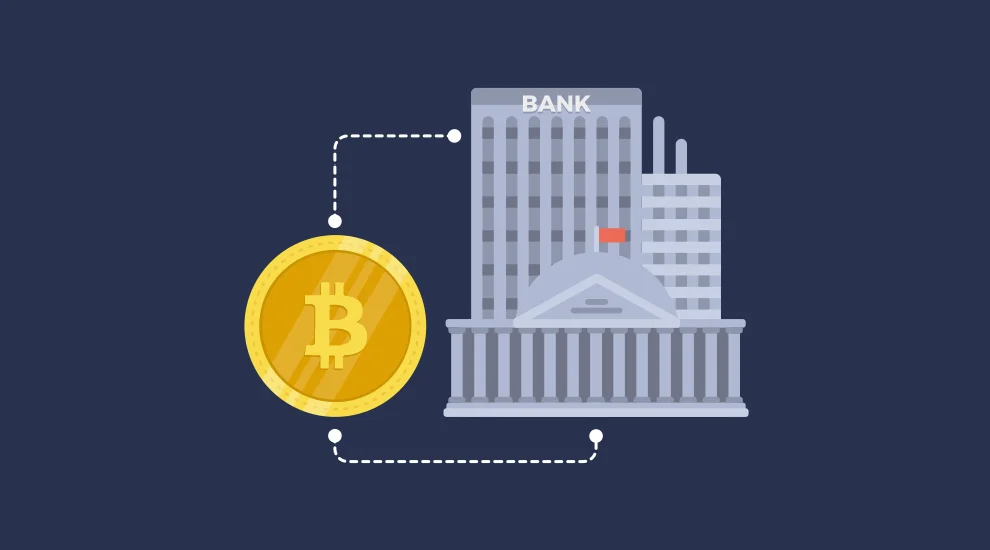
UniCredit Weighs Crypto Custody in Europe’s Shifting Banking Landscape
Italy’s UniCredit is exploring crypto custody, joining a wave of European banks expanding into digital assets as new EU rules reshape the sector.
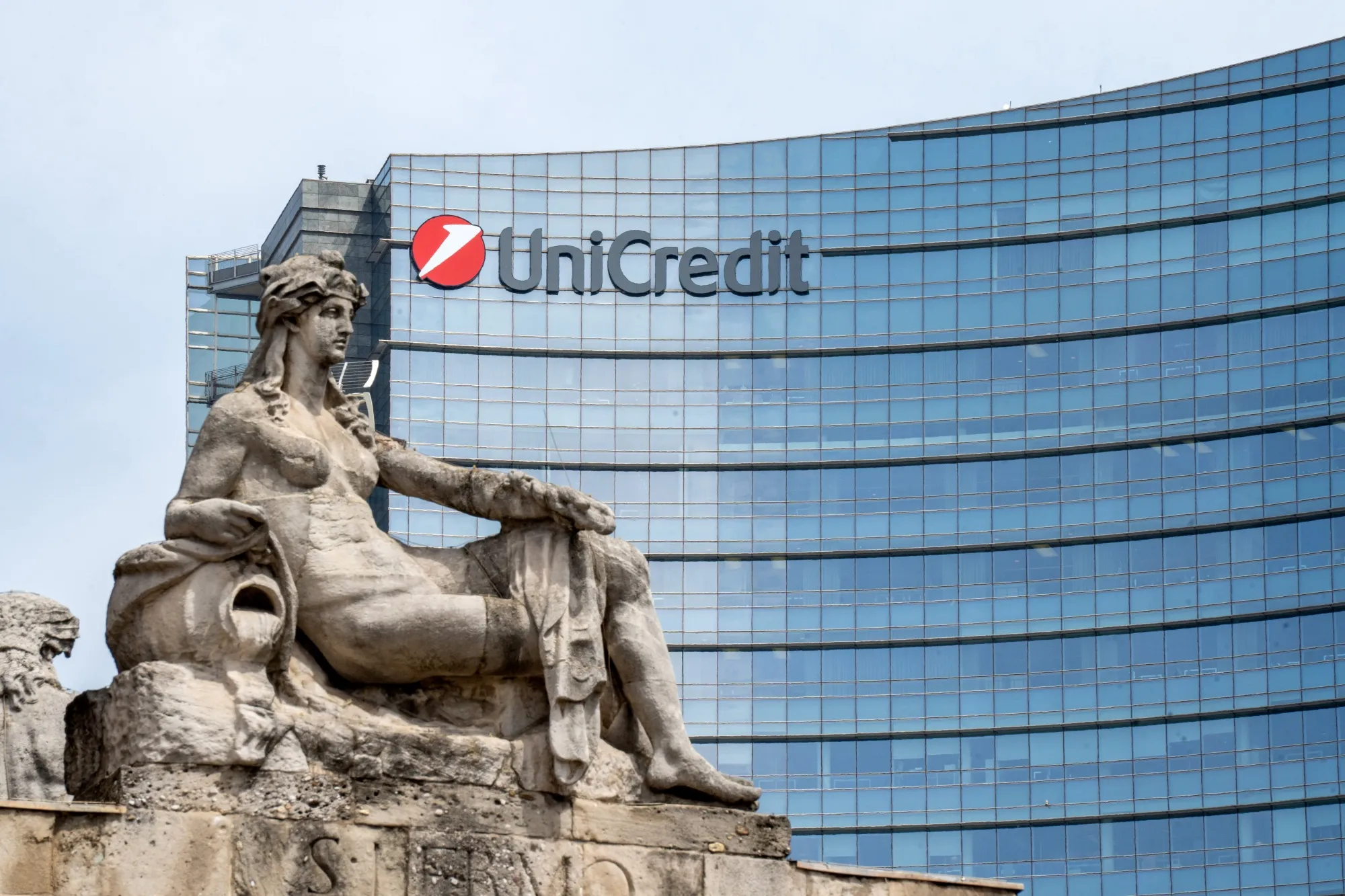
UniCredit, Italy’s second largest bank, is considering a move into crypto custody services, Bloomberg reported, as competition intensifies among European lenders seeking a foothold in the digital asset sector.
The initiative would see UniCredit select a technology provider to develop infrastructure for managing digital assets, including both tokenized securities and cryptocurrencies. The bank’s deliberations follow similar launches by BBVA, Santander, and Spain’s Cecabank, which began offering crypto custody in June and currently manages €400 billion in assets.
Banks are responding to the implementation of the Markets in Crypto-Assets Regulation (MiCA), which establishes a unified legal framework for offering crypto services across the European Union. The regulation is seen as a catalyst for incumbents to compete with fintechs by integrating digital assets into their product suites.
Other major European players have moved quickly. BBVA has enabled bitcoin trading and custody, while Santander introduced its own digital asset trading platform. Deutsche Bank is building custody services using technology from Bitpanda, and Germany’s DZ Bank recently secured regulatory approval for its meinKrypto platform.
The rise in activity comes as a consortium of 37 lenders in 15 European countries works to create a euro-denominated stablecoin, reflecting growing institutional interest in blockchain-based finance.
For UniCredit, entering crypto custody could open new revenue streams and attract clients seeking exposure to digital assets, at a time when regulatory clarity is encouraging traditional banks to innovate. However, compliance demands under MiCA, market volatility, and cybersecurity risks present ongoing challenges.
The competitive push into digital assets signals a broader transformation in European banking, as institutions seek to adapt to evolving client preferences and regulatory environments. The pace with which banks like UniCredit can build their digital asset infrastructure may determine their standing in an increasingly crowded market.