Volkswagen’s Electric Car Efficiency Record Puts EU Regulations in Spotlight
Volkswagen’s Mission Efficiency concept has broken world records for electric vehicle range and aerodynamics, raising questions about whether EU regulations should evolve to recognise new benchmarks for efficiency.
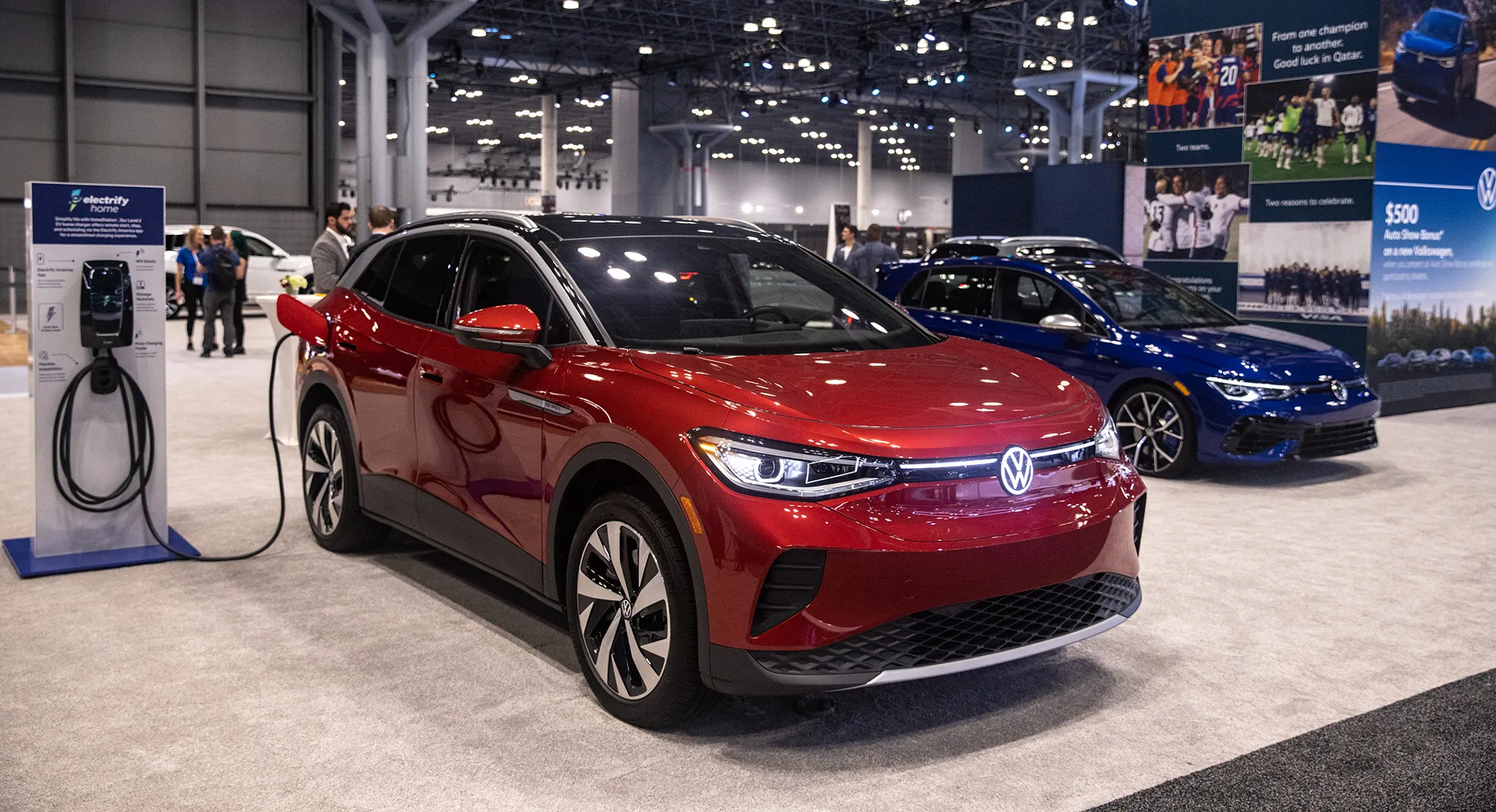
Volkswagen has claimed a new milestone in electric mobility with its Mission Efficiency prototype, setting three certified records including a 1,278 km drive on a single charging stop and achieving a drag coefficient of 0.158—the lowest ever recorded for a production-intent vehicle.
The German manufacturer’s feat, which involved driving from Wolfsburg to Vienna with only one charge, surpasses current benchmarks for range and efficiency in the industry, according to the company’s official statement. The result positions Volkswagen at the forefront of electric vehicle (EV) innovation, with potential to reshape market dynamics and regulatory frameworks across the European Union.
While EU regulations currently classify battery-electric vehicles as zero-emission at the tailpipe, they do not differentiate between models based on energy efficiency or range. Volkswagen’s achievement challenges this approach, prompting renewed debate over whether the bloc should introduce or revise efficiency metrics to better reflect technological progress.
For consumers, improved efficiency means longer trips between charges, addressing a key barrier to EV adoption in both Europe and Latin America. With range anxiety cited as a major concern, Volkswagen’s record could influence buyer preferences and accelerate the transition from internal combustion engines to electric power.
For policymakers, the development underscores the need to consider new benchmarks as part of the EU’s evolving climate and transport policies. More precise metrics could incentivise manufacturers to innovate further, while also supporting the bloc’s targets for emissions and energy use.
Volkswagen’s breakthrough could also pressure competitors to accelerate their own research on aerodynamics and battery management. The company’s claim of record-setting efficiency is expected to intensify competition in a market where regulatory incentives and consumer perceptions are increasingly shaped by technological leadership.
The achievement raises the prospect of heightened regulatory scrutiny, as authorities may seek to validate efficiency claims and consider their implications for emissions standards and incentive schemes. The outcome of these discussions could set precedents for how EVs are evaluated both within the EU and internationally.
For investors and industry watchers, Volkswagen’s performance signals a potential shift in the criteria used to judge electric vehicle success, with efficiency and real-world range likely to become more prominent in regulatory and commercial strategies.