
Shell and FAW Target Safer Electric Truck Batteries With Immersion-Cooling Innovation
Shell and FAW have partnered to develop electric semi truck batteries using immersion-cooling technology, aiming to boost safety and performance in a fast-evolving market.
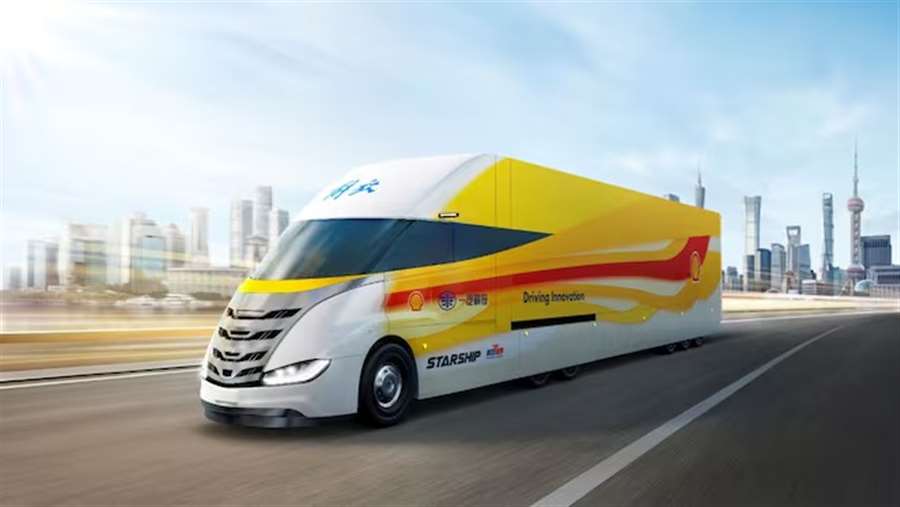
Shell and FAW have announced a partnership to develop electric semi truck batteries incorporating an immersion-cooling system, a move both companies say will enhance safety and performance in electric vehicle (EV) technology.
The collaboration reflects mounting industry pressure to address battery safety risks as electric trucks gain market share. Immersion-cooling, which involves submerging battery cells in a non-conductive coolant, is designed to stabilize temperatures more effectively than traditional air or liquid cooling systems. This can reduce the risk of overheating and thermal runaway—critical issues for commercial EV fleets.
The partnership comes as global truck manufacturers step up efforts to electrify heavy-duty vehicles in response to tightening emissions regulations in Europe and growing demand in Latin America. Improved battery safety and reliability are seen as essential for broader adoption, especially in long-haul and high-utilization scenarios where operational risks and performance demands are high.
For Shell, the move aligns with its strategy to expand further into EV technology and energy transition markets. FAW, one of China's largest commercial vehicle producers, stands to strengthen its competitive position as electric trucks become a strategic priority for logistics and fleet operators worldwide.
While specific performance targets for the new batteries have not been released, the companies point to safety and durability as core objectives. Analysts note that success in this area could encourage other manufacturers to adopt immersion-cooling, potentially setting new industry benchmarks for battery safety.
However, the development of advanced battery systems carries technical risks and will face competition from established and emerging electric truck manufacturers. If Shell and FAW succeed, the innovation could accelerate the shift to electric heavy-duty transport, with implications for vehicle standards, supply chains, and infrastructure investment in both Europe and Latin America.