
Argentina Reaches Record Egg Export Levels to the European Union
Argentina’s egg industry is experiencing historic export growth as rising European demand creates new opportunities for the country’s agribusiness sector.

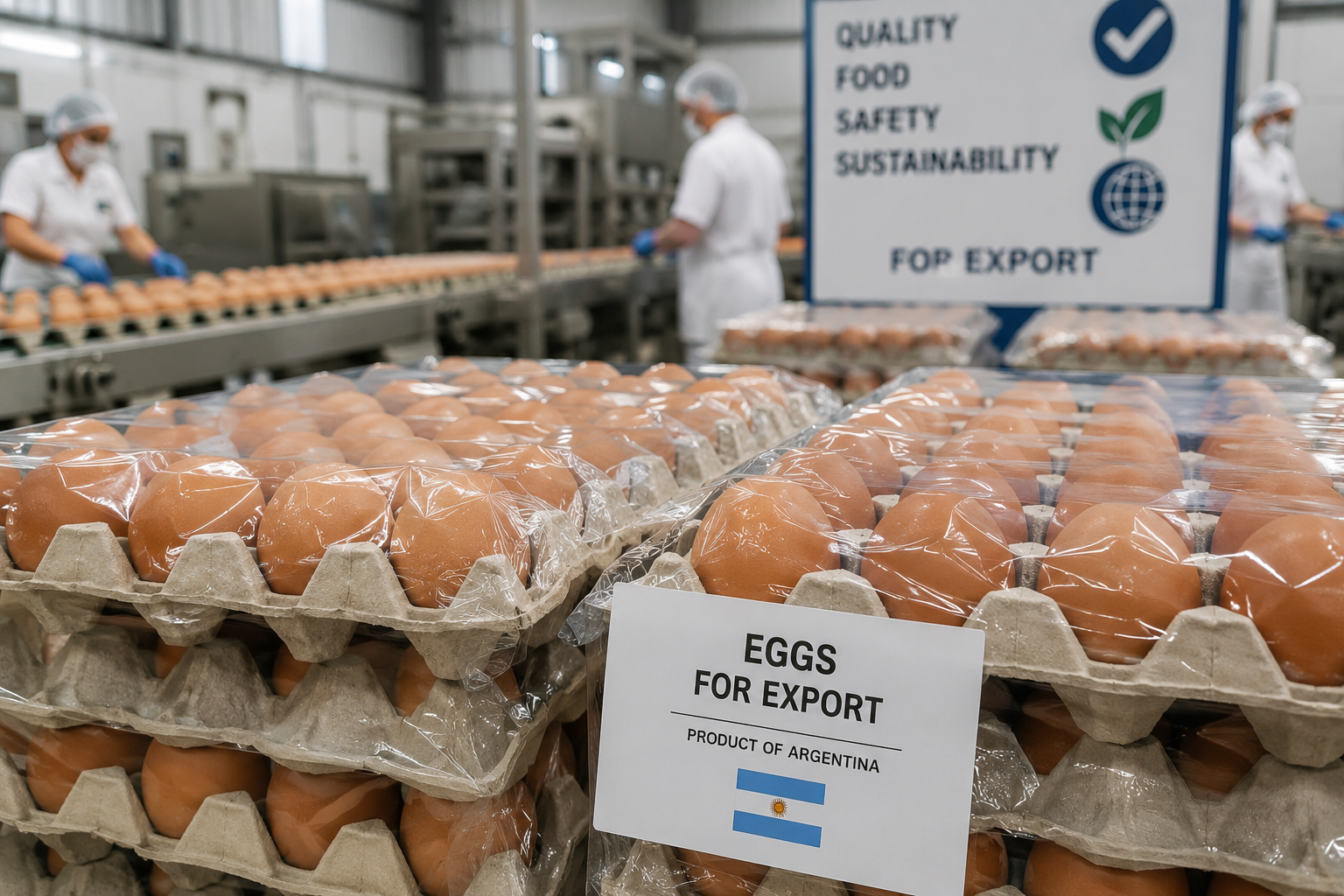
Argentina’s egg industry has reached record export levels to the European Union, marking a significant milestone for the country’s agribusiness sector as global food supply chains continue to evolve.
The surge in exports reflects growing European demand for imported egg products amid supply pressures affecting poultry production in several international markets.
For Argentina, the expansion represents an important opportunity to strengthen its position as a global food exporter beyond traditional commodities such as soybeans, corn and beef.
The country’s poultry and egg sectors have gained competitiveness in recent years through investments in production efficiency, biosecurity, technology and export infrastructure.
European demand has been influenced by a combination of factors including production disruptions, higher operational costs and stricter regulatory conditions impacting parts of the local poultry industry.
Argentina’s ability to increase exports highlights the growing relevance of Latin America within global food supply networks, particularly as countries seek diversified agricultural suppliers capable of ensuring stable deliveries.
The European Union remains one of the world’s largest and most demanding food markets, making access to the bloc strategically important for international agricultural exporters.
For Argentine producers, expanding sales to Europe could open additional opportunities for higher-value exports and long-term trade relationships within international food markets.
The development also reflects broader changes in global agribusiness. Food security, supply chain resilience and diversification of agricultural imports have become increasingly strategic issues for governments and multinational food companies.
At the same time, rising exports place greater pressure on producers to maintain international sanitary standards, traceability systems and sustainable production practices.
Argentina continues seeking to expand agricultural exports across multiple sectors as the country looks to strengthen foreign currency inflows and international market access.
For Europe, stronger imports from Latin America help stabilize food supply chains and reduce pressure linked to regional production constraints.
Argentina’s record egg exports to the European Union underscore the country’s growing role in global food supply chains and highlight rising international demand for diversified agricultural sourcing.