European Stocks Fall as French Businesses Face Heavy Riot Losses
European stock markets slipped on Monday after violent riots in France left businesses counting losses and investors wary amid rising borrowing costs.

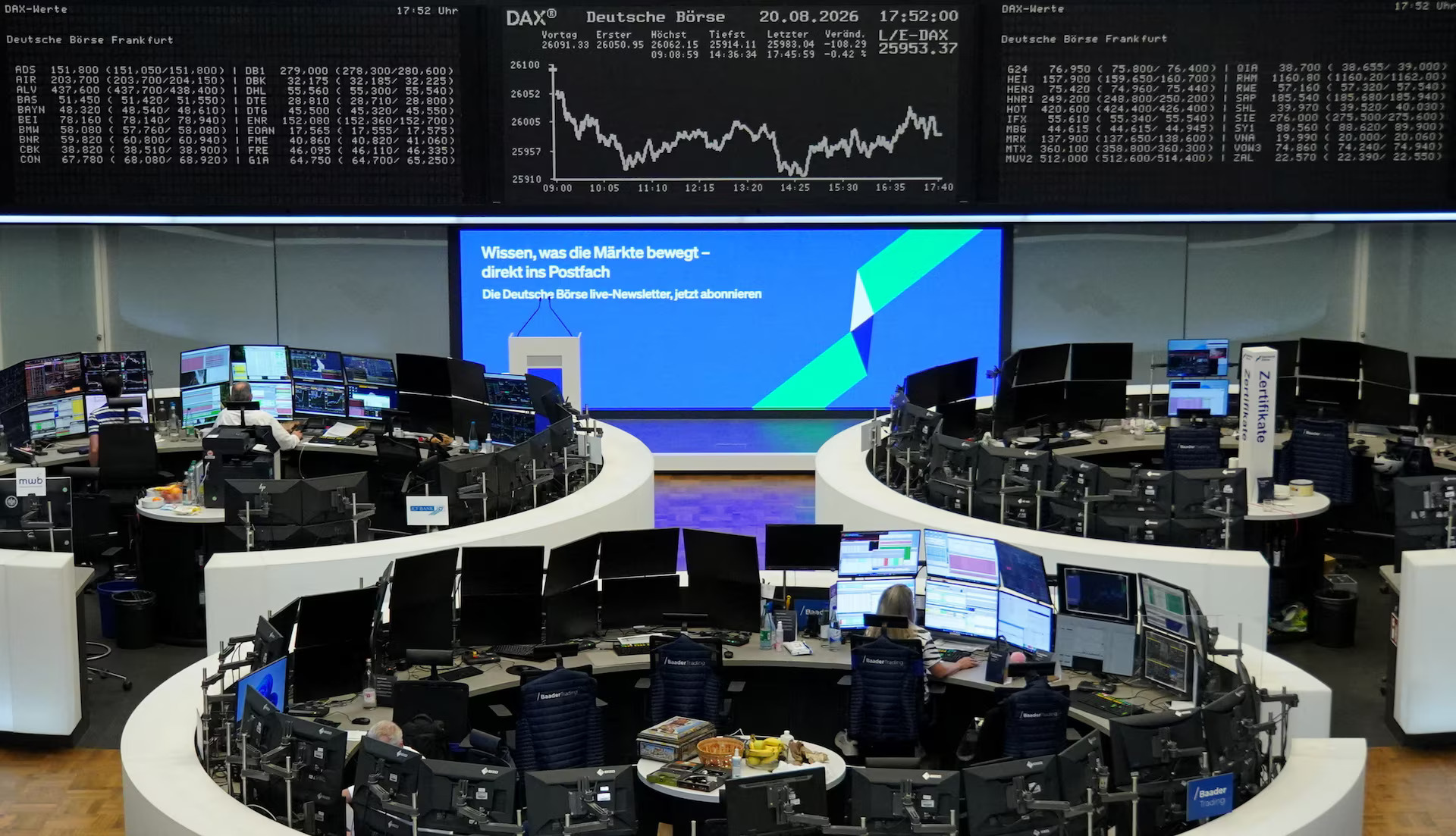
European stock indices opened in negative territory on Monday as violent protests and widespread looting in France over the weekend left businesses facing significant financial losses and investors questioning government stability.
The Euro Stoxx 50 dipped 0.1%, while the broader Stoxx 600 fell more than 0.6%. The CAC 40, France’s benchmark, traded 0.5% lower, with shares in supermarket giant Carrefour down over 2% after the company estimated riot-related repair costs at €10 million.
The unrest, which saw approximately 550,000 people participate in nationwide marches and resulted in 2,400 arrests, has amplified concerns over public safety and the government’s ability to protect businesses. Executives including Carrefour CEO Alexandre Bompard, Lacoste’s Thierry Guibert and Intermarché’s Thierry Cotillard have voiced frustration at what they describe as insufficient protection for commercial interests.
Rising government borrowing costs underscored investor wariness. The yield on France’s 10-year government bond climbed to 4.86%, widening the spread with German debt to 143.5 basis points—a sign of perceived increased risk.
The economic impact is expected to be substantial, with business groups led by Medef’s Patrick Martin warning that losses for affected retailers and service providers could reach into the hundreds of millions of euros. The situation has prompted calls for urgent government action, with Prime Minister Sébastien Lecornu set to chair a crisis meeting and Commerce Minister Serge Papin meeting with business leaders to discuss support measures.
Unions have called a national strike for 5 November, adding to worries about further disruptions and uncertainty. The instability has put pressure on President Emmanuel Macron’s administration to restore order and address criticisms over public safety policies.
For investors and policymakers in both Europe and Latin America, the events in France highlight the risks that political and social unrest pose to market stability and cross-border investment. The sharp reaction in equities and bond markets serves as a warning that persistent instability can undermine confidence and complicate funding for both governments and private sector actors.