Bolivia’s Energy Crisis Fuels Social Unrest as Gas Reserves Plunge
Bolivia’s dwindling natural gas reserves and IMF-imposed austerity are driving up living costs and stoking public discontent, raising risks of wider instability.

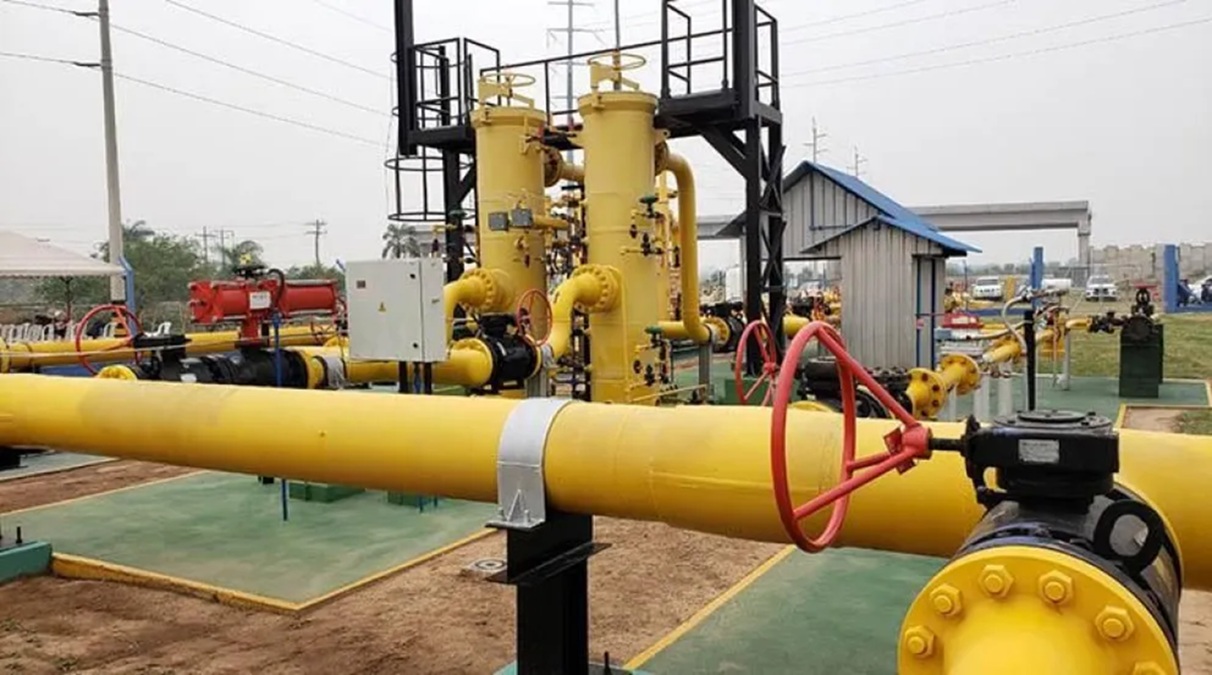
Bolivia is facing a deepening energy crisis as its natural gas reserves—estimated at just 3.7 trillioncubic feet in April—continue to fall, prompting concerns over rising living costs and the prospect of social unrest.
Gas exports, a traditional pillar of Bolivia’s economy, have dropped by nearly 60% over the last decade, according to figures cited by industry officials. Natural gas currently provides about 70% of Bolivia’s electricity, leaving the country heavily exposed to disruptions in supply.
In an effort to stabilize the faltering economy, Bolivia’s Congress approved a $1.9 billion loan from the International Monetary Fund (IMF) in September. The deal, greenlit by the IMF’s Executive Board in October, commits the government to sweeping austerity measures, including cuts to fuel subsidies and public spending. Officials expect up to $4 billion in additional financing from the World Bank and other lenders.
The IMF loan’s strict conditions have sparked immediate concern among the public. Households and businesses are bracing for higher energy bills, as the government scales back subsidies that long kept fuel and electricity prices artificially low. Former economists’ association head Luis Fernando Romero warned that these measures risk “pushing more Bolivians into poverty and testing the country’s fragile social fabric.”
Energy Minister Marcelo Blanco has acknowledged the mounting pressure, stating that without fresh investment and diversification, Bolivia could become a net importer of fossil gas by 2030. The government now faces the dual challenge of managing both the fiscal fallout from falling gas revenues and growing public anger over rising costs.
The crisis comes at a critical time for Latin America, as other gas-producing neighbors like Peru and Ecuador grapple with their own fuel shortages. Analysts suggest Bolivia’s turmoil may influence regional energy policy, with some governments considering increased subsidies or efforts to boost domestic output.
For investors and companies, the immediate risks include higher operating costs, uncertain regulatory conditions, and the threat of social unrest disrupting economic activity. However, the crisis may also accelerate Bolivia’s shift toward renewable energy and economic diversification—a process that could eventually open new opportunities in value-added sectors and green technology.
As austerity measures take hold and reserves dwindle, the government’s ability to maintain stability will hinge on its response to rising public dissatisfaction and its success in charting a path beyond fossil fuels.