UN Warns of Triple Shock as Rising Oil Prices Hit Developing Nations
Oil at over $100 a barrel, surging borrowing costs, and El Niño threaten to reverse development gains, the UNDP warns ahead of key IMF-World Bank talks.

Oil prices above $100 a barrel, combined with the effects of El Niño and surging borrowing costs, have created a "triple shock" for developing countries, according to a warning from the United Nations Development Programme (UNDP) released Sunday.
The UNDP's report, No Time to Recover, highlights the danger that these overlapping crises could push millions back into poverty and erode hard-won development gains. The report comes days before the International Monetary Fund (IMF) and World Bank hold their annual meetings in Bangkok, where the issue is expected to feature high on the agenda.
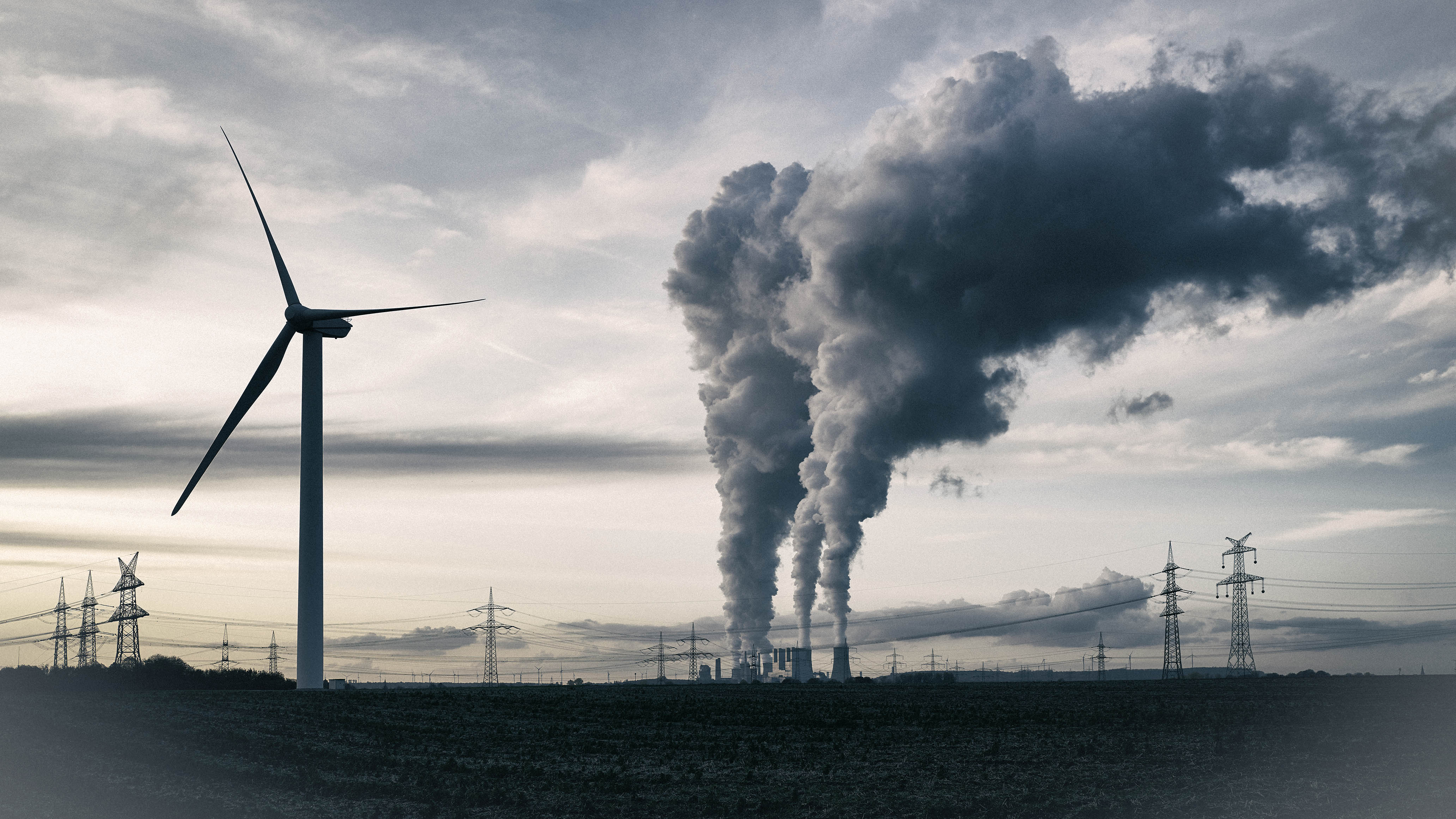
According to the UNDP, oil prices have climbed above $100 per barrel in recent weeks, driven by renewed hostilities in the Middle East. This surge has raised fuel and transport costs globally, but developing economies—especially net importers in Latin America, Africa, and Asia—face the steepest impact. Higher energy prices increase household costs, strain government budgets, and can fuel inflation, undermining economic stability.
Meanwhile, developing countries are also grappling with borrowing costs that have soared to an average of 9% for bond financing. The UNDP warns that this financial pressure is forcing governments to cut essential spending, including an average 8% reduction in education budgets since 2019 among low-income countries. The combination of high energy costs and limited fiscal capacity restricts investment in public services and infrastructure, with knock-on effects for growth and social welfare.
El Niño, a climate phenomenon associated with extreme weather, is compounding these challenges by threatening crop failures and food insecurity. The risk is particularly acute for agricultural producers in Central America and South America, where droughts and floods can disrupt exports and rural livelihoods.
Alexander De Croo, the UNDP administrator, called for urgent international support to help vulnerable economies navigate the crisis. The agency is pressing advanced economies and multilateral lenders to prioritise debt relief and sustainable financing solutions, warning that without action, the world risks a "lost decade" for development.
The situation has also drawn attention from advocacy groups such as Debt Justice, which argue that the current debt burden faced by many developing nations is unsustainable without coordinated international intervention. The IMF and World Bank meetings are seen as a critical opportunity for policymakers to address these structural vulnerabilities.
For European and Latin American businesses and investors, the outlook highlights the importance of monitoring external shocks in emerging markets. Rising poverty and constrained public spending could dampen consumer demand and slow commercial activity, while also increasing calls for innovative financing and responsible investment strategies.
The UNDP report underscores that, unless urgent support is mobilised, the combined effects of high oil prices, climate shocks, and financial pressures threaten to set back development progress across much of the Global South.