China’s Anti-Dumping Probe into EU Chemicals Raises Stakes for Latin American Trade
China’s anti-dumping investigation into European chemical exports escalates EU–China trade tensions, with spillover risks and opportunities for Latin America.

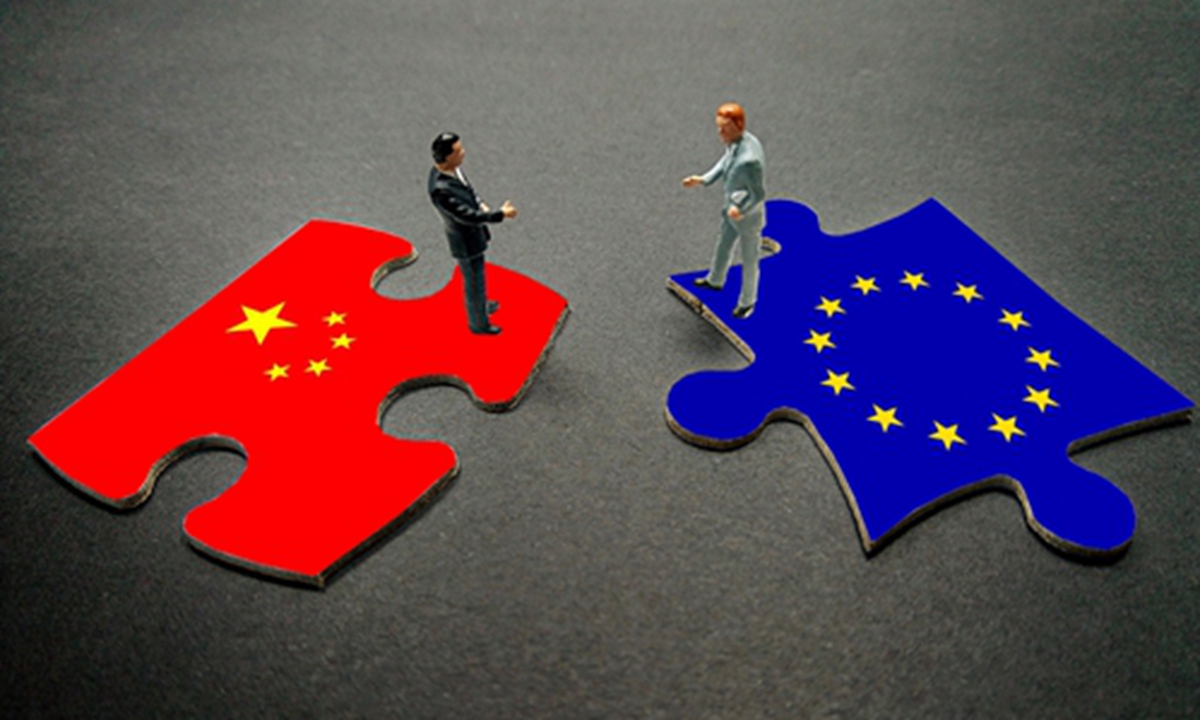
China’s Ministry of Commerce has launched an anti-dumping investigation into chemical imports from the European Union, marking a significant escalation in trade tensions between two of the world’s largest economies.
The probe, announced by China’s regulatory authorities, targets specific chemical products from the EU. While the ministry did not disclose the exact chemical categories under scrutiny, the move directly follows three separate anti-dumping investigations initiated by the EU last week against Chinese products. This tit-for-tat pattern highlights the deepening friction and raises the prospect of further trade barriers.
For European chemical producers, the risk of increased tariffs or restrictions on exports to China threatens revenue streams and market share in a critical market. Industry analysts warn that such measures could increase costs and undermine the competitiveness of EU chemicals in China, a key global consumer.
The knock-on effects extend beyond Europe and China. If European companies lose access to Chinese buyers, they may seek to redirect exports to alternative markets, including Latin America. This shift could open new trade and investment opportunities for Latin American chemical distributors, manufacturers, and logistics providers — but also risks oversupplying some markets and intensifying competition with local producers.
For Latin American economies, the prospect of deeper trade ties with the EU chemical sector could bring fresh investment and access to advanced technologies. However, the uncertainty surrounding global supply chains — with both the EU and China considering further retaliatory measures — complicates planning for regional policymakers and businesses.
Trade specialists note that the current escalation serves as a reminder of the chemical sector’s vulnerability to geopolitical tensions. Latin American companies embedded in global supply chains may face unpredictable price swings and supply disruptions as EU and Chinese policies evolve.
The outcome of China’s investigation could also shape Brussels’ next steps. Any retaliatory tariffs or restrictions by the EU on Chinese products may further disrupt global trade flows, with possible spillover effects for Latin American partners engaged in triangular trade with both blocs.
As the dispute unfolds, both risks and opportunities for EU–Latin America trade relations will depend on how businesses and governments adapt to shifting market conditions and policy responses on both sides of the Atlantic.