
G7 Nations Release Diesel Stocks to Curb Surging Fuel Prices Amid Global Conflicts
The G7's release of 100 million barrels of diesel, coordinated through the IEA, aims to stabilize world fuel prices amid conflict-driven supply disruptions.

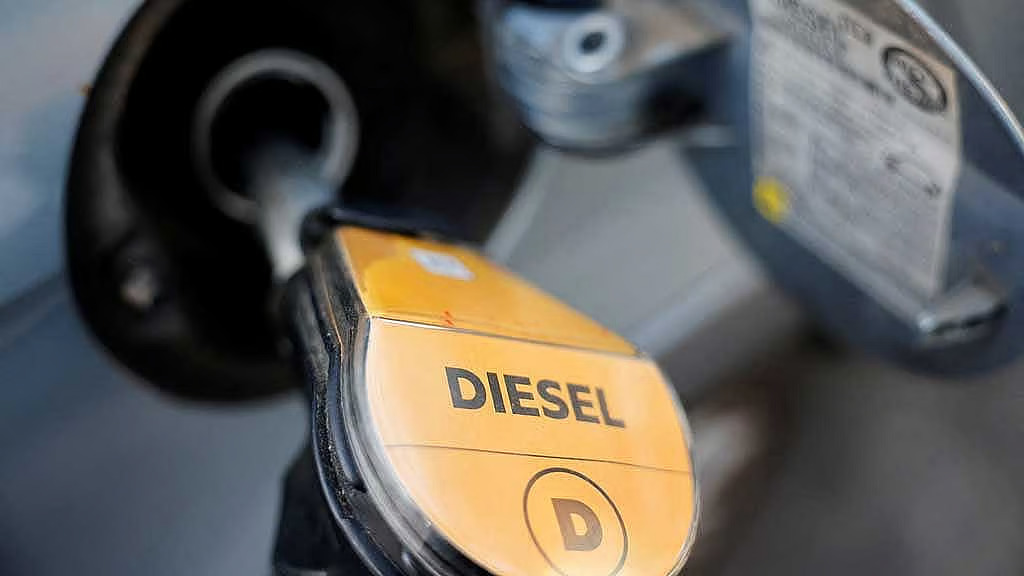
G7 nations have agreed to release 100 million barrels of diesel stocks in a bid to contain surging fuel prices triggered by ongoing conflicts in Europe and the Middle East, according to a statement issued on 2 October 2026.
The move comes as U.S. diesel prices reached an average of €5.66 per gallon in September, a level not seen in recent years. The first 20 days of the plan will see a "frontloaded substantial diesel release," coordinated by the International Energy Agency (IEA), in an effort to make an immediate impact on global markets.
The decision follows mounting pressure from the Trump administration, which urged European partners to act as fuel prices climbed and concerns mounted over potential U.S. export restrictions. The European Union is particularly vulnerable, having received about half of its diesel imports from the U.S. in August, amplifying fears about economic stability if American exports are curtailed.
The G7's coordinated release is intended to ease supply constraints and dampen price volatility that threaten both European and U.S. economies. For Europe, where many sectors depend heavily on diesel, the move could help safeguard industrial activity and limit inflationary pressures. For Latin American fuel importers, the stabilization of prices and supply chains may offer some short-term relief, though the region remains indirectly exposed to price swings in global energy markets.
Market analysts note that the G7’s action may offer only temporary respite. The underlying causes—disrupted supply chains from the war in Europe and ongoing instability in the Middle East—continue to pose risks. Additionally, the possibility of future U.S. export bans could reignite price volatility, especially for European buyers.
The G7’s response underscores the growing importance of transatlantic coordination in managing energy security. The measure may serve as a blueprint for further collaboration between the U.S. and EU should geopolitical pressures persist or worsen.
Investors and companies in the energy sector will be watching the implementation of the diesel release and any subsequent policy shifts closely, as the effectiveness of these measures will influence both margins and market dynamics. The G7 has not yet detailed how it will monitor the impact of the release, leaving open questions about the sustainability of the intervention.